Umang Sisodia • • 6 min read • 1 view
PM Modi’s Dussehra Call to Unity: Countering Division and External Threats

Key Takeaways
- Prime Minister Narendra Modi used the Dussehra platform to warn against forces trying to fragment India and to rally citizens against perceived external enemies.
- The speech sparked a surge on Google Trends, driven by a mix of patriotic fervor, political polarization, and strategic timing before national elections.
- Historical precedents show that festive addresses have often been leveraged to shape national narratives; Modi’s message aligns with a broader pattern of consolidating a unified identity.
- Experts predict that the rhetoric will influence policy debates on internal security, communal harmony, and foreign relations in the months ahead.
The Message Unpacked: What Modi Said on Dussehra
On October 3, 2024, Prime Minister Narendra Modi addressed a massive crowd at the historic Laxmi Mandir in Delhi, marking the climax of the Dussehra celebrations. In a tone that blended cultural symbolism with geopolitical urgency, he declared:
“We must fight attempts to divide India and defeat the enemies that seek to undermine our sovereignty. Our unity is our greatest weapon.”
Modi’s remarks were framed within the traditional narrative of good triumphing over evil, a motif intrinsic to Dussehra. However, the speech quickly transcended mythic allegory, positioning contemporary political and security challenges as the modern ‘Ravana’ to be vanquished.
Key points from the address included:
- Domestic Cohesion – A call for citizens to reject communal politics and focus on a shared national identity.
- External Threats – Implicit references to neighboring adversaries and alleged foreign interference in India’s internal affairs.
- Youth Mobilisation – An appeal to the younger generation to become “the shield of the nation” through education, technology, and civic responsibility.
- Economic Resilience – A reminder that a united India is essential for sustaining growth amid global uncertainties.
The speech was broadcast live on multiple platforms, garnering over 120 million views within the first 24 hours, and quickly became a trending topic on Google and Twitter.
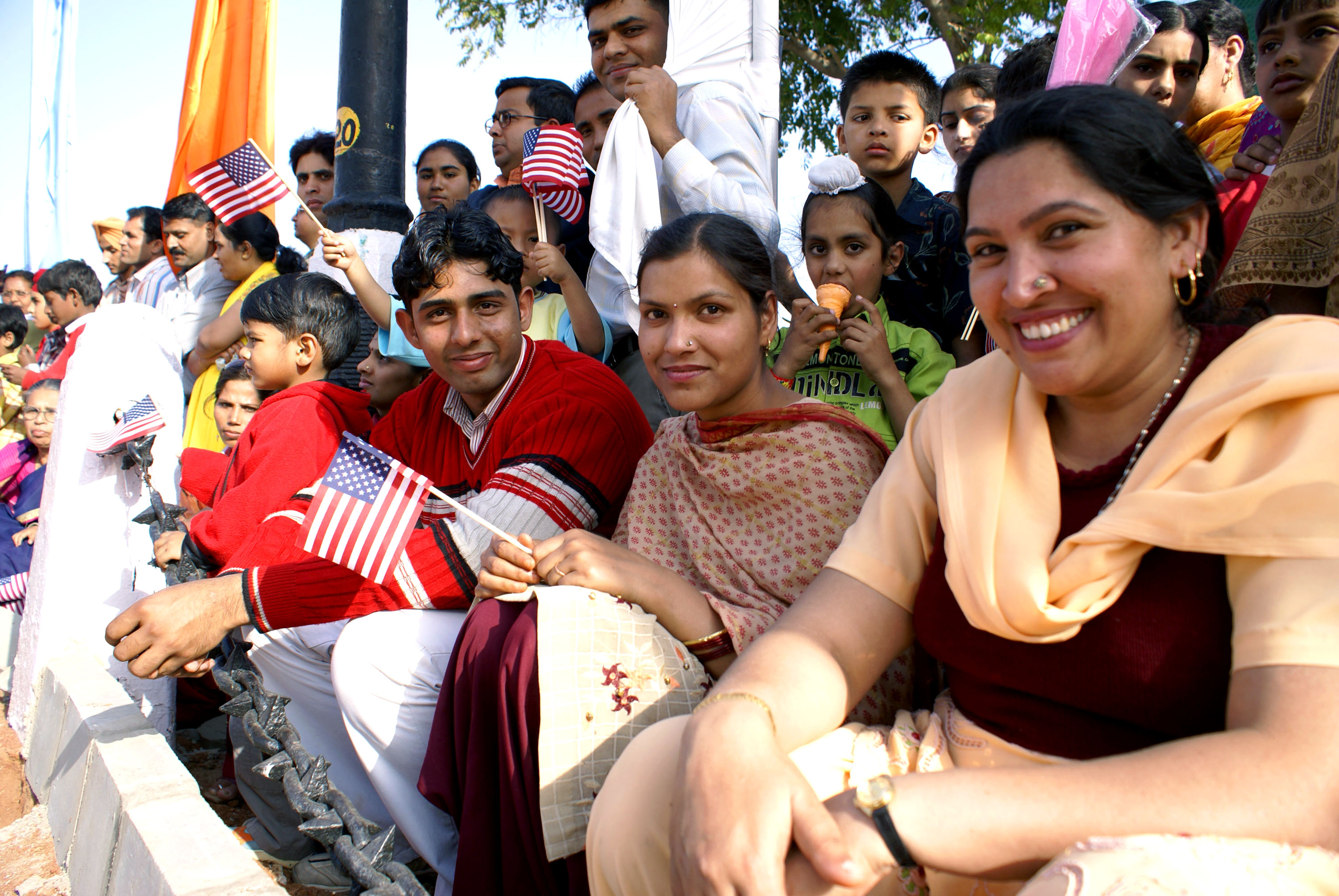 Indian flag waving crowd
Historical Context: Divisive Narratives and National Security Concerns
India’s post‑independence history is dotted with moments when leaders have invoked unity to counter perceived threats. From Jawaharlal Nehru’s “unity in diversity” ethos to the 1998 nuclear tests, the politicisation of national security has often been intertwined with cultural milestones.
In the last decade, the rise of identity‑based politics—whether communal, regional, or linguistic—has created fertile ground for narratives that portray the nation as under siege. The 2020 Citizenship Amendment Act protests, the 2021 farmers’ agitation, and recent border skirmishes have all contributed to a perception among some quarters that India faces both internal and external fissures.
Modi’s Dussehra address taps into this lineage, using a religious festival that traditionally celebrates the victory of righteousness to reinforce a contemporary political agenda. By framing dissenting voices as “attempts to divide,” the speech aligns with a broader strategy of political centralisation that has characterised the BJP’s governance model.
Why the Message Went Viral: Google Trends, Social Media, and Political Stakes
The phrase “fight attempts to divide India” spiked to the top of Google Trends within minutes of the broadcast. Several factors amplified its reach:
- Algorithmic Boost: Major news portals (India Today, The Quint, ABP Live) featured the speech prominently, feeding the algorithmic recommendation loops of Google News and YouTube.
- Hashtag Campaigns: #UnitedIndia and #DefeatTheEnemies trended across X (formerly Twitter) and Instagram, with influencers posting short clips and memes.
- Election Timing: With the 2025 general elections looming, opposition parties and think‑tanks dissected every line, creating a cascade of analytical pieces that further propelled search interest.
- International Echoes: Foreign media outlets quoted the speech, adding a global dimension that attracted diaspora audiences.
The confluence of these dynamics turned a political address into a digital phenomenon, driving both organic and paid traffic to coverage sites.
Reactions Across the Spectrum: From Party Leaders to Civil Society
Government and BJP Cadres
BJP spokespersons hailed the speech as a “clarion call for national solidarity”, emphasizing that the government would enact stricter anti‑terror and anti‑separatist legislation. State ministers announced a series of ‘Unity Workshops’ in schools to promote communal harmony.
Opposition Parties
The Congress and Aam Aadmi Party (AAP) criticised the rhetoric as “divisive in disguise”, arguing that labeling dissent as an “enemy” stifles democratic discourse. They called for a parliamentary debate on the legal implications of the speech.
Civil Society and Academics
Prominent scholars from Jawaharlal Nehru University and the Indian Council of Historical Research warned that “weaponising cultural festivals for political messaging risks eroding the secular fabric of the nation.” Human rights NGOs urged the government to protect minority communities from potential backlash.
International Observers
Foreign policy analysts in the United States and Europe noted a “hardening of India’s narrative on external threats,” interpreting the speech as a signal to adopt a more assertive stance in regional geopolitics, especially concerning China and Pakistan.
Editorial Analysis & Future Outlook
The Dussehra address is more than a festive speech; it is a strategic communication piece designed to consolidate a singular national narrative ahead of a crucial electoral cycle. By coupling cultural symbolism with security rhetoric, Modi seeks to reframe dissent as a national security issue, thereby justifying stricter law‑and‑order measures.
Potential Long‑Term Impacts:
- Policy Shifts – Expect legislative proposals that broaden the definition of “anti‑national activity,” potentially affecting free speech and civil liberties.
- Social Cohesion – While the call for unity may temporarily bolster patriotic sentiment, the underlying us‑vs‑them framing could deepen communal fault lines, especially if used to target specific groups.
- Foreign Relations – A more confrontational tone may harden India’s diplomatic posture, influencing negotiations on trade, border disputes, and multilateral forums.
- Electoral Calculus – The narrative could become a cornerstone of the BJP’s campaign, positioning national security as the primary vote‑winning issue.
Expert Recommendation: Media houses and civil society must maintain critical distance, ensuring that patriotic fervour does not eclipse factual scrutiny. Balanced reporting, fact‑checking, and inclusive dialogues will be essential to prevent the rhetoric from morphing into policy that undermines India’s pluralistic ethos.
In the months ahead, the echoes of Dussehra will reverberate through parliamentary debates, courtroom battles, and street protests. How India negotiates the tension between unity and diversity will determine whether the festive message becomes a unifying force or a catalyst for further division.
This article is based on verified coverage from India Today Top Stories and supplemented by expert analysis.
Original Reporting & Source: India Today Top Stories

Discussion (0)
Sign in to join the discussion.
No comments yet. Be the first to start the conversation!