Umang Sisodia • • 7 min read • 1 view
Houthis Claim New Strikes on Aramco and Airports Amid Saudi Investment Summit Delay
Key Takeaways
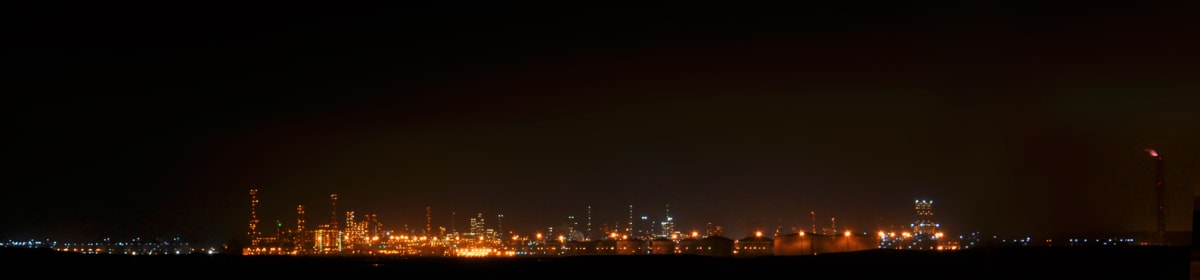
- The Yemen‑based Houthi movement announced missile and drone attacks on Saudi Aramco facilities and major airports, raising security concerns across the Gulf.
- Saudi Arabia postponed its high‑profile investment summit in Riyadh, citing the escalating threat environment and the need to ensure participant safety.
- The strikes underscore the widening geopolitical stakes of the Yemen conflict, with global energy markets and foreign investment now directly in the cross‑hairs.
- Analysts warn that prolonged disruptions could reshape Saudi diversification plans and accelerate regional security collaborations.
The Immediate Flashpoint: Houthi Claims of Strikes
On [date], the Houthi armed movement released a statement claiming they had successfully targeted Saudi Aramco’s processing facilities and Riyadh’s King Khalid International Airport with a combination of ballistic missiles and unmanned aerial vehicles. The group, which has been waging a five‑year war against the Saudi‑UAE coalition in Yemen, framed the attacks as retaliation for what they described as “aggressive economic encroachment” by the kingdom.
"Our forces have struck the heart of the Saudi economy and its aviation arteries," the Houthi spokesperson said, adding that the operations were carried out with “precision weapons supplied by our allies.”
Saudi officials, however, downplayed the operational impact, stating that the Aramco facilities suffered only “minor, non‑critical damage” and that airport operations were temporarily suspended for safety checks. The kingdom’s Ministry of Interior confirmed that security forces were on high alert, and several flights were rerouted to alternate hubs in the region.
Why the Investment Summit Was Postponed
The Saudi Investment Forum, slated for early November in Riyadh, was expected to attract $50‑$70 billion in foreign direct investment (FDI) as part of Crown Prince Mohammed bin Salman's Vision 2030 diversification drive. The summit’s agenda included mega‑projects in renewable energy, tourism, and high‑tech manufacturing.
Following the Houthi claims, Saudi authorities announced a postponement of the event, citing “the prevailing security environment” and the need to protect delegations from potential threats. The decision sent ripples through global markets:
- Energy stocks dipped as analysts feared disruptions to Aramco’s output could affect oil supply.
- Emerging market investors expressed caution, noting the heightened risk of operating in the Gulf.
- Regional allies, including the United Arab Emirates and Bahrain, issued statements of solidarity, promising to bolster joint security mechanisms.
The Broader Context: Yemen Conflict Meets Global Energy
A Prolonged Proxy War
The Houthi insurgency began in 2004, evolving into a full‑scale civil war after the Saudi‑led coalition intervened in 2015 to restore the internationally recognized Yemeni government. Over the years, the Houthis have increasingly targeted Saudi infrastructure, leveraging a growing arsenal of Iran‑supplied missiles and locally modified drones.
Strategic Targeting of Energy Assets
Attacks on Aramco are not new. In 2019, the group claimed responsibility for a drone strike on the Abqaiq oil processing plant, which briefly cut Saudi oil output by 5‑7 %, sending shockwaves through global markets. The current claims, if verified, signal a renewed focus on high‑value economic targets, aiming to leverage economic pressure alongside military objectives.
Implications for Global Energy Security
Saudi Arabia supplies roughly 20 % of the world’s oil, and any sustained disruption can cause price volatility. While the latest strikes appear limited in scope, they reinforce the perception of geopolitical fragility in the Gulf’s energy supply chain. Analysts at Bloomberg and Reuters have already adjusted their risk models, forecasting a potential 1‑2 % upward pressure on Brent crude over the next quarter.
Regional and International Reactions
- United States: The Pentagon’s Central Command issued a statement condemning the attacks and reaffirmed its commitment to Saudi security, while urging the Houthis to cease hostilities.
- Iran: Tehran denied any involvement, calling the allegations “baseless” and urging a diplomatic resolution to the Yemeni crisis.
- European Union: EU foreign policy chief urged “immediate de‑escalation” and highlighted the need for a political solution to the Yemen conflict to safeguard global trade routes.
Economic Fallout: Investment Sentiment in Flux
The postponement of the investment summit has immediate financial repercussions:
- FDI Delays: Projects slated for Q4 2024 may be pushed into 2025, affecting job creation forecasts.
- Currency Pressure: The Saudi riyal experienced modest depreciation against the dollar as investors reassessed risk.
- Sectoral Impact: Tourism and entertainment ventures, a cornerstone of Vision 2030, face uncertainty, potentially slowing the kingdom’s diversification timeline.
What This Means for Saudi Arabia’s Diversification Roadmap
Vision 2030 hinges on reducing oil‑dependency through sectors like renewables, digital economy, and tourism. A sustained security threat could:
- Divert resources toward defense spending, limiting funds for mega‑projects.
- Erode investor confidence, prompting a shift toward more stable markets in Southeast Asia or Europe.
- Accelerate the push for domestic innovation, as the kingdom may prioritize self‑reliance in critical technologies.
 Riyadh King Khalid International Airport runway
The Human Dimension: Yemen’s Ongoing Humanitarian Crisis
Beyond geopolitics, the conflict continues to devastate Yemen’s civilian population. The United Nations estimates over 24 million Yemenis need humanitarian assistance. Each escalation, including missile strikes, compounds the human cost, with infrastructure damage hampering aid deliveries.
Potential Paths Forward: Diplomacy or Escalation?
Diplomatic Channels
- UN‑mediated talks: Renewed negotiations under the Stockholm Initiative could offer a platform for ceasefire discussions.
- Back‑channel diplomacy: Some analysts suggest that Qatar and Oman may serve as intermediaries to de‑escalate tensions.
Military Options
- Enhanced air defenses: Saudi Arabia is reportedly integrating U.S.-made Patriot systems across vulnerable sites.
- Joint coalition strikes: The coalition could intensify operations against Houthi launch sites in northern Yemen.
The Bigger Picture: Shifting Power Dynamics in the Gulf
The incident reflects a broader recalibration of power in the Gulf region. As Iran seeks to expand its influence through proxy groups, Gulf states are compelled to reinforce security alliances and diversify economic dependencies. The outcome of this episode could set precedents for how energy security and geopolitical risk intersect in the coming decade.
Editorial Analysis & Future Outlook
The Houthi claims, whether fully substantiated or not, have already achieved a strategic objective: they have forced Saudi Arabia to pause a flagship economic event, thereby spotlighting the fragility of the kingdom’s diversification agenda. In the short term, we can expect:
- Tightened security protocols at critical infrastructure, potentially slowing operational throughput.
- A cautious recalibration by foreign investors, who may seek risk‑mitigation clauses or insurance premiums for Gulf‑based projects.
- Increased diplomatic activity, as Saudi Arabia leans on its Western allies to counter the Houthi threat.
Looking ahead, the long‑term impact hinges on the ability of regional actors to decouple economic development from security volatility. If Saudi Arabia can successfully bolster its defense architecture while delivering on Vision 2030 milestones, the kingdom may emerge as a more resilient hub for global capital. Conversely, repeated disruptions could re‑orient investment flows toward more stable jurisdictions, slowing the Gulf’s transition away from oil.
Ultimately, the episode underscores a timeless truth in geopolitics: economic ambitions cannot thrive in the shadow of unresolved conflict. The path forward will demand a blend of hard security measures, robust diplomatic engagement, and accelerated domestic innovation to safeguard Saudi Arabia’s economic future.
Original Reporting & Source: India Today Top Stories

Discussion (0)
Sign in to join the discussion.
No comments yet. Be the first to start the conversation!