Umang Sisodia • • 6 min read • 1 view

Why India and the US Are Still Waiting to Announce a Trade Deal – A Deep Dive

Listen to Article
Select a voice and press play
Why India and the US Are Still Waiting to Announce a Trade Deal – A Deep Dive

Key Takeaways

  • Geopolitical shifts and domestic politics in both capitals are the primary brakes on a formal India‑US trade pact.
  • Regulatory mismatches—especially around data, agriculture, and labour standards—remain unresolved.
  • Economic calculations show both sides weighing short‑term concessions against long‑term strategic gains.
  • Future momentum hinges on new leadership dynamics, supply‑chain realignments, and a shared push for Indo‑Pacific security.

The Historical Context of India‑US Trade Relations

The commercial bond between New Delhi and Washington has evolved dramatically since the early 1990s liberalisation in India. Back then, the United States was a key source of technology and investment, while India offered a burgeoning market for American goods. Over the past three decades, trade has swelled from under $10 billion to over $150 billion annually, yet a comprehensive free‑trade agreement (FTA) has remained elusive.

Early Engagements and Missed Opportunities

  • 1992‑1998: Initial talks focused on tariff reductions, but political turbulence in India stalled progress.
  • 2005‑2010: The “Strategic Partnership” era introduced sector‑specific MoUs on services and defence, yet a full‑scale FTA was still off the table.
  • 2016‑2020: Under the Obama‑Modi era, both sides signalled a “new chapter,” but the Trump administration’s “America First” stance pulled the goalpost.

Why the Deal Remains Unannounced in 2024

Despite a flurry of high‑level meetings in 2023, the trade deal has yet to be signed. The reasons are multi‑layered:

1. Divergent Regulatory Frameworks

  • Data localisation: The United States pushes for open data flows, whereas India insists on stringent data‑privacy rules under its Personal Data Protection Bill.
  • Agricultural subsidies: US farm subsidies clash with India’s demand for market access for its wheat, rice, and dairy exports.
  • Labour standards: The US seeks alignment with International Labour Organization (ILO) norms, a politically sensitive topic in Indian states reliant on informal labour.

2. Domestic Political Calculus

  • India: The ruling party must balance pro‑business reforms with the expectations of farmer unions and regional parties that view a US‑centric deal as a threat to domestic agriculture.
  • United States: Mid‑term elections have turned trade policy into a partisan flashpoint; any perceived concession could be weaponised by opposition lawmakers.

3. Strategic Overlays in the Indo‑Pacific

Both nations are converging on a security front—countering China’s maritime assertiveness, joint naval exercises, and the Quad alliance. Yet, trade negotiations are being used as a bargaining chip in broader geopolitical dialogues, adding layers of complexity.

4. Supply‑Chain Realignments Post‑COVID‑19

The pandemic exposed vulnerabilities in global supply chains. While the US seeks to diversify away from China, India is positioning itself as an alternative manufacturing hub. However, gaps in infrastructure, logistics, and standards mean that a rapid trade pact could expose both economies to short‑term disruptions.
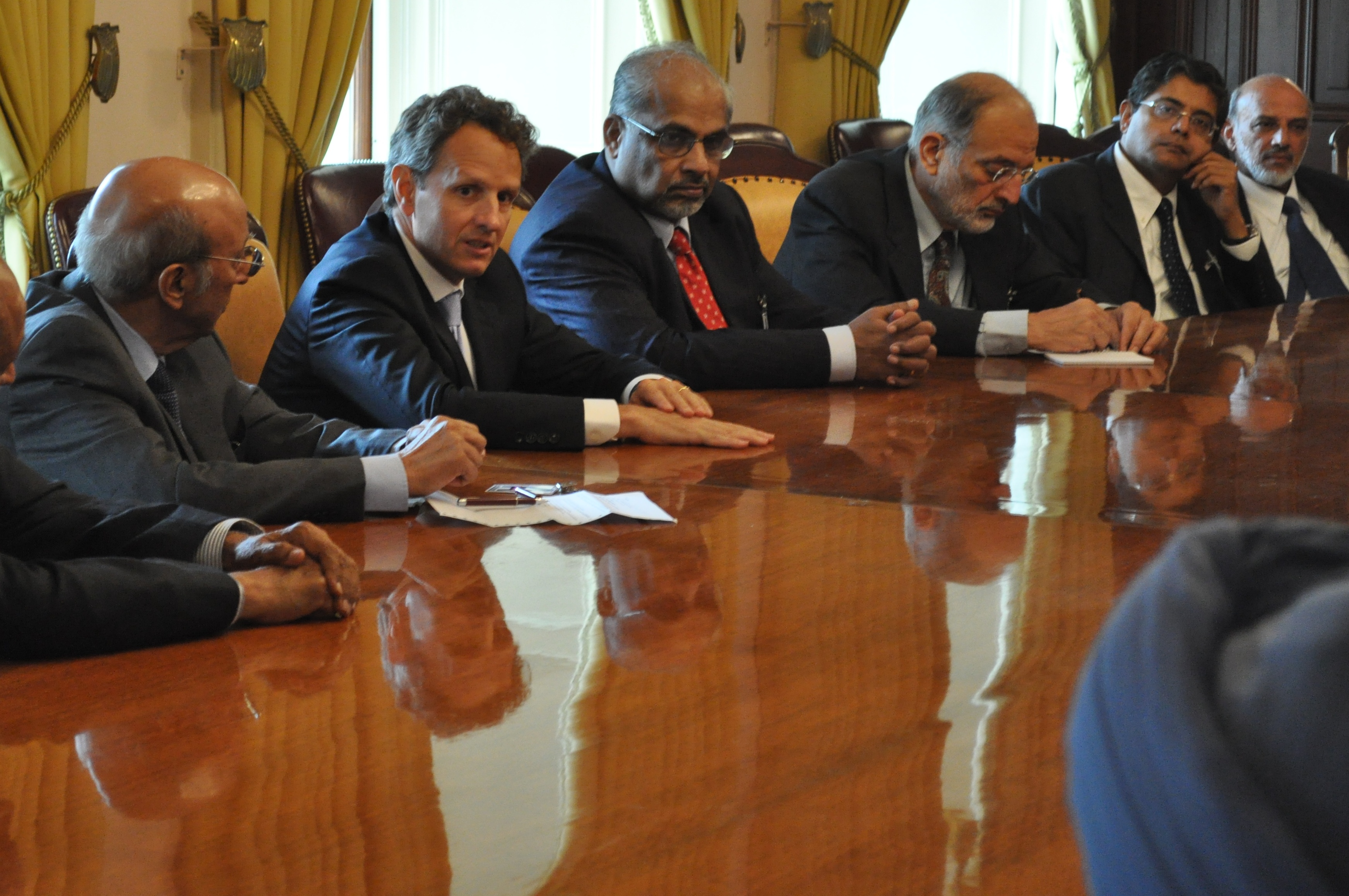
India US bilateral meeting conference room India US bilateral meeting conference room

The Current Negotiation Landscape

In early 2024, senior officials from the U.S. Trade Representative’s office and India’s Ministry of Commerce convened in Washington for a three‑day summit. The agenda covered:

  • Tariff reductions on select consumer goods.
  • Intellectual property protections for pharmaceuticals and biotech.
  • Digital trade rules, especially around cloud services and AI.
  • Investment facilitation mechanisms for US firms in Indian renewable energy.

While progress was reported on the digital and investment chapters, agricultural and labour sections remain stuck. Sources close to the negotiations say that the US is reluctant to lower its dairy tariffs without a reciprocal opening for Indian dairy producers, a sector that is heavily regulated in the United States.

What the Media and Analysts Are Saying

“The trade deal is less about economics and more about signalling a strategic partnership that can counterbalance China’s influence,” – Senior Fellow, Brookings Institution.

  • Indian business houses like Tata and Reliance are lobbying for faster clearance, citing the need for stable policy certainty to attract US capital.
  • US chambers of commerce argue that the delay costs $10‑15 billion in missed opportunities annually.
  • Think‑tanks warn that without clear rules on digital data flows, the two economies could fall into a new kind of protectionism reminiscent of the early 2000s.

Potential Scenarios Moving Forward

Scenario Likelihood Key Implications
Full FTA signed by 2025 Moderate Accelerated US investment in Indian tech, but domestic backlash in India over agriculture.
Partial agreement (digital & services only) High Immediate boost in services trade; agriculture remains a sticking point, delaying a comprehensive pact.
Stalemate continues Low to Moderate Both sides pursue bilateral sectoral deals; strategic cooperation may outpace economic integration.

The Role of Civil Society and Public Opinion

Grassroots movements in India, especially farmer unions, have organised protests against any perceived erosion of agricultural sovereignty. In the US, consumer groups are demanding stronger environmental clauses in trade agreements, reflecting a growing green trade narrative. These societal pressures shape the negotiating room, forcing policymakers to incorporate safeguard clauses that could further prolong the finalisation.

Looking Ahead: The Strategic Imperative

Even without a headline‑making agreement, the trajectory of India‑US economic ties is upward. Both nations are investing in joint ventures in renewable energy, semiconductor manufacturing, and digital infrastructure. A formal trade pact would cement these collaborations, providing a legal framework that reduces uncertainty for multinational corporations.

Editorial Analysis & Future Outlook

The lingering delay in announcing a comprehensive India‑US trade deal is a symptom of a new era of geopolitically‑infused economics. While tariffs and market access remain vital, the real battle is over data sovereignty, standards alignment, and strategic autonomy. As the Indo‑Pacific theatre becomes the focal point of global power competition, both New Delhi and Washington will likely use trade as a lever to cement broader security ties.

In the short term, we can expect incremental progress—particularly in the digital services and clean‑energy sectors—driven by corporate lobbying and mutual strategic interests. However, any full‑scale agreement will require political will to overcome domestic constituencies resistant to perceived concessions.

Long‑term impact: A successfully negotiated trade pact could transform the global supply‑chain map, positioning India as the primary alternative to China for US manufacturers. It would also set a precedent for rules‑based trade that incorporates climate and digital norms, potentially reshaping WTO negotiations for the next decade.

Stakeholders should watch for leadership changes, upcoming budget sessions in both countries, and the next round of Quad summits, as these events are likely to catalyse the final breakthrough.


Original Reporting & Source: India Today Top Stories

Discussion (0)

Sign in to join the discussion.

No comments yet. Be the first to start the conversation!

| |

Why India and the US Are Still Waiting to Announce a Trade Deal – A Deep Dive

By Umang Sisodia • 6 min read • 1 view

Key Takeaways

  • Geopolitical shifts and domestic politics in both capitals are the primary brakes on a formal India‑US trade pact.
  • Regulatory mismatches—especially around data, agriculture, and labour standards—remain unresolved.
  • Economic calculations show both sides weighing short‑term concessions against long‑term strategic gains.
  • Future momentum hinges on new leadership dynamics, supply‑chain realignments, and a shared push for Indo‑Pacific security.

The Historical Context of India‑US Trade Relations

The commercial bond between New Delhi and Washington has evolved dramatically since the early 1990s liberalisation in India. Back then, the United States was a key source of technology and investment, while India offered a burgeoning market for American goods. Over the past three decades, trade has swelled from under $10 billion to over $150 billion annually, yet a comprehensive free‑trade agreement (FTA) has remained elusive.

Early Engagements and Missed Opportunities

  • 1992‑1998: Initial talks focused on tariff reductions, but political turbulence in India stalled progress.
  • 2005‑2010: The “Strategic Partnership” era introduced sector‑specific MoUs on services and defence, yet a full‑scale FTA was still off the table.
  • 2016‑2020: Under the Obama‑Modi era, both sides signalled a “new chapter,” but the Trump administration’s “America First” stance pulled the goalpost.

Why the Deal Remains Unannounced in 2024

Despite a flurry of high‑level meetings in 2023, the trade deal has yet to be signed. The reasons are multi‑layered:

1. Divergent Regulatory Frameworks

  • Data localisation: The United States pushes for open data flows, whereas India insists on stringent data‑privacy rules under its Personal Data Protection Bill.
  • Agricultural subsidies: US farm subsidies clash with India’s demand for market access for its wheat, rice, and dairy exports.
  • Labour standards: The US seeks alignment with International Labour Organization (ILO) norms, a politically sensitive topic in Indian states reliant on informal labour.

2. Domestic Political Calculus

  • India: The ruling party must balance pro‑business reforms with the expectations of farmer unions and regional parties that view a US‑centric deal as a threat to domestic agriculture.
  • United States: Mid‑term elections have turned trade policy into a partisan flashpoint; any perceived concession could be weaponised by opposition lawmakers.

3. Strategic Overlays in the Indo‑Pacific

Both nations are converging on a security front—countering China’s maritime assertiveness, joint naval exercises, and the Quad alliance. Yet, trade negotiations are being used as a bargaining chip in broader geopolitical dialogues, adding layers of complexity.

4. Supply‑Chain Realignments Post‑COVID‑19

The pandemic exposed vulnerabilities in global supply chains. While the US seeks to diversify away from China, India is positioning itself as an alternative manufacturing hub. However, gaps in infrastructure, logistics, and standards mean that a rapid trade pact could expose both economies to short‑term disruptions.

India US bilateral meeting conference room India US bilateral meeting conference room

The Current Negotiation Landscape

In early 2024, senior officials from the U.S. Trade Representative’s office and India’s Ministry of Commerce convened in Washington for a three‑day summit. The agenda covered:

  • Tariff reductions on select consumer goods.
  • Intellectual property protections for pharmaceuticals and biotech.
  • Digital trade rules, especially around cloud services and AI.
  • Investment facilitation mechanisms for US firms in Indian renewable energy.

While progress was reported on the digital and investment chapters, agricultural and labour sections remain stuck. Sources close to the negotiations say that the US is reluctant to lower its dairy tariffs without a reciprocal opening for Indian dairy producers, a sector that is heavily regulated in the United States.

What the Media and Analysts Are Saying

“The trade deal is less about economics and more about signalling a strategic partnership that can counterbalance China’s influence,” – Senior Fellow, Brookings Institution.

  • Indian business houses like Tata and Reliance are lobbying for faster clearance, citing the need for stable policy certainty to attract US capital.
  • US chambers of commerce argue that the delay costs $10‑15 billion in missed opportunities annually.
  • Think‑tanks warn that without clear rules on digital data flows, the two economies could fall into a new kind of protectionism reminiscent of the early 2000s.

Potential Scenarios Moving Forward

Scenario Likelihood Key Implications
Full FTA signed by 2025 Moderate Accelerated US investment in Indian tech, but domestic backlash in India over agriculture.
Partial agreement (digital & services only) High Immediate boost in services trade; agriculture remains a sticking point, delaying a comprehensive pact.
Stalemate continues Low to Moderate Both sides pursue bilateral sectoral deals; strategic cooperation may outpace economic integration.

The Role of Civil Society and Public Opinion

Grassroots movements in India, especially farmer unions, have organised protests against any perceived erosion of agricultural sovereignty. In the US, consumer groups are demanding stronger environmental clauses in trade agreements, reflecting a growing green trade narrative. These societal pressures shape the negotiating room, forcing policymakers to incorporate safeguard clauses that could further prolong the finalisation.

Looking Ahead: The Strategic Imperative

Even without a headline‑making agreement, the trajectory of India‑US economic ties is upward. Both nations are investing in joint ventures in renewable energy, semiconductor manufacturing, and digital infrastructure. A formal trade pact would cement these collaborations, providing a legal framework that reduces uncertainty for multinational corporations.

Editorial Analysis & Future Outlook

The lingering delay in announcing a comprehensive India‑US trade deal is a symptom of a new era of geopolitically‑infused economics. While tariffs and market access remain vital, the real battle is over data sovereignty, standards alignment, and strategic autonomy. As the Indo‑Pacific theatre becomes the focal point of global power competition, both New Delhi and Washington will likely use trade as a lever to cement broader security ties.

In the short term, we can expect incremental progress—particularly in the digital services and clean‑energy sectors—driven by corporate lobbying and mutual strategic interests. However, any full‑scale agreement will require political will to overcome domestic constituencies resistant to perceived concessions.

Long‑term impact: A successfully negotiated trade pact could transform the global supply‑chain map, positioning India as the primary alternative to China for US manufacturers. It would also set a precedent for rules‑based trade that incorporates climate and digital norms, potentially reshaping WTO negotiations for the next decade.

Stakeholders should watch for leadership changes, upcoming budget sessions in both countries, and the next round of Quad summits, as these events are likely to catalyse the final breakthrough.


Original Reporting & Source: India Today Top Stories