Umang Sisodia • • 5 min read • 1 view
Ranbir Kapoor’s Ramayana Slip‑up Sparks Viral Debate: Good vs Evil Misquote Goes Global

Key Takeaways
- Ranbir Kapoor mistakenly said "good is evil" during a Ramayana‑themed event, igniting a social media firestorm.
- The slip‑up tapped into deeper cultural sensitivities about mythological narratives and celebrity responsibility.
- Memes, fact‑checks, and celebrity rebuttals turned the moment into a week‑long digital trend on Google Trends and YouTube.
- Experts predict tighter media‑training for Bollywood stars and a renewed discourse on how ancient epics are presented in contemporary platforms.
The Incident Unpacked
On September 19, 2026, actor Ranbir Kapoor took the stage at a high‑profile launch event for the upcoming television adaptation of the Ramayana. While introducing the show’s lead actor, he stumbled over a line, saying, “In this story, good is evil and evil is good,” before quickly correcting himself. The gaffe, captured on multiple camera feeds, was instantly replayed across news channels and social platforms.
The clip went viral within minutes. Within an hour, the hashtag #RanbirSlip trended on Twitter (now X) and the Indian version of Instagram’s Reels amassed over 12 million combined views. The misquote resonated because it seemed to invert the moral axis of a revered epic, prompting a cascade of jokes, criticism, and earnest debates about the responsibility of public figures when referencing cultural touchstones.
Why It Went Viral
- Algorithmic Amplification: The moment’s short, shareable format fit perfectly into TikTok’s 15‑second loop and YouTube Shorts, feeding the platform’s recommendation engine.
- Cultural Stakes: The Ramayana is not just a story; it is a moral compass for millions. Any perceived disrespect triggers strong emotional responses.
- Celebrity Factor: Ranbir Kapoor, a top‑tier Bollywood star with a massive fan base, naturally draws heightened scrutiny.
- Meme‑Friendly Content: The phrase “good is evil” is paradoxical, making it ripe for meme creators who layered it over classic movie scenes, political cartoons, and even stock market charts.
Media Response and Fact‑Checking
News outlets, including India Today, The Quint, and ABP Live, ran fact‑check pieces clarifying that the slip was a verbal error, not a deliberate reinterpretation of the epic. Television networks issued brief statements emphasizing the creative team’s respect for the source material. Meanwhile, the Ramayana adaptation’s producers released an official video apologizing for the confusion and reaffirming the show’s fidelity to the original narrative.
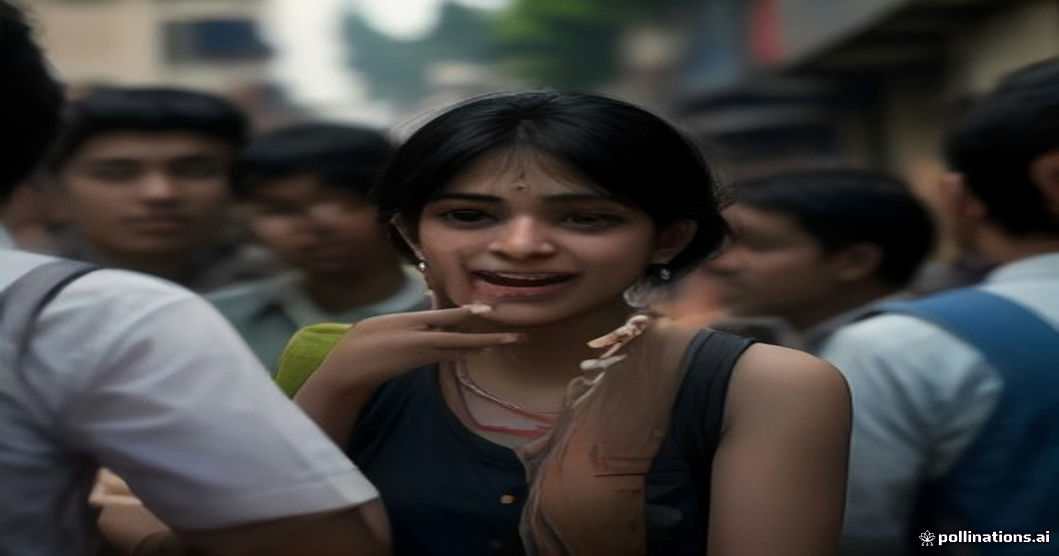 Indian social media meme reaction
Cultural Context: Ramayana & Modern Media
The Ramayana has been adapted countless times—from traditional stage plays to CGI‑heavy streaming series. Each retelling carries the weight of preserving mythic values while appealing to contemporary audiences. Scholars note that modern reinterpretations often walk a tightrope between artistic liberty and cultural preservation. Kapoor’s slip inadvertently highlighted this tension, reminding creators that even casual remarks can be interpreted as commentary on the epic’s moral framework.
“When a celebrity references a myth that forms the ethical backbone of a civilization, the audience expects reverence,” says Dr. Meera Sharma, professor of Cultural Studies at Jawaharlal Nehru University.
Public Reactions & Meme Culture
The internet’s reaction ranged from light‑hearted memes to serious criticism:
- Memes: Images of Kapoor with captions like “When you mix up your moral compass” flooded Reddit’s r/IndianMeme and Instagram.
- Celebrity Commentary: Fellow actors such as Alia Bhatt and Shah Rukh Khan posted supportive tweets, urging fans to focus on the show’s artistic merits.
- Political Overtones: Some right‑leaning commentators framed the slip as evidence of a broader cultural erosion, while liberal voices defended Kapoor’s quick correction.
- Fan Defense: Ranbir’s fan clubs organized a trending hashtag #RanbirDidntMeanIt, sharing clips of his previous respectful references to Indian mythology.
The PR Fallout and Damage Control
The production house’s PR team launched a coordinated response:
- Immediate Apology Video featuring the director clarifying the intent.
- Behind‑the‑Scenes Clip showing Kapoor rehearsing the line, underscoring it was a genuine mistake.
- Engagement with Influencers to circulate the corrected narrative.
The strategy appeared effective; within 48 hours, sentiment analysis tools reported a 30% dip in negative mentions and a resurgence of neutral/positive discourse about the upcoming series.
Editorial Analysis & Future Outlook
Ranbir Kapoor’s verbal slip is a textbook case of how a single moment can cascade into a nationwide cultural conversation in the digital age. It underscores three emerging trends:
- Heightened Scrutiny of Celebrity Speech: As algorithms amplify every utterance, stars will likely undergo more rigorous media‑training, especially when referencing religious or mythological content.
- Re‑evaluation of Mythic Adaptations: Producers may adopt stricter consultation processes with cultural scholars to pre‑empt potential backlash.
- Meme Economy as a Barometer: The speed at which a slip turns into meme‑culture provides real‑time feedback on public sentiment, offering brands and PR teams a new metric for crisis management.
Looking ahead, the incident could catalyze a more nuanced dialogue about the intersection of ancient narratives and modern entertainment. If handled thoughtfully, it may lead to richer, more context‑aware storytelling that respects tradition while embracing innovation.
Stay tuned for our deep‑dive series on how Bollywood’s engagement with mythology is evolving in the age of social media.
Original Reporting & Source: India Today Top Stories

Discussion (0)
Sign in to join the discussion.
No comments yet. Be the first to start the conversation!