Umang Sisodia • • 5 min read • 1 view
Putin Signals November Peace Talks as Trump Ramps Up Pressure on Kyiv
Key Takeaways
- Vladimir Putin has pledged to restart Ukraine peace negotiations in November, marking a rare diplomatic opening.
- Former U.S. President Donald Trump is intensifying political pressure on Kyiv, urging a settlement that aligns with his broader foreign‑policy agenda.
- Analysts warn that the timing reflects a complex blend of Russian military calculus, U.S. election dynamics, and European fatigue.
- The next few months could reshape the war's trajectory, influencing global energy markets, NATO cohesion, and the future of post‑Soviet geopolitics.
The Announcement: Putin’s Shift in Tone
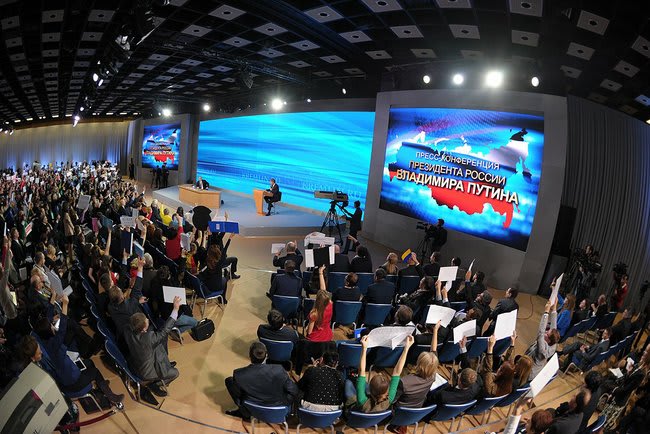
In a televised address on October 30, 2024, Russian President Vladimir Putin declared that Moscow would be ready to resume formal peace talks with Kyiv starting in November. The statement broke a pattern of relentless rhetoric that had dominated Russian messaging since the invasion began in February 2022. While the Kremlin stopped short of outlining concrete terms, the very act of signaling a willingness to negotiate has sent ripples across diplomatic corridors worldwide.
"We are prepared to discuss a political solution that respects the interests of both Russia and Ukraine," Putin told the nation, a line that analysts immediately parsed for hidden concessions.
The announcement coincides with a noticeable slowdown on the battlefield: Russian forces have faced logistical setbacks, and Ukrainian counter‑offensives have reclaimed key territories in the east. Yet, the Kremlin’s overture appears less about battlefield realities and more about strategic positioning ahead of the looming U.S. presidential election and the end‑of‑year diplomatic calendar.
Why Trump’s Pressure Matters: US Domestic Politics and Ukraine
Donald Trump, who announced his candidacy for the 2024 election earlier this year, has taken a markedly different stance on the Ukraine war compared to his predecessor. In a series of rallies and media interviews, Trump has urged Kyiv to accept a settlement that would ostensibly end U.S. financial aid and military support. His narrative frames the conflict as a costly foreign entanglement that distracts from American priorities.
Trump’s pressure matters for three reasons:
- Electoral Leverage – By positioning himself as the candidate who will end “endless wars,” Trump taps into voter fatigue and aims to sway swing‑state voters.
- Policy Influence – Even without holding office, Trump’s statements shape Republican congressional leaders, who control significant portions of the foreign‑aid budget.
- Signal to Moscow – A U.S. administration that appears divided on Ukraine weakens NATO’s collective bargaining power, potentially emboldening Moscow to push harder in negotiations.
Geopolitical Calculus: What Resuming Talks Means for Kyiv and Moscow
The prospect of November talks raises several strategic questions:
- Territorial Concessions – Will Ukraine be asked to cede the Donbas region or recognize the annexation of Crimea? Such demands have historically been non‑negotiable for Kyiv.
- Security Guarantees – Russia may seek a formal pledge that NATO will halt eastward expansion, a point that NATO officials have repeatedly dismissed.
- Sanctions Relief – A negotiated settlement could pave the way for partial lifting of Western sanctions, a primary economic incentive for Moscow.
For Kyiv, the calculus is equally fraught. President Volodymyr Zelenskyy has built a narrative of resilience and sovereignty that hinges on continued Western support. Any perceived compromise could erode domestic legitimacy and embolden separatist factions within Ukraine.
Reactions Across the Globe
European capitals responded with cautious optimism. German Chancellor Olaf Scholz called the announcement a “potential window for diplomacy,” while French President Emmanuel Macron emphasized the need for “a balanced approach that safeguards Ukrainian sovereignty.”
Conversely, hard‑line elements within Russia’s security apparatus, notably the FSB, warned against “premature concessions” that could undermine national pride. In Beijing, state media framed the development as evidence of the West’s “declining influence,” subtly aligning with Moscow’s narrative.
 Kyiv cityscape war damage
The Road Ahead: Negotiation Dynamics and Potential Pitfalls
Several practical hurdles loom:
- Mediation Channels – Turkey, Switzerland, and the United Nations have all offered to host talks, but choosing a neutral venue will be a diplomatic tug‑of‑war.
- Verification Mechanisms – Any ceasefire or troop withdrawal would require robust monitoring, likely under the auspices of the OSCE, which has struggled with access in contested zones.
- Domestic Backlash – Both Russian and Ukrainian publics remain deeply polarized. Protest movements could erupt if perceived compromises betray national interests.
Moreover, the energy dimension cannot be ignored. Europe’s reliance on Russian gas has already been curtailed through alternative supplies, yet a negotiated settlement could unlock new pipelines, reshaping the continent’s energy landscape.
Editorial Analysis & Future Outlook
The convergence of Putin’s November overture and Trump’s heightened pressure on Kyiv signals a new diplomatic inflection point in the Ukraine conflict. While the rhetoric suggests a move toward dialogue, the underlying motivations remain rooted in power politics rather than humanitarian concern.
If talks commence as announced, the short‑term outcome may be a fragile ceasefire that eases immediate humanitarian suffering but leaves core disputes unresolved. In the medium term, a settlement could recalibrate NATO’s strategic posture, potentially leading to a more restrained alliance focus on the Indo‑Pacific.
Long‑term, the episode may redefine how great‑power elections intersect with conflict resolution. Trump’s leverage demonstrates that domestic political cycles can directly influence international negotiations, a trend likely to repeat as other electoral democracies confront protracted wars.
For Ukraine, the challenge will be to extract tangible security guarantees without sacrificing territorial integrity—a balancing act that will test Zelenskyy’s diplomatic acumen. For Russia, the opportunity lies in sanctions relief and a chance to solidify gains without further bloodshed, albeit at the risk of internal dissent.
In sum, the November talks could either be a stepping stone toward a sustainable peace or a temporary pause before renewed hostilities. The world will be watching closely, as the outcome will reverberate across energy markets, defense spending, and the broader architecture of post‑Cold‑War Europe.
Original Reporting & Source: ABP Live Top News

Discussion (0)
Sign in to join the discussion.
No comments yet. Be the first to start the conversation!