Umang Sisodia • • 5 min read • 1 view

PM Kisan Samman Nidhi: Features, Eligibility, 24th Installment & Its Growing Impact on Indian Farmers
Listen to Article
Select a voice and press play
PM Kisan Samman Nidhi: Features, Eligibility, 24th Installment & Its Growing Impact on Indian Farmers

Key Takeaways

  • PM Kisan has disbursed its 24th instalment of ₹2,000 to over 12 crore eligible farmers, reinforcing the government’s commitment to rural income support.
  • Eligibility hinges on landholding (≤ 2 acres), absence of other income‑support schemes, and a valid Aadhaar‑linked bank account.
  • The scheme’s impact is evident in reduced cash‑flow stress during sowing, but challenges remain around awareness, bank delays, and data mismatches.
  • Future phases may integrate digital agritech services, creating a more holistic safety net for the farming community.

What is PM Kisan Samman Nidhi?

The Pradhan Mantri Kisan Samman Nidhi (PM‑Kisan) is a central‑government initiative launched in 2019 to provide direct cash assistance of ₹6,000 per year to small and marginal farmers across India. The amount is transferred in three equal instalments of ₹2,000 each, directly into the beneficiary’s bank account via the Direct Benefit Transfer (DBT) mechanism.

"The goal is simple: put money in the farmer’s hand when it is needed most, without any middle‑man."

The scheme is administered by the Ministry of Agriculture & Farmers’ Welfare, with state governments facilitating the verification of land records and bank details.


Features & Eligibility

Core Features

  • Universal Coverage: All eligible farmers, irrespective of the state they reside in, receive the benefit.
  • Direct Transfer: Payments are credited directly to the Aadhaar‑linked bank account, eliminating leakages.
  • Three‑Installment Model: Disbursed in June, September, and December, aligning with the agricultural calendar.

Eligibility Criteria

Criterion Requirement
Landholding Up to 2 acres of cultivated land (as per land records).
Income Support Overlap Not a beneficiary of PM‑Mann, PM‑RYT, PM‑GRDP, or other central cash‑transfer schemes.
Bank Account Must have a valid bank account linked to Aadhaar.
Residency Indian citizen, resident of India.
Age No specific age limit; the landowner’s name appears on the land record.

Farmers can register or update their details on the PM‑Kisan portal (pmkisan.gov.in) or through the UMANG app. The portal also provides a payment status checker, which became especially popular during the 24th instalment rollout.


24th Instalment: How to Check Payment Status Online

The 24th instalment was announced in December 2023 and rolled out in early January 2024. Over 12.5 crore beneficiaries were slated to receive ₹2,000 each.

Step‑by‑Step Guide

  1. Visit the official portal – https://pmkisan.gov.in.
  2. Click on “Check Payment Status”.
  3. Enter Aadhaar number or Kisan Samman Nidhi (KSN) ID.
  4. Click Submit; the portal displays the transaction reference number, date of credit, and bank details.
  5. Alternatively, use the UMANG app or SMS service (by sending “PMKISAN  AADHAAR” to 5676787).

Common Issues & Resolutions

  • Bank Account Not Linked: Farmers must update their bank details via the portal or visit the nearest bank branch.
  • Aadhaar Mismatch: Ensure the Aadhaar number matches the one used during registration; a simple typo can block the credit.
  • Delayed Credit: Payments may take 48‑72 hours after the official release date due to bank processing.

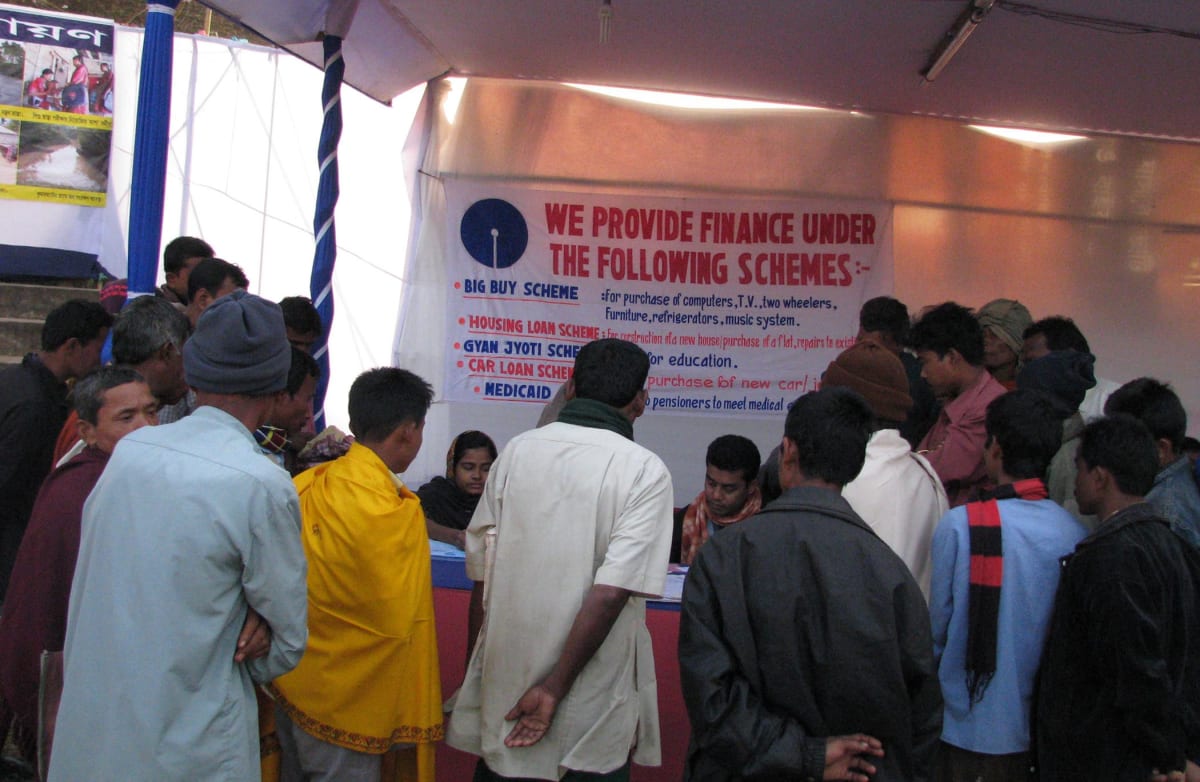
Village bank teller processing DBT Village bank teller processing DBT


Impact on Indian Farmers: Economic and Social Dimensions

Economic Relief

  • Cash‑Flow Timing: The December instalment aligns with the post‑harvest period, helping farmers repay loans and purchase inputs for the next crop cycle.
  • Reduced Debt Burden: Preliminary data from the National Sample Survey Office (NSSO) suggests a 4‑5% dip in short‑term borrowing among beneficiary households.
  • Spill‑over Effects: Rural markets report a modest uptick in agricultural input sales and local consumer spending following each instalment.

Social Benefits

  • Women Empowerment: Approximately 30% of beneficiaries are women, as the scheme allows the head of the family (often a female) to receive payments directly.
  • Digital Inclusion: The requirement of an Aadhaar‑linked bank account has accelerated financial literacy initiatives in villages.
  • Psychological Security: Regular cash inflow reduces anxiety during crop‑failure years, fostering a sense of government support.

Challenges & Criticisms

  1. Data Gaps: In several states, land‑record digitisation is incomplete, leading to eligible farmers being excluded.
  2. Banking Delays: Rural bank branches often face technical glitches, causing payment lags.
  3. Awareness Deficit: A survey by the Indian Council of Agricultural Research (ICAR) indicated that 15% of eligible farmers were unaware of the instalment dates.
  4. Overlap with State Schemes: Some states have their own crop‑insurance or subsidy programmes, creating confusion about eligibility.

Government Response

  • Data Clean‑Up Drives: The Ministry has launched a ‘Land Record Harmonisation Mission’ in collaboration with state revenue departments.
  • Banking Partnerships: Partnerships with private banks and fintech firms aim to streamline DBT processing.
  • Awareness Campaigns: Radio jingles, village‑level ‘Kisan Melas’, and WhatsApp alerts are being used to spread information.

Editorial Analysis & Future Outlook

The PM‑Kisan Samman Nidhi has evolved from a pure cash‑transfer model to a potential platform for integrated rural services. Its success hinges on three pillars:

  1. Data Integrity – Accurate land‑record digitisation will ensure zero‑exclusion and enable targeted interventions.
  2. Technology Integration – Leveraging mobile wallets, USSD banking, and AI‑driven grievance redressal can cut down transaction latency.
  3. Policy Synergy – Aligning PM‑Kisan with e‑NAM (National Agriculture Market), soil‑health cards, and crop‑insurance can transform the scheme into a holistic agrarian safety net.

Looking ahead, the government is likely to pilot a ‘Kisan Digital Hub’ that bundles cash assistance with weather forecasts, market price alerts, and extension services. If executed well, PM‑Kisan could become the backbone of India’s ‘farm‑first’ agenda, reducing rural distress and fostering a more resilient agricultural sector.


Stay tuned for updates on the upcoming 25th instalment and the rollout of digital agritech services under the PM‑Kisan umbrella.


Original Reporting & Source: Google Trends (India)

Discussion (0)

Sign in to join the discussion.

No comments yet. Be the first to start the conversation!

| |

PM Kisan Samman Nidhi: Features, Eligibility, 24th Installment & Its Growing Impact on Indian Farmers

By Umang Sisodia • 5 min read • 1 view

Key Takeaways

  • PM Kisan has disbursed its 24th instalment of ₹2,000 to over 12 crore eligible farmers, reinforcing the government’s commitment to rural income support.
  • Eligibility hinges on landholding (≤ 2 acres), absence of other income‑support schemes, and a valid Aadhaar‑linked bank account.
  • The scheme’s impact is evident in reduced cash‑flow stress during sowing, but challenges remain around awareness, bank delays, and data mismatches.
  • Future phases may integrate digital agritech services, creating a more holistic safety net for the farming community.

What is PM Kisan Samman Nidhi?

The Pradhan Mantri Kisan Samman Nidhi (PM‑Kisan) is a central‑government initiative launched in 2019 to provide direct cash assistance of ₹6,000 per year to small and marginal farmers across India. The amount is transferred in three equal instalments of ₹2,000 each, directly into the beneficiary’s bank account via the Direct Benefit Transfer (DBT) mechanism.

"The goal is simple: put money in the farmer’s hand when it is needed most, without any middle‑man."

The scheme is administered by the Ministry of Agriculture & Farmers’ Welfare, with state governments facilitating the verification of land records and bank details.


Features & Eligibility

Core Features

  • Universal Coverage: All eligible farmers, irrespective of the state they reside in, receive the benefit.
  • Direct Transfer: Payments are credited directly to the Aadhaar‑linked bank account, eliminating leakages.
  • Three‑Installment Model: Disbursed in June, September, and December, aligning with the agricultural calendar.

Eligibility Criteria

Criterion Requirement
Landholding Up to 2 acres of cultivated land (as per land records).
Income Support Overlap Not a beneficiary of PM‑Mann, PM‑RYT, PM‑GRDP, or other central cash‑transfer schemes.
Bank Account Must have a valid bank account linked to Aadhaar.
Residency Indian citizen, resident of India.
Age No specific age limit; the landowner’s name appears on the land record.

Farmers can register or update their details on the PM‑Kisan portal (pmkisan.gov.in) or through the UMANG app. The portal also provides a payment status checker, which became especially popular during the 24th instalment rollout.


24th Instalment: How to Check Payment Status Online

The 24th instalment was announced in December 2023 and rolled out in early January 2024. Over 12.5 crore beneficiaries were slated to receive ₹2,000 each.

Step‑by‑Step Guide

  1. Visit the official portal – https://pmkisan.gov.in.
  2. Click on “Check Payment Status”.
  3. Enter Aadhaar number or Kisan Samman Nidhi (KSN) ID.
  4. Click Submit; the portal displays the transaction reference number, date of credit, and bank details.
  5. Alternatively, use the UMANG app or SMS service (by sending “PMKISAN  AADHAAR” to 5676787).

Common Issues & Resolutions

  • Bank Account Not Linked: Farmers must update their bank details via the portal or visit the nearest bank branch.
  • Aadhaar Mismatch: Ensure the Aadhaar number matches the one used during registration; a simple typo can block the credit.
  • Delayed Credit: Payments may take 48‑72 hours after the official release date due to bank processing.

Village bank teller processing DBT Village bank teller processing DBT


Impact on Indian Farmers: Economic and Social Dimensions

Economic Relief

  • Cash‑Flow Timing: The December instalment aligns with the post‑harvest period, helping farmers repay loans and purchase inputs for the next crop cycle.
  • Reduced Debt Burden: Preliminary data from the National Sample Survey Office (NSSO) suggests a 4‑5% dip in short‑term borrowing among beneficiary households.
  • Spill‑over Effects: Rural markets report a modest uptick in agricultural input sales and local consumer spending following each instalment.

Social Benefits

  • Women Empowerment: Approximately 30% of beneficiaries are women, as the scheme allows the head of the family (often a female) to receive payments directly.
  • Digital Inclusion: The requirement of an Aadhaar‑linked bank account has accelerated financial literacy initiatives in villages.
  • Psychological Security: Regular cash inflow reduces anxiety during crop‑failure years, fostering a sense of government support.

Challenges & Criticisms

  1. Data Gaps: In several states, land‑record digitisation is incomplete, leading to eligible farmers being excluded.
  2. Banking Delays: Rural bank branches often face technical glitches, causing payment lags.
  3. Awareness Deficit: A survey by the Indian Council of Agricultural Research (ICAR) indicated that 15% of eligible farmers were unaware of the instalment dates.
  4. Overlap with State Schemes: Some states have their own crop‑insurance or subsidy programmes, creating confusion about eligibility.

Government Response

  • Data Clean‑Up Drives: The Ministry has launched a ‘Land Record Harmonisation Mission’ in collaboration with state revenue departments.
  • Banking Partnerships: Partnerships with private banks and fintech firms aim to streamline DBT processing.
  • Awareness Campaigns: Radio jingles, village‑level ‘Kisan Melas’, and WhatsApp alerts are being used to spread information.

Editorial Analysis & Future Outlook

The PM‑Kisan Samman Nidhi has evolved from a pure cash‑transfer model to a potential platform for integrated rural services. Its success hinges on three pillars:

  1. Data Integrity – Accurate land‑record digitisation will ensure zero‑exclusion and enable targeted interventions.
  2. Technology Integration – Leveraging mobile wallets, USSD banking, and AI‑driven grievance redressal can cut down transaction latency.
  3. Policy Synergy – Aligning PM‑Kisan with e‑NAM (National Agriculture Market), soil‑health cards, and crop‑insurance can transform the scheme into a holistic agrarian safety net.

Looking ahead, the government is likely to pilot a ‘Kisan Digital Hub’ that bundles cash assistance with weather forecasts, market price alerts, and extension services. If executed well, PM‑Kisan could become the backbone of India’s ‘farm‑first’ agenda, reducing rural distress and fostering a more resilient agricultural sector.


Stay tuned for updates on the upcoming 25th instalment and the rollout of digital agritech services under the PM‑Kisan umbrella.


Original Reporting & Source: Google Trends (India)