Umang Sisodia • • 5 min read • 1 view
UP CEO Calls Voter‑List Alterations a Crime, Orders Probe into 10,000 Suspicious Changes
Key Takeaways
- Uttar Pradesh’s Chief Electoral Officer (CEO) has launched a criminal probe after discovering ~10,000 unauthorized changes in the state’s voter list.
- The investigation targets potential fraud, data‑tampering and illegal influence in the run‑up to the 2024 Lok Sabha elections.
- Political parties, civil‑society groups and the Election Commission of India (ECI) are demanding full transparency and swift action.
- The episode could reshape voter‑list management practices nationwide and set a precedent for stricter electoral data security.
Background: Why Voter Lists Matter in India
India’s electoral machinery hinges on the accuracy of its voter rolls. With over 900 million registered voters, the Electoral Roll is the single most critical database for ensuring free and fair elections. The Election Commission of India (ECI) updates the list continuously—adding new voters, removing deceased or displaced individuals, and correcting errors.
In Uttar Pradesh (UP), the most populous state, the voter list carries added political weight. A single percentage point swing can affect hundreds of parliamentary seats. Consequently, any tampering—whether accidental or deliberate—has the potential to tilt the electoral balance.
The Discovery and Immediate Reaction
On 22 October 2026, the Uttar Pradesh CEO, Dr. Sushil Kumar, announced that a routine audit of the state’s electoral database had uncovered approximately 10,000 irregular entries. These entries involved:
- Duplicate voter IDs linked to different names.
- Sudden changes in address fields that placed voters in constituencies where they had never lived.
- Unexplained deletions of long‑standing voters from the roll.
"These are not clerical errors; they are deliberate manipulations that threaten the sanctity of our democratic process," Dr. Kumar said at a press briefing.
The CEO’s statement was swift and unequivocal: the matter would be treated as a criminal offense, and a special investigation team (SIT) comprising senior officials from the state police, the ECI’s cyber‑cell, and the Chief Minister’s office would be constituted.
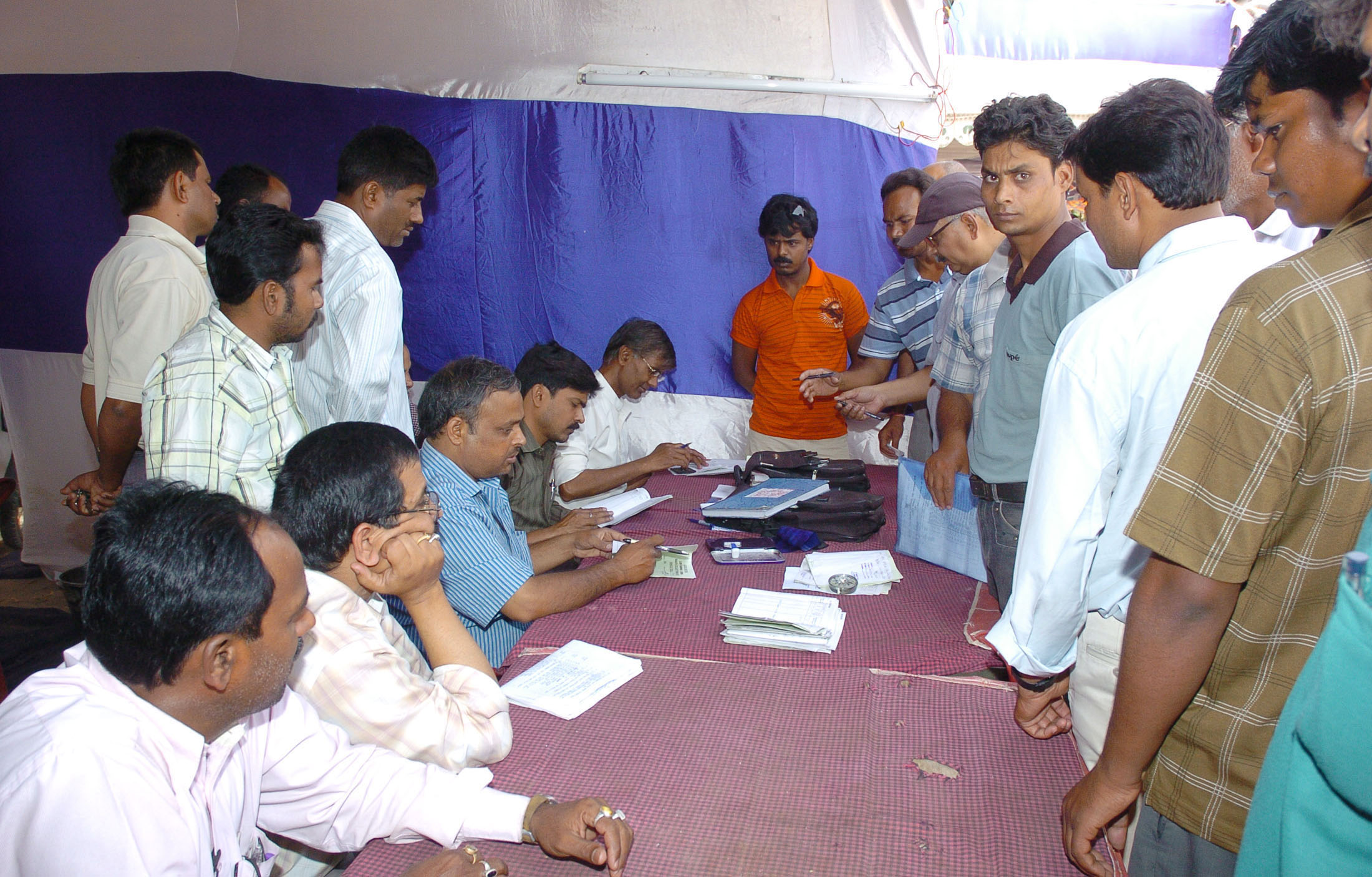 voter list database screen
Legal and Political Ramifications
Criminal Probe
The SIT has been empowered under the Representation of the People Act, 1951 and the Information Technology Act, 2000 to:
- Trace the source IP addresses that accessed the voter database.
- Examine audit logs for any unauthorized modifications.
- Interview officials from the State Election Commission (SEC) and the Chief Electoral Officer’s office.
If evidence points to malicious intent, perpetrators could face up to seven years of imprisonment and hefty fines.
Political Fallout
All major political parties in UP—Bharatiya Janata Party (BJP), Samajwadi Party (SP), Bahujan Samaj Party (BSP) and the Indian National Congress—have issued statements condemning the alleged tampering. The opposition parties are demanding:
- An independent judicial inquiry.
- Immediate re‑verification of the entire voter list before the upcoming elections.
- Suspension of any officials found complicit.
The ruling BJP, while supporting the CEO’s decision, has cautioned against politicising the probe, urging that due process be respected.
Public Sentiment and Media Coverage
The story quickly trended on Google Trends, spiking in the top‑10 searches for “UP voter list fraud” and “CEO probe Uttar Pradesh”. Social media platforms saw a surge of memes, petitions, and calls for transparent data‑sharing. Civil‑society watchdogs like Association for Democratic Reforms (ADR) have pledged to monitor the investigation and publish real‑time updates.
Traditional media outlets—India Today, The Quint, ABP Live, and Vox India—have run in‑depth pieces, highlighting the technical vulnerabilities of the voter‑list management system and the need for blockchain‑based solutions.
Comparative Cases: Lessons from Other States
- Madhya Pradesh (2022): A similar audit uncovered 5,000 irregularities, leading to a statewide re‑verification drive that delayed the state assembly elections by three weeks.
- Kerala (2024): The state introduced biometric verification for every entry, reducing duplicate entries by 87% within a year.
These precedents suggest that robust auditing mechanisms and technological upgrades can mitigate large‑scale manipulation.
The Road Ahead: What to Expect
- Immediate Re‑audit – The CEO has ordered a full‑scale verification of all 10,000 flagged entries within 15 days.
- Technology Overhaul – Experts anticipate the adoption of encrypted cloud storage and AI‑driven anomaly detection for future rolls.
- Legal Precedent – A conviction could set a legal benchmark, making voter‑list tampering a non‑negotiable criminal offense across India.
Editorial Analysis & Future Outlook
The Uttar Pradesh probe is a watershed moment for Indian electoral integrity. By treating data tampering as a crime rather than a clerical mistake, the state signals a zero‑tolerance stance that could reverberate nationally. The investigation’s outcome will likely influence:
- Policy Reform: The ECI may mandate uniform cyber‑security standards for all state election commissions, accelerating the rollout of blockchain‑based voter‑list platforms.
- Political Calculus: Parties will be forced to audit their grassroots networks more rigorously, reducing the reliance on informal voter‑list manipulation tactics.
- Public Trust: Transparent handling can restore faith in the electoral process, whereas a perceived cover‑up could fuel cynicism and lower voter turnout.
In the long run, this episode could catalyse a digital transformation of India’s electoral infrastructure, aligning it with global best practices while safeguarding the democratic cornerstone—the voter’s right to be accurately counted.
The coming weeks will be decisive. If the probe delivers swift, impartial justice, Uttar Pradesh may emerge as a model for electoral resilience; if not, the episode could deepen mistrust in a system already strained by rapid demographic shifts and political polarization.
Original Reporting & Source: India Today Top Stories

Discussion (0)
Sign in to join the discussion.
No comments yet. Be the first to start the conversation!