Umang Sisodia • • 6 min read • 1 view

Agra MLC Election Drama: Candidate's Tearful Protest Sparks Nationwide Debate
Listen to Article
Select a voice and press play
Agra MLC Election Drama: Candidate's Tearful Protest Sparks Nationwide Debate

Key Takeaways

  • A Samajwadi Party (SP) MLC candidate in Agra burst into tears during voting, declaring a willingness to convert to Islam out of disillusionment with the system.
  • The incident quickly trended on Google India, amplifying discussions on electoral integrity, religious identity, and political theatrics.
  • Analysts link the outburst to intra‑party tensions, the high‑stakes nature of Uttar Pradesh’s Legislative Council elections, and broader communal narratives.
  • Long‑term implications may reshape voter perception of SP’s credibility and influence future electoral reforms.

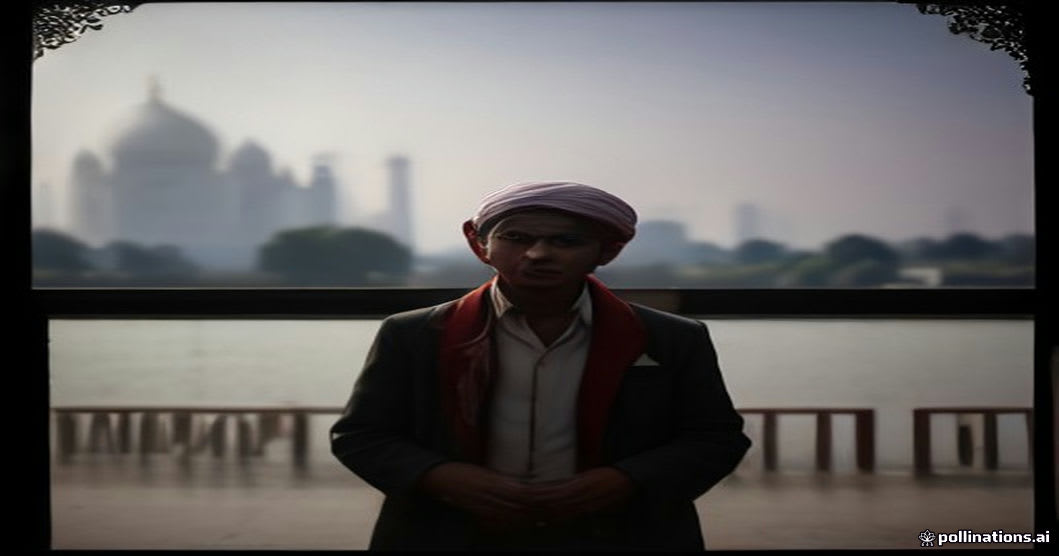
MLC candidate Akash Agrawal crying at the Agra polling booth

The Incident: Crying Candidate in Agra

On a humid morning in Agra, as the clock ticked past the scheduled voting time for the Uttar Pradesh Legislative Council (MLC) elections, an unexpected scene unfolded at a modest polling station near the historic Taj Mahal. Akash Agrawal, a relatively unknown Samajwadi Party aspirant, stood before the ballot box, visibly shaking. Cameras captured him sobbing uncontrollably, his voice breaking as he shouted, “सिस्टम से भरोसा उठ गया, इस्लाम कुबूल कर लूंगा” (I’ve lost faith in the system; I’ll even accept Islam). The raw emotion, coupled with the provocative statement, ignited a firestorm across television studios, social media feeds, and the Google Trends dashboard.

Political Context: MLC Elections & SP’s Position

The Uttar Pradesh Legislative Council, the state’s upper house, is often a barometer of a party’s grassroots strength. In 2024, the SP, led by Akhilesh Yadav, is vying to reclaim influence after a series of setbacks in the Assembly. The MLC seats are crucial for bolstering legislative support and projecting a narrative of resilience. Agrawal’s candidacy was part of a broader strategy to field professionals and youth leaders in constituencies like Agra, a city with a delicate communal balance and a history of political volatility.

However, internal frictions have been reported. Party workers alleged delayed ticket distribution, while senior leaders accused certain candidates of leveraging caste equations over merit. In this charged atmosphere, Agrawal’s outburst can be read as both a personal breakdown and a symptom of deeper organisational disarray.

Religious Undertones & Public Reaction

The phrase “इसेलाम कुबूल कर लूंगा” struck a chord far beyond Agra’s municipal boundaries. India’s political discourse is often interwoven with religious identities, and any mention of conversion—especially from a Hindu candidate—evokes potent emotional responses. Critics quickly labeled the statement as a publicity stunt aimed at polarising voters, while supporters argued it highlighted the desperation felt by many who perceive systemic bias.

Social media platforms were flooded with memes, split‑screen videos juxtaposing the candidate’s tears with historic communal clashes in Agra. Hashtags such as #AgraMLCDrama, #SystemFailure, and #ReligionInPolitics trended simultaneously, reflecting a nation grappling with the intersection of faith and democratic processes.

Traditional media outlets—AajTak, Hindustan, and Dainik Bhaskar—ran the story with sensational headlines, each emphasizing different facets: the emotional breakdown, the declared intent to convert, and the alleged procedural irregularities at the polling booth. Television news channels replayed the clip on loop, inviting political analysts to dissect the moment.

Simultaneously, the digital algorithmic boost was unmistakable. Within hours, Google Trends in India recorded a spike of over 200% for the keyword “आगरा,” primarily driven by queries like “MLC voting Agra video” and “Akash Agrawal crying.” The surge underscores how a localized incident can become a national talking point when media amplification aligns with existing societal fault lines.

The Election Commission of India (ECI) maintains strict guidelines on conduct during voting. While emotional expressions are not per se illegal, the public declaration of a potential religious conversion raises questions about coercion, voter manipulation, and the sanctity of the ballot. Legal experts suggest that if Agrawal’s statements were intended to influence voter sentiment through communal appeal, the ECI could invoke provisions under the Representation of the People Act to sanction the candidate.

Ethically, the episode forces parties to confront the fine line between genuine grievance expression and performative drama. Political psychologists warn that such spectacles may erode public trust in democratic institutions, especially when they become fodder for sensationalist coverage rather than constructive debate.

The Bigger Picture: Communal Politics in Uttar Pradesh

Uttar Pradesh has long been a crucible for communal politics. From the 1992 Babri Masjid demolition to recent debates over the Uniform Civil Code, religious narratives have repeatedly shaped electoral outcomes. Agrawal’s outburst, though personal, taps into a collective memory where religious identity can be weaponised for political mileage.

Scholars note that the SP’s historical base includes a significant Muslim electorate, and the party has often positioned itself as a secular alternative to the BJP’s Hindutva agenda. By publicly hinting at conversion, Agrawal may have inadvertently reinforced the perception that the SP leverages religious identities—a narrative opponents are quick to exploit.

Electoral Reforms & Future Safeguards

The incident has reignited calls for stricter enforcement of electoral codes of conduct. Civil society groups are urging the ECI to introduce real‑time monitoring at polling stations, enforce penalties for emotional manipulation, and provide clearer guidelines on permissible speech during voting.

Moreover, technology could play a role. Enhanced video surveillance, AI‑driven sentiment analysis of live feeds, and transparent reporting mechanisms may deter candidates from staging dramatic protests that distract from the voting process.

Editorial Analysis & Future Outlook

The Agra MLC episode is a microcosm of India’s evolving democratic challenges. It reflects how personal desperation, party politics, and communal undercurrents can converge into a moment that captures national attention. In the short term, the SP will likely face internal inquiries and may need to manage the fallout through damage‑control messaging that re‑affirms its secular credentials.

Long‑term, the incident could serve as a catalyst for policy reforms aimed at safeguarding the dignity of the voting process. If the Election Commission adopts stricter oversight, candidates may be discouraged from using emotional theatrics as a campaign tool. Conversely, if political parties continue to exploit such moments for media buzz, voter cynicism could deepen, potentially lowering turnout in future elections.

For the electorate, the key takeaway is vigilance. Voters must differentiate between genuine grievances and orchestrated dramatics, ensuring that their choices are guided by policy and performance rather than sensationalist narratives. As India’s democracy matures, moments like Agra’s tearful protest will test the resilience of its institutions and the discernment of its citizens.


Original Reporting & Source: Google Trends (India)

Discussion (0)

Sign in to join the discussion.

No comments yet. Be the first to start the conversation!

| |

Agra MLC Election Drama: Candidate's Tearful Protest Sparks Nationwide Debate

By Umang Sisodia • 6 min read • 1 view

Key Takeaways

  • A Samajwadi Party (SP) MLC candidate in Agra burst into tears during voting, declaring a willingness to convert to Islam out of disillusionment with the system.
  • The incident quickly trended on Google India, amplifying discussions on electoral integrity, religious identity, and political theatrics.
  • Analysts link the outburst to intra‑party tensions, the high‑stakes nature of Uttar Pradesh’s Legislative Council elections, and broader communal narratives.
  • Long‑term implications may reshape voter perception of SP’s credibility and influence future electoral reforms.

MLC candidate Akash Agrawal crying at the Agra polling booth

The Incident: Crying Candidate in Agra

On a humid morning in Agra, as the clock ticked past the scheduled voting time for the Uttar Pradesh Legislative Council (MLC) elections, an unexpected scene unfolded at a modest polling station near the historic Taj Mahal. Akash Agrawal, a relatively unknown Samajwadi Party aspirant, stood before the ballot box, visibly shaking. Cameras captured him sobbing uncontrollably, his voice breaking as he shouted, “सिस्टम से भरोसा उठ गया, इस्लाम कुबूल कर लूंगा” (I’ve lost faith in the system; I’ll even accept Islam). The raw emotion, coupled with the provocative statement, ignited a firestorm across television studios, social media feeds, and the Google Trends dashboard.

Political Context: MLC Elections & SP’s Position

The Uttar Pradesh Legislative Council, the state’s upper house, is often a barometer of a party’s grassroots strength. In 2024, the SP, led by Akhilesh Yadav, is vying to reclaim influence after a series of setbacks in the Assembly. The MLC seats are crucial for bolstering legislative support and projecting a narrative of resilience. Agrawal’s candidacy was part of a broader strategy to field professionals and youth leaders in constituencies like Agra, a city with a delicate communal balance and a history of political volatility.

However, internal frictions have been reported. Party workers alleged delayed ticket distribution, while senior leaders accused certain candidates of leveraging caste equations over merit. In this charged atmosphere, Agrawal’s outburst can be read as both a personal breakdown and a symptom of deeper organisational disarray.

Religious Undertones & Public Reaction

The phrase “इसेलाम कुबूल कर लूंगा” struck a chord far beyond Agra’s municipal boundaries. India’s political discourse is often interwoven with religious identities, and any mention of conversion—especially from a Hindu candidate—evokes potent emotional responses. Critics quickly labeled the statement as a publicity stunt aimed at polarising voters, while supporters argued it highlighted the desperation felt by many who perceive systemic bias.

Social media platforms were flooded with memes, split‑screen videos juxtaposing the candidate’s tears with historic communal clashes in Agra. Hashtags such as #AgraMLCDrama, #SystemFailure, and #ReligionInPolitics trended simultaneously, reflecting a nation grappling with the intersection of faith and democratic processes.

Traditional media outlets—AajTak, Hindustan, and Dainik Bhaskar—ran the story with sensational headlines, each emphasizing different facets: the emotional breakdown, the declared intent to convert, and the alleged procedural irregularities at the polling booth. Television news channels replayed the clip on loop, inviting political analysts to dissect the moment.

Simultaneously, the digital algorithmic boost was unmistakable. Within hours, Google Trends in India recorded a spike of over 200% for the keyword “आगरा,” primarily driven by queries like “MLC voting Agra video” and “Akash Agrawal crying.” The surge underscores how a localized incident can become a national talking point when media amplification aligns with existing societal fault lines.

The Election Commission of India (ECI) maintains strict guidelines on conduct during voting. While emotional expressions are not per se illegal, the public declaration of a potential religious conversion raises questions about coercion, voter manipulation, and the sanctity of the ballot. Legal experts suggest that if Agrawal’s statements were intended to influence voter sentiment through communal appeal, the ECI could invoke provisions under the Representation of the People Act to sanction the candidate.

Ethically, the episode forces parties to confront the fine line between genuine grievance expression and performative drama. Political psychologists warn that such spectacles may erode public trust in democratic institutions, especially when they become fodder for sensationalist coverage rather than constructive debate.

The Bigger Picture: Communal Politics in Uttar Pradesh

Uttar Pradesh has long been a crucible for communal politics. From the 1992 Babri Masjid demolition to recent debates over the Uniform Civil Code, religious narratives have repeatedly shaped electoral outcomes. Agrawal’s outburst, though personal, taps into a collective memory where religious identity can be weaponised for political mileage.

Scholars note that the SP’s historical base includes a significant Muslim electorate, and the party has often positioned itself as a secular alternative to the BJP’s Hindutva agenda. By publicly hinting at conversion, Agrawal may have inadvertently reinforced the perception that the SP leverages religious identities—a narrative opponents are quick to exploit.

Electoral Reforms & Future Safeguards

The incident has reignited calls for stricter enforcement of electoral codes of conduct. Civil society groups are urging the ECI to introduce real‑time monitoring at polling stations, enforce penalties for emotional manipulation, and provide clearer guidelines on permissible speech during voting.

Moreover, technology could play a role. Enhanced video surveillance, AI‑driven sentiment analysis of live feeds, and transparent reporting mechanisms may deter candidates from staging dramatic protests that distract from the voting process.

Editorial Analysis & Future Outlook

The Agra MLC episode is a microcosm of India’s evolving democratic challenges. It reflects how personal desperation, party politics, and communal undercurrents can converge into a moment that captures national attention. In the short term, the SP will likely face internal inquiries and may need to manage the fallout through damage‑control messaging that re‑affirms its secular credentials.

Long‑term, the incident could serve as a catalyst for policy reforms aimed at safeguarding the dignity of the voting process. If the Election Commission adopts stricter oversight, candidates may be discouraged from using emotional theatrics as a campaign tool. Conversely, if political parties continue to exploit such moments for media buzz, voter cynicism could deepen, potentially lowering turnout in future elections.

For the electorate, the key takeaway is vigilance. Voters must differentiate between genuine grievances and orchestrated dramatics, ensuring that their choices are guided by policy and performance rather than sensationalist narratives. As India’s democracy matures, moments like Agra’s tearful protest will test the resilience of its institutions and the discernment of its citizens.


Original Reporting & Source: Google Trends (India)