Umang Sisodia • • 6 min read • 1 view
India’s Strategic Tightrope: US‑Pakistan Ties, Rubi o’s Remarks, and the Gujarat Trade Surge
Key Takeaways
- India is recalibrating its diplomatic calculus as the US hints at deeper engagement with Pakistan, prompting New Delhi to reassess its own strategic priorities.
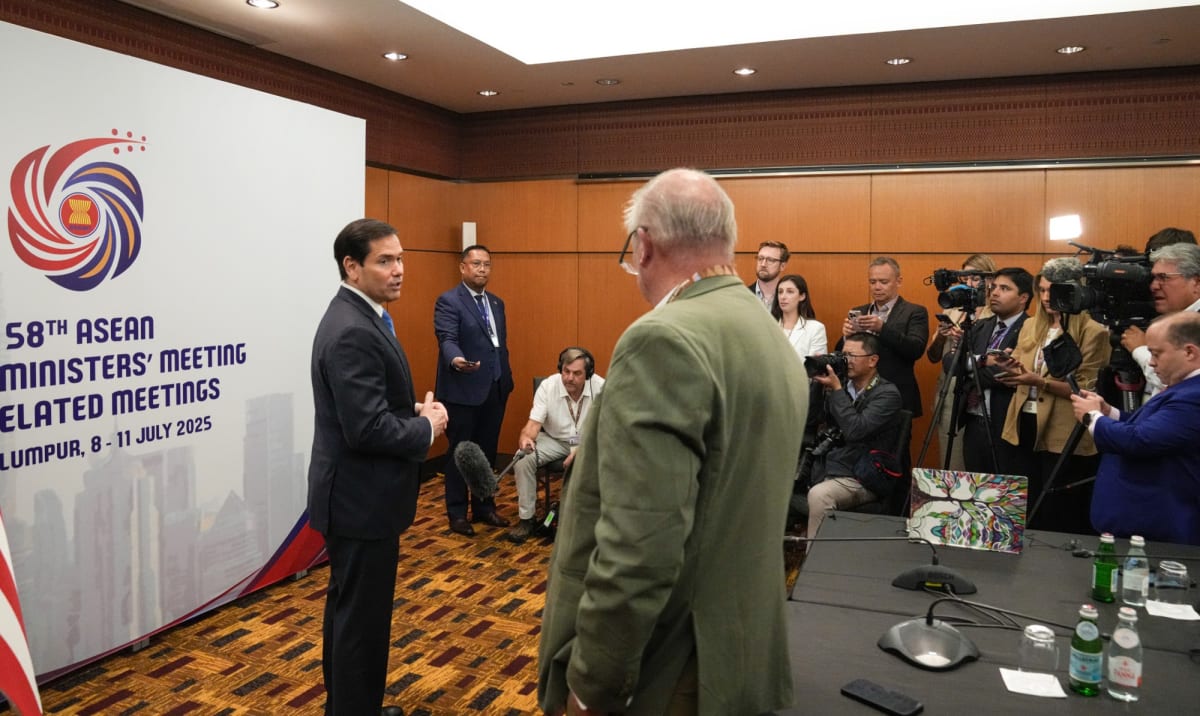
- Sen. Marco Rubio’s recent statements have reignited debate over whether the US is leveraging Pakistan to balance China’s influence, stirring concerns in Indian political circles.
- Energy and wildlife conservation projects in Gujarat are being touted as new trade avenues, linking economic interests with soft‑power diplomacy.
- Iran’s regional role remains a wildcard, with Tehran’s overtures adding another layer to the evolving South Asian security architecture.
Background: India’s Strategic Balancing Act
India’s foreign policy has long been defined by a delicate balance between maintaining strategic autonomy and forging partnerships that advance its economic and security interests. Since the 1990s, New Delhi has pursued a multi‑vector approach—deepening ties with the United States, engaging with regional powers like Japan and Australia, while also managing a historically fraught relationship with Pakistan.
In recent months, a surge of queries on Google Trends India—most notably the term “ভারত” (India)—signals heightened public curiosity about how the nation is navigating a new set of diplomatic variables:
- US‑Pakistan overtures that suggest Washington may be courting Islamabad to counterbalance China’s Belt‑and‑Road Initiative.
- Rubio’s commentary linking US‑Pakistan cooperation to broader regional stability, raising eyebrows in New Delhi.
- Economic prospects emerging from Gujarat’s wildlife‑focused energy projects, which could become a catalyst for fresh trade agreements.
- Iran’s re‑emergence as a potential partner in energy and security, complicating the Indo‑US equation.
These intersecting narratives form the crux of today’s editorial analysis.
Rubi o’s Remarks and the US‑Pakistan Pivot
Sen. Marco Rubio, a prominent voice in the US Senate on foreign affairs, recently addressed a press briefing in Washington, stating:
“A pragmatic partnership with Pakistan can serve mutual interests, from counter‑terrorism to regional stability, without undermining India’s legitimate concerns.”
Rubio’s remarks have been amplified by Indian media outlets such as Anandabazar Patrika and ABP Ananda, which framed the statement as a potential shift in US policy—one that could “exchange India’s strategic patience for a transactional relationship with Pakistan.”
Why This Matters
- Strategic Signalling: The US has traditionally positioned itself as India’s counterweight to China. Any perceived tilt toward Pakistan may be interpreted as a dilution of that commitment.
- Economic Leverage: Pakistan’s involvement in US‑led infrastructure projects could open new trade corridors that bypass Indian ports, challenging India’s regional economic dominance.
- Domestic Politics: Indian opposition parties are quick to weaponize such narratives, portraying the government as “soft on Pakistan.”
Energy, Wildlife and Trade: The Gujarat Angle
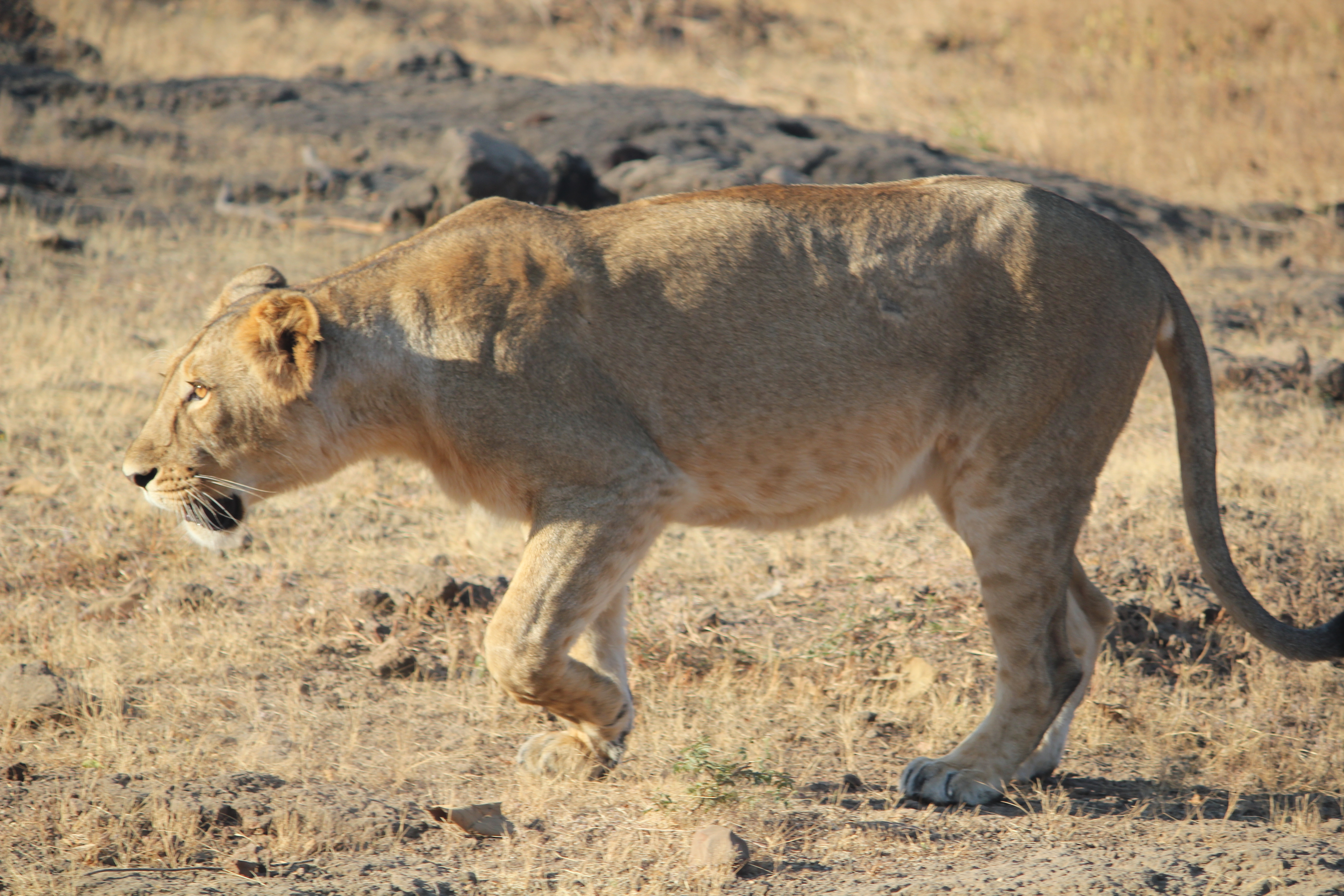
The Wall Street‑style coverage from TheWall highlighted a less‑expected dimension: a series of energy‑to‑wildlife initiatives in Gujarat, popularly dubbed “ভান্তারা” (Van Tara). These projects aim to combine renewable energy generation with wildlife habitat preservation, creating a model for sustainable development.
Key Highlights
- Solar‑Powered Sanctuaries: Large‑scale solar farms are being installed adjacent to protected areas, reducing reliance on fossil fuels while funding conservation efforts.
- Trade Speculation: Rubi o’s recent visit to Gujarat has sparked speculation about a “Gujarat‑US trade pact,” potentially encompassing renewable tech, agribusiness, and eco‑tourism.
- Economic Multiplier: Analysts estimate that a modest 2% increase in Gujarat’s export basket could translate to $1.5 billion in annual revenue for India.
These initiatives illustrate how soft‑power diplomacy—leveraging environmental stewardship—can dovetail with hard‑nosed economic negotiations.
 Gujarat wildlife sanctuary
The Iran Factor and Regional Dynamics
While the US‑Pakistan discourse dominates headlines, Iran’s role cannot be ignored. Tehran has been quietly advancing energy cooperation proposals with both India and Pakistan, offering oil‑to‑cash swap arrangements that could alleviate India’s energy import bill.
Intersections with US Policy
- Sanctions Relief: Any US‑facilitated easing of sanctions on Iran would directly impact India’s energy calculus, potentially reducing the strategic necessity of US‑Pakistan alignment.
- Security Concerns: Iran’s involvement in Afghanistan’s post‑Taliban landscape adds a security dimension that both New Delhi and Washington must monitor.
The triangular interplay among India, the US, and Iran adds layers of complexity to the already intricate South Asian security tapestry.
Political Reactions in New Delhi
Indian political leaders across the spectrum have weighed in:
- Prime Minister’s Office (PMO): Emphasized “strategic autonomy” while reaffirming the Indo‑US Comprehensive Global Partnership.
- Opposition Parties: Accused the government of “selling out” national interests for short‑term trade gains.
- Strategic Think‑Tanks: Institutions like the Observer Research Foundation (ORF) have published briefs urging a calibrated response—maintaining a strong US partnership while diversifying energy sources.
The discourse reflects a domestic balancing act: safeguarding national security while capitalizing on emerging commercial opportunities.
What This Means for Indo‑US Relations
The confluence of Rubi o’s statements, Gujarat’s eco‑energy projects, and Iran’s energy overtures suggests that Indo‑US relations are entering a nuanced phase:
- From Ideological to Pragmatic: Both sides are shifting from a values‑based partnership to a more transactional, interest‑driven model.
- Diversified Engagement: India is likely to pursue sector‑specific agreements (renewables, wildlife tourism, technology) rather than relying solely on broad strategic alignments.
- Strategic Hedging: New Delhi may deepen ties with alternative partners—including the EU, Japan, and even Iran—to mitigate any potential US‑Pakistan drift.
Editorial Analysis & Future Outlook
The current surge in public interest, as reflected by Google Trends, underscores a critical inflection point for India’s foreign policy. While the US‑Pakistan dialogue appears to be a tactical maneuver aimed at countering China, it also tests the resilience of the Indo‑US partnership.
Long‑term Implications:
- Geopolitical Realignment: Should Washington formalize deeper security cooperation with Pakistan, India may accelerate its “Act‑East” and “Indo‑Pacific” initiatives, seeking new allies in Southeast Asia and the Pacific.
- Economic Diversification: Gujarat’s hybrid energy‑wildlife model could become a template for other Indian states, fostering green trade corridors that attract US investment without compromising sovereignty.
- Energy Security: Iran’s willingness to engage could provide India with a strategic hedge against volatile global oil markets, though it will require careful navigation of US sanctions policy.
In essence, India stands at a crossroads where strategic autonomy, economic ambition, and regional stability intersect. The nation’s ability to leverage soft‑power assets—like Gujarat’s conservation projects—while maintaining firm diplomatic footing will determine whether it emerges as a regional leader or a strategic pawn in great‑power competition.
The coming months will reveal whether New Delhi can orchestrate a multi‑vector strategy that extracts maximum benefit from each partnership, or whether external pressures will force a re‑calibration of priorities that could reshape South Asian geopolitics for the decade ahead.
Original Reporting & Source: Google Trends (India)

Discussion (0)
Sign in to join the discussion.
No comments yet. Be the first to start the conversation!