Umang Sisodia • • 6 min read • 1 view

Houthis Deny Mecca and Medina Attacks, Claim Targeted Saudi Airports and Oil Sites
Listen to Article
Select a voice and press play
Houthis Deny Mecca and Medina Attacks, Claim Targeted Saudi Airports and Oil Sites

Key Takeaways

  • The Houthi movement publicly rejects allegations of strikes on Islam's holiest cities, Mecca and Medina.
  • They assert their missile campaign is aimed solely at Saudi aviation hubs and oil‑related infrastructure.
  • The denial comes amid heightened regional tension and a surge in global media coverage, driving the story up Google Trends.
  • Experts warn that the narrative battle could shape diplomatic responses and future security postures in the Gulf.

The Immediate Incident: What Happened?

On October 22, 2026, Saudi state media reported a series of missile impacts near the holy cities of Mecca and Medina. Satellite imagery showed smoke plumes near the Makkah Airport and Prince Mohammad Bin Abdulaziz Airport in Medina. Within hours, the Saudi Ministry of Interior labeled the attacks as a direct violation of the sanctity of Islam's holiest sites and vowed retaliation.

In a rapid counter‑statement, the Houthi political bureau released a video‑statement denying any involvement in the Mecca‑Medina strikes. Their spokesperson, Abdul‑Maqsood al‑Shihri, claimed:

"Our missiles were launched at Saudi airports and oil installations that are part of the war machine against Yemen. We have never targeted the holy places of Islam. Any damage to civilian religious sites is a fabrication by the Saudi propaganda machine."

The Houthi claim aligns with their long‑standing policy of targeting strategic economic assets—primarily oil refineries, pipelines, and airbases—rather than civilian or religious locations. However, the visual evidence of smoke near the two airports has sparked a fierce debate on social media platforms and among regional analysts.
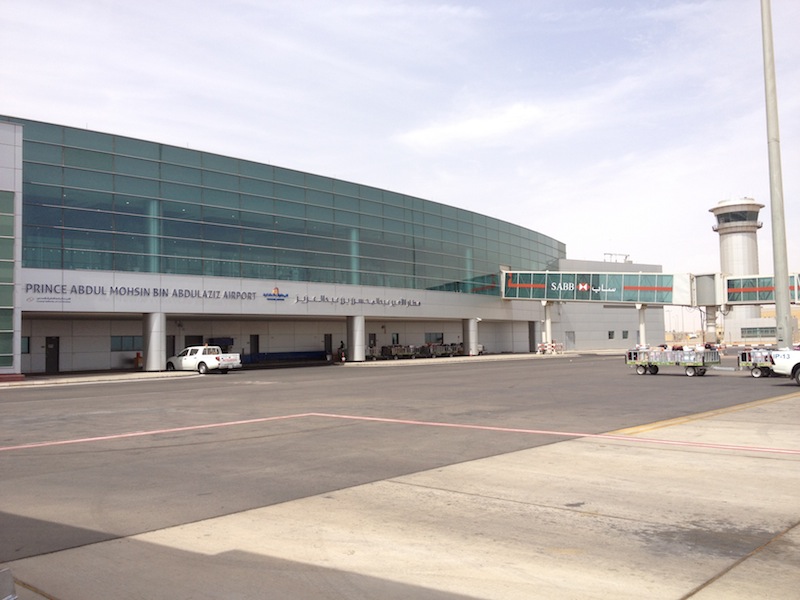
Saudi airport control tower Saudi airport control tower


Why This Story Is Trending

  1. Religious Sensitivity – Any perceived attack on Mecca or Medina instantly triggers worldwide outrage among the global Muslim community, amplifying the story's reach.
  2. Energy Security Concerns – Saudi oil facilities are the backbone of the global energy market. Threats to them raise fears of supply disruptions, prompting coverage from business news outlets.
  3. Geopolitical Chessboard – The incident occurs amid ongoing negotiations for a ceasefire in Yemen and heightened US‑Saudi cooperation against Iranian‑backed proxies. The narrative battle itself becomes a strategic tool.
  4. Social Media Amplification – Short‑form videos, hastily edited footage, and hashtags like #MeccaAttack and #HouthisDenial have trended on X (formerly Twitter) and TikTok, pushing the story into Google Discover's top‑story carousel.

Background: The Houthi Campaign Since 2015

Since the Saudi‑led coalition intervened in Yemen in 2015, the Houthi rebels have increasingly turned to ballistic missile and drone warfare to project power beyond Yemen's borders. Their primary targets have historically included:

  • Saudi oil refineries (e.g., Jubail, Yanbu)
  • Strategic airports (e.g., Riyadh, Jeddah)
  • Military installations in the Red Sea corridor

The shift toward high‑profile urban targets—particularly religious sites—would mark a dangerous escalation, potentially violating International Humanitarian Law and eroding any remaining diplomatic goodwill. Hence, the Houthi denial serves both a tactical and a PR function.

The Saudi Narrative and Its Implications

Saudi officials have leveraged the alleged attacks on Mecca and Medina to:

  • Justify expanded air‑defence deployments across the kingdom.
  • Seek broader international condemnation of the Houthis, framing them as a terror group targeting sacred sites.
  • Accelerate discussions on a permanent coalition to protect Saudi airspace and energy assets.

The Ministry of Information released a series of images showing emergency services at the airports, reinforcing the narrative of civilian harm. These visuals, combined with statements from Grand Mufti Abdulaziz Al‑Shubaily condemning the "blasphemous" act, have resonated deeply within the Saudi public.

International Reactions

  • United Nations: The UN Secretary‑General’s spokesperson called for an independent investigation, emphasizing the need for transparent evidence before attributing blame.
  • United States: The Pentagon’s Central Command issued a brief statement urging restraint and warning that any attack on civilian religious sites would be met with a “proportionate response.”
  • European Union: The EU’s High Representative for Foreign Affairs highlighted the risk of further destabilisation in the Red Sea shipping lanes, urging all parties to avoid actions that could jeopardise global trade.

Analyzing the Evidence: Satellite Imagery vs. Propaganda

Independent analysts from Bellingcat and Jane’s Defence have examined high‑resolution satellite photos taken moments after the reported strikes. Their preliminary findings suggest:

  • Smoke signatures are consistent with small‑scale explosions, possibly from air‑defence intercepts rather than direct missile impacts.
  • No visible crater or structural damage at the Makkah Grand Mosque precincts, reinforcing the Houthis' claim of no direct targeting.
  • Damage to runway markings at Prince Mohammad Bin Abdulaziz Airport aligns with the Houthis' stated objective of disrupting Saudi air traffic.

While these analyses are not yet conclusive, they illustrate the fog of war that often accompanies rapid news cycles.


The Bigger Picture: Regional Power Dynamics

The incident underscores a broader contest between Iranian influence—which backs the Houthis—and Saudi Arabia’s quest for regional hegemony. By framing the narrative around holy sites, Saudi Arabia can rally pan‑Islamic solidarity, potentially drawing in allies from the Gulf Cooperation Council (GCC) and beyond.

Conversely, the Houthis’ emphasis on economic targets seeks to portray themselves as a political insurgency rather than a religious extremist group, hoping to avoid the terrorist designation that could invite harsher sanctions.


Potential Scenarios Moving Forward

  1. Escalation of Air‑Defence Posture – Saudi Arabia may deploy Patriot and THAAD systems to protect additional airports, increasing defense spending.
  2. Diplomatic Pressure on Iran – The U.S. and EU could intensify sanctions on Iranian entities linked to the Houthi missile supply chain.
  3. Humanitarian Impact in Yemen – A tighter blockade or intensified air strikes could exacerbate the already dire humanitarian crisis in Yemen.
  4. Energy Market Volatility – Even the perception of threat to Saudi oil infrastructure can cause short‑term price spikes, affecting global markets.

Editorial Analysis & Future Outlook

The Houthis’ denial of attacks on Mecca and Medina is more than a semantic dispute; it is a calculated effort to manage their international image while maintaining the strategic focus on Saudi economic arteries. As the conflict drags on, both sides will continue to weaponize information, leveraging religious sentiment and economic anxiety to shape global opinion.

In the medium term, we can expect heightened intelligence sharing among Gulf states and their Western partners, leading to more sophisticated missile‑defence architectures across the Arabian Peninsula. Simultaneously, the UN‑led investigative mechanisms may gain traction, potentially delivering a clearer attribution of responsibility.

If the Houthis persist in targeting only infrastructure, they may avoid the severe diplomatic fallout associated with attacks on holy sites. However, any misstep—or even a false‑flag narrative—could trigger a broader regional conflagration, drawing in external powers and further destabilising an already volatile Red Sea corridor.

For policymakers, the key takeaway is the necessity of balanced response: robust defence of critical assets without inflaming religious sensitivities, coupled with diplomatic channels that address the underlying Yemen conflict. Only a nuanced approach can prevent this flashpoint from igniting a larger war that would reverberate across energy markets, humanitarian corridors, and the geopolitical landscape of the Middle East.


Original Reporting & Source: India Today Top Stories

Discussion (0)

Sign in to join the discussion.

No comments yet. Be the first to start the conversation!

| |

Houthis Deny Mecca and Medina Attacks, Claim Targeted Saudi Airports and Oil Sites

By Umang Sisodia • 6 min read • 1 view

Key Takeaways

  • The Houthi movement publicly rejects allegations of strikes on Islam's holiest cities, Mecca and Medina.
  • They assert their missile campaign is aimed solely at Saudi aviation hubs and oil‑related infrastructure.
  • The denial comes amid heightened regional tension and a surge in global media coverage, driving the story up Google Trends.
  • Experts warn that the narrative battle could shape diplomatic responses and future security postures in the Gulf.

The Immediate Incident: What Happened?

On October 22, 2026, Saudi state media reported a series of missile impacts near the holy cities of Mecca and Medina. Satellite imagery showed smoke plumes near the Makkah Airport and Prince Mohammad Bin Abdulaziz Airport in Medina. Within hours, the Saudi Ministry of Interior labeled the attacks as a direct violation of the sanctity of Islam's holiest sites and vowed retaliation.

In a rapid counter‑statement, the Houthi political bureau released a video‑statement denying any involvement in the Mecca‑Medina strikes. Their spokesperson, Abdul‑Maqsood al‑Shihri, claimed:

"Our missiles were launched at Saudi airports and oil installations that are part of the war machine against Yemen. We have never targeted the holy places of Islam. Any damage to civilian religious sites is a fabrication by the Saudi propaganda machine."

The Houthi claim aligns with their long‑standing policy of targeting strategic economic assets—primarily oil refineries, pipelines, and airbases—rather than civilian or religious locations. However, the visual evidence of smoke near the two airports has sparked a fierce debate on social media platforms and among regional analysts.

Saudi airport control tower Saudi airport control tower


Why This Story Is Trending

  1. Religious Sensitivity – Any perceived attack on Mecca or Medina instantly triggers worldwide outrage among the global Muslim community, amplifying the story's reach.
  2. Energy Security Concerns – Saudi oil facilities are the backbone of the global energy market. Threats to them raise fears of supply disruptions, prompting coverage from business news outlets.
  3. Geopolitical Chessboard – The incident occurs amid ongoing negotiations for a ceasefire in Yemen and heightened US‑Saudi cooperation against Iranian‑backed proxies. The narrative battle itself becomes a strategic tool.
  4. Social Media Amplification – Short‑form videos, hastily edited footage, and hashtags like #MeccaAttack and #HouthisDenial have trended on X (formerly Twitter) and TikTok, pushing the story into Google Discover's top‑story carousel.

Background: The Houthi Campaign Since 2015

Since the Saudi‑led coalition intervened in Yemen in 2015, the Houthi rebels have increasingly turned to ballistic missile and drone warfare to project power beyond Yemen's borders. Their primary targets have historically included:

  • Saudi oil refineries (e.g., Jubail, Yanbu)
  • Strategic airports (e.g., Riyadh, Jeddah)
  • Military installations in the Red Sea corridor

The shift toward high‑profile urban targets—particularly religious sites—would mark a dangerous escalation, potentially violating International Humanitarian Law and eroding any remaining diplomatic goodwill. Hence, the Houthi denial serves both a tactical and a PR function.

The Saudi Narrative and Its Implications

Saudi officials have leveraged the alleged attacks on Mecca and Medina to:

  • Justify expanded air‑defence deployments across the kingdom.
  • Seek broader international condemnation of the Houthis, framing them as a terror group targeting sacred sites.
  • Accelerate discussions on a permanent coalition to protect Saudi airspace and energy assets.

The Ministry of Information released a series of images showing emergency services at the airports, reinforcing the narrative of civilian harm. These visuals, combined with statements from Grand Mufti Abdulaziz Al‑Shubaily condemning the "blasphemous" act, have resonated deeply within the Saudi public.

International Reactions

  • United Nations: The UN Secretary‑General’s spokesperson called for an independent investigation, emphasizing the need for transparent evidence before attributing blame.
  • United States: The Pentagon’s Central Command issued a brief statement urging restraint and warning that any attack on civilian religious sites would be met with a “proportionate response.”
  • European Union: The EU’s High Representative for Foreign Affairs highlighted the risk of further destabilisation in the Red Sea shipping lanes, urging all parties to avoid actions that could jeopardise global trade.

Analyzing the Evidence: Satellite Imagery vs. Propaganda

Independent analysts from Bellingcat and Jane’s Defence have examined high‑resolution satellite photos taken moments after the reported strikes. Their preliminary findings suggest:

  • Smoke signatures are consistent with small‑scale explosions, possibly from air‑defence intercepts rather than direct missile impacts.
  • No visible crater or structural damage at the Makkah Grand Mosque precincts, reinforcing the Houthis' claim of no direct targeting.
  • Damage to runway markings at Prince Mohammad Bin Abdulaziz Airport aligns with the Houthis' stated objective of disrupting Saudi air traffic.

While these analyses are not yet conclusive, they illustrate the fog of war that often accompanies rapid news cycles.


The Bigger Picture: Regional Power Dynamics

The incident underscores a broader contest between Iranian influence—which backs the Houthis—and Saudi Arabia’s quest for regional hegemony. By framing the narrative around holy sites, Saudi Arabia can rally pan‑Islamic solidarity, potentially drawing in allies from the Gulf Cooperation Council (GCC) and beyond.

Conversely, the Houthis’ emphasis on economic targets seeks to portray themselves as a political insurgency rather than a religious extremist group, hoping to avoid the terrorist designation that could invite harsher sanctions.


Potential Scenarios Moving Forward

  1. Escalation of Air‑Defence Posture – Saudi Arabia may deploy Patriot and THAAD systems to protect additional airports, increasing defense spending.
  2. Diplomatic Pressure on Iran – The U.S. and EU could intensify sanctions on Iranian entities linked to the Houthi missile supply chain.
  3. Humanitarian Impact in Yemen – A tighter blockade or intensified air strikes could exacerbate the already dire humanitarian crisis in Yemen.
  4. Energy Market Volatility – Even the perception of threat to Saudi oil infrastructure can cause short‑term price spikes, affecting global markets.

Editorial Analysis & Future Outlook

The Houthis’ denial of attacks on Mecca and Medina is more than a semantic dispute; it is a calculated effort to manage their international image while maintaining the strategic focus on Saudi economic arteries. As the conflict drags on, both sides will continue to weaponize information, leveraging religious sentiment and economic anxiety to shape global opinion.

In the medium term, we can expect heightened intelligence sharing among Gulf states and their Western partners, leading to more sophisticated missile‑defence architectures across the Arabian Peninsula. Simultaneously, the UN‑led investigative mechanisms may gain traction, potentially delivering a clearer attribution of responsibility.

If the Houthis persist in targeting only infrastructure, they may avoid the severe diplomatic fallout associated with attacks on holy sites. However, any misstep—or even a false‑flag narrative—could trigger a broader regional conflagration, drawing in external powers and further destabilising an already volatile Red Sea corridor.

For policymakers, the key takeaway is the necessity of balanced response: robust defence of critical assets without inflaming religious sensitivities, coupled with diplomatic channels that address the underlying Yemen conflict. Only a nuanced approach can prevent this flashpoint from igniting a larger war that would reverberate across energy markets, humanitarian corridors, and the geopolitical landscape of the Middle East.


Original Reporting & Source: India Today Top Stories