Umang Sisodia • • 5 min read • 2 views
Tear Gas, Troops, and Burning Barricades: Europe Braces for a Turbulent Weekend
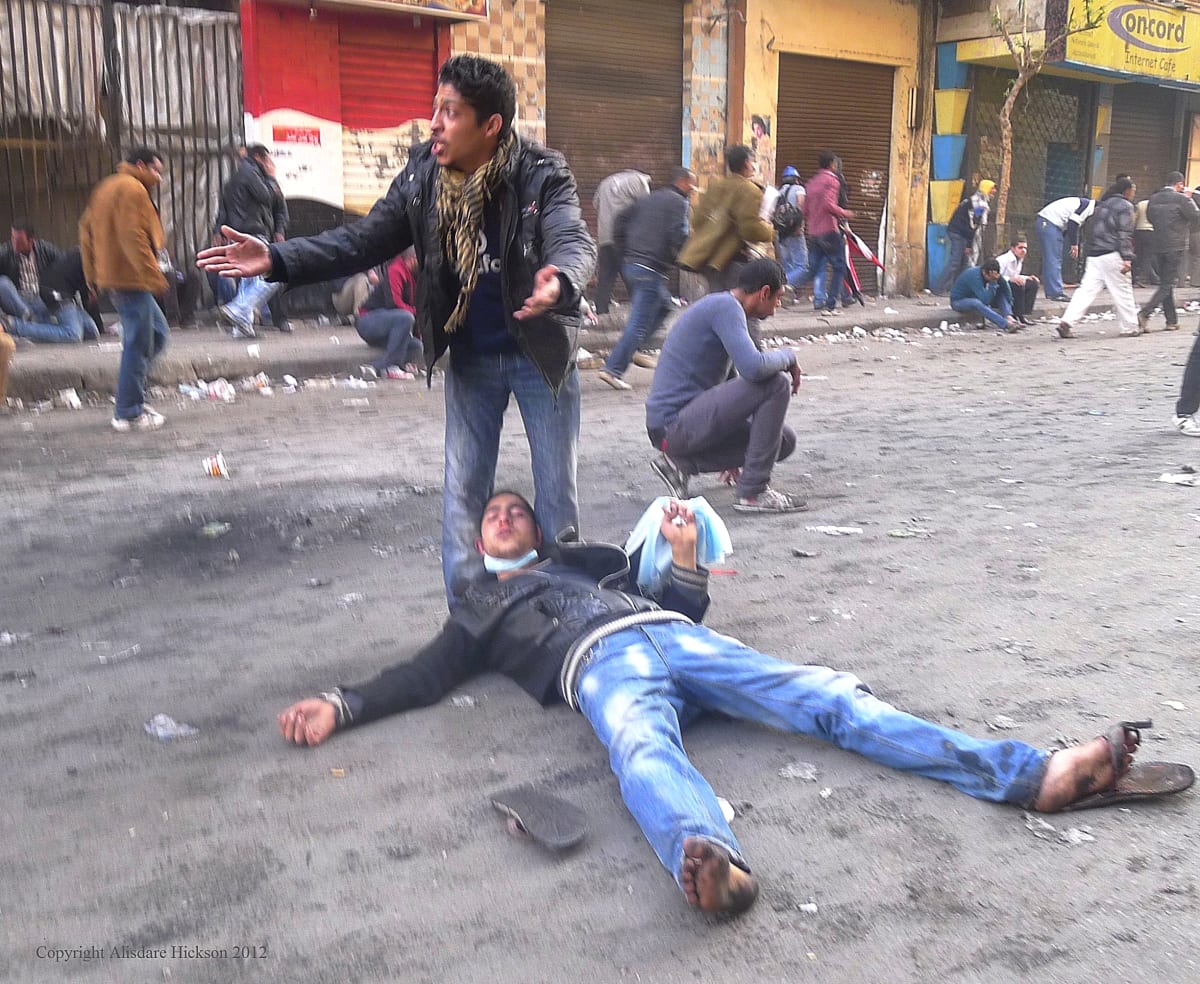
Key Takeaways
- Widespread protests are erupting across major European cities, sparked by a mix of economic grievances, climate activism, and political dissent.
- Law enforcement response has intensified, with heavy deployment of troops, tear‑gas canisters, and curfew orders, raising concerns over civil liberties.
- Historical parallels to the 2019‑2020 European protest wave suggest a deepening societal divide that could reshape the continent’s political landscape.
- Future outlook points to prolonged unrest unless governments address core issues like inflation, climate policy, and democratic reforms.
The Unfolding Crisis: A Weekend of Unrest Across Europe
Over the past 48 hours, streets in Paris, Berlin, Rome, and Madrid have become battlegrounds. Demonstrators armed with flaming barricades, smoke‑filled bottles, and megaphones clashed with police units equipped with riot shields, water cannons, and tear‑gas launchers. The unrest is not confined to a single cause; rather, it is a confluence of economic strain, climate frustration, and political disillusionment.
"What we see today is the boiling point of years of ignored grievances," says Dr. Elena Rossi, a sociopolitical analyst at the European Institute of Social Research.
Why This Weekend Is Different
Economic Pressures Amplified
- Inflation spikes across the Eurozone have pushed living costs to record highs, eroding real wages.
- Youth unemployment remains stubbornly above 15 % in several Southern European nations, fueling a sense of hopelessness.
- Energy prices, still reeling from the aftermath of the Ukraine conflict, have ignited protests in both industrial hubs and affluent districts.
Climate Activism Reignited
The European Climate Summit scheduled for next month was postponed, angering activists who view the decision as a betrayal. In Berlin, a massive climate march turned violent after police attempted to disperse a fringe group that set fire to a police van.
Political Discontent and Democratic Backsliding
Recent legislative reforms in Hungary and Poland perceived as curtailing judicial independence have sparked solidarity protests across the EU. Meanwhile, populist parties in France and Italy are capitalising on the unrest, promising radical change.
The State’s Response: From Police to Troops
Governments have opted for a hard‑line approach:
- France deployed 10,000 additional police officers and activated the Gendarmerie Nationale for crowd control.
- Germany called in Bundeswehr units to support local police, marking a rare use of military forces for domestic order.
- Italy imposed a city‑wide curfew in Rome, with fines for violations.
These measures, while aimed at restoring order, have drawn criticism from human rights organisations. Amnesty International released a statement condemning the “excessive use of tear‑gas and live ammunition in densely populated areas.”
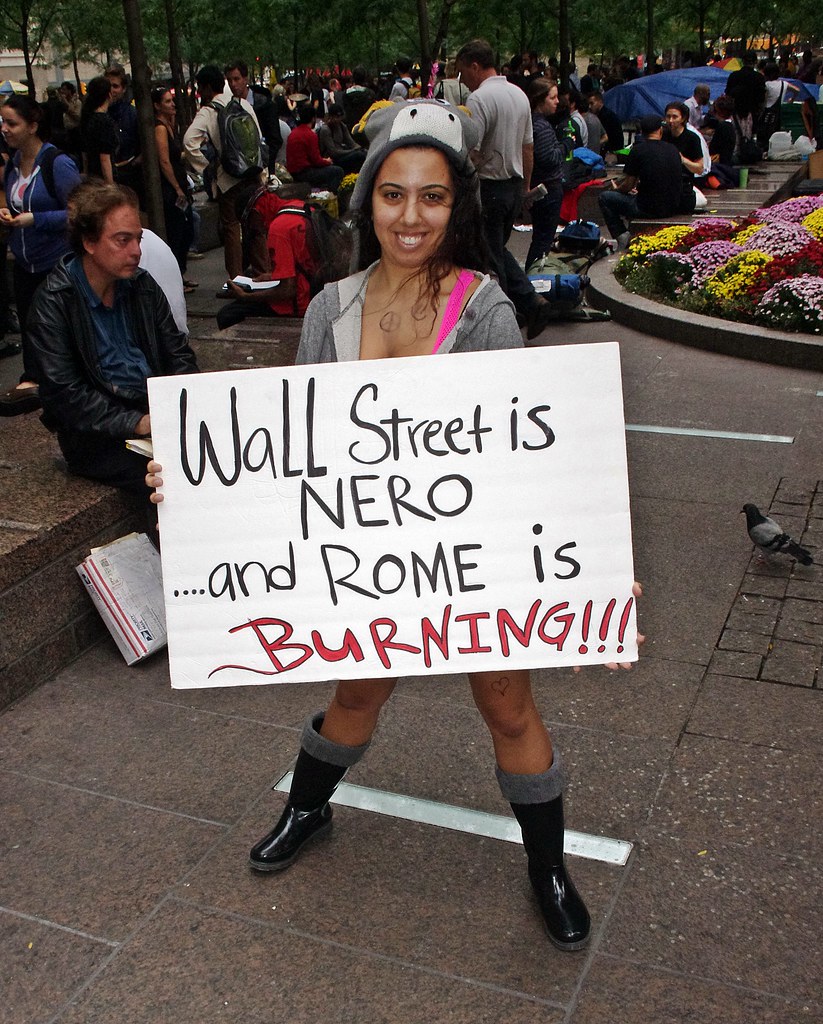 crowd burning barricades Rome
Historical Context: Echoes of 2019‑2020
The current wave mirrors the 2019–2020 European protest movements that began with the Yellow Vests in France and spread to climate strikes in Scandinavia. Back then, the combination of economic inequality and environmental concerns created a persistent undercurrent of dissent that reshaped political discourse.
- 2019: Over 10 million people took to the streets across the EU.
- 2020: The pandemic temporarily dampened protests, but underlying tensions remained.
- 2022‑2023: A resurgence of anti‑austerity and pro‑democracy protests in Eastern Europe.
The present unrest appears to be a cumulative reaction, suggesting that the social contract between European citizens and their governments is under significant strain.
Media Coverage and the Google Trends Surge
The phrase “tear gas, troops and burning barricades” has spiked to the top‑10 on Google Trends in France, Germany, Italy, and Spain. The surge is driven by:
- Live‑streamed footage on platforms like TikTok and Twitter, showing dramatic confrontations.
- Breaking news alerts from outlets such as India Today, BBC, and Le Monde.
- User‑generated content amplifying on Discord and Reddit communities focused on European politics.
Search engines are prioritising real‑time updates, making the story highly visible to global audiences.
Potential Scenarios Moving Forward
| Scenario | Likelihood | Key Drivers |
|---|---|---|
| Escalation – Nationwide curfews, mass arrests, and prolonged military presence | High | Continued economic strain, lack of political dialogue |
| Negotiated Settlement – Governments roll back controversial policies, initiate dialogue | Medium | International pressure, EU mediation, civil society mobilisation |
| Fragmented Unrest – Isolated flashpoints without coordinated national movement | Low | Disparate protest motives, effective police containment |
Voices from the Streets
"We are not against the state; we are against a system that leaves us to starve while the elite thrive," shouted Marta, a 23‑year‑old protester in Madrid, as flames licked the barricades.
These testimonies underscore a deep‑rooted frustration that transcends national borders.
Editorial Analysis & Future Outlook
The weekend’s turbulence is a symptom of a broader European identity crisis. As inflation erodes purchasing power, climate urgency intensifies, and democratic norms wobble, citizens are increasingly willing to risk personal safety to demand change.
From an editorial standpoint, the key takeaway is that reactive policing will not quell the underlying discontent. Sustainable peace will require policy reforms that address wage stagnation, transparent climate action, and the protection of democratic institutions. The EU’s ability to coordinate a unified response could either reassert its relevance or expose its fragmentation.
If governments persist with heavy‑handed tactics, the risk of radicalisation and erosion of civil liberties looms large. Conversely, constructive engagement—including dialogue platforms, targeted economic relief, and clear climate roadmaps—could transform this volatile moment into a catalyst for long‑term reform.
The coming weeks will be pivotal. Media narratives, public sentiment, and political will will intertwine to shape whether Europe emerges from this crisis more united or further divided.
Original Reporting & Source: India Today Top Stories

Discussion (0)
Sign in to join the discussion.
No comments yet. Be the first to start the conversation!