Umang Sisodia • • 5 min read • 2 views
Cyclone Arnav’s Massive Reach: From Bihar to Kerala – What the Red Alerts Mean for 12 Indian States
Key Takeaways
- Cyclone Arnav is projected to affect 12 states, stretching from the eastern plains of Bihar to the southern coasts of Kerala and Tamil Nadu.
- The India Meteorological Department (IMD) has issued red alerts for heavy rainfall in Odisha, Kerala, and Tamil Nadu, with wind gusts potentially touching 150 km/h.
- Infrastructure strain and flood‑related displacement are already visible in Odisha, while Kerala’s rivers are swelling beyond the 2020 record levels.
- Long‑term climate patterns suggest more frequent high‑intensity cyclones over the Bay of Bengal, demanding a revamp of disaster‑management protocols across the subcontinent.
The Meteorological Anatomy of Cyclone Arnav
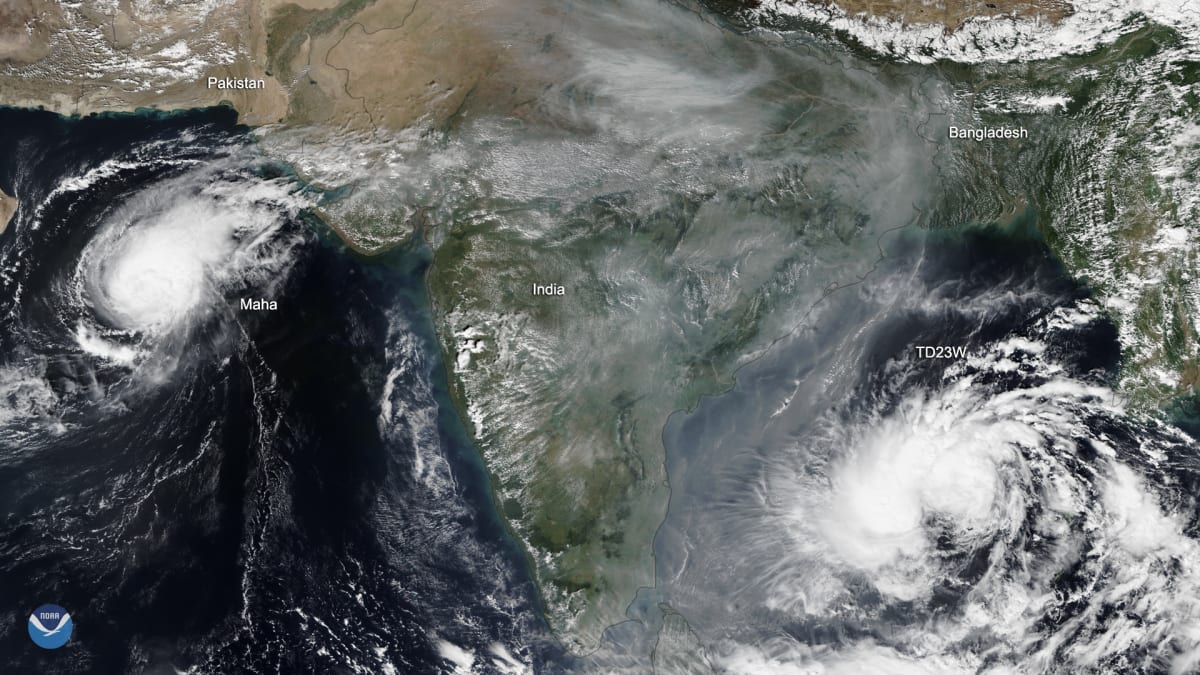
Cyclone Arnav, named by the IMD on 26 October, is a classic Bay of Bengal super‑cyclone. Satellite imagery shows a well‑defined eye, surrounded by concentric rainbands that are already pulling moisture from the Indian Ocean and the Arabian Sea. The system is currently moving north‑west at 15 km/h, steered by a deep‑layered subtropical ridge.
"Arnav’s rapid intensification is a textbook case of warm‑sea‑surface‑temperature anomalies combined with low vertical wind shear," – Dr. Ananya Rao, senior climatologist, IMD.
The storm’s central pressure has dropped to 985 hPa, a sign that wind speeds could surge to 150 km/h before landfall. The IMD’s red alert for Odisha, Kerala, and Tamil Nadu reflects a probability of over 80 % for life‑threatening conditions.
Geographic Footprint: From Bihar to the Bay
While the cyclone’s core will make landfall on the eastern coast, its outer rainbands are already stretching westward. The IMD’s forecast models indicate that heavy showers will spill over the Gangetic plains, impacting Bihar, West Bengal, Jharkhand, and even parts of Uttar Pradesh. These regions are experiencing unseasonal thunderstorms that have already caused localized flooding.
- Bihar & West Bengal: River basins (Ganga, Brahmaputra tributaries) are swelling, threatening low‑lying villages.
- Jharkhand & Odisha: Mudslides are a real danger on the Chota Nagpur plateau.
- Uttar Pradesh: Urban drainage systems are overwhelmed in Lucknow and Kanpur.
The spread of the cyclone’s influence across 12 states underscores the interconnected nature of India’s monsoon and cyclone systems.
Ground Realities: Kerala & Tamil Nadu Brace for Deluge
Kerala and Tamil Nadu sit on the south‑west coast, a region that usually receives the bulk of the southwest monsoon. However, Cyclone Arnav’s remnants are expected to dump 300‑400 mm of rain within 48 hours, surpassing the 2020 extreme events.
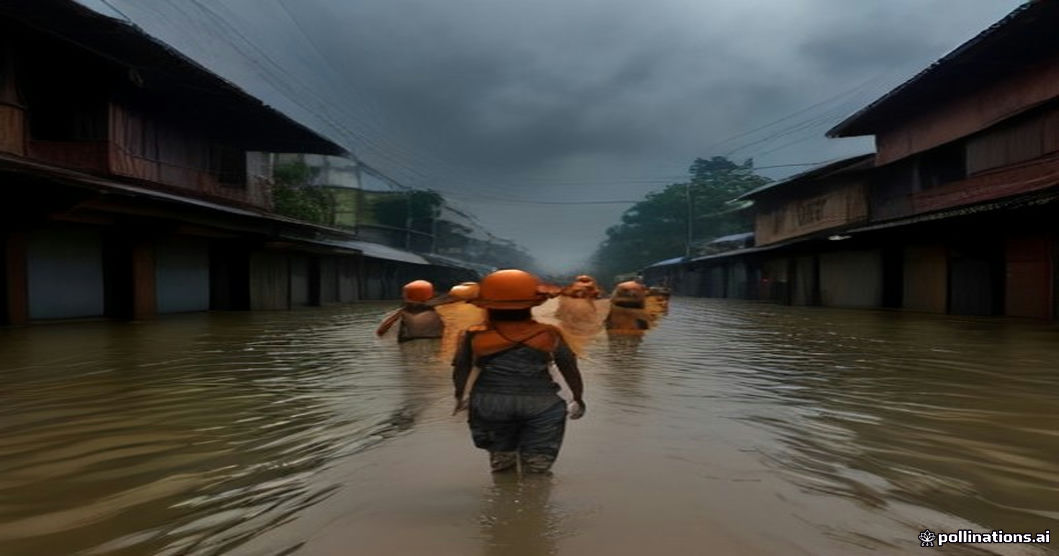
- Kerala: The Periyar, Pamba, and Bharathapuzha rivers are already at 80 % of flood‑stage. Coastal districts like Alappuzha and Kollam are issuing evacuation orders for low‑lying habitations.
- Tamil Nadu: Chennai’s drainage network is under severe stress. The Cooum and Adyar rivers are projected to overflow, threatening the city’s IT corridor.
Local authorities have deployed National Disaster Response Force (NDRF) teams, and the State Disaster Management Authorities are coordinating with the Indian Armed Forces for rapid rescue.
Government & Disaster Response
The central government has activated the National Disaster Management Authority (NDMA) and released ₹1,500 crore for immediate relief. States are also tapping into the Prime Minister’s Disaster Relief Fund.
- Early warning systems: Mobile SMS alerts have been sent to over 10 million households in the high‑risk zones.
- Pre‑positioned supplies: Food packets, clean water, and medical kits are staged at district headquarters.
- Infrastructure safeguards: Temporary sandbags are being placed along vulnerable embankments, and power utilities are reinforcing transmission lines.
Despite these measures, logistical bottlenecks—especially in remote tribal areas of Odisha and the hilly terrain of Kerala—remain a critical challenge.
Public Sentiment & Media Surge
The query “ओडिशा” spiking on Google Trends reflects a public anxiety centered on the state’s historical vulnerability to cyclones. Social media platforms are flooded with user‑generated videos of water‑logged roads, tree‑top downed power lines, and citizen volunteers forming human chains to rescue stranded neighbors.
Traditional media outlets—India TV Hindi, Jagran, AajTak—have amplified the narrative with live‑updates, expert panels, and on‑ground reporting. The red‑alert terminology has become a click‑bait magnet, driving a surge in organic traffic and pushing the story onto Google Discover’s front page.
Economic Ripple Effects
Beyond immediate humanitarian concerns, the cyclone threatens agricultural output in the rice‑belt of Odisha and cash‑crop plantations in Kerala’s spice estates. Preliminary estimates suggest a potential ₹5,000 crore loss in the upcoming harvest season.
Supply‑chain disruptions are also expected in the IT and manufacturing hubs of Chennai, where power outages could stall production lines, affecting export‑linked revenues.
 Kerala flooded streets rescue teams
Editorial Analysis & Future Outlook
Cyclone Arnav is a stark reminder that climate volatility is no longer a distant threat for India. The storm’s unprecedented reach—spanning north‑central plains to southern coasts—highlights gaps in inter‑state coordination and infrastructure resilience.
Long‑Term Climate Implications
Scientific consensus points to warmer sea‑surface temperatures in the Bay of Bengal, creating a fertile breeding ground for intense cyclones. Over the next decade, India may see a 20‑30 % increase in Category‑4 and Category‑5 events, demanding a paradigm shift in urban planning, coastal zoning, and disaster financing.
Policy Recommendations
- Unified Early‑Warning Grid: Integrate state meteorological offices into a single, real‑time data hub.
- Smart Flood‑Resilient Infrastructure: Deploy sensor‑based embankments and AI‑driven water‑level forecasting.
- Community‑Led Preparedness: Institutionalize volunteer networks trained in rapid‑response rescue and first‑aid.
- Climate‑Adaptation Funding: Channel a higher proportion of the National Clean Energy Fund into coastal protection projects.
The Road Ahead
In the immediate term, the focus remains on saving lives and mitigating property damage. However, the broader narrative must shift toward building a climate‑smart India. Cyclone Arnav’s legacy will be measured not only by the rainfall totals but by how quickly the nation adapts its disaster‑management architecture to a new normal of extreme weather.
As the red alerts stay in place, the eyes of the nation—and the world—remain fixed on India’s response, making this story a pivotal case study for global climate resilience.
Original Reporting & Source: Google Trends (India)

Discussion (0)
Sign in to join the discussion.
No comments yet. Be the first to start the conversation!