Umang Sisodia • • 6 min read • 1 view
Cyclone Arnab Looms Over Bay of Bengal: Red Alerts, Heavy Rains and Statewide Preparedness
Key Takeaways
- Red alerts issued in Andhra Pradesh, Odisha, Tamil Tamil Nadu and West Bengal as Cyclone Arnab intensifies over the Bay of Bengal.
- Meteorologists predict landfall between Bapatla and Visakhapatnam on Oct 28, bringing torrential rain, storm surges and widespread flooding.
- States have mobilised over 30,000 relief personnel, opened cyclone shelters and pre‑positioned food, medicines and power restoration kits.
- Historical patterns suggest that early evacuation and robust infrastructure can cut disaster‑related fatalities by up to 40%.
Overview of the Cyclone Threat
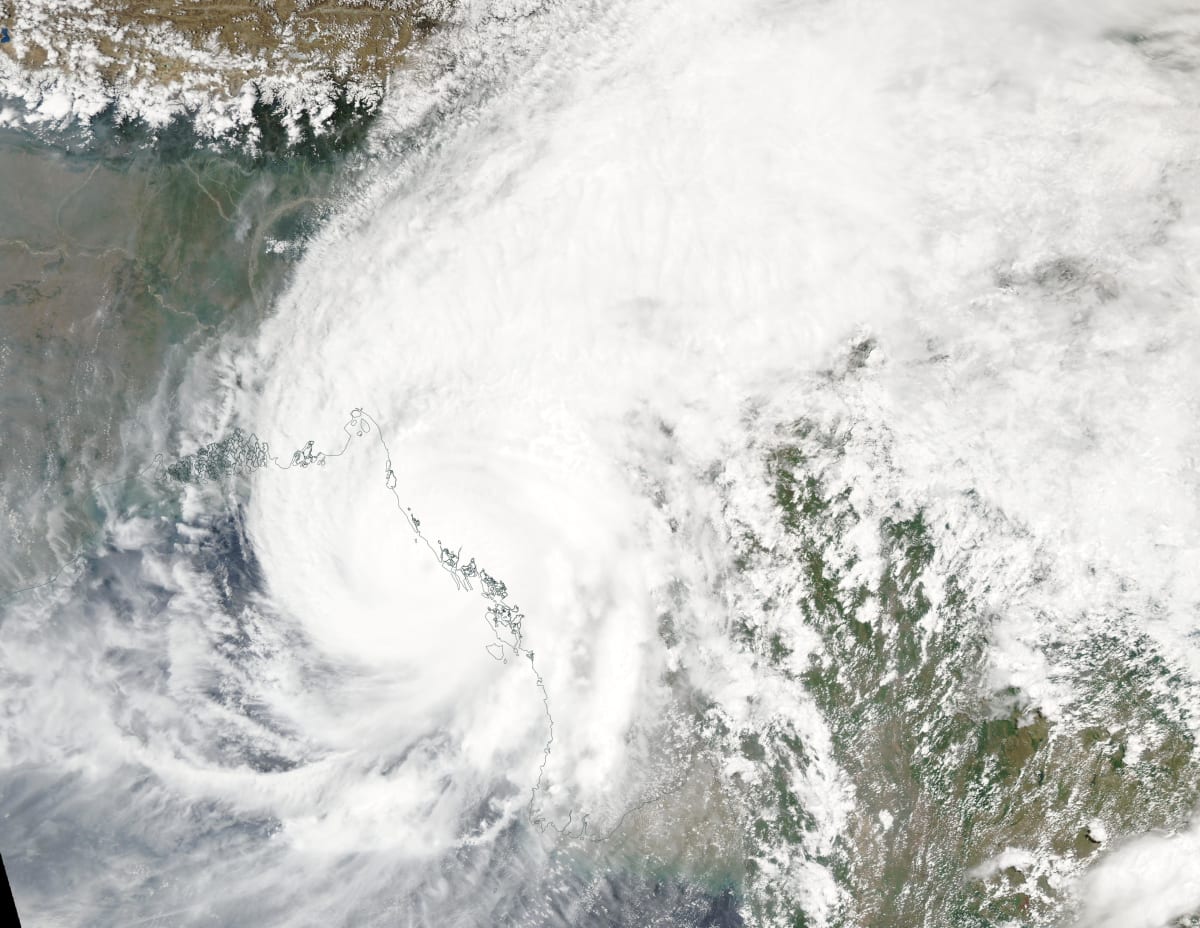
On October 27, satellite imagery captured a rapidly consolidating low‑pressure system swirling over the eastern Bay of Bengal. The India Meteorological Department (IMD) has upgraded the system to Cyclone Arnab, forecasting sustained wind speeds of 120‑140 km/h and a central pressure dropping below 990 hPa. The cyclone is projected to make landfall on the eastern coast of Andhra Pradesh, likely between Bapatla and Visakhapatnam, before tracking north‑westward across the coastal plains of Odisha and West Bengal.
The impending storm has triggered a cascade of red alerts across five states, prompting schools to shut, public transport to suspend, and emergency operations centres to go on full alert. The heavy rains expected from Oct 28‑30 could trigger flash floods in the river basins of the Godavari, Krishna and Mahanadi, compounding the risk for millions of residents.
Meteorological Evolution
The system originated as a tropical depression on Oct 24, feeding off the warm sea‑surface temperatures (around 30 °C) and high humidity levels in the Bay. Within 48 hours, the depression intensified into a deep depression and then a cyclonic storm, thanks to low vertical wind shear and a robust monsoon trough.
"Our models show a clear consolidation of the low‑level vortex, with the eyewall forming by early morning Oct 28. The storm surge could reach 3‑4 metres along the most vulnerable stretches of the Andhra coast," said Dr Ramesh Kumar, senior scientist at the IMD.
The IMD’s 3‑day outlook predicts a north‑westward drift, steered by a subtropical ridge over the Indian subcontinent. As the cyclone approaches land, frictional effects will weaken wind speeds but will dramatically increase rainfall rates, with localized accumulations exceeding 250 mm in 24 hours.
Statewise Preparedness and Alerts
Andhra Pradesh
- Red alert issued for 12 coastal districts.
- Over 10,000 cyclone shelters inspected and stocked with dry rations, drinking water and first‑aid kits.
- The state disaster response force (SDRF) has pre‑positioned 5,000 rescue boats along the coastline.
Odisha
- Red alert for 8 districts, including Puri and Cuttack.
- Schools in vulnerable zones have been closed; public transport on major routes suspended.
- The Odisha Disaster Management Authority (ODMA) has mobilised 12,000 volunteers and set up temporary medical camps.
Tamil Tamil Nadu
- Coastal districts of Chennai, Kancheepuram and Tiruvallur placed under red alert.
- Power utilities have pre‑emptively shut down vulnerable substations to prevent grid failures.
- The Tamil Tamil Nadu Disaster Management Authority (TNDMA) is coordinating with the Indian Navy for rapid‑deployment of relief vessels.
West Bengal & Jharkhand
- Red alerts for South 24 Parganas, Kolkata suburbs and parts of Jharkhand.
- The West Bengal State Disaster Management Authority (WBSDMA) has issued a public advisory urging residents to shift to higher ground.
- Flood‑relief teams equipped with high‑capacity pumps are on standby.
 cyclone relief shelters Andhra Pradesh
Impact on Infrastructure and Communities
The coastal belt of Andhra Pradesh is home to critical infrastructure, including the Krishnapatnam port, major oil refineries and several thermal power plants. A storm surge of 3‑4 metres could inundate low‑lying warehouses, disrupt supply chains and cause power outages affecting over 2 million households.
In Odisha, the Mahanadi delta’s intricate network of embankments faces a heightened risk of breach. Past cyclones, such as Fani (2019), demonstrated that even a modest rise in water level can inundate over 1,500 km² of agricultural land, jeopardising food security for an estimated 3 million people.
Urban centres like Chennai and Kolkata are grappling with the dual threat of heavy rain and clogged drainage systems. The city corporations have deployed mobile pumping units and issued advisories to avoid low‑lying streets after dusk.
Historical Context and Lessons Learned
India’s eastern coast has a long history of cyclonic activity. Between 1990 and 2020, the Bay of Bengal produced over 45 cyclones of varying intensity. Notable events include:
- Cyclone Phailin (2013) – early evacuation of 1.2 million people saved an estimated 5,000 lives.
- Cyclone Hudhud (2014) – highlighted the vulnerability of Visakhapatnam’s port infrastructure.
- Cyclone Amphan (2020) – underscored the need for resilient housing in West Bengal’s Sundarbans.
Each event has refined the country’s disaster management playbook: timely alerts, community‑level shelters, and robust communication networks are now standard practice. However, gaps remain in real‑time flood mapping and last‑mile logistics, especially in remote tribal regions.
Economic and Humanitarian Implications
Preliminary estimates from the Ministry of Home Affairs suggest that the economic loss from Cyclone Arnab could range between ₹8,000‑₹12 billion (≈ $100‑150 million) if the storm surge impacts major ports and industrial zones. The agricultural sector could see a 15‑20% dip in rice output across the delta regions, affecting both domestic consumption and export earnings.
Humanitarian agencies, including the National Disaster Response Force (NDRF) and International Red Cross, are on standby with 10,000 relief kits, each containing blankets, oral rehydration salts and basic medicines. The focus is on preventing water‑borne diseases that typically surge in the aftermath of heavy monsoon rains.
Editorial Analysis & Future Outlook
Cyclone Arnab arrives at a time when India is still recovering from successive monsoon floods and the lingering economic shock of global supply‑chain disruptions. The coordinated response across multiple states demonstrates a maturing disaster‑management ecosystem, yet the true test will be in execution.
Short‑term outlook: If the landfall occurs as forecasted, immediate priorities will be swift evacuation, rapid restoration of power and water services, and containment of floodwaters through pump deployment. The effectiveness of these actions will directly influence casualty figures and post‑storm economic recovery.
Long‑term perspective: Climate models project an increase in the frequency and intensity of cyclones in the Bay of Bengal over the next two decades. This underscores the urgency for climate‑resilient infrastructure, such as elevated roads, cyclone‑proof housing, and AI‑driven early‑warning systems. Moreover, integrating community‑based monitoring with satellite data can bridge the current information gap in remote areas.
In conclusion, while Cyclone Arnab poses a serious threat, the proactive stance taken by state governments, central agencies and civil society offers a blueprint for mitigating loss of life. The coming days will reveal how well these plans translate into on‑ground action, and whether India can set a new benchmark for cyclone preparedness in a warming world.
Original Reporting & Source: The Hindu

Discussion (0)
Sign in to join the discussion.
No comments yet. Be the first to start the conversation!