Umang Sisodia • • 6 min read • 1 view

Fire Ravages Commercial Hub Near Jammu Railway Station, 40 Shops Destroyed
Listen to Article
Select a voice and press play
Fire Ravages Commercial Hub Near Jammu Railway Station, 40 Shops Destroyed

Key Takeaways

  • A massive fire broke out on the night of 25 Oct 2026 near Jammu Railway Station, gutting more than 40 small‑business shops.
  • Rapid response from the Jammu Fire Service, police, and local volunteers limited the blaze to the commercial complex, but the damage to livelihoods is extensive.
  • The incident revives long‑standing concerns over fire safety compliance, inadequate electrical wiring, and cramped urban planning in Jammu’s bustling market districts.
  • Recovery will hinge on coordinated government relief, insurance payouts, and community‑driven rebuilding, while regulators face pressure to tighten safety audits.

Incident Overview

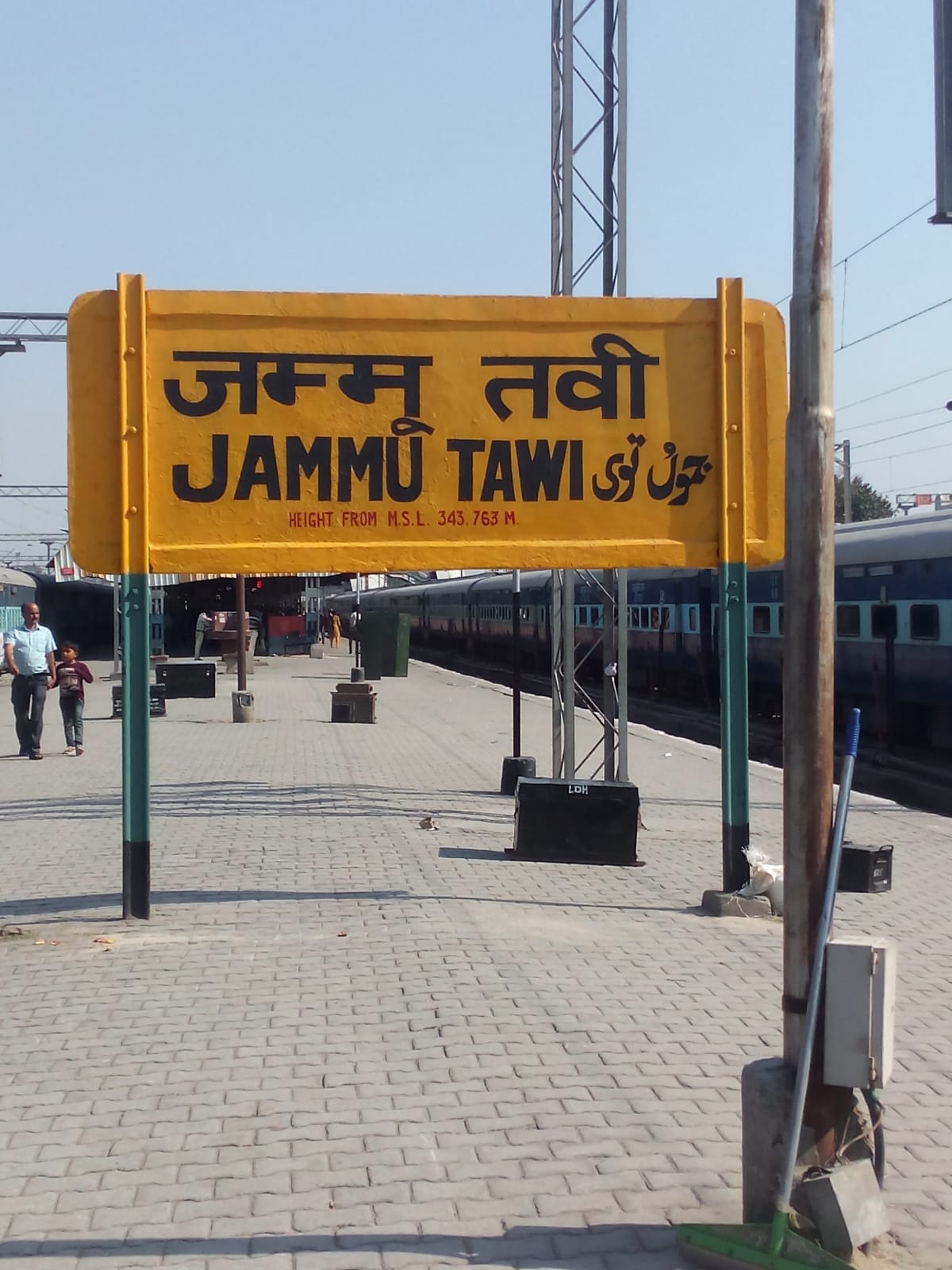
On the evening of 25 October 2026, a fierce fire erupted in the commercial hub situated just a few metres from the Jammu Railway Station. The blaze, which started around 9:30 PM, quickly engulfed a cluster of narrow lanes packed with over 40 retail shops, ranging from textile stalls to electronic gadget outlets. By the time the fire was finally contained at approximately 2:00 AM the next day, the inferno had reduced the entire market to smouldering ruins, leaving shop owners and employees in shock.

According to eyewitnesses, the fire originated in a makeshift electrical wiring box inside one of the larger stores. The overloaded circuit sparked, and the dry wooden structures, coupled with stacked merchandise, acted as tinder. Within minutes, the flames leapt from shop to shop, fed by the tightly packed layout and the lack of firebreaks.

Why This Story Went Viral

  • Human Impact: Over 200 families depend on these shops for daily income. The sudden loss of livelihood resonated deeply on social media, prompting a wave of empathy and calls for aid.
  • Strategic Location: The market’s proximity to Jammu Railway Station, a major transit hub for tourists and pilgrims heading to the Vaishno Devi shrine, amplified concerns about safety for commuters.
  • Regulatory Spotlight: Previous fire incidents in the region (e.g., the 2022 Udhampur market fire) have raised questions about the enforcement of fire‑safety norms, making this incident a flashpoint for policy debate.

Immediate Response

The Jammu Fire Service arrived on the scene within minutes, deploying four fire‑tender trucks, two rescue units, and a high‑capacity water tanker sourced from the nearby Bahu Khal reservoir. Firefighters faced several challenges:

  • Narrow alleyways that hampered the maneuverability of fire‑engine ladders.
  • Electrical hazards that persisted as live wires hung from the collapsed roofs.
  • Heavy smoke that reduced visibility, necessitating the use of breathing apparatuses.

Local residents formed ad‑hoc volunteer groups, forming human chains to hand over sandbags and assist in evacuating shop owners. The Jammu Police cordoned off the area, diverting traffic from the main road to prevent further casualties.

"Our priority was to contain the fire and rescue any trapped individuals. The cooperation from the community was exemplary," said Deputy Commissioner of Police (Fire) Rajesh Kumar in a press briefing.

By early morning, the fire was declared under control, but the after‑effects—thick black smoke, structural instability, and the stench of burnt plastic— lingered.


Economic & Social Impact

Direct Losses

  • Property Damage: Estimated at ₹ 12‑15 crore (≈ US$ 1.5‑2 million) covering shop inventory, fixtures, and structural repairs.
  • Employment: Approximately 180 shop‑floor workers and 30 delivery personnel are now without income.
  • Supply Chain Disruption: The market supplied raw textiles to several downstream manufacturers; their production lines face delays.

Ripple Effects

  • Tourist Footfall: Jammu Railway Station serves as the gateway for pilgrims to Vaishno Devi; the fire’s aftermath may deter travelers from using nearby markets for last‑minute purchases.
  • Real‑Estate Prices: Commercial rents in the vicinity have historically been premium due to foot traffic. The devastation could lead to a short‑term dip, affecting landlords and investors.
  • Insurance Claims: Many small traders lack comprehensive fire insurance, raising concerns about financial recovery and prompting calls for government‑subsidized insurance schemes.


Safety Concerns & Regulatory Gaps

The Jammu fire exposed systemic weaknesses:

  1. Electrical Overload: Many shops rely on illegal wiring and over‑loaded power strips due to insufficient legal connections.
  2. Lack of Fire Extinguishers: Only 12 % of the affected shops reportedly had functional fire extinguishers, a figure corroborated by the Jammu Municipal Corporation’s 2024 audit.
  3. Inadequate Urban Planning: The market’s maze‑like layout violates the National Building Code’s recommendations for fire exits and access routes.
  4. Delayed Inspection: The last fire‑safety inspection in the area was conducted over three years ago, highlighting bureaucratic delays.

Activists are now demanding a mandatory fire‑safety audit for all commercial zones within a 5‑km radius of major transport hubs. The Jammu and Kashmir State Government has pledged to set up a fast‑track task force to review and enforce compliance.


Community Resilience & Recovery Efforts

Despite the devastation, the local community has shown remarkable solidarity:

  • Crowdfunding Campaigns: Over ₹ 2 crore has been raised on platforms like Ketto and GoFundMe India, earmarked for immediate relief.
  • NGO Intervention: Organizations such as Jammu Relief Trust are distributing food packets, temporary shelters, and psychological counseling.
  • Government Aid: The State Disaster Management Authority (SDMA) announced an immediate cash assistance of ₹ 10,000 per affected family, along with a low‑interest loan scheme for rebuilding.

These initiatives aim to provide short‑term relief while laying the groundwork for long‑term reconstruction. The Jammu Municipal Corporation has also earmarked ₹ 5 crore for rebuilding a fire‑resistant market complex with wider lanes, fire‑break walls, and built‑in sprinkler systems.


Editorial Analysis & Future Outlook

The Jammu fire is a stark reminder that rapid urbanization in North India often outpaces infrastructure safety. While the immediate response was commendable, the incident underscores a policy vacuum concerning fire‑risk mitigation in densely packed commercial districts.

Long‑term implications may include:

  • Stricter Enforcement: Expect a revamp of the fire‑code inspection regime, with digital permits and real‑time compliance dashboards.
  • Urban Redesign: Municipal planners are likely to re‑zone high‑risk market areas, introducing mandatory fire lanes and centralized utility hubs.
  • Insurance Penetration: The tragedy could catalyze micro‑insurance products tailored for small traders, backed by state subsidies.
  • Community‑Driven Safety Nets: Grassroots groups may form neighbourhood fire watch committees, akin to the ‘Mahila Suraksha’ initiatives seen in Delhi’s markets.

In the broader narrative, Jammu’s experience may serve as a case study for other North‑Indian cities grappling with similar challenges—balancing commercial vibrancy with safety. The media spotlight and public outcry are likely to push policymakers toward holistic, technology‑enabled solutions, ensuring that a market’s hustle does not become its Achilles’ heel.

As the city rebuilds, the resilience of its merchants, the agility of its emergency services, and the urgency of regulatory reforms will together determine whether Jammu emerges stronger or remains vulnerable to the next blaze.


Original Reporting & Source: India Today Top Stories

Discussion (0)

Sign in to join the discussion.

No comments yet. Be the first to start the conversation!

| |

Fire Ravages Commercial Hub Near Jammu Railway Station, 40 Shops Destroyed

By Umang Sisodia • 6 min read • 1 view

Key Takeaways

  • A massive fire broke out on the night of 25 Oct 2026 near Jammu Railway Station, gutting more than 40 small‑business shops.
  • Rapid response from the Jammu Fire Service, police, and local volunteers limited the blaze to the commercial complex, but the damage to livelihoods is extensive.
  • The incident revives long‑standing concerns over fire safety compliance, inadequate electrical wiring, and cramped urban planning in Jammu’s bustling market districts.
  • Recovery will hinge on coordinated government relief, insurance payouts, and community‑driven rebuilding, while regulators face pressure to tighten safety audits.

Incident Overview

On the evening of 25 October 2026, a fierce fire erupted in the commercial hub situated just a few metres from the Jammu Railway Station. The blaze, which started around 9:30 PM, quickly engulfed a cluster of narrow lanes packed with over 40 retail shops, ranging from textile stalls to electronic gadget outlets. By the time the fire was finally contained at approximately 2:00 AM the next day, the inferno had reduced the entire market to smouldering ruins, leaving shop owners and employees in shock.

According to eyewitnesses, the fire originated in a makeshift electrical wiring box inside one of the larger stores. The overloaded circuit sparked, and the dry wooden structures, coupled with stacked merchandise, acted as tinder. Within minutes, the flames leapt from shop to shop, fed by the tightly packed layout and the lack of firebreaks.

Why This Story Went Viral

  • Human Impact: Over 200 families depend on these shops for daily income. The sudden loss of livelihood resonated deeply on social media, prompting a wave of empathy and calls for aid.
  • Strategic Location: The market’s proximity to Jammu Railway Station, a major transit hub for tourists and pilgrims heading to the Vaishno Devi shrine, amplified concerns about safety for commuters.
  • Regulatory Spotlight: Previous fire incidents in the region (e.g., the 2022 Udhampur market fire) have raised questions about the enforcement of fire‑safety norms, making this incident a flashpoint for policy debate.

Immediate Response

The Jammu Fire Service arrived on the scene within minutes, deploying four fire‑tender trucks, two rescue units, and a high‑capacity water tanker sourced from the nearby Bahu Khal reservoir. Firefighters faced several challenges:

  • Narrow alleyways that hampered the maneuverability of fire‑engine ladders.
  • Electrical hazards that persisted as live wires hung from the collapsed roofs.
  • Heavy smoke that reduced visibility, necessitating the use of breathing apparatuses.

Local residents formed ad‑hoc volunteer groups, forming human chains to hand over sandbags and assist in evacuating shop owners. The Jammu Police cordoned off the area, diverting traffic from the main road to prevent further casualties.

"Our priority was to contain the fire and rescue any trapped individuals. The cooperation from the community was exemplary," said Deputy Commissioner of Police (Fire) Rajesh Kumar in a press briefing.

By early morning, the fire was declared under control, but the after‑effects—thick black smoke, structural instability, and the stench of burnt plastic— lingered.


Economic & Social Impact

Direct Losses

  • Property Damage: Estimated at ₹ 12‑15 crore (≈ US$ 1.5‑2 million) covering shop inventory, fixtures, and structural repairs.
  • Employment: Approximately 180 shop‑floor workers and 30 delivery personnel are now without income.
  • Supply Chain Disruption: The market supplied raw textiles to several downstream manufacturers; their production lines face delays.

Ripple Effects

  • Tourist Footfall: Jammu Railway Station serves as the gateway for pilgrims to Vaishno Devi; the fire’s aftermath may deter travelers from using nearby markets for last‑minute purchases.
  • Real‑Estate Prices: Commercial rents in the vicinity have historically been premium due to foot traffic. The devastation could lead to a short‑term dip, affecting landlords and investors.
  • Insurance Claims: Many small traders lack comprehensive fire insurance, raising concerns about financial recovery and prompting calls for government‑subsidized insurance schemes.


Safety Concerns & Regulatory Gaps

The Jammu fire exposed systemic weaknesses:

  1. Electrical Overload: Many shops rely on illegal wiring and over‑loaded power strips due to insufficient legal connections.
  2. Lack of Fire Extinguishers: Only 12 % of the affected shops reportedly had functional fire extinguishers, a figure corroborated by the Jammu Municipal Corporation’s 2024 audit.
  3. Inadequate Urban Planning: The market’s maze‑like layout violates the National Building Code’s recommendations for fire exits and access routes.
  4. Delayed Inspection: The last fire‑safety inspection in the area was conducted over three years ago, highlighting bureaucratic delays.

Activists are now demanding a mandatory fire‑safety audit for all commercial zones within a 5‑km radius of major transport hubs. The Jammu and Kashmir State Government has pledged to set up a fast‑track task force to review and enforce compliance.


Community Resilience & Recovery Efforts

Despite the devastation, the local community has shown remarkable solidarity:

  • Crowdfunding Campaigns: Over ₹ 2 crore has been raised on platforms like Ketto and GoFundMe India, earmarked for immediate relief.
  • NGO Intervention: Organizations such as Jammu Relief Trust are distributing food packets, temporary shelters, and psychological counseling.
  • Government Aid: The State Disaster Management Authority (SDMA) announced an immediate cash assistance of ₹ 10,000 per affected family, along with a low‑interest loan scheme for rebuilding.

These initiatives aim to provide short‑term relief while laying the groundwork for long‑term reconstruction. The Jammu Municipal Corporation has also earmarked ₹ 5 crore for rebuilding a fire‑resistant market complex with wider lanes, fire‑break walls, and built‑in sprinkler systems.


Editorial Analysis & Future Outlook

The Jammu fire is a stark reminder that rapid urbanization in North India often outpaces infrastructure safety. While the immediate response was commendable, the incident underscores a policy vacuum concerning fire‑risk mitigation in densely packed commercial districts.

Long‑term implications may include:

  • Stricter Enforcement: Expect a revamp of the fire‑code inspection regime, with digital permits and real‑time compliance dashboards.
  • Urban Redesign: Municipal planners are likely to re‑zone high‑risk market areas, introducing mandatory fire lanes and centralized utility hubs.
  • Insurance Penetration: The tragedy could catalyze micro‑insurance products tailored for small traders, backed by state subsidies.
  • Community‑Driven Safety Nets: Grassroots groups may form neighbourhood fire watch committees, akin to the ‘Mahila Suraksha’ initiatives seen in Delhi’s markets.

In the broader narrative, Jammu’s experience may serve as a case study for other North‑Indian cities grappling with similar challenges—balancing commercial vibrancy with safety. The media spotlight and public outcry are likely to push policymakers toward holistic, technology‑enabled solutions, ensuring that a market’s hustle does not become its Achilles’ heel.

As the city rebuilds, the resilience of its merchants, the agility of its emergency services, and the urgency of regulatory reforms will together determine whether Jammu emerges stronger or remains vulnerable to the next blaze.


Original Reporting & Source: India Today Top Stories