Umang Sisodia • • 6 min read • 1 view

Iran‑US Tensions Spike as Trump Rules Out Immediate Strikes and Israeli Forces Raid Hebron
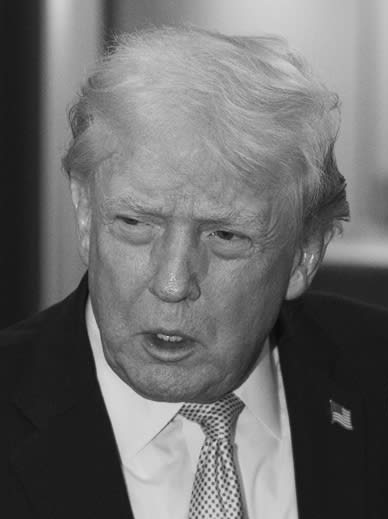
Listen to Article
Select a voice and press play
Iran‑US Tensions Spike as Trump Rules Out Immediate Strikes and Israeli Forces Raid Hebron

Key Takeaways

  • Trump publicly dismisses a U.S. strike on Iran for the day, signaling a pause amid heightened naval deployments.
  • Israeli troops conduct a coordinated raid in Hebron, intensifying ground‑level friction in the West Bank.
  • The dual headlines have trended in India, reflecting global interest in Middle‑East flashpoints and their potential impact on energy markets.
  • Analysts warn that today’s restraint could be a tactical pause, not a de‑escalation, with long‑term geopolitical reverberations.

The Immediate Flashpoint: U.S. Stance on Iran

The world awoke to a headline that read like a script from a geopolitical thriller: "Iran war live: Trump rules out strikes ‘today'; Israeli forces raid Hebron". The statement came from a live press briefing at the White House, where President Donald Trump addressed mounting pressure from his national security team and Congress to respond to Iran’s recent missile tests and alleged naval provocations in the Strait of Hormuz.

"We are not going to strike today. We are watching, we are assessing, and we will act when the time is right," Trump declared, his voice steady against a backdrop of flashing cameras.

The President’s refusal to order an immediate strike was accompanied by a visible surge of U.S. warships – the USS Gerald R. Ford carrier strike group and several destroyers – repositioned to the Arabian Sea. This show of force, while not an outright attack, signals a strategic escalation: the United States is signaling its readiness to intervene without crossing the threshold of kinetic warfare.

Why the Statement Matters

  1. Domestic politics – With the 2026 mid‑term elections looming, Trump’s measured tone aims to appease both hawkish voters and war‑wearied constituents.
  2. Energy markets – Oil futures spiked 2.3% after the announcement, reflecting investor anxiety over potential supply disruptions.
  3. Allied coordination – NATO allies, particularly the United Kingdom and France, issued joint statements urging diplomatic channels, underscoring a multilateral push for restraint.

Israeli Operations in Hebron: A Ground Reality

While Washington debated its next move, Israeli Defense Forces (IDF) launched a pre‑dawn raid in the contested city of Hebron, a flashpoint in the Israeli‑Palestinian conflict. According to Al Jazeera, the operation targeted suspected militants linked to recent rocket launches from the West Bank. Israeli commanders described the raid as "precision‑focused" and essential to pre‑empt further attacks.

The raid unfolded in the narrow, stone‑laden alleys of Hebron’s Old City, where IDF soldiers in tactical gear moved in coordinated squads. Palestinian residents reported tear‑gas canisters, curfews, and a temporary shutdown of the famed Hebron market. Video footage circulating on social media shows civilians—men, women, and children—watching the soldiers with a mix of fear and defiance.

Humanitarian Concerns

  • Casualties: Initial reports indicate two Palestinians injured, one of them a minor, and one Israeli soldier lightly wounded.
  • Access restrictions: Humanitarian NGOs were denied entry for several hours, hampering medical assistance.
  • International reaction: The United Nations called for an immediate cessation of hostilities, while the United States urged Israel to "exercise maximum restraint."
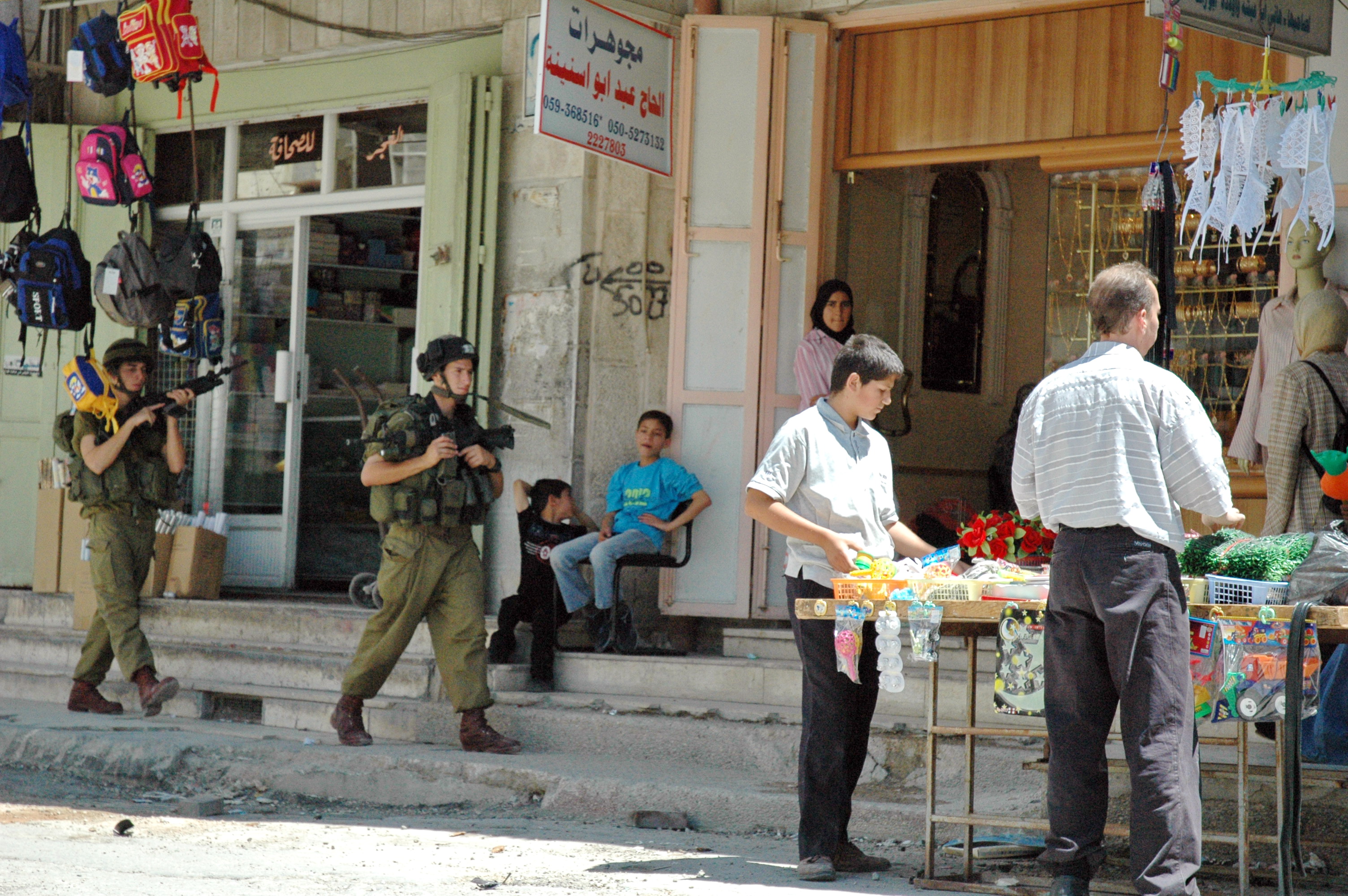
Israeli forces Hebron raid 2026 Israeli forces Hebron raid 2026

Regional Ripple Effects

The twin developments—U.S. naval posturing and the Hebron raid—have created a domino effect across the Middle East:

  • Iran issued a stern warning, stating that any aggression against it would be met with "proportionate retaliation" and hinted at a possible escalation in the Persian Gulf.
  • Saudi Arabia and UAE expressed support for U.S. deterrence but urged diplomatic dialogue to avoid a broader war.
  • Lebanon’s Hezbollah posted a threatening video, promising to "defend the cause of the oppressed" if Israel expands its operations.

These statements amplify a risk matrix that analysts at the International Crisis Group label "high‑tension, low‑trigger" – meaning the situation is volatile but not yet at a point where a single incident would automatically ignite a full‑scale conflict.

Why India Is Watching

India’s Google Trends data shows a spike of over 2,000 searches for "today news" coinciding with these headlines. Several factors explain this heightened Indian interest:

  1. Energy security – India imports roughly 80% of its oil from the Middle East. Any disruption in the Strait of Hormuz directly threatens fuel prices and industrial output.
  2. Diaspora concerns – Over 2.5 million Indians reside in the Gulf region; families closely monitor safety alerts.
  3. Strategic alignment – New Delhi’s defence partnership with the United States, especially the "Indo‑Pacific" framework, makes U.S. Middle‑East policy a matter of national security.
  4. Geopolitical curiosity – With the upcoming elections, Indian media outlets are dissecting how global power plays could affect India’s foreign‑policy posture.

Editorial Analysis & Future Outlook

The current restraint shown by President Trump should not be interpreted as a permanent de‑escalation. Historically, U.S. pauses in the face of Iranian provocations have often been followed by targeted strikes once diplomatic channels narrow. The presence of the carrier strike group, however, adds a credible deterrent that may force Tehran to recalibrate its calculus.

In Hebron, the IDF’s raid underscores Israel’s zero‑tolerance policy for any perceived escalation emanating from the West Bank. Yet, each operation risks inflaming Palestinian public opinion and drawing international condemnation, potentially isolating Israel diplomatically.

Looking ahead, three scenarios appear plausible:

  1. Controlled escalation – The U.S. may conduct limited cyber‑or kinetic actions against Iranian naval assets, while Israel continues low‑intensity operations in the West Bank. This would keep the conflict contained but maintain a high‑risk environment.
  2. Full‑scale confrontation – A miscalculation—perhaps an accidental missile interception—could trigger reciprocal strikes, pulling NATO and regional allies into a broader war.
  3. Diplomatic thaw – Intense back‑channel negotiations, possibly mediated by the EU or Qatar, could lead to a temporary cease‑fire and a roadmap for de‑escalation, though trust deficits make this the least likely.

For India, the prudent path lies in diversifying energy sources, bolstering strategic reserves, and maintaining open diplomatic channels with both Washington and Tehran. As the situation unfolds, Indian policymakers will need to balance energy imperatives with regional stability concerns.

In the final analysis, today’s headlines are a reminder that the Middle East remains a volatile theater where global powers test the limits of restraint. The world’s reaction—particularly from emerging economies like India—will shape the next chapter of 21st‑century geopolitics.


Original Reporting & Source: Google Trends (India)

Discussion (0)

Sign in to join the discussion.

No comments yet. Be the first to start the conversation!

| |

Iran‑US Tensions Spike as Trump Rules Out Immediate Strikes and Israeli Forces Raid Hebron

By Umang Sisodia • 6 min read • 1 view

Key Takeaways

  • Trump publicly dismisses a U.S. strike on Iran for the day, signaling a pause amid heightened naval deployments.
  • Israeli troops conduct a coordinated raid in Hebron, intensifying ground‑level friction in the West Bank.
  • The dual headlines have trended in India, reflecting global interest in Middle‑East flashpoints and their potential impact on energy markets.
  • Analysts warn that today’s restraint could be a tactical pause, not a de‑escalation, with long‑term geopolitical reverberations.

The Immediate Flashpoint: U.S. Stance on Iran

The world awoke to a headline that read like a script from a geopolitical thriller: "Iran war live: Trump rules out strikes ‘today'; Israeli forces raid Hebron". The statement came from a live press briefing at the White House, where President Donald Trump addressed mounting pressure from his national security team and Congress to respond to Iran’s recent missile tests and alleged naval provocations in the Strait of Hormuz.

"We are not going to strike today. We are watching, we are assessing, and we will act when the time is right," Trump declared, his voice steady against a backdrop of flashing cameras.

The President’s refusal to order an immediate strike was accompanied by a visible surge of U.S. warships – the USS Gerald R. Ford carrier strike group and several destroyers – repositioned to the Arabian Sea. This show of force, while not an outright attack, signals a strategic escalation: the United States is signaling its readiness to intervene without crossing the threshold of kinetic warfare.

Why the Statement Matters

  1. Domestic politics – With the 2026 mid‑term elections looming, Trump’s measured tone aims to appease both hawkish voters and war‑wearied constituents.
  2. Energy markets – Oil futures spiked 2.3% after the announcement, reflecting investor anxiety over potential supply disruptions.
  3. Allied coordination – NATO allies, particularly the United Kingdom and France, issued joint statements urging diplomatic channels, underscoring a multilateral push for restraint.

Israeli Operations in Hebron: A Ground Reality

While Washington debated its next move, Israeli Defense Forces (IDF) launched a pre‑dawn raid in the contested city of Hebron, a flashpoint in the Israeli‑Palestinian conflict. According to Al Jazeera, the operation targeted suspected militants linked to recent rocket launches from the West Bank. Israeli commanders described the raid as "precision‑focused" and essential to pre‑empt further attacks.

The raid unfolded in the narrow, stone‑laden alleys of Hebron’s Old City, where IDF soldiers in tactical gear moved in coordinated squads. Palestinian residents reported tear‑gas canisters, curfews, and a temporary shutdown of the famed Hebron market. Video footage circulating on social media shows civilians—men, women, and children—watching the soldiers with a mix of fear and defiance.

Humanitarian Concerns

  • Casualties: Initial reports indicate two Palestinians injured, one of them a minor, and one Israeli soldier lightly wounded.
  • Access restrictions: Humanitarian NGOs were denied entry for several hours, hampering medical assistance.
  • International reaction: The United Nations called for an immediate cessation of hostilities, while the United States urged Israel to "exercise maximum restraint."

Israeli forces Hebron raid 2026 Israeli forces Hebron raid 2026

Regional Ripple Effects

The twin developments—U.S. naval posturing and the Hebron raid—have created a domino effect across the Middle East:

  • Iran issued a stern warning, stating that any aggression against it would be met with "proportionate retaliation" and hinted at a possible escalation in the Persian Gulf.
  • Saudi Arabia and UAE expressed support for U.S. deterrence but urged diplomatic dialogue to avoid a broader war.
  • Lebanon’s Hezbollah posted a threatening video, promising to "defend the cause of the oppressed" if Israel expands its operations.

These statements amplify a risk matrix that analysts at the International Crisis Group label "high‑tension, low‑trigger" – meaning the situation is volatile but not yet at a point where a single incident would automatically ignite a full‑scale conflict.

Why India Is Watching

India’s Google Trends data shows a spike of over 2,000 searches for "today news" coinciding with these headlines. Several factors explain this heightened Indian interest:

  1. Energy security – India imports roughly 80% of its oil from the Middle East. Any disruption in the Strait of Hormuz directly threatens fuel prices and industrial output.
  2. Diaspora concerns – Over 2.5 million Indians reside in the Gulf region; families closely monitor safety alerts.
  3. Strategic alignment – New Delhi’s defence partnership with the United States, especially the "Indo‑Pacific" framework, makes U.S. Middle‑East policy a matter of national security.
  4. Geopolitical curiosity – With the upcoming elections, Indian media outlets are dissecting how global power plays could affect India’s foreign‑policy posture.

Editorial Analysis & Future Outlook

The current restraint shown by President Trump should not be interpreted as a permanent de‑escalation. Historically, U.S. pauses in the face of Iranian provocations have often been followed by targeted strikes once diplomatic channels narrow. The presence of the carrier strike group, however, adds a credible deterrent that may force Tehran to recalibrate its calculus.

In Hebron, the IDF’s raid underscores Israel’s zero‑tolerance policy for any perceived escalation emanating from the West Bank. Yet, each operation risks inflaming Palestinian public opinion and drawing international condemnation, potentially isolating Israel diplomatically.

Looking ahead, three scenarios appear plausible:

  1. Controlled escalation – The U.S. may conduct limited cyber‑or kinetic actions against Iranian naval assets, while Israel continues low‑intensity operations in the West Bank. This would keep the conflict contained but maintain a high‑risk environment.
  2. Full‑scale confrontation – A miscalculation—perhaps an accidental missile interception—could trigger reciprocal strikes, pulling NATO and regional allies into a broader war.
  3. Diplomatic thaw – Intense back‑channel negotiations, possibly mediated by the EU or Qatar, could lead to a temporary cease‑fire and a roadmap for de‑escalation, though trust deficits make this the least likely.

For India, the prudent path lies in diversifying energy sources, bolstering strategic reserves, and maintaining open diplomatic channels with both Washington and Tehran. As the situation unfolds, Indian policymakers will need to balance energy imperatives with regional stability concerns.

In the final analysis, today’s headlines are a reminder that the Middle East remains a volatile theater where global powers test the limits of restraint. The world’s reaction—particularly from emerging economies like India—will shape the next chapter of 21st‑century geopolitics.


Original Reporting & Source: Google Trends (India)