Umang Sisodia • • 5 min read • 1 view
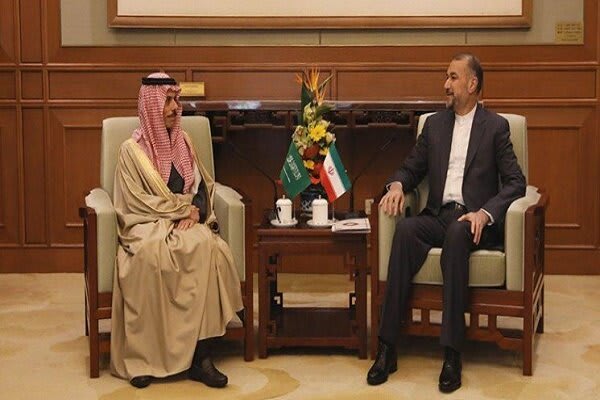
Saudi, Pakistan, Turkey Meet Iran: Diplomatic Push to Defuse Regional Conflict
Key Takeaways
- Saudi Arabia, Pakistan and Turkey have opened back‑channel talks with Iran to prevent a wider war in the Middle East.
- The talks come amid escalating tensions after recent border skirmishes and proxy confrontations involving Iranian-backed militias.
- All four nations are signaling a shift from rhetoric to pragmatic diplomacy, with potential ripple effects on global energy markets and NATO‑Iran relations.
- Analysts warn that while the dialogue is a positive step, fragile trust and competing regional ambitions could limit lasting peace.
Background
The Middle East has been teetering on the brink of a larger conflagration since early 2024, when a series of cross‑border incidents involving Iranian‑aligned militias in Iraq, Syria and the Gulf sparked fears of a coordinated Iranian offensive. Tehran’s aggressive posturing, coupled with sanctions‑driven economic strain, has heightened anxieties across the region. In response, Saudi Arabia, Pakistan and Turkey—countries with historic ties to both Tehran and the West—have taken the unprecedented step of convening a joint diplomatic mission aimed at de‑escalation.
India Today’s top‑story coverage highlighted that senior foreign ministers from Riyadh, Islamabad and Ankara arrived in Tehran last week for a three‑day summit. The agenda, while not fully disclosed, reportedly centered on establishing a cease‑fire framework, opening humanitarian corridors, and setting up a multilateral monitoring mechanism involving the United Nations and the Gulf Cooperation Council (GCC).
The Diplomatic Chessboard
The decision to bring together these four powers reflects a complex web of strategic calculations. Saudi Arabia, the kingdom’s de‑facto leader in the Gulf, fears that an unchecked Iranian surge could destabilise oil production and threaten its own security architecture. Pakistan, sharing a long border with Iran and a sizable Shia minority, is keen to avoid spill‑over violence that could inflame domestic sectarian tensions. Turkey, straddling Europe and Asia, sees an opportunity to position itself as a mediator, bolstering its regional influence while navigating its NATO commitments.
Iran, meanwhile, is under intense pressure from the United States and European powers over its nuclear program and regional proxy activities. By engaging directly with its neighbours, Tehran hopes to break its diplomatic isolation, secure economic concessions, and potentially ease the burden of sanctions.
"The path to peace in the Middle East has always been through dialogue, not isolation," said Iran’s foreign minister during the opening press conference, a statement that resonated strongly with the assembled delegations.
Regional Repercussions
The talks have already sent ripples through regional markets. Brent crude futures dipped by 1.2% on news of the summit, reflecting investor optimism that a diplomatic breakthrough could stabilise oil supplies. Meanwhile, the GCC’s secretary‑general praised the initiative as “a testament to regional solidarity against external interference.”
In Iraq, where Iranian‑backed militias wield significant influence, political leaders have urged Tehran to honour any cease‑fire agreements, warning that continued hostilities could reignite sectarian unrest. In Lebanon, Hezbollah’s leadership issued a cautious statement, indicating that any de‑escalation must respect the “legitimate resistance” narrative.
International Reactions
Global powers have reacted with a mix of encouragement and skepticism. The United States, while not a direct participant, released a statement urging all parties to “prioritise diplomatic solutions over military posturing.” The European Union called for “transparent verification mechanisms” to monitor compliance.
China, which has deepening economic ties with both Iran and Saudi Arabia, welcomed the talks as a step toward “regional stability and sustainable development.” Moscow, maintaining its strategic partnership with Tehran, expressed hope that the dialogue would reduce the risk of a broader confrontation that could involve NATO forces.
What This Means for the Future
If the summit yields a concrete cease‑fire agreement and a framework for ongoing dialogue, the Middle East could witness a gradual easing of hostilities that have plagued the region for decades. A successful outcome would also pave the way for renewed multilateral negotiations on Iran’s nuclear programme, potentially unlocking further sanctions relief.
However, several obstacles remain. Deep‑seated mistrust, competing proxy interests, and domestic political pressures in each country could derail implementation. Moreover, external actors such as the United States and Israel, who maintain a hardline stance toward Iran, may view the talks with suspicion and could undermine progress through covert actions.
Editorial Analysis & Future Outlook
The convergence of Saudi Arabia, Pakistan and Turkey with Iran marks a rare moment of collective regional agency in a landscape often dominated by external powers. By choosing dialogue over confrontation, these nations are testing the limits of realpolitik diplomacy. In the short term, we can expect a flurry of confidence‑building measures—prisoner exchanges, humanitarian aid corridors, and joint security patrols along volatile borders.
Long‑term, the success of this initiative could reshape the geopolitical calculus of the Middle East. A stable Iran‑Saudi détente would likely lower global oil volatility, encouraging investment in renewable energy projects across the Gulf. Pakistan could leverage its role as a mediator to secure greater economic assistance from both the West and China, while Turkey might solidify its status as a bridge between Europe and the Islamic world.
Nonetheless, the durability of any agreement will hinge on robust verification mechanisms and the willingness of hard‑line factions within each country to accept compromise. The international community should support these talks with diplomatic backing, targeted sanctions relief tied to compliance, and a clear framework for conflict resolution.
In essence, the Tehran summit is a litmus test for regional self‑determination. Its outcome will not only influence the immediate security environment but also set a precedent for how Middle Eastern nations navigate their collective futures amid great‑power rivalry.
Original Reporting & Source: India Today Top Stories

Discussion (0)
Sign in to join the discussion.
No comments yet. Be the first to start the conversation!