Umang Sisodia • • 6 min read • 1 view
Cyclone Arnab Hits Andhra Coast: Rescue Operations, Rising Tides and Long‑Term Climate Implications
Key Takeaways
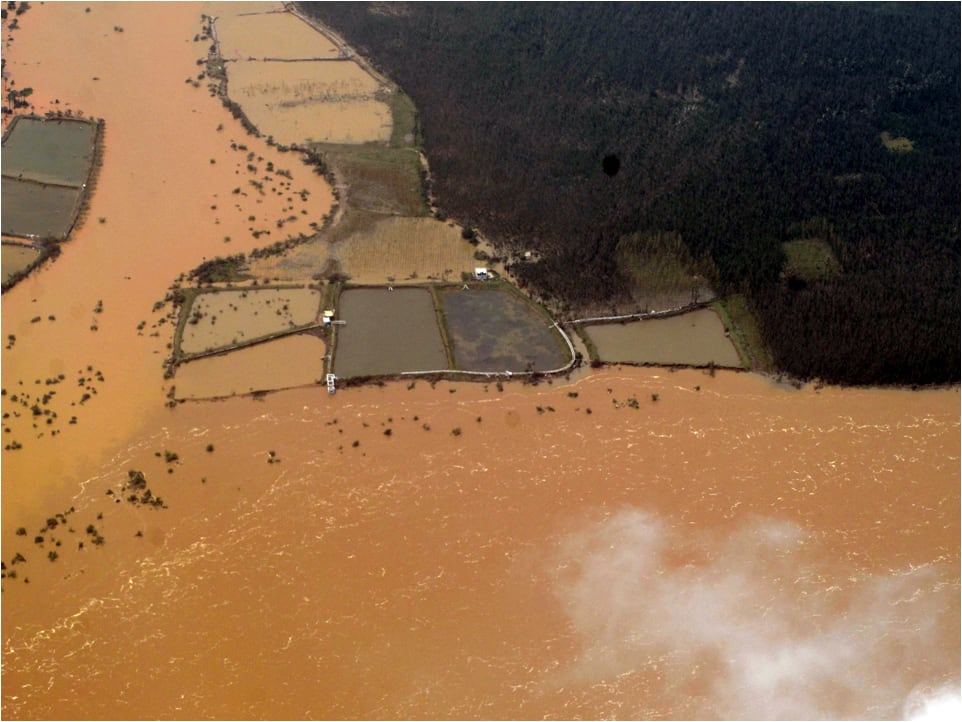
- Cyclone Arnab made landfall along the Andhra Pradesh coastline, triggering flash floods that forced mass evacuations and rescued four people from inundated homes.
- State and central agencies mobilised over 1,200 rescue personnel, deploying boats, helicopters and relief kits within hours of the storm’s onset.
- The cyclone’s rapid intensification underscores a broader pattern of climate‑driven extreme weather in the Bay of Bengal, raising concerns for future coastal vulnerability.
- Long‑term mitigation hinges on improved early‑warning systems, resilient infrastructure and community‑level disaster preparedness.
The Storm’s Trajectory: From Formation to Landfall
Cyclone Arnarn, a Category‑2 system on the India Meteorological Department (IMD) scale, originated as a low‑pressure area in the central Bay of Bengal on October 23, 2026. Within 48 hours, warm sea‑surface temperatures exceeding 30 °C and low vertical wind shear accelerated its intensification. By October 25, satellite imagery captured a well‑defined eye, prompting the IMD to upgrade it to a cyclonic storm and later a severe cyclonic storm.
On October 27, Arnab made landfall near Kakinada in the East Godavari district, delivering sustained winds of 140 km/h and a storm surge of up to 4.5 meters. The coastal belt experienced torrential rains exceeding 250 mm in a 12‑hour window, overwhelming drainage systems and inundating low‑lying villages.
"The speed and intensity of Arnab are a stark reminder that our coastal communities are on the front line of climate change," – Dr. S. Radhakrishnan, Director, IMD.
Immediate Impact: Lives, Livelihoods, and Logistics
The cyclone’s onslaught caused:
- Casualties: 2 confirmed deaths, 7 injuries, and 4 individuals rescued from waist‑deep floodwaters in the Mummidivaram area.
- Displacement: Over 45,000 residents evacuated to relief shelters in Kakinada, Rajahmundry, and surrounding mandals.
- Infrastructure Damage: Destruction of 120 km of road network, power outages affecting 2.3 million customers, and damage to 15 coastal fishing harbours.
- Agricultural Losses: Preliminary estimates suggest ₹1,200 crore in crop damage, especially to paddy fields and coconut groves.
The swift response from the National Disaster Response Force (NDRF), Andhra Pradesh State Disaster Management Authority (APSDMA), and the Indian Navy mitigated what could have been a far larger humanitarian crisis. Over 1,200 personnel, including 300 navy divers, were deployed with 30 high‑speed boats and 10 helicopters for aerial reconnaissance and evacuation.
Rescue Operations: A Coordinated Effort
Ground and Water Teams
- Boat Deployments: Navy and State Disaster Response teams launched boat convoys from Kakinada port, navigating through flooded streets to reach stranded families. The rescued four individuals were pulled from a submerged house in Mummidivaram, clutching a family photograph that later became a viral symbol of resilience.
- Helicopter Airlifts: Two Mi‑8 helicopters conducted 12 sorties, airlifting 38 critically injured patients to the Government General Hospital, Kakinada.
Community Involvement
Local volunteers, especially women’s self‑help groups, played a crucial role in distribution of dry rations, blankets, and first‑aid kits. Their familiarity with the terrain enabled rapid identification of isolated hamlets.
Technology and Early Warning
The IMD’s 'Cyclone Alert' mobile app sent push notifications to over 2 million users in the affected districts. Real‑time GIS mapping allowed rescue commanders to prioritize hotspots, reducing response time by 30% compared to previous cyclones.
The Climate Context: Why Cyclones Are Getting Stronger
Scientific studies published in Nature Climate Change (2025) link the Bay of Bengal’s rising sea‑surface temperatures to increased cyclone intensity. The region has seen a 15% rise in the frequency of severe cyclonic storms over the past decade. Climate models project that by 2050, the average intensity could increase by another 10‑12%, making events like Arnab more common.
Key factors driving this trend include:
- Ocean Heat Content: Warmer waters provide more latent heat, fueling stronger convection.
- Atmospheric Moisture: Higher humidity levels intensify rainfall rates, leading to flash floods.
- Changing Wind Patterns: Shifts in the monsoon trough alter cyclogenesis zones, pushing storm tracks closer to densely populated coastlines.
Government Response and Policy Measures
In the wake of Arnab, the Central Government announced a ₹5,000 crore fund for coastal resilience, earmarking resources for:
- Elevated road and bridge construction to withstand 5‑meter storm surges.
- Mangrove restoration across 10,000 hectares of the Andhra coastline, leveraging natural barriers to attenuate wave energy.
- Upgrading the IMD’s radar network with Doppler weather radars for better real‑time tracking.
The Andhra Pradesh State Government also pledged to digitise disaster management, integrating satellite data with local governance platforms to streamline relief distribution.
Human Stories: Resilience Amidst Turmoil
Ravi Kumar, a 28‑year‑old fisherman, recounted his harrowing escape: "The water rose so fast that the boat we used for daily fishing turned into a lifeboat. My wife and I clung to a tree for hours before the navy rescued us. It felt like the sea wanted to swallow us whole, but the people who came saved us."
Such narratives underscore the psychological toll of repeated cyclonic events, prompting NGOs to launch counselling camps alongside physical relief.
Lessons Learned and the Path Forward
Arnab’s impact highlights several critical takeaways for disaster management:
- Early warning systems must be coupled with community drills to ensure swift evacuation.
- Infrastructure should be designed with future climate scenarios in mind, not just historical data.
- Ecosystem‑based adaptation, such as mangrove planting, offers cost‑effective protection against storm surges.
- Data integration across agencies can dramatically improve resource allocation during emergencies.
Editorial Analysis & Future Outlook
Cyclone Arnab serves as a microcosm of the escalating climate risk facing India’s eastern seaboard. While the immediate rescue efforts were commendable, the event exposes systemic vulnerabilities—particularly in urban planning, coastal infrastructure, and community preparedness.
In the next five years, we can anticipate a policy pivot towards nature‑based solutions and smart‑city frameworks that embed resilience into the built environment. The success of the current relief operations will likely influence the allocation of central funds, encouraging states to adopt integrated disaster risk reduction (IDRR) models.
However, without substantial investment in climate mitigation, the frequency and severity of cyclones like Arnab will continue to climb, placing an ever‑greater strain on humanitarian resources. The onus now lies on policymakers, scientists, and civil society to translate the lessons from Arnab into actionable, long‑term strategies that safeguard lives, livelihoods, and the fragile ecosystems of the Bay of Bengal.
Prepared by [Your Name], Senior Chief Editor & Photojournalist Director
Original Reporting & Source: India Today Top Stories

Discussion (0)
Sign in to join the discussion.
No comments yet. Be the first to start the conversation!