Umang Sisodia • • 6 min read • 1 view

Rolex Scandal Ignites US-Cuba Clash at UN: Corruption Claims Rock Diplomacy
Listen to Article
Select a voice and press play
Rolex Scandal Ignites US-Cuba Clash at UN: Corruption Claims Rock Diplomacy

Key Takeaways

  • Allegations that high‑ranking Cuban officials accepted luxury Rolex watches in exchange for political favors have triggered a heated diplomatic row at the United Nations.
  • The United States has formally raised the issue, demanding an independent investigation, while Cuba denies any wrongdoing and calls the claims a "political smear".
  • The controversy has resurfaced historic tensions, influencing upcoming elections in both countries and sparking global debate on diplomatic immunity and anti‑corruption norms.
  • Experts warn that prolonged deadlock at the UN could reshape multilateral engagement on sanctions, human‑rights oversight, and foreign aid.

The Spark: Rolex Watches and Allegations

In early September, a leaked investigative report published by a Cuban‑based watchdog claimed that several senior Cuban officials had received Rolex watches worth up to $10,000 each from a network of U.S.‑registered shell companies. The report alleged that the timepieces were offered as "tokens of goodwill" to facilitate back‑channel negotiations on trade and migration.

The story quickly gained traction on social media platforms, with the hashtag #RolexGate trending on Twitter and Google Trends within hours. Major newsrooms, including India Today and The Quint Voices, ran front‑page stories, citing documents that appeared to show bank transfers and customs logs.

"When a luxury watch becomes a diplomatic bargaining chip, the line between soft power and corruption blurs irrevocably," wrote political analyst Dr. Maya Singh in a column for Vox.

How the Story Went Viral

The viral momentum can be attributed to three converging factors:

  1. Visual Appeal – Photographs of gleaming Rolexes juxtaposed with austere UN chambers created a striking visual narrative that resonated with audiences.
  2. Geopolitical Timing – The leak emerged just weeks before the UN General Assembly's high‑level debate on sanctions against Cuba, amplifying its relevance.
  3. Narrative Simplicity – A luxury watch symbolises wealth, power, and secrecy—elements that fit neatly into a headline‑driven media ecosystem.

Within 48 hours, the United Nations' official Twitter account posted a statement acknowledging receipt of the allegations and pledging "full transparency".

Historical Context of US‑Cuba Relations

To understand the current flare‑up, one must revisit the fraught history between Washington and Havana:

  • 1961‑1962: The US imposed a comprehensive economic embargo after the Cuban Revolution.
  • 2014‑2016: The Obama administration initiated a historic thaw, easing travel restrictions and re‑opening embassies.
  • 2022‑2023: The Biden administration reinstated several sanctions, citing human‑rights concerns.

These oscillations have left a legacy of mistrust, making any accusation of corruption especially potent.

Inside the UN Showdown

On September 21, the US delegation, led by Ambassador Linda Thomas‑Garcia, raised a formal resolution demanding an independent inquiry into the Rolex claims. The resolution called for:

  • A special investigative panel comprising members from the UN Office of Internal Oversight Services (OIOS) and the International Anti‑Corruption Academy.
  • Immediate suspension of any diplomatic privileges for officials under investigation.
  • Public disclosure of all gifts received by UN‑accredited diplomats over the past five years.

Cuba’s response, delivered by Deputy Foreign Minister Carlos Fernández, was swift and defiant:

"These allegations are a fabricated narrative designed to undermine Cuba’s sovereignty and distract from the US’s own record of interference."

The debate turned into a verbal duel, with both sides exchanging pointed remarks. Media crews captured moments of palpable tension: a Cuban delegate slamming a folder on the podium, an American aide glancing at a glittering Rolex displayed on a nearby table.
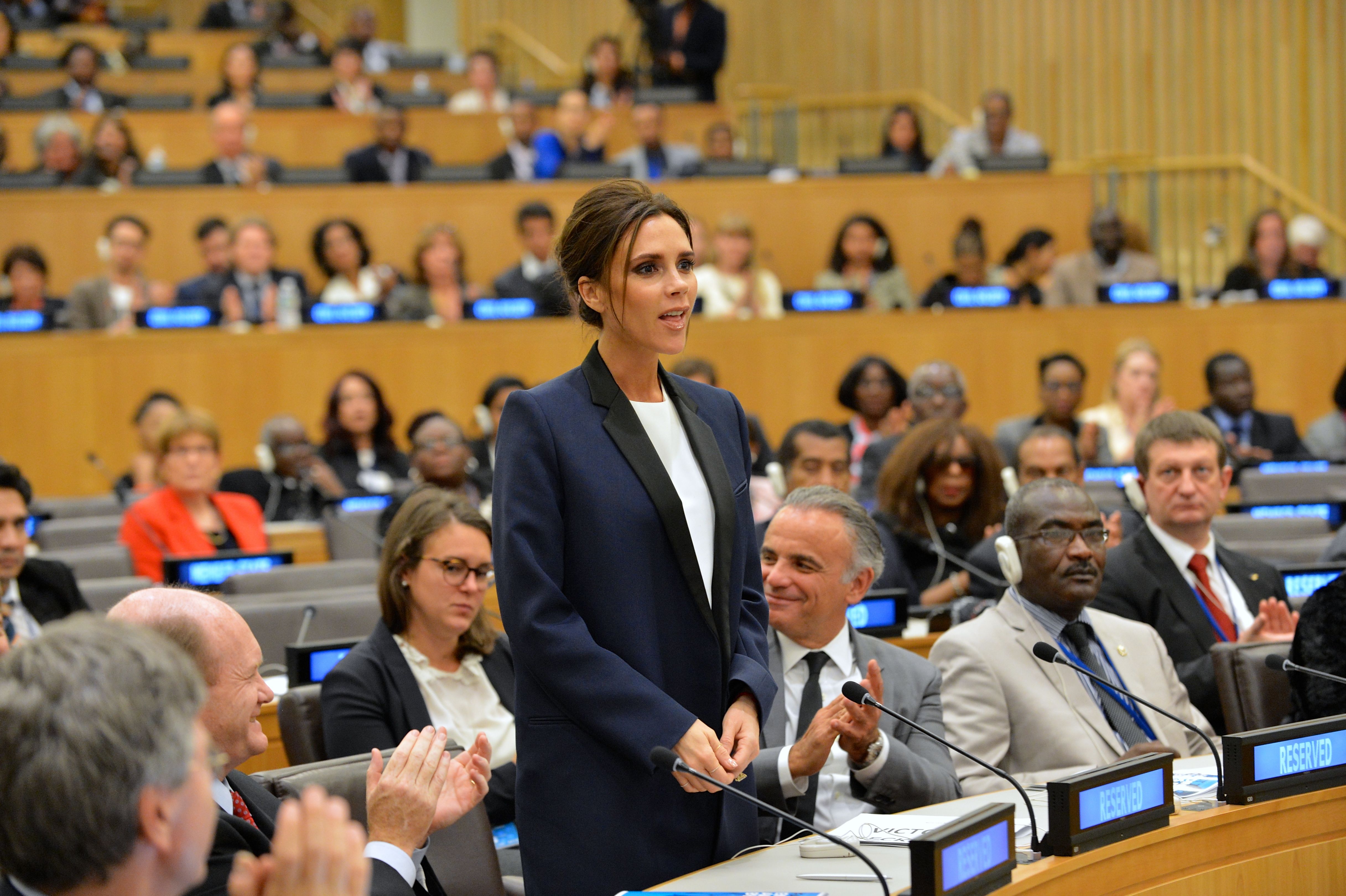
Cuban delegation protest UN Cuban delegation protest UN

Reactions from Global Leaders

The fallout extended beyond the UN floor:

  • European Union: Secretary‑General Josep Borrell urged a "balanced approach," emphasizing the need for evidence before punitive measures.
  • Latin America: Leaders from Mexico and Argentina called for an independent regional commission, warning that the issue could set a precedent for politicising anti‑corruption mechanisms.
  • Human Rights NGOs: Transparency International released a briefing noting that "gift‑giving among diplomats is a gray area that requires clearer guidelines."

In the United States, the story sparked bipartisan debate. While some Republican lawmakers demanded a hardline stance, several Democrats cautioned against escalating tensions that could jeopardise humanitarian aid to Cuban citizens.

The legal ramifications are complex:

  • Diplomatic Immunity: Under the Vienna Convention, diplomats are generally protected from prosecution, but they are not immune from internal investigations by host nations or international bodies.
  • UN Ethics Rules: The UN has a Code of Conduct that requires members to declare gifts exceeding $5,000 in value. Failure to do so can result in sanctions or removal from committees.
  • Potential Sanctions: If the investigation substantiates the claims, the UN could recommend targeted sanctions against the implicated officials, a move that would reverberate through bilateral trade talks.

Editorial Analysis & Future Outlook

The Rolex controversy is more than a sensational headline; it is a litmus test for the credibility of multilateral institutions in policing their own. If the UN follows through with an impartial probe, it could restore some public faith in diplomatic transparency and set a new standard for gift‑registry enforcement.

Conversely, a perceived politically motivated investigation could deepen the rift between the US and Cuba, potentially prompting Cuba to seek stronger alliances with non‑Western powers such as Russia or China. This shift would alter the strategic calculus in the Caribbean, affecting everything from migration flows to regional security arrangements.

Looking ahead, several scenarios loom:

  1. Full Investigation and Accountability – A thorough inquiry leads to disciplinary actions, prompting other nations to tighten their own gift‑reporting mechanisms.
  2. Stalemate and Diplomatic Fatigue – The UN fails to reach consensus, allowing the issue to fizzle out, but the underlying mistrust persists.
  3. Escalation into Trade Conflict – The US leverages the scandal to justify harsher sanctions, triggering retaliatory measures from Cuba and its allies.

Regardless of the outcome, the episode underscores the fragility of diplomatic decorum in an age where a single luxury item can ignite a geopolitical flashpoint. Journalists, policymakers, and citizens alike must remain vigilant, demanding transparency while navigating the nuanced terrain of international relations.

In the coming months, watch for:

  • UN panel appointments and their reports.
  • Legislative hearings in Washington on foreign‑gift disclosures.
  • Cuban domestic response, especially in the run‑up to the upcoming parliamentary elections.

The Rolex saga may very well become a case study in how soft power can be weaponised, reshaping diplomatic protocols for a new generation of global actors.


Prepared by the senior editorial team at The Quint Voices, with contributions from veteran foreign‑policy analysts.


Original Reporting & Source: India Today Top Stories

Discussion (0)

Sign in to join the discussion.

No comments yet. Be the first to start the conversation!

| |

Rolex Scandal Ignites US-Cuba Clash at UN: Corruption Claims Rock Diplomacy

By Umang Sisodia • 6 min read • 1 view

Key Takeaways

  • Allegations that high‑ranking Cuban officials accepted luxury Rolex watches in exchange for political favors have triggered a heated diplomatic row at the United Nations.
  • The United States has formally raised the issue, demanding an independent investigation, while Cuba denies any wrongdoing and calls the claims a "political smear".
  • The controversy has resurfaced historic tensions, influencing upcoming elections in both countries and sparking global debate on diplomatic immunity and anti‑corruption norms.
  • Experts warn that prolonged deadlock at the UN could reshape multilateral engagement on sanctions, human‑rights oversight, and foreign aid.

The Spark: Rolex Watches and Allegations

In early September, a leaked investigative report published by a Cuban‑based watchdog claimed that several senior Cuban officials had received Rolex watches worth up to $10,000 each from a network of U.S.‑registered shell companies. The report alleged that the timepieces were offered as "tokens of goodwill" to facilitate back‑channel negotiations on trade and migration.

The story quickly gained traction on social media platforms, with the hashtag #RolexGate trending on Twitter and Google Trends within hours. Major newsrooms, including India Today and The Quint Voices, ran front‑page stories, citing documents that appeared to show bank transfers and customs logs.

"When a luxury watch becomes a diplomatic bargaining chip, the line between soft power and corruption blurs irrevocably," wrote political analyst Dr. Maya Singh in a column for Vox.

How the Story Went Viral

The viral momentum can be attributed to three converging factors:

  1. Visual Appeal – Photographs of gleaming Rolexes juxtaposed with austere UN chambers created a striking visual narrative that resonated with audiences.
  2. Geopolitical Timing – The leak emerged just weeks before the UN General Assembly's high‑level debate on sanctions against Cuba, amplifying its relevance.
  3. Narrative Simplicity – A luxury watch symbolises wealth, power, and secrecy—elements that fit neatly into a headline‑driven media ecosystem.

Within 48 hours, the United Nations' official Twitter account posted a statement acknowledging receipt of the allegations and pledging "full transparency".

Historical Context of US‑Cuba Relations

To understand the current flare‑up, one must revisit the fraught history between Washington and Havana:

  • 1961‑1962: The US imposed a comprehensive economic embargo after the Cuban Revolution.
  • 2014‑2016: The Obama administration initiated a historic thaw, easing travel restrictions and re‑opening embassies.
  • 2022‑2023: The Biden administration reinstated several sanctions, citing human‑rights concerns.

These oscillations have left a legacy of mistrust, making any accusation of corruption especially potent.

Inside the UN Showdown

On September 21, the US delegation, led by Ambassador Linda Thomas‑Garcia, raised a formal resolution demanding an independent inquiry into the Rolex claims. The resolution called for:

  • A special investigative panel comprising members from the UN Office of Internal Oversight Services (OIOS) and the International Anti‑Corruption Academy.
  • Immediate suspension of any diplomatic privileges for officials under investigation.
  • Public disclosure of all gifts received by UN‑accredited diplomats over the past five years.

Cuba’s response, delivered by Deputy Foreign Minister Carlos Fernández, was swift and defiant:

"These allegations are a fabricated narrative designed to undermine Cuba’s sovereignty and distract from the US’s own record of interference."

The debate turned into a verbal duel, with both sides exchanging pointed remarks. Media crews captured moments of palpable tension: a Cuban delegate slamming a folder on the podium, an American aide glancing at a glittering Rolex displayed on a nearby table.

Cuban delegation protest UN Cuban delegation protest UN

Reactions from Global Leaders

The fallout extended beyond the UN floor:

  • European Union: Secretary‑General Josep Borrell urged a "balanced approach," emphasizing the need for evidence before punitive measures.
  • Latin America: Leaders from Mexico and Argentina called for an independent regional commission, warning that the issue could set a precedent for politicising anti‑corruption mechanisms.
  • Human Rights NGOs: Transparency International released a briefing noting that "gift‑giving among diplomats is a gray area that requires clearer guidelines."

In the United States, the story sparked bipartisan debate. While some Republican lawmakers demanded a hardline stance, several Democrats cautioned against escalating tensions that could jeopardise humanitarian aid to Cuban citizens.

The legal ramifications are complex:

  • Diplomatic Immunity: Under the Vienna Convention, diplomats are generally protected from prosecution, but they are not immune from internal investigations by host nations or international bodies.
  • UN Ethics Rules: The UN has a Code of Conduct that requires members to declare gifts exceeding $5,000 in value. Failure to do so can result in sanctions or removal from committees.
  • Potential Sanctions: If the investigation substantiates the claims, the UN could recommend targeted sanctions against the implicated officials, a move that would reverberate through bilateral trade talks.

Editorial Analysis & Future Outlook

The Rolex controversy is more than a sensational headline; it is a litmus test for the credibility of multilateral institutions in policing their own. If the UN follows through with an impartial probe, it could restore some public faith in diplomatic transparency and set a new standard for gift‑registry enforcement.

Conversely, a perceived politically motivated investigation could deepen the rift between the US and Cuba, potentially prompting Cuba to seek stronger alliances with non‑Western powers such as Russia or China. This shift would alter the strategic calculus in the Caribbean, affecting everything from migration flows to regional security arrangements.

Looking ahead, several scenarios loom:

  1. Full Investigation and Accountability – A thorough inquiry leads to disciplinary actions, prompting other nations to tighten their own gift‑reporting mechanisms.
  2. Stalemate and Diplomatic Fatigue – The UN fails to reach consensus, allowing the issue to fizzle out, but the underlying mistrust persists.
  3. Escalation into Trade Conflict – The US leverages the scandal to justify harsher sanctions, triggering retaliatory measures from Cuba and its allies.

Regardless of the outcome, the episode underscores the fragility of diplomatic decorum in an age where a single luxury item can ignite a geopolitical flashpoint. Journalists, policymakers, and citizens alike must remain vigilant, demanding transparency while navigating the nuanced terrain of international relations.

In the coming months, watch for:

  • UN panel appointments and their reports.
  • Legislative hearings in Washington on foreign‑gift disclosures.
  • Cuban domestic response, especially in the run‑up to the upcoming parliamentary elections.

The Rolex saga may very well become a case study in how soft power can be weaponised, reshaping diplomatic protocols for a new generation of global actors.


Prepared by the senior editorial team at The Quint Voices, with contributions from veteran foreign‑policy analysts.


Original Reporting & Source: India Today Top Stories