Umang Sisodia • • 6 min read • 1 view
Lula Condemns Flavio Bolsonaro's US Exit as Washington Moves to Grant Family Visas
Key Takeaways
- President Luiz Inácio Lula da Silva publicly denounced Flavio Bolsonaro's departure to the United States, framing it as a betrayal of Brazil's sovereignty.
- The U.S. State Department announced a new family‑visa pathway that could benefit the Bolsonaro family, sparking diplomatic friction.
- Analysts see the episode as a litmus test for Brazil‑U.S. ties under Lula's left‑leaning administration and the lingering influence of the Bolsonaro legacy.
- The controversy may reshape Brazil's internal political calculus ahead of the 2026 elections.
The Immediate Flashpoint: Lula vs Flavio Bolsonaro
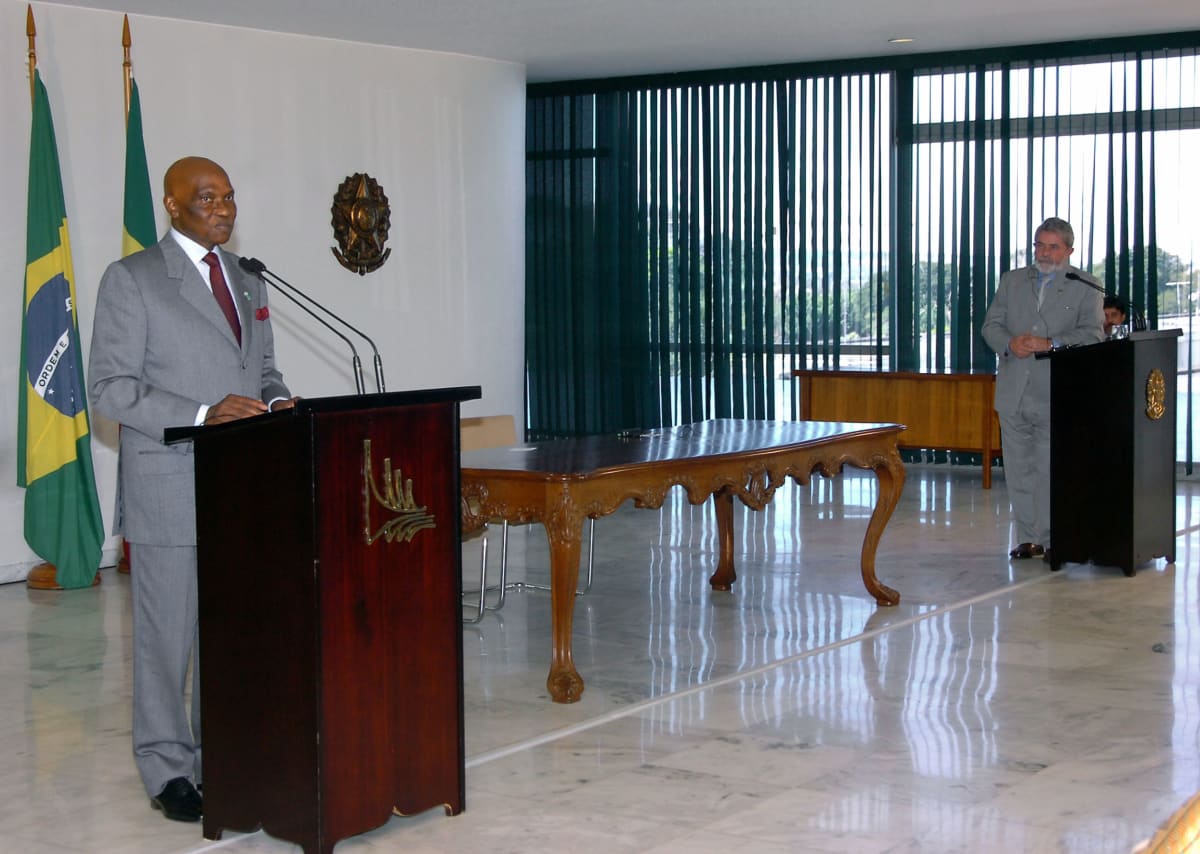
President Luiz Inácio Lula da Silva, in a televised press briefing, slammed the decision of Flavio Bolsonaro – son of former President Jair Bolsonaro – to leave Brazil for the United States. Lula described the move as “an affront to the Brazilian people and a signal that the remnants of the far‑right are seeking sanctuary abroad.”
The criticism came just hours after the U.S. State Department revealed a new policy allowing certain family members of Brazilian officials to apply for immigrant visas under a humanitarian provision. While the policy is framed as a routine diplomatic gesture, critics argue it is tailored to accommodate the Bolsonaro family, who have faced a slew of investigations in Brazil.
“We will not tolerate any attempt to undermine Brazil’s democratic institutions, whether from within or from abroad,” Lula asserted, his tone echoing the broader left‑wing narrative that the Bolsonaro clan is attempting to evade accountability.
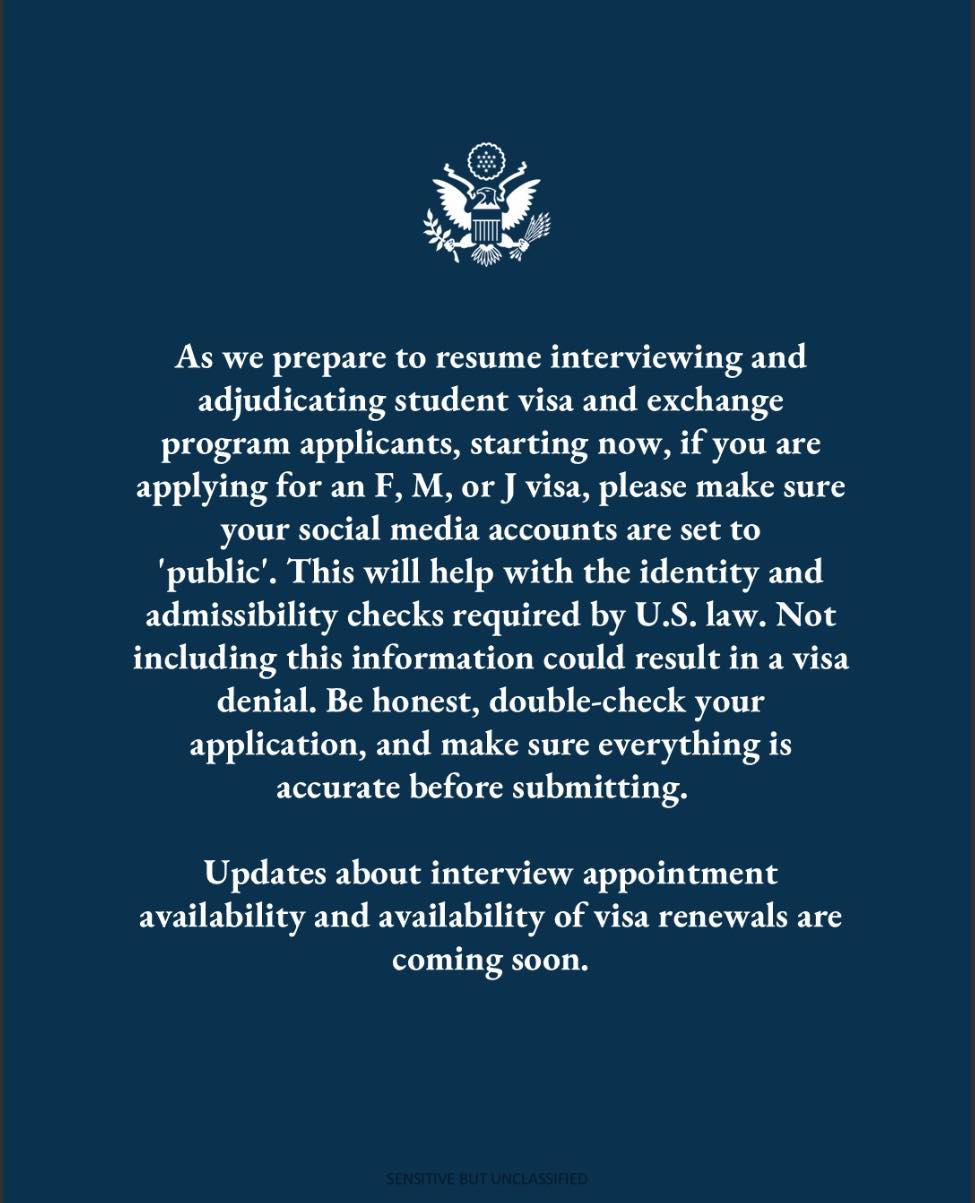 US State Department visa announcement
Washington's Visa Decision: A Diplomatic Pivot
The United States, under the Biden administration, has been recalibrating its approach to Latin America, emphasizing democratic resilience and human‑rights considerations. The newly announced family‑visa route is part of a broader strategy to grant safe‑passage to families of political figures facing legal scrutiny, ostensibly to protect them from potential persecution.
However, the timing raises eyebrows. The visa announcement coincides with a series of high‑profile corruption probes targeting the Bolsonaro network, including allegations of money laundering, illegal campaign financing, and misuse of public funds. By extending a visa pathway, Washington appears to be walking a diplomatic tightrope: balancing the principle of non‑interference with a pragmatic desire to maintain open channels with Brazil’s ruling party.
Why the Visa Policy Matters
- Legal Shield: A U.S. immigrant visa can provide a layer of legal protection, making extradition or prosecution more complex.
- Political Signal: It signals to other Latin American leaders that the U.S. is willing to intervene, albeit indirectly, in domestic political disputes.
- Public Perception: In Brazil, the move fuels narratives of foreign meddling, a potent theme for both left‑wing and right‑wing media.
Historical Context: Brazil‑US Relations and the Bolsonaro Legacy
Brazil and the United States have a long, often ambivalent relationship. During the Cold War, the two nations aligned against communist movements in Latin America. In recent decades, trade, energy, and environmental issues have dominated the agenda.
The Bolsonaro era (2019‑2022) marked a shift toward overtly right‑wing, nationalist rhetoric, with frequent criticism of multilateral institutions and a flirtation with authoritarian symbols. Bolsonaro’s close ties to the U.S. under the Trump administration reinforced a bilateral partnership based on shared ideological leanings rather than substantive policy convergence.
Lula’s return to power in 2023 signaled a re‑orientation toward progressive policies, climate leadership, and a more multilateral foreign stance. Yet, the Bolsonaro family’s lingering political capital – especially among evangelical and rural constituencies – means that any move involving them reverberates across the diplomatic spectrum.
Political Repercussions at Home
The episode is reshaping Brazil’s internal political dynamics in several ways:
- Bolsonaro’s Base: Supporters view Lula’s condemnation as a political attack, galvanizing rallies and social‑media campaigns demanding the president’s resignation.
- Opposition Unity: Moderate opposition parties, wary of Bolsonaro’s polarizing influence, are cautiously aligning with Lula to present a united front against what they term “political exile.”
- Legal Front‑Running: Prosecutors have accelerated investigations into Flavio Bolsonaro’s alleged involvement in illicit financial schemes, citing the U.S. visa decision as evidence of an attempt to flee justice.
- Electoral Calculus: With the 2026 presidential election on the horizon, both camps are leveraging the controversy to mobilize their bases – Lula emphasizing sovereignty and rule of law, Bolsonaro portraying himself as a victim of elite conspiracies.
International Reactions
- European Union: The EU’s diplomatic corps issued a neutral statement, urging both Brazil and the United States to respect due process and refrain from politicizing visa policies.
- Argentina: Buenos Aires’ foreign ministry expressed concern over potential “political weaponisation” of immigration mechanisms, referencing recent regional debates on asylum for political figures.
- United Nations: A UN human‑rights panel reminded member states that visa decisions should not be used to shield individuals from legitimate criminal investigations.
Editorial Analysis & Future Outlook
Lula’s sharp rebuke of Flavio Bolsonaro’s U.S. departure is more than a momentary clash of egos; it is a flashpoint that encapsulates the evolving power balance between Brazil’s left‑wing government and the remnants of the far‑right that still command substantial popular support.
The Washington visa decision, while presented as a humanitarian concession, will likely be interpreted domestically as an external endorsement of the Bolsonaro family’s quest for protection. This perception could embolden right‑wing factions, feeding into a narrative of foreign interference that has historically been a rallying cry for populist movements in Latin America.
Looking ahead, several scenarios could unfold:
- Escalation of Diplomatic Tensions: If Brazil’s judiciary proceeds with high‑profile indictments against the Bolsonaro clan, the United States may face pressure to reconsider its visa policy, potentially leading to a diplomatic spat reminiscent of the 2019 US‑Mexico trade disagreements.
- Domestic Political Realignment: Lula could leverage the controversy to consolidate support among centrist voters who view the visa move as undermining Brazil’s sovereignty, thereby strengthening his coalition ahead of the next election cycle.
- Policy Recalibration: The Biden administration may adjust its Latin America strategy, placing greater emphasis on transparent, multilateral mechanisms for visa issuance to avoid accusations of selective favoritism.
In the long term, the incident underscores the fragility of Brazil‑U.S. relations when domestic politics intersect with immigration policy. For Brazil, the challenge will be to navigate the fine line between upholding the rule of law and preventing foreign policy tools from becoming proxies in internal power struggles. For the United States, the lesson is clear: diplomatic gestures, even well‑intentioned, can be weaponised in the narratives of both allies and adversaries.
As the story unfolds, observers should watch for any legal challenges to the visa grants, shifts in public opinion polls, and the tone of subsequent diplomatic engagements between Brasília and Washington. The outcome will shape not only the immediate political theatre but also the broader trajectory of democratic resilience in Brazil and the credibility of U.S. soft‑power initiatives in the region.
Original Reporting & Source: India Today Top Stories

Discussion (0)
Sign in to join the discussion.
No comments yet. Be the first to start the conversation!