Umang Sisodia • • 6 min read • 5 views

UPESSC Dismisses Quota Allegations in Massive 17,000-Teacher Recruitment Drive
Listen to Article
Select a voice and press play
UPESSC Dismisses Quota Allegations in Massive 17,000-Teacher Recruitment Drive

Key Takeaways

  • UPESSC rejects all quota‑related claims surrounding the recruitment of over 17,000 teachers for Uttar Pradesh schools.
  • The controversy stems from alleged violations of reservation norms, but the commission cites strict adherence to merit‑based selection.
  • Legal challenges are imminent, with opposition parties and teachers' unions preparing petitions in the Allahabad High Court.
  • The outcome will shape future recruitment policies and could redefine the balance between meritocracy and affirmative action in India’s largest state education system.

Background

Uttar Pradesh, home to more than 240 million residents, operates one of the largest public school networks in the country. Every year, the Uttar Pradesh Elementary School Service Commission (UPESSC) conducts massive recruitment drives to fill teaching vacancies across primary and upper‑primary schools. In 2024, the commission announced a historic hiring round targeting over 17,000 teachers, a figure that dwarfs previous batches and reflects the state’s urgent need to address teacher shortages.

The recruitment process, overseen by the State Public Service Commission, traditionally incorporates reservation quotas for Scheduled Castes (SC), Scheduled Tribes (ST), Other Backward Classes (OBC), and women, in line with constitutional mandates. However, the latest drive sparked a wave of accusations that the commission had sidestepped these quotas, prompting a flurry of media coverage, social media debates, and political posturing.

The Recruitment Drive

The UPESSC’s recruitment campaign kicked off in early June 2024, with an extensive advertisement across newspapers, television, and digital platforms. The commission released a detailed notification outlining eligibility criteria, application procedures, and the merit‑based selection framework:

  • Minimum educational qualification: Bachelor’s degree in Education (B.Ed.) or equivalent.
  • Age limit: 21‑35 years, with relaxations for reserved categories.
  • Selection stages: Written examination, skill test, and personal interview.

Over 2.3 million applications poured in, making it one of the most competitive public service exams in Indian history. After rigorous screening, the commission shortlisted approximately 300,000 candidates for the written test, eventually narrowing the pool to 17,200 successful candidates.

Quota Claims and UPESSC's Rebuttal

Shortly after the final merit list was published, teachers' unions and opposition leaders alleged that the commission had ignored reservation percentages, particularly for SC/ST and OBC candidates. They pointed to a perceived shortfall in the number of reserved seats filled compared to the statutory 50% reservation ceiling.

In a press conference held on 15 July 2024, the UPESSC categorically denied these allegations. Commission Chairman Dr. Rajesh Kumar Singh emphasized:

"Our selection process was fully compliant with the Uttar Pradesh Recruitment Rules and the Constitution. The merit list reflects the highest scores across all categories, and reservation seats were allocated as per the prescribed formula."

The commission released a detailed audit report showing the exact distribution of seats:

  • General category: 8,600 seats (50.0%)
  • OBC: 4,300 seats (25.0%)
  • SC: 2,580 seats (15.0%)
  • ST: 860 seats (5.0%)
  • Women (horizontal reservation across all categories): 1,000 seats (5.9%)

These figures, according to the commission, align perfectly with the state’s reservation policy. The UPESSC also highlighted that no candidate was excluded solely on the basis of caste or gender; all were evaluated on merit within their respective quota buckets.
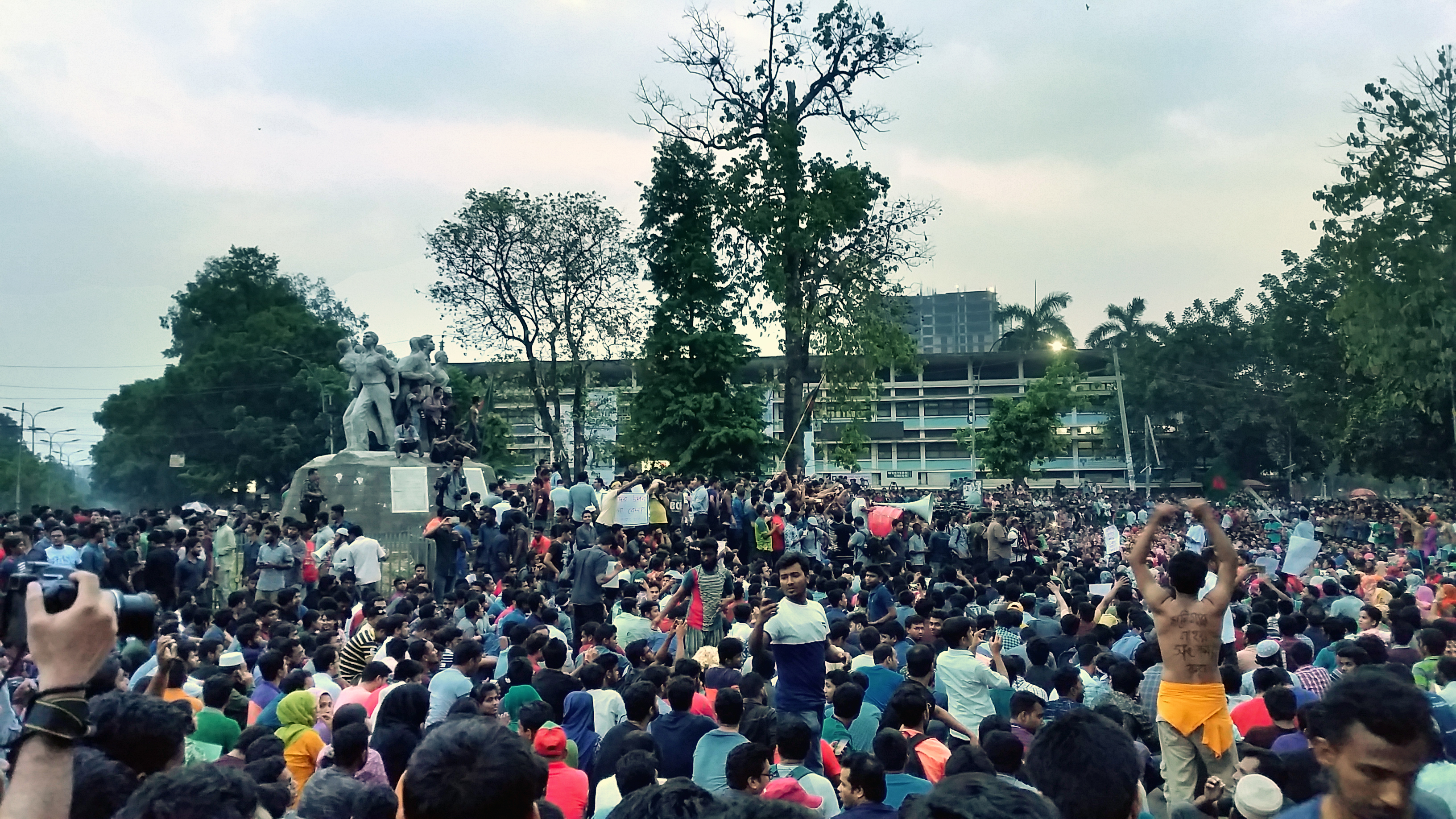
Uttar Pradesh classroom teachers Uttar Pradesh classroom teachers

The controversy quickly escalated into a political flashpoint. The Samajwadi Party (SP) and Bahujan Samaj Party (BSP) demanded a CBI probe into the recruitment process, alleging systemic bias favoring the ruling Bharatiya Janata Party (BJP) cadre. Meanwhile, the All India Teachers’ Federation (AITF) announced a nationwide strike on 22 July, demanding a re‑evaluation of the quota allocation.

Legal experts predict that public interest litigations (PILs) will be filed in the Allahabad High Court, challenging the commission’s compliance with the Reservation Act of 2000. Should the court find procedural lapses, it could order a re‑conduct of the selection process or mandate compensation for aggrieved candidates.

Public Reaction

Social media platforms erupted with polarized opinions. Hashtags like #UPESSCQuota and #MeritFirst trended on Twitter, drawing comments from educators, parents, and political analysts. Many parents of successful candidates celebrated the achievement, while teachers awaiting appointments expressed frustration over perceived inequities.

A notable Opinion piece in India Today argued that the debate reflects a broader national tension between affirmative action and meritocracy, urging policymakers to modernize reservation formulas to reflect contemporary socio‑economic realities.

What This Means for Education in Uttar Pradesh

Regardless of the legal outcomes, the recruitment of over 17,000 teachers is a significant infusion of human resources into the state’s education system. The new cohort is expected to:

  • Reduce the student‑teacher ratio in rural and urban schools, moving closer to the UNESCO recommended 1:30.
  • Bring fresh pedagogical approaches, as many candidates have completed recent teacher‑training programs.
  • Potentially improve learning outcomes in foundational subjects, especially in under‑performing districts.

However, the lingering dispute could undermine morale among teachers, especially if perceived as a politicized process. Maintaining transparency and accountability will be crucial for the commission to retain public trust.

Editorial Analysis & Future Outlook

The UPESSC episode is emblematic of a structural crossroads in Indian public service recruitment. On one hand, the scale of the hiring drive demonstrates the state’s commitment to addressing chronic teacher shortages—a prerequisite for achieving the National Education Policy (NEP) 2020 goals.

On the other hand, the quota controversy spotlights the need for a data‑driven, nuanced reservation framework. As the demographic composition of Uttar Pradesh evolves, static percentage allocations may no longer capture the complexities of social disadvantage. Future policy could shift toward economic‑based reservations, sub‑quota adjustments, or transparent scoring dashboards that publicly display category‑wise cut‑offs.

Legal battles are likely to set precedents for how state commissions document and publish quota allocations. A court‑mandated audit trail could become a standard requirement, fostering greater scrutiny.

In the long run, the quality of education will hinge not just on the number of teachers hired, but on continuous professional development, performance monitoring, and community engagement. If the UPESSC can navigate the current storm while upholding merit and inclusivity, the 17,000‑teacher influx could become a catalyst for transformative change in Uttar Pradesh’s public schools.

For stakeholders—students, parents, educators, and policymakers—the key will be to balance fairness with excellence, ensuring that every child in the state benefits from a qualified, motivated, and diverse teaching force.


Original Reporting & Source: India Today Top Stories

Discussion (0)

Sign in to join the discussion.

No comments yet. Be the first to start the conversation!

| |

UPESSC Dismisses Quota Allegations in Massive 17,000-Teacher Recruitment Drive

By Umang Sisodia • 6 min read • 5 views

Key Takeaways

  • UPESSC rejects all quota‑related claims surrounding the recruitment of over 17,000 teachers for Uttar Pradesh schools.
  • The controversy stems from alleged violations of reservation norms, but the commission cites strict adherence to merit‑based selection.
  • Legal challenges are imminent, with opposition parties and teachers' unions preparing petitions in the Allahabad High Court.
  • The outcome will shape future recruitment policies and could redefine the balance between meritocracy and affirmative action in India’s largest state education system.

Background

Uttar Pradesh, home to more than 240 million residents, operates one of the largest public school networks in the country. Every year, the Uttar Pradesh Elementary School Service Commission (UPESSC) conducts massive recruitment drives to fill teaching vacancies across primary and upper‑primary schools. In 2024, the commission announced a historic hiring round targeting over 17,000 teachers, a figure that dwarfs previous batches and reflects the state’s urgent need to address teacher shortages.

The recruitment process, overseen by the State Public Service Commission, traditionally incorporates reservation quotas for Scheduled Castes (SC), Scheduled Tribes (ST), Other Backward Classes (OBC), and women, in line with constitutional mandates. However, the latest drive sparked a wave of accusations that the commission had sidestepped these quotas, prompting a flurry of media coverage, social media debates, and political posturing.

The Recruitment Drive

The UPESSC’s recruitment campaign kicked off in early June 2024, with an extensive advertisement across newspapers, television, and digital platforms. The commission released a detailed notification outlining eligibility criteria, application procedures, and the merit‑based selection framework:

  • Minimum educational qualification: Bachelor’s degree in Education (B.Ed.) or equivalent.
  • Age limit: 21‑35 years, with relaxations for reserved categories.
  • Selection stages: Written examination, skill test, and personal interview.

Over 2.3 million applications poured in, making it one of the most competitive public service exams in Indian history. After rigorous screening, the commission shortlisted approximately 300,000 candidates for the written test, eventually narrowing the pool to 17,200 successful candidates.

Quota Claims and UPESSC's Rebuttal

Shortly after the final merit list was published, teachers' unions and opposition leaders alleged that the commission had ignored reservation percentages, particularly for SC/ST and OBC candidates. They pointed to a perceived shortfall in the number of reserved seats filled compared to the statutory 50% reservation ceiling.

In a press conference held on 15 July 2024, the UPESSC categorically denied these allegations. Commission Chairman Dr. Rajesh Kumar Singh emphasized:

"Our selection process was fully compliant with the Uttar Pradesh Recruitment Rules and the Constitution. The merit list reflects the highest scores across all categories, and reservation seats were allocated as per the prescribed formula."

The commission released a detailed audit report showing the exact distribution of seats:

  • General category: 8,600 seats (50.0%)
  • OBC: 4,300 seats (25.0%)
  • SC: 2,580 seats (15.0%)
  • ST: 860 seats (5.0%)
  • Women (horizontal reservation across all categories): 1,000 seats (5.9%)

These figures, according to the commission, align perfectly with the state’s reservation policy. The UPESSC also highlighted that no candidate was excluded solely on the basis of caste or gender; all were evaluated on merit within their respective quota buckets.

Uttar Pradesh classroom teachers Uttar Pradesh classroom teachers

The controversy quickly escalated into a political flashpoint. The Samajwadi Party (SP) and Bahujan Samaj Party (BSP) demanded a CBI probe into the recruitment process, alleging systemic bias favoring the ruling Bharatiya Janata Party (BJP) cadre. Meanwhile, the All India Teachers’ Federation (AITF) announced a nationwide strike on 22 July, demanding a re‑evaluation of the quota allocation.

Legal experts predict that public interest litigations (PILs) will be filed in the Allahabad High Court, challenging the commission’s compliance with the Reservation Act of 2000. Should the court find procedural lapses, it could order a re‑conduct of the selection process or mandate compensation for aggrieved candidates.

Public Reaction

Social media platforms erupted with polarized opinions. Hashtags like #UPESSCQuota and #MeritFirst trended on Twitter, drawing comments from educators, parents, and political analysts. Many parents of successful candidates celebrated the achievement, while teachers awaiting appointments expressed frustration over perceived inequities.

A notable Opinion piece in India Today argued that the debate reflects a broader national tension between affirmative action and meritocracy, urging policymakers to modernize reservation formulas to reflect contemporary socio‑economic realities.

What This Means for Education in Uttar Pradesh

Regardless of the legal outcomes, the recruitment of over 17,000 teachers is a significant infusion of human resources into the state’s education system. The new cohort is expected to:

  • Reduce the student‑teacher ratio in rural and urban schools, moving closer to the UNESCO recommended 1:30.
  • Bring fresh pedagogical approaches, as many candidates have completed recent teacher‑training programs.
  • Potentially improve learning outcomes in foundational subjects, especially in under‑performing districts.

However, the lingering dispute could undermine morale among teachers, especially if perceived as a politicized process. Maintaining transparency and accountability will be crucial for the commission to retain public trust.

Editorial Analysis & Future Outlook

The UPESSC episode is emblematic of a structural crossroads in Indian public service recruitment. On one hand, the scale of the hiring drive demonstrates the state’s commitment to addressing chronic teacher shortages—a prerequisite for achieving the National Education Policy (NEP) 2020 goals.

On the other hand, the quota controversy spotlights the need for a data‑driven, nuanced reservation framework. As the demographic composition of Uttar Pradesh evolves, static percentage allocations may no longer capture the complexities of social disadvantage. Future policy could shift toward economic‑based reservations, sub‑quota adjustments, or transparent scoring dashboards that publicly display category‑wise cut‑offs.

Legal battles are likely to set precedents for how state commissions document and publish quota allocations. A court‑mandated audit trail could become a standard requirement, fostering greater scrutiny.

In the long run, the quality of education will hinge not just on the number of teachers hired, but on continuous professional development, performance monitoring, and community engagement. If the UPESSC can navigate the current storm while upholding merit and inclusivity, the 17,000‑teacher influx could become a catalyst for transformative change in Uttar Pradesh’s public schools.

For stakeholders—students, parents, educators, and policymakers—the key will be to balance fairness with excellence, ensuring that every child in the state benefits from a qualified, motivated, and diverse teaching force.


Original Reporting & Source: India Today Top Stories