Umang Sisodia • • 6 min read • 4 views
UP’s New Recruitment Rule Bars Violence‑Linked Individuals from Govt Jobs – SP vs BJP Face‑off
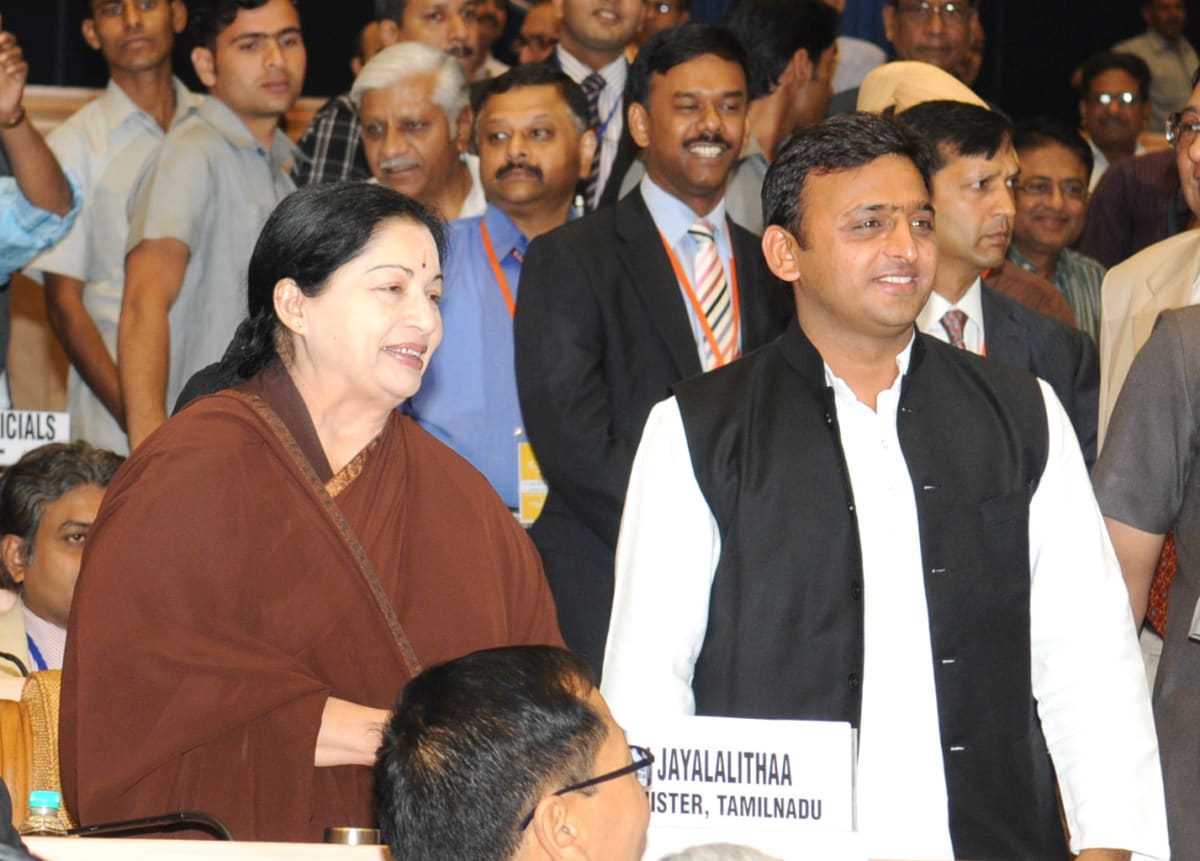
Key Takeaways
- Uttar Pradesh government announces a ban on government jobs for anyone involved in communal or criminal violence.
- The policy has sparked a high‑octane face‑off between the Samajwadi Party (SP) and the ruling BJP, with both sides accusing each other of politicising law‑and‑order.
- Legal experts warn the move could face constitutional challenges, while analysts see it as a test of the state's political will ahead of the 2024 elections.
- The decision may reshape recruitment dynamics across India if other states adopt similar vetting mechanisms.
Background: A State on the Edge
Uttar Pradesh, India’s most populous state, has long been a crucible of political rivalry and communal tension. Over the past year, a series of violent incidents—ranging from caste‑based clashes in western UP to communal flashpoints in the east—have kept the state in the national headlines. The BJP, which has held power since 2017 under Chief Minister Yogi Adityanath, has repeatedly framed its governance narrative around “law and order” and “development without fear.”
In this charged environment, the state’s recruitment department rolled out a new policy on 28 September 2024: any candidate with a proven involvement in violent activities, as recorded in police or court documents, will be automatically disqualified from all civil service examinations and direct recruitment drives. The rule applies to positions ranging from junior assistants to senior administrative officers.
The New Recruitment Policy: What It Entails
- Eligibility Criteria: Applicants must submit a “Clean‑Record Declaration” alongside a police verification certificate. Any conviction or FIR related to communal, caste‑based, or violent offences within the last five years results in immediate disqualification.
- Verification Mechanism: The state will integrate data from the National Crime Records Bureau (NCRB) and the Uttar Pradesh Police’s digitised case management system. A dedicated verification cell will cross‑check each applicant’s background before the final merit list is released.
- Appeal Process: Candidates can appeal the decision within 30 days, presenting evidence of wrongful inclusion or procedural lapses. An independent tribunal, headed by a retired judge, will adjudicate these appeals.
- Implementation Timeline: The rule will be effective for all recruitment cycles commencing from January 2025 onward, covering the upcoming Uttar Pradesh Public Service Commission (UPPSC) exams and departmental recruitments.
Political Reactions: SP vs BJP
The announcement ignited an immediate political showdown.
"This is a political stunt aimed at disenfranchising the marginalized sections that traditionally support the SP," said Akhilesh Yadav, President of the Samajwadi Party, during a press conference in Lucknow.
Conversely, BJP spokesperson Anurag Singh Thakur defended the move as a “necessary safeguard to ensure that the machinery of the state does not become a haven for those who threaten peace.”
The SP’s opposition has taken the issue to the streets, organising rallies in Kanpur and Varanasi, where party workers brandished placards reading “Jobs for All, Not Just for the Elite!” The BJP, meanwhile, held a massive rally at the Gomti Nagar stadium, showcasing the policy as a “vision for a violence‑free Uttar Pradesh.”
Public Sentiment: Voices from the Ground
Surveys conducted by India Today reveal a mixed reaction among the electorate:
- 45 % of respondents support the policy, believing it will deter future violence.
- 30 % express concerns over potential misuse and the risk of political vendetta.
- 25 % remain indifferent, citing unemployment as a larger issue.
In rural districts like Sultanpur, farmers’ groups argue that the policy could exacerbate job scarcity, especially for youths from conflict‑prone areas. Urban middle‑class professionals, however, largely welcome the move, hoping it will enhance the credibility of the state’s bureaucracy.
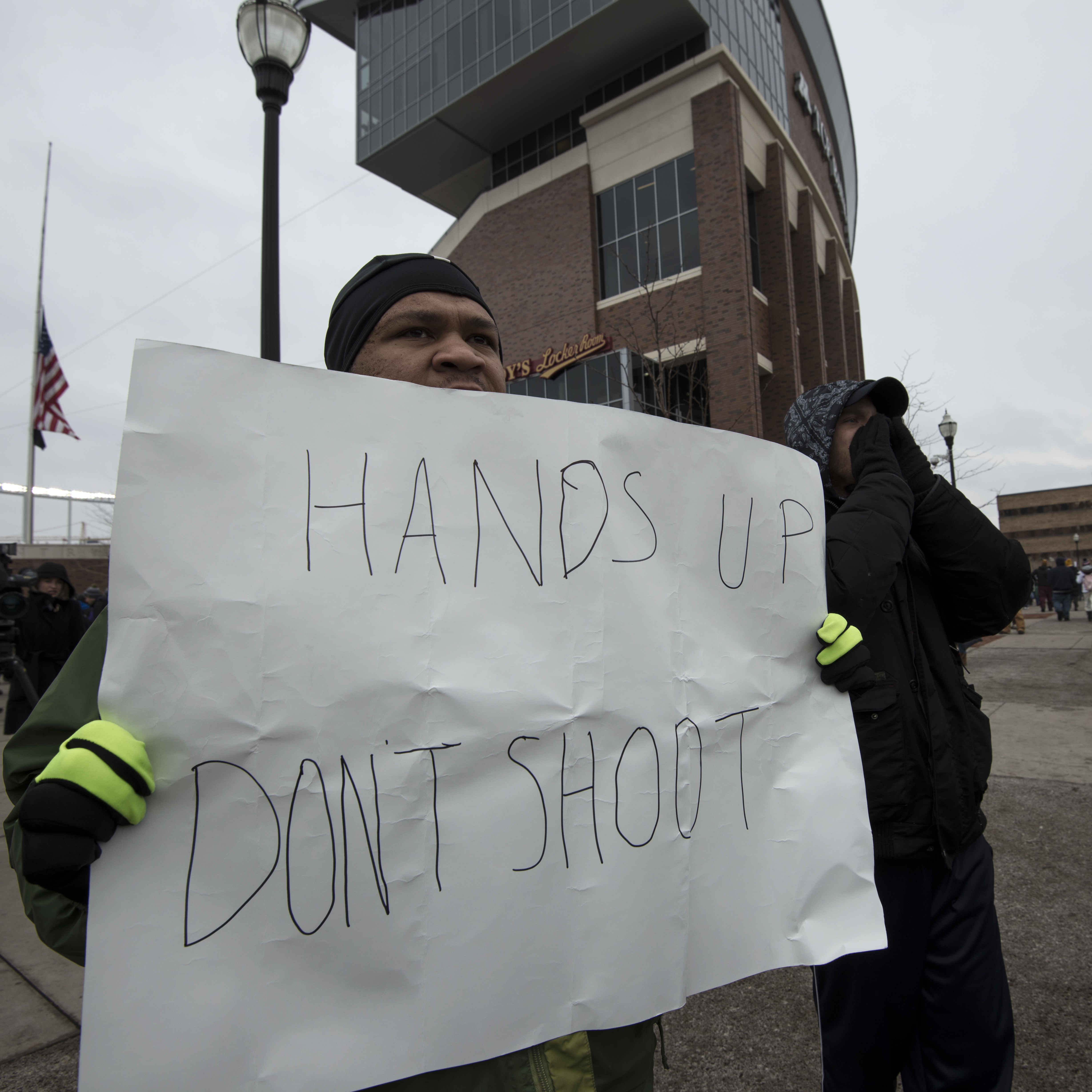 UP police protest
Legal & Administrative Implications
Constitutional Concerns
Legal scholars point out that the policy may clash with Article 14 of the Indian Constitution, which guarantees equality before the law. The requirement to disclose past allegations—some of which may be pending trial—could be viewed as presumption of guilt.
Precedent in Other States
A few states, such as Kerala and Maharashtra, have experimented with “character verification” for certain sensitive posts (e.g., police, intelligence). However, Uttar Pradesh’s blanket approach is unprecedented in scale.
Implementation Challenges
- Data Accuracy: Integrating police records across districts, many of which still rely on manual logs, poses a massive logistical hurdle.
- Appeal Backlog: The tribunal may become overwhelmed with appeals, potentially delaying recruitment for years.
- Political Interference: Critics warn that local officials could manipulate records to target opposition supporters.
Economic Outlook: Impact on the Job Market
If enforced rigorously, the policy could reduce the eligible candidate pool for state jobs by an estimated 5‑7 %, according to a study by the Centre for Policy Research (CPR). This contraction may push aspirants toward the private sector, potentially boosting local entrepreneurship but also inflating competition for limited private roles.
Conversely, the policy could enhance the perceived integrity of the civil services, attracting higher‑quality talent and improving governance outcomes in the long run.
Editorial Analysis & Future Outlook
The Uttar Pradesh recruitment ban is more than a bureaucratic tweak; it is a political litmus test for the BJP’s law‑and‑order narrative ahead of the 2024 general elections. By tying employment opportunities to a candidate’s behavioural record, the state government is attempting to institutionalise moral policing within the public sector.
If the policy survives legal scrutiny, it could set a national precedent, prompting other states to adopt similar vetting mechanisms. This could lead to a fragmented employment landscape, where state‑level criteria differ dramatically, complicating the mobility of job seekers across India.
However, the policy’s success hinges on transparent implementation and robust safeguards against misuse. Without these, the rule risks becoming a political weapon, eroding public trust and potentially fueling further unrest.
In the coming months, we can expect:
- Judicial Review: Petitions filed by opposition parties and civil‑society groups will likely reach the High Court, testing the constitutional validity of the ban.
- Policy Adjustments: The state may introduce exemptions for minor offences or provide a rehabilitation pathway for reformed individuals.
- Political Repercussions: Election‑time rhetoric will intensify, with the BJP leveraging the policy as evidence of decisive governance, while the SP will rally around the narrative of “jobs for the common man.”
Ultimately, the Uttar Pradesh experiment will serve as a bellwether for how Indian politics negotiates the delicate balance between security and economic opportunity in a democracy that is increasingly data‑driven and image‑conscious.
This analysis is based on verified news reports from India Today, statements from party officials, and expert commentary from constitutional scholars.
Original Reporting & Source: India Today Top Stories

Discussion (0)
Sign in to join the discussion.
No comments yet. Be the first to start the conversation!