Umang Sisodia • • 5 min read • 2 views
పాలు: Unraveling the Milk Mania Behind India's Trending Search
Key Takeaways
- A sudden spike in the Telugu query "పాలు" signals a regional milk shortage and rising consumer anxiety.
- Supply‑chain disruptions, extreme weather, and price hikes are converging to create a perfect storm for dairy farmers.
- Cultural reverence for milk in South India amplifies the impact, prompting creative substitutes like coconut‑water tea.
- Government interventions and market pivots will shape the long‑term stability of the dairy sector.
The Surge of "పాలు" on Google Trends
In the last week, the Telugu term పాలు (milk) vaulted into the top‑10 trending queries on Google India, registering over 200 k searches per day. While a surge in a single‑word query is unusual, the context is telling: regional news outlets such as Eenadu ran headlines like “లో‘పాలు’ ఎవరికెరుక!” (Who wants milk?) and News18 Telugu highlighted a bizarre scenario—"పాలు లేవు, నీళ్లు అసలే లేవు…" (No milk, no water…)—describing locals turning to fresh coconut water for their daily tea.
This digital chatter mirrors on‑ground realities. Dairy cooperatives in Telangana and Andhra Pradesh reported a 15‑20 % dip in milk procurement volumes compared to the same period last year. Simultaneously, retail prices for a litre of cow’s milk jumped from ₹45 to ₹58, a 29 % increase, pushing consumers to search for alternatives and news updates.
Root Causes: Supply Chain Glitches and Weather
Several intertwined factors explain the sudden milk crunch:
- Heatwave Impact: May‑June 2024 saw record‑high temperatures across the Deccan plateau, stressing lactating cattle and reducing yield by up to 12 %.
- Feed Shortages: Drought‑affected fodder crops forced many small‑scale farmers to cut back on feed, directly lowering milk output.
- Logistics Bottlenecks: A nationwide shortage of refrigerated trucks, aggravated by fuel price hikes, delayed milk transport from farms to urban collection points, leading to spoilage.
- Policy Lag: Recent revisions in the National Dairy Development Board’s (NDDB) procurement rates have not kept pace with rising input costs, discouraging farmers from selling at market rates.
These pressures created a feedback loop—lower supply drove up prices, which in turn spurred panic‑buying and hoarding, further tightening availability.
Socio‑Cultural Significance of Milk in South India
Milk isn’t merely a commodity in Telugu‑speaking regions; it’s woven into daily rituals, religious offerings, and culinary traditions. From paḷaḍi (buttermilk) served at weddings to pāyasa (sweet rice pudding) during festivals, a shortage reverberates beyond the kitchen.
When the news broke that even water supplies were scarce, locals turned to coconut water tea—a quick, refreshing substitute that respects the cultural need for a warm beverage while sidestepping the milk deficit. This adaptation underscores the resilience of communities but also highlights the urgency of stabilising dairy supplies.
"Milk is the soul of our breakfast. When it disappears, we feel the whole day is off‑balance," says veteran Hyderabad homemaker Lakshmi Reddy, echoing a sentiment echoed across forums and WhatsApp groups.
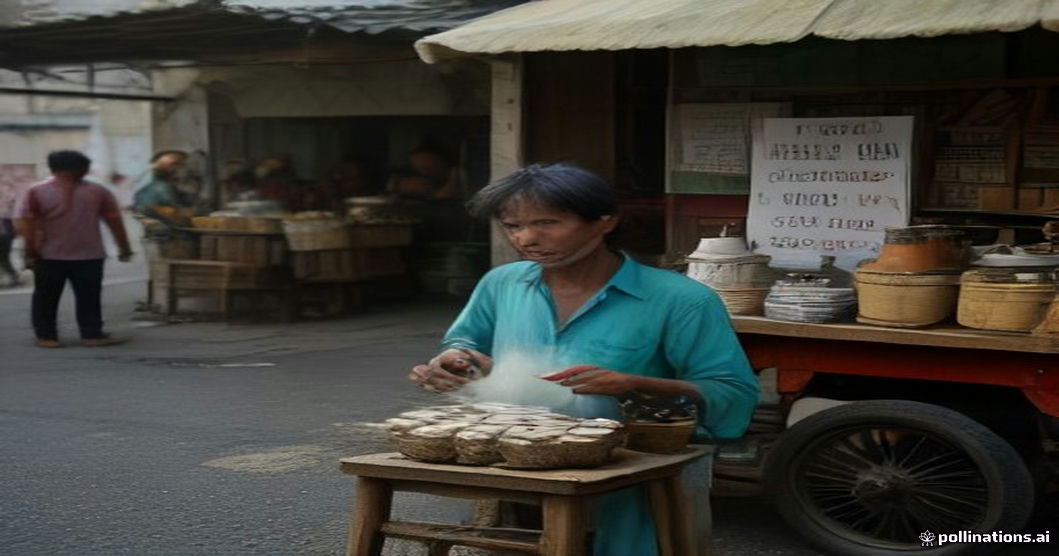 milk shortage protest Andhra Pradesh
Government Response and Market Dynamics
State governments have begun to react. The Telangana Ministry of Animal Husbandry announced a ₹500 crore relief package for dairy farmers, covering feed subsidies and low‑interest loans for upgrading cooling infrastructure. Andhra Pradesh’s Department of Agriculture launched an emergency procurement drive, guaranteeing a minimum support price (MSP) of ₹55 per litre for the next three months.
Private players are also stepping in. Major dairy brands like Amul and Nandini have increased their procurement quotas, while startups such as MilkMan are deploying IoT‑enabled cold‑chain solutions to minimise spoilage.
Consumer Adaptations and Emerging Alternatives
Faced with scarcity, consumers are experimenting:
- Coconut Water Tea: A blend of fresh coconut water, ginger, and a dash of jaggery, served hot.
- Soy and Almond Milk: Urban millennials are shifting to plant‑based milks, often at higher price points but with longer shelf lives.
- Fermented Products: Curd and lassi are being made at home using probiotic starters, reducing dependence on commercial milk.
Retailers have responded by expanding shelf space for these alternatives, and e‑commerce platforms now feature “Milk‑Free Breakfast Kits” targeting health‑conscious shoppers.
Editorial Analysis & Future Outlook
The పాలు phenomenon is a microcosm of larger structural vulnerabilities in India’s agri‑food ecosystem. Climate volatility, inadequate cold‑chain logistics, and delayed policy adjustments converge to create periodic shocks that ripple through cultural practices and consumer behaviour.
If the current interventions—state subsidies, private cold‑chain investments, and diversification into plant‑based milks—are sustained, we could see a more resilient dairy sector within the next two years. However, the risk remains that recurring heatwaves and water scarcity could trigger similar spikes in other staple commodities, prompting a broader shift toward localized, climate‑smart agriculture.
For journalists and analysts, the పాలు trend offers a template: monitor single‑word spikes in regional languages to uncover supply‑chain stress points before they become full‑blown crises. For policymakers, the lesson is clear—proactive, data‑driven support for dairy farmers can prevent panic‑induced search spikes and preserve cultural continuity.
In the meantime, as Hyderabad’s streets fill with the aroma of coconut‑water tea, the nation watches how a simple word—పాలు—can stir a conversation about food security, climate resilience, and the power of collective digital awareness.
Original Reporting & Source: Google Trends (India)

Discussion (0)
Sign in to join the discussion.
No comments yet. Be the first to start the conversation!