Umang Sisodia • • 6 min read • 3 views
Telangana's SIR Deadline Extended to Nov 30 2026: What It Means for Voters and Politics
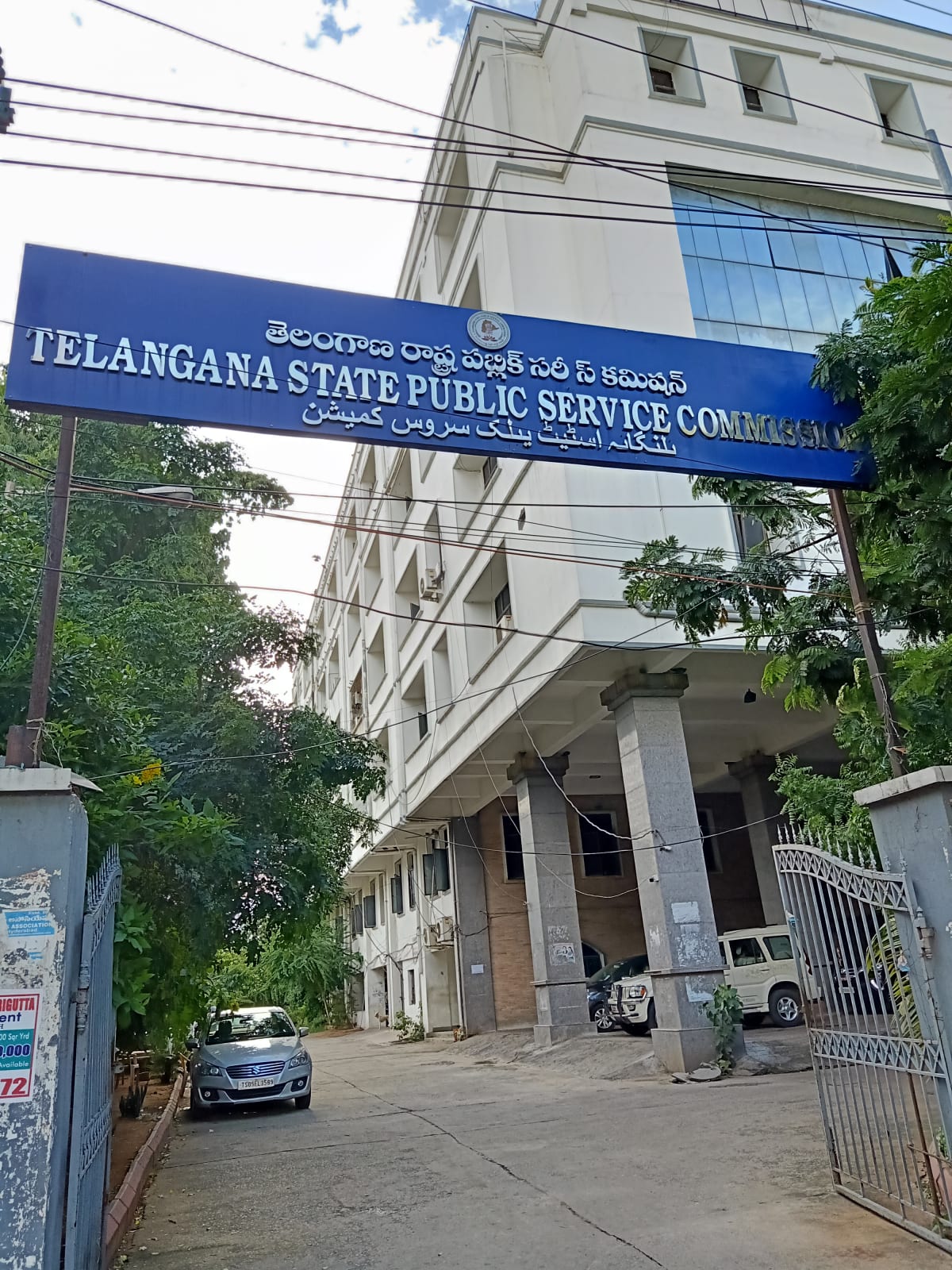
Key Takeaways
- The Election Commission has pushed Telangana's SIR deadline to 30 Nov 2026, giving voters an extra 18 months to submit Form 6.
- Five other states plus Delhi have also received extensions, reflecting nationwide pressure on the roll‑updating process.
- The move has ignited a spike in Google searches, as citizens scramble to understand the new timelines and procedural steps.
- Experts warn that prolonged deadlines could both improve roll accuracy and risk political manipulation ahead of the 2029 state elections.
What is the SIR?
The SIR (State Initial Roll) is the first phase of the electoral‑roll revision process mandated by the Election Commission of India (EC). It allows citizens to file Form 6—a request to correct or delete entries that are inaccurate, duplicate, or missing. Once the SIR window closes, the EC consolidates the data, publishes a final roll, and locks the list for the next election cycle.
Historically, SIR windows have been tight—typically 6‑8 months—because the EC aims to complete the roll‑updating exercise well before any major election. However, the surge in applications during the 2024‑25 cycle, driven by heightened political awareness and digital outreach, overwhelmed the existing infrastructure.
The Extension: Telangana's New Deadline
On 12 Oct 2026, the EC issued a formal notice extending Telangana’s SIR deadline to 30 November 2026. The notice highlighted three core reasons:
- Volume Overload – Over 4.9 lakh Form 6 applications were lodged in the first two months, far exceeding the processing capacity of the state’s election office.
- Technical Glitches – The online portal faced intermittent downtimes, causing bottlenecks for rural applicants relying on digital submission.
- Legal Challenges – Several NGOs filed petitions arguing that the original deadline violated the right to vote, prompting a judicial review.
"The extension is a pragmatic response to the unprecedented volume of Form 6 applications," said an EC official during a press briefing.
The new timeline adds 18 months to the original window, allowing the Telangana State Election Commission (TSEC) to clear pending cases, verify documents, and publish an updated roll by early 2027.
Ripple Effect Across States
 Form 6 application queue
Telangana is not alone. The EC simultaneously announced extensions for Maharashtra, Karnataka, West Bengal, Gujarat, and Delhi. While the exact new dates vary—ranging from September 2026 to March 2027—the common thread is the acknowledgment that the nation’s roll‑updating machinery is under strain.
Why the Extensions Matter
- Accuracy vs. Timeliness: Longer windows improve data accuracy but compress the timeline for final roll publication, potentially squeezing the election calendar.
- Political Calculus: Parties can use the extended period to mobilise voter‑registration drives, influencing the composition of the electorate ahead of the 2029 state polls.
- Administrative Burden: State election commissions must recruit additional clerks, upgrade IT infrastructure, and coordinate with district officials to meet the new deadlines.
Why the Surge on Google Trends?
The headline "SIR deadline for Telangana extended" triggered a sharp spike on Google Trends India, surpassing 100 + searches per day within 24 hours. Three factors explain the surge:
- Public Uncertainty – Voters unfamiliar with Form 6 wonder whether they still have time to correct their details.
- Media Amplification – Major outlets (The Hindu, Times of India, Telegraph India) ran front‑page stories, driving organic traffic.
- Political Campaigns – Opposition parties issued advisories urging supporters to submit Form 6 before the new cut‑off, creating a feedback loop of queries.
The trend is not limited to Telangana; searches for "Delhi SIR" and "Form 6 deadline" have also climbed, indicating a pan‑India curiosity about the roll‑updating process.
Implications for Voters
- Extended Opportunity: Citizens who missed the original window now have a clear path to rectify errors, potentially reducing disenfranchisement.
- Documentation Hassles: The process still demands proof of residence, age, and citizenship. Rural voters may face logistical challenges traveling to district offices.
- Digital Divide: While the EC has launched a mobile app for Form 6, internet penetration remains uneven, making offline assistance crucial.
Political Ramifications
The extended SIR window intersects with the pre‑election strategy of major parties:
- Incumbents may leverage the deadline to showcase governance by facilitating smoother roll updates.
- Opposition groups are likely to launch voter‑awareness drives, framing the extension as a victory for democratic participation.
- Election‑monitoring NGOs will intensify scrutiny to ensure the roll‑updating process remains transparent and free from partisan interference.
Operational Challenges Ahead
State election commissions must address:
- Human Resources – Hiring and training temporary staff to handle the backlog.
- Technology Upgrades – Deploying robust, scalable servers to prevent portal crashes.
- Public Outreach – Conducting multilingual awareness campaigns, especially in tribal and remote districts.
Failure to meet the new deadlines could trigger legal challenges and erode public trust, while a smooth rollout could set a benchmark for future electoral reforms.
Editorial Analysis & Future Outlook
The extension of Telangana’s SIR deadline is more than an administrative tweak; it signals a structural shift in how India manages its electoral rolls in an era of massive digital participation. By granting an 18‑month buffer, the EC acknowledges the reality that voter‑data integrity cannot be rushed without risking errors that could disenfranchise millions.
Long‑term Impact
- Data Quality: A cleaner roll will likely improve the credibility of election results, reducing post‑poll litigation.
- Policy Reforms: The bottlenecks exposed during this cycle may accelerate the EC’s push for a permanent, real‑time roll‑updating system linked to Aadhaar and other biometric databases.
- Political Dynamics: Extended timelines give parties additional months to shape the electorate, potentially influencing the 2029 state elections in Telangana and the other affected states.
What to Watch
- Turn‑around Time – Whether the TSEC can publish the final roll by early 2027 as pledged.
- Legal Interventions – Potential Supreme Court petitions challenging the extensions or the roll‑updating methodology.
- Voter Turnout – Historical data suggests that cleaner rolls correlate with higher turnout; monitoring this metric will be key.
In sum, the SIR deadline extension is a watershed moment that blends administrative pragmatism with political calculus. Its success—or failure—will reverberate across India’s democratic fabric for years to come.
Original Reporting & Source: Google Trends (India)

Discussion (0)
Sign in to join the discussion.
No comments yet. Be the first to start the conversation!