Umang Sisodia • • 5 min read • 2 views
Rajasthan Battens Down as Rain and Strong Winds Slash Temperatures
Key Takeaways
- A sudden bout of rain and gale‑force winds has hit eastern Rajasthan, pushing temperatures down by up to 8°C.
- The India Meteorological Department (IMD) has issued alerts for thunderstorms and possible flash floods over the next 48 hours.
- State authorities are mobilising disaster response teams, while farmers brace for both relief and new challenges to their crops.
- The episode underscores a broader shift in India’s monsoon dynamics, with climate change amplifying extreme weather patterns.
The Weather Event Unfolds: Rain and Strong Winds Sweep Rajasthan
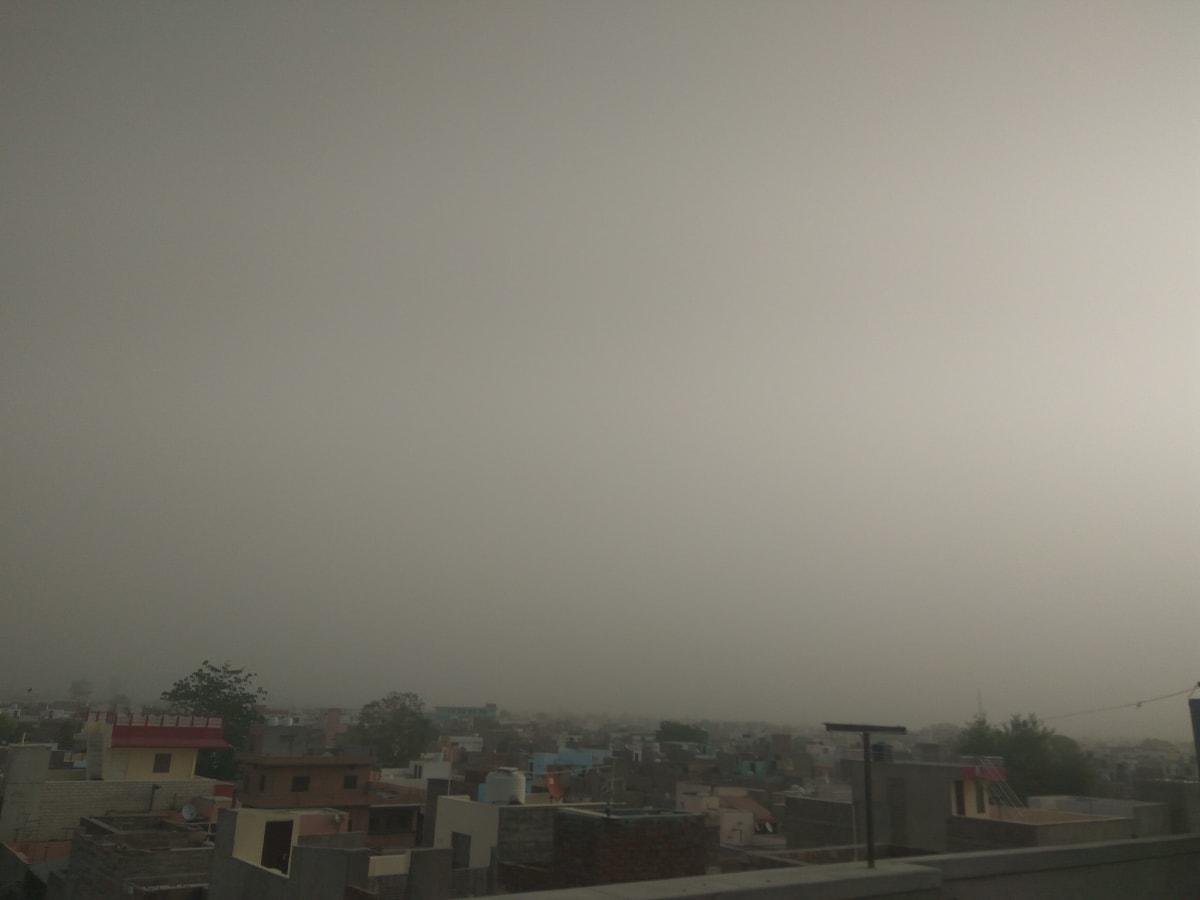
Rajasthan, traditionally known for its arid deserts and scorching summer heat, woke up to an uncharacteristic deluge on Tuesday morning. Dark, towering cumulonimbus clouds rolled in from the east, unleashing heavy rain that quickly turned streets into streams. Simultaneously, gusts exceeding 60 km/h ripped through districts like Alwar, Bharatpur, and Dausa, snapping tree branches and rattling tin roofs.
Meteorological Background
The IMD attributes this sudden shift to the lingering influence of Cyclone Arnab, a tropical system that has been tracking north‑westward along the Bay of Bengal. Although the cyclone remains offshore, its outer bands have stretched inland, pulling moisture into the semi‑arid zones of Rajasthan. Satellite imagery shows a classic ‘cold‑core’ low pressure system, which typically brings cooler air masses and heightened wind shear.
Immediate Impacts on the Ground
Residents of Alwar reported water levels rising to knee‑height within an hour of the first downpour. In Bharatpur, local markets were temporarily shut as vendors scrambled to protect perishable goods. Power outages affected over 12,000 households, primarily due to downed transmission lines. The sudden temperature dip—forecast to fall from a high of 38°C to a low of 30°C—has offered a brief respite from the relentless heatwave that has plagued the region for weeks.
Regional Variations
While eastern districts bear the brunt of the storm, western Rajasthan remains relatively dry, though temperatures are expected to follow the same downward trend as the cool air mass moves westward. Tourist hubs like Jaisalmer and Bikaner are monitoring the situation, especially for potential sand‑storm interactions that could exacerbate visibility issues.
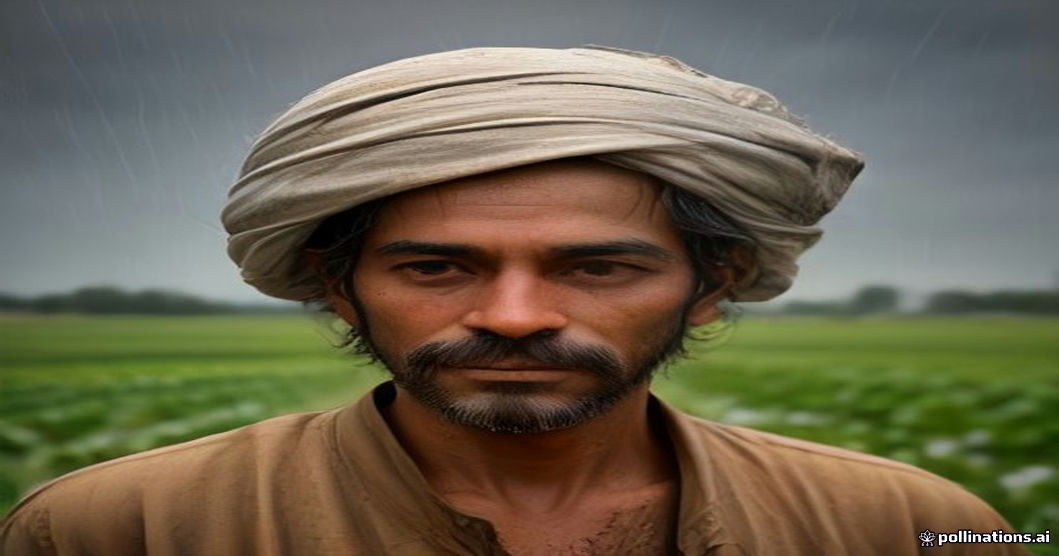 Rajasthan farmers checking crops in rain
How Authorities and Communities are Responding
IMD Alerts and Forecasts
The IMD has issued a Level‑3 Weather Warning for the next 72 hours, urging citizens to stay indoors during peak wind periods and to avoid low‑lying areas prone to flash flooding. Real‑time updates are being broadcast via the department’s mobile app and local radio stations.
State Government Measures
The Rajasthan Disaster Management Authority (RDMA) has deployed 15 rapid‑response teams equipped with portable pumps and sandbags. Emergency shelters have been set up in schools across Alwar and Bharatpur, each capable of housing up to 500 evacuees. The state’s agriculture department has also announced a temporary suspension of water‑tax collection, acknowledging that farmers may need additional irrigation support once the rains subside.
Public Preparedness
Local NGOs are distributing waterproof tarps and basic first‑aid kits to vulnerable households. Social media campaigns, trending under #RajasthanRainRelief, encourage residents to share safe routes and shelter locations. In villages, community elders are coordinating “rain watches” to monitor water levels in traditional wells.
Historical Context: Rajasthan’s Weather Extremes
Past Cyclones and Monsoon Patterns
Rajasthan has historically experienced sporadic monsoon bursts, but the intensity of this event mirrors the 2015 cyclone‑induced rains that caused unprecedented flooding in Jaipur. Compared to those past incidents, the current storm is more wind‑centric, highlighting a shift from pure precipitation to mixed wind‑rain systems.
Climate Change Lens
Scientists point to rising sea surface temperatures in the Arabian Sea and Bay of Bengal as catalysts for more frequent cyclonic activity. A 2023 study by the Indian Institute of Tropical Meteorology linked a 15% increase in extreme wind events across north‑central India to climate‑driven atmospheric instability. This rain‑and‑wind combo could become a new norm for the region.
What This Means for the Rest of India
Temperature Drop Nationwide
The cool air mass trailing the storm is expected to sweep across northern India, bringing a temporary dip in temperatures for Delhi, Haryana, and Uttar Pradesh. Markets are already seeing a surge in demand for winter clothing and hot beverages, a stark contrast to the summer sales boom earlier this month.
Agricultural Implications
For wheat and mustard growers, the rain offers a double‑edged sword. While the moisture can replenish depleted soils, the accompanying wind threatens to damage budding crops and disperse pollens. The Ministry of Agriculture has issued advisories to apply anti‑fungal sprays and to reinforce crop supports.
Editorial Analysis & Future Outlook
The Rajasthan deluge is more than a fleeting weather hiccup; it is a bellwether of India’s evolving climate narrative. As cyclonic remnants penetrate deeper inland, we can anticipate a rise in hybrid weather events that combine heavy precipitation with destructive winds. Policymakers must therefore recalibrate disaster‑management frameworks to account for multi‑hazard scenarios, integrating real‑time data analytics with community‑level preparedness.
Looking ahead, the convergence of a warming Indian Ocean and shifting jet‑stream patterns could make such events a seasonal staple rather than an anomaly. This underscores the urgency for robust climate‑resilient infrastructure—storm‑proof housing, flood‑resilient road networks, and adaptive agricultural practices. For Rajasthan’s residents, the immediate focus remains on safety and recovery, but the broader lesson is clear: climate adaptation is no longer optional; it is an existential imperative for the subcontinent.
Original Reporting & Source: Google Trends (India)

Discussion (0)
Sign in to join the discussion.
No comments yet. Be the first to start the conversation!