Umang Sisodia • • 5 min read • 1 view
Amit Shah's UCC Gambit in Uttar Pradesh: What It Means for India's Politics

Key Takeaways
- Amit Shah pledges to introduce a Uniform Civil Code (UCC) in Uttar Pradesh if the BJP returns to power, turning a constitutional promise into a high‑stakes election issue.
- The announcement has ignited fierce backlash from opposition parties, religious groups, and civil‑society activists, reviving long‑standing debates on secularism and personal law.
- Analysts see the UCC promise as a strategic move to consolidate Hindu votes while attempting to marginalise rival vote‑banks ahead of the 2024 Lok Sabha polls.
- Legal challenges and state‑level resistance could stall implementation, making the promise a litmus test for the BJP’s legislative muscle and political ambition.
Background
The Bharatiya Janata Party (BJP) has long championed the Uniform Civil Code (UCC) as a cornerstone of its vision for a uniform national identity. While the party’s national agenda has occasionally brushed over the issue, the recent statement by Union Home Minister Amit Shah—"BJP will bring UCC in Uttar Pradesh if voted to power again"—has thrust the topic into the limelight of Indian electoral politics.
Uttar Pradesh, home to over 200 million people, is not just the country’s most populous state; it is the kingmaker in national elections. Winning UP translates to a decisive chunk of Lok Sabha seats. Consequently, any policy promise made here reverberates across the entire political landscape.
The UCC Promise and Its Political Weight
Amit Shah’s declaration, reported by The Hindu and The Times of India, was delivered during a high‑profile rally in Lucknow. The Home Minister framed the UCC as a "step towards true secularism and gender justice", positioning it as a progressive reform that will modernise personal laws governing marriage, divorce, inheritance, and adoption.
"The Uniform Civil Code is not about erasing religious identity; it is about ensuring every citizen enjoys the same rights and responsibilities under the law," Shah said, echoing the BJP’s long‑standing narrative.
The promise is a calculated gamble. By foregrounding the UCC, the BJP aims to:
- Mobilise Hindu nationalist sentiment: The UCC aligns with the party’s broader Hindutva agenda, which seeks a cohesive cultural framework.
- Appeal to women’s rights groups: The promise of gender‑neutral personal laws can attract urban, educated voters concerned about gender inequality.
- Force opposition into a defensive stance: Parties like the Samajwadi Party (SP) and Bahujan Samaj Party (BSP) now have to address a polarising issue that could split their traditional vote‑banks.
Reaction from Opposition and Civil Society
The announcement has provoked an immediate and vociferous response. The SP, led by Akhilesh Yadav, dismissed the UCC pledge as a political stunt, warning that it could exacerbate communal tensions. The Times of India quoted Shah’s retort: *"BJP like Angad's foot"*—a cryptic reference implying the party will trample any opposition.
Civil‑society organisations, especially those representing minority communities, have staged protests across major cities. The All India Muslim Personal Law Board (AIMPLB) warned that a forced UCC could undermine religious freedoms guaranteed by the Constitution.
Electoral Calculus: Why UCC Matters in UP
Uttar Pradesh’s electorate is a mosaic of caste, religion, and regional identities. Historically, the BJP’s rise hinged on consolidating upper‑caste and non‑Muslim OBC votes. By foregrounding the UCC, the party seeks to:
- Solidify the Hindu vote by framing the UCC as a unifying national project.
- Create a wedge between minority communities and their traditional allies in the SP and BSP, potentially fracturing the anti‑BJP coalition.
- Project a reformist image to attract undecided urban voters who may be disillusioned with identity politics.
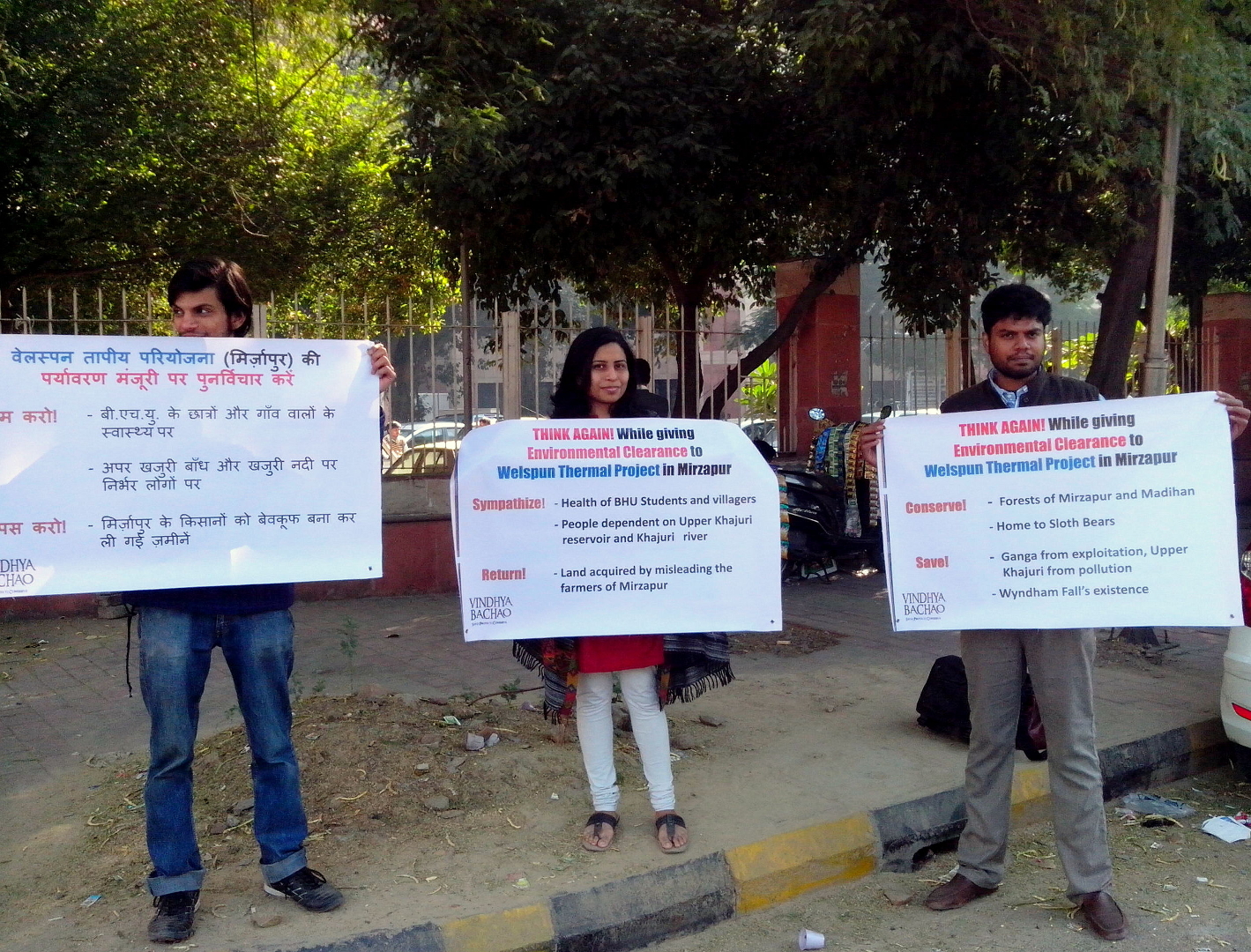 Uttar Pradesh street protest
Legal and Constitutional Dimensions
Implementing a Uniform Civil Code requires constitutional amendment or a parliamentary law that overrides existing personal laws rooted in religious texts. The Supreme Court has, over decades, urged the government to consider a UCC, yet progress has been stalled by political reluctance.
In Uttar Pradesh, the state legislature would need to draft and pass the UCC legislation, subject to the Governor’s assent and potential judicial review. Legal experts caution that any hasty attempt could be challenged in the Supreme Court, invoking Articles 25‑28 (freedom of religion) and 14 (equality).
Public Sentiment and Grassroots Impact
Surveys conducted by leading think‑tanks reveal a polarised public opinion:
- Urban middle‑class respondents (Delhi, Lucknow, Kanpur) show a 55% favourability towards a UCC, citing gender equality and legal uniformity.
- Rural and semi‑urban populations exhibit a 48% resistance, fearing erosion of cultural traditions.
- Among minority communities, especially Muslims and Christians, opposition exceeds 70%.
Grassroots NGOs report that the UCC debate is now a top‑of‑mind issue in village panchayat meetings, with heated discussions about how personal law reforms could affect inheritance rights and marriage customs.
Editorial Analysis & Future Outlook
Amit Shah’s UCC pledge is more than a policy promise; it is a strategic fulcrum in the BJP’s 2024 electoral machinery. If the party succeeds in passing a UCC in Uttar Pradesh, it could set a precedent for nationwide implementation, fundamentally reshaping India’s legal landscape.
However, the path is fraught with challenges:
- Judicial roadblocks: Any UCC legislation will likely face immediate petitions, potentially delaying enactment for years.
- Political backlash: Opposition parties could coalesce around the defense of personal laws, turning the UCC into a rallying cry for anti‑BJP sentiment.
- Social unrest: Mismanaged rollout could trigger communal flare‑ups, undermining the BJP’s narrative of harmonious nation‑building.
In the long term, the UCC debate will test the balance between secularism and religious freedom in India. Whether the BJP can convert this promise into a tangible legal framework will determine not only its electoral fortunes in Uttar Pradesh but also its legacy in shaping modern Indian polity.
Bottom line: The UCC promise is a high‑risk, high‑reward gamble—one that could either cement the BJP’s dominance or expose it to unprecedented resistance.
This article is based on verified reports from The Hindu, The Times of India, and The Wire, and reflects editorial analysis intended for informed readers.
Original Reporting & Source: Google Trends (India)

Discussion (0)
Sign in to join the discussion.
No comments yet. Be the first to start the conversation!