Umang Sisodia • • 6 min read • 1 view

Hong Kong Housing Minister Resigns Amid Fire Probe: What the Tai Po Tragedy Reveals About Oversight
Listen to Article
Select a voice and press play
Hong Kong Housing Minister Resigns Amid Fire Probe: What the Tai Po Tragedy Reveals About Oversight

Key Takeaways

  • Hong Kong's Housing Minister, Michael Yung, stepped down after an inquiry linked the deadly Tai Po high‑rise fire to systemic oversight lapses.
  • The Wang Fuk Court blaze, which claimed 17 lives, exposed chronic gaps in building safety inspections, fire‑prevention standards, and inter‑departmental coordination.
  • The resignation fuels a broader debate on Hong Kong’s public‑housing model, political accountability, and the city’s ability to modernise fire‑safety regulations.
  • Experts warn that without structural reforms, similar tragedies could recur, threatening public trust in the administration of Chief Executive John Lee.

The Tragic Fire at Wang Fuk Court

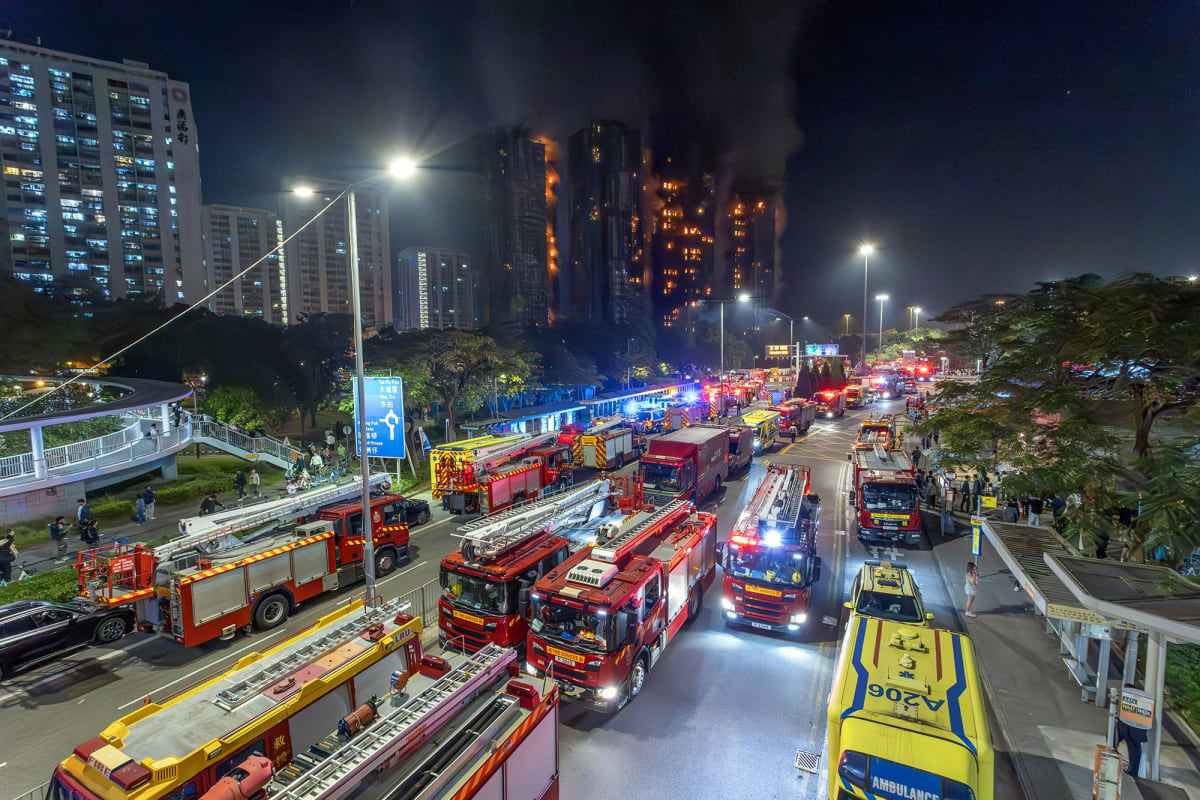
On 10 February 2024, a sudden blaze ripped through Wang Fuk Court, a 30‑storey public‑housing block in Tai Po. Residents reported thick smoke pouring from the 12th floor, and within minutes the fire spread vertically through faulty fire‑stopping systems and outdated sprinkler installations. Seventeen people, including five children, perished, and dozens more were injured.

"We were terrified. The smoke filled the corridors within seconds, and there was no clear evacuation route," recalled survivor Chan Mei‑ling, now a vocal advocate for housing safety.

The incident quickly dominated headlines across Asia, prompting an emergency press conference by Chief Executive John Lee. Lee expressed deep remorse, promised a full investigation, and pledged to hold those responsible to account.


Investigation Findings: Oversight Gaps Exposed

A joint probe by the Fire Services Department (FSD) and the Housing Authority released a 120‑page report in early March. Key findings included:

  • Inadequate Inspection Frequency: The building had not undergone a comprehensive fire‑safety audit in the preceding eight years, despite statutory requirements for a five‑year cycle.
  • Non‑Compliance with Fire‑Stopping Materials: Construction records showed that fire‑resistant barriers installed during the 2008 refurbishment used sub‑standard materials, later identified as a catalyst for vertical fire spread.
  • Communication Breakdown: The Housing Department failed to relay critical safety notices to the building management, and the FSD’s on‑site inspections were hampered by insufficient staffing.
  • Regulatory Loopholes: Existing building codes allowed certain older public‑housing blocks to be exempt from retrofitting mandates, a loophole that the Wang Fuk Court fire starkly illuminated.

These findings painted a picture of systemic negligence rather than an isolated mishap, igniting public outcry and calls for sweeping reforms.


Political Fallout: Resignation and Repercussions

Amid mounting pressure, Housing Minister Michael Yung tendered his resignation on 15 March, stating, "I accept full responsibility for the failures under my watch and will step aside to allow a fresh start for Hong Kong’s housing governance."

Yung’s departure marks the third senior cabinet resignation in the Lee administration within a year, following the Education Secretary’s exit over exam‑paper leaks and the Health Minister’s step‑down after a vaccine‑distribution scandal. Political analysts see a pattern: the administration is confronting a credibility crisis as it pushes an ambitious "Smart City" agenda.

Public Reaction

  • Pro‑Democracy Groups: Accused the government of prioritising rapid construction over safety, demanding an independent commission of inquiry.
  • Business Community: Expressed concerns over potential delays in public‑housing projects, warning that investor confidence could wobble if reforms stall.
  • Ordinary Citizens: Flooded the "Housing Safety Now" petition on Change.org, which quickly amassed over 200,000 signatures.

Government Response

Chief Executive Lee announced a "Housing Safety Revamp" plan, featuring:

  1. An immediate audit of all public‑housing blocks built before 2010.
  2. A mandatory retro‑fitting schedule for fire‑suppression systems, funded through a newly created Housing Safety Fund.
  3. The appointment of a Chief Fire Safety Officer reporting directly to the Chief Executive, bypassing traditional departmental silos.

While the measures were welcomed as a step forward, critics argue they are reactive and lack the legislative teeth needed for long‑term compliance.


Historical Context: Hong Kong’s Public‑Housing Model

Since the 1970s, Hong Kong’s Housing Authority has built over 1.1 million units to address chronic land scarcity and soaring property prices. The model relies on high‑density towers, often exceeding 30 floors, with standardized designs to maximise land use.

However, this efficiency has a dark side. Past incidents—such as the 1996 Kowloon Bay fire and the 2012 Kwun Tong blaze—highlighted recurring safety vulnerabilities. Each tragedy prompted incremental code updates, but implementation lagged, especially in older estates where retrofitting costs are prohibitive.

The Wang Fuk Court fire is the deadliest in Hong Kong’s recent history, underscoring that the city’s rapid urbanisation has outpaced its regulatory capacity.


Comparative Lens: Global Lessons

Cities worldwide grapple with similar challenges:

  • Tokyo introduced a “Zero‑Fire‑Risk” certification after the 2019 Shinjuku high‑rise fire, mandating annual third‑party safety audits.
  • New York City enacted the “Fire Safety Act” in 2022, requiring all residential towers over 20 floors to install automatic fire‑suppression systems within three years.
  • Singapore operates a “Fire Safety Rating” for public housing, linking compliance to funding allocations for community projects.

Hong Kong’s next steps could benefit from these precedents, particularly the integration of independent audit bodies and performance‑based funding incentives.


What Lies Ahead: Reform or Re‑tread?

The resignation of the Housing Minister is a symbolic reset, but the real test will be in policy execution. Key indicators to watch include:

  • Speed of the audit rollout: Delays could reignite public anger.
  • Budget allocation: The Housing Safety Fund must be sufficiently capitalised to avoid cost‑shifting onto tenants.
  • Legislative backing: Enacting binding fire‑safety statutes will be essential to prevent future ministerial scapegoating.

If the Lee administration can translate promises into concrete, enforceable reforms, Hong Kong may emerge with a more resilient housing ecosystem. Failure, however, could erode trust in public institutions and fuel broader political dissent.


Editorial Analysis & Future Outlook

The Wang Fuk Court tragedy is a watershed moment for Hong Kong’s public‑housing narrative. It exposes a structural tension between the city’s hyper‑dense development model and the imperative of occupant safety. While the resignation of Housing Minister Michael Yung satisfies immediate public demand for accountability, it does not automatically resolve the deep‑rooted oversight deficiencies.

Long‑term, Hong Kong must institutionalise a culture of preventive safety—shifting from reactive inspections to proactive, data‑driven risk assessments. This could involve:

  • Deploying IoT‑enabled fire‑detection sensors across older estates, linked to a central monitoring hub.
  • Establishing an independent Fire Safety Commission with statutory powers to levy penalties and suspend certifications.
  • Integrating community‑led safety audits, empowering resident committees to flag hazards without bureaucratic delay.

Such reforms would align Hong Kong with global best practices and restore confidence among citizens and investors alike. The coming months will reveal whether political will translates into tangible change or whether the city merely adds another chapter to its litany of post‑tragedy promises.

In the meantime, families like Chan Mei‑ling’s continue to mourn, reminding us that behind every statistic lies a human story demanding vigilance, compassion, and decisive action.


Original Reporting & Source: Google Trends (India)

Discussion (0)

Sign in to join the discussion.

No comments yet. Be the first to start the conversation!

| |

Hong Kong Housing Minister Resigns Amid Fire Probe: What the Tai Po Tragedy Reveals About Oversight

By Umang Sisodia • 6 min read • 1 view

Key Takeaways

  • Hong Kong's Housing Minister, Michael Yung, stepped down after an inquiry linked the deadly Tai Po high‑rise fire to systemic oversight lapses.
  • The Wang Fuk Court blaze, which claimed 17 lives, exposed chronic gaps in building safety inspections, fire‑prevention standards, and inter‑departmental coordination.
  • The resignation fuels a broader debate on Hong Kong’s public‑housing model, political accountability, and the city’s ability to modernise fire‑safety regulations.
  • Experts warn that without structural reforms, similar tragedies could recur, threatening public trust in the administration of Chief Executive John Lee.

The Tragic Fire at Wang Fuk Court

On 10 February 2024, a sudden blaze ripped through Wang Fuk Court, a 30‑storey public‑housing block in Tai Po. Residents reported thick smoke pouring from the 12th floor, and within minutes the fire spread vertically through faulty fire‑stopping systems and outdated sprinkler installations. Seventeen people, including five children, perished, and dozens more were injured.

"We were terrified. The smoke filled the corridors within seconds, and there was no clear evacuation route," recalled survivor Chan Mei‑ling, now a vocal advocate for housing safety.

The incident quickly dominated headlines across Asia, prompting an emergency press conference by Chief Executive John Lee. Lee expressed deep remorse, promised a full investigation, and pledged to hold those responsible to account.


Investigation Findings: Oversight Gaps Exposed

A joint probe by the Fire Services Department (FSD) and the Housing Authority released a 120‑page report in early March. Key findings included:

  • Inadequate Inspection Frequency: The building had not undergone a comprehensive fire‑safety audit in the preceding eight years, despite statutory requirements for a five‑year cycle.
  • Non‑Compliance with Fire‑Stopping Materials: Construction records showed that fire‑resistant barriers installed during the 2008 refurbishment used sub‑standard materials, later identified as a catalyst for vertical fire spread.
  • Communication Breakdown: The Housing Department failed to relay critical safety notices to the building management, and the FSD’s on‑site inspections were hampered by insufficient staffing.
  • Regulatory Loopholes: Existing building codes allowed certain older public‑housing blocks to be exempt from retrofitting mandates, a loophole that the Wang Fuk Court fire starkly illuminated.

These findings painted a picture of systemic negligence rather than an isolated mishap, igniting public outcry and calls for sweeping reforms.


Political Fallout: Resignation and Repercussions

Amid mounting pressure, Housing Minister Michael Yung tendered his resignation on 15 March, stating, "I accept full responsibility for the failures under my watch and will step aside to allow a fresh start for Hong Kong’s housing governance."

Yung’s departure marks the third senior cabinet resignation in the Lee administration within a year, following the Education Secretary’s exit over exam‑paper leaks and the Health Minister’s step‑down after a vaccine‑distribution scandal. Political analysts see a pattern: the administration is confronting a credibility crisis as it pushes an ambitious "Smart City" agenda.

Public Reaction

  • Pro‑Democracy Groups: Accused the government of prioritising rapid construction over safety, demanding an independent commission of inquiry.
  • Business Community: Expressed concerns over potential delays in public‑housing projects, warning that investor confidence could wobble if reforms stall.
  • Ordinary Citizens: Flooded the "Housing Safety Now" petition on Change.org, which quickly amassed over 200,000 signatures.

Government Response

Chief Executive Lee announced a "Housing Safety Revamp" plan, featuring:

  1. An immediate audit of all public‑housing blocks built before 2010.
  2. A mandatory retro‑fitting schedule for fire‑suppression systems, funded through a newly created Housing Safety Fund.
  3. The appointment of a Chief Fire Safety Officer reporting directly to the Chief Executive, bypassing traditional departmental silos.

While the measures were welcomed as a step forward, critics argue they are reactive and lack the legislative teeth needed for long‑term compliance.


Historical Context: Hong Kong’s Public‑Housing Model

Since the 1970s, Hong Kong’s Housing Authority has built over 1.1 million units to address chronic land scarcity and soaring property prices. The model relies on high‑density towers, often exceeding 30 floors, with standardized designs to maximise land use.

However, this efficiency has a dark side. Past incidents—such as the 1996 Kowloon Bay fire and the 2012 Kwun Tong blaze—highlighted recurring safety vulnerabilities. Each tragedy prompted incremental code updates, but implementation lagged, especially in older estates where retrofitting costs are prohibitive.

The Wang Fuk Court fire is the deadliest in Hong Kong’s recent history, underscoring that the city’s rapid urbanisation has outpaced its regulatory capacity.


Comparative Lens: Global Lessons

Cities worldwide grapple with similar challenges:

  • Tokyo introduced a “Zero‑Fire‑Risk” certification after the 2019 Shinjuku high‑rise fire, mandating annual third‑party safety audits.
  • New York City enacted the “Fire Safety Act” in 2022, requiring all residential towers over 20 floors to install automatic fire‑suppression systems within three years.
  • Singapore operates a “Fire Safety Rating” for public housing, linking compliance to funding allocations for community projects.

Hong Kong’s next steps could benefit from these precedents, particularly the integration of independent audit bodies and performance‑based funding incentives.


What Lies Ahead: Reform or Re‑tread?

The resignation of the Housing Minister is a symbolic reset, but the real test will be in policy execution. Key indicators to watch include:

  • Speed of the audit rollout: Delays could reignite public anger.
  • Budget allocation: The Housing Safety Fund must be sufficiently capitalised to avoid cost‑shifting onto tenants.
  • Legislative backing: Enacting binding fire‑safety statutes will be essential to prevent future ministerial scapegoating.

If the Lee administration can translate promises into concrete, enforceable reforms, Hong Kong may emerge with a more resilient housing ecosystem. Failure, however, could erode trust in public institutions and fuel broader political dissent.


Editorial Analysis & Future Outlook

The Wang Fuk Court tragedy is a watershed moment for Hong Kong’s public‑housing narrative. It exposes a structural tension between the city’s hyper‑dense development model and the imperative of occupant safety. While the resignation of Housing Minister Michael Yung satisfies immediate public demand for accountability, it does not automatically resolve the deep‑rooted oversight deficiencies.

Long‑term, Hong Kong must institutionalise a culture of preventive safety—shifting from reactive inspections to proactive, data‑driven risk assessments. This could involve:

  • Deploying IoT‑enabled fire‑detection sensors across older estates, linked to a central monitoring hub.
  • Establishing an independent Fire Safety Commission with statutory powers to levy penalties and suspend certifications.
  • Integrating community‑led safety audits, empowering resident committees to flag hazards without bureaucratic delay.

Such reforms would align Hong Kong with global best practices and restore confidence among citizens and investors alike. The coming months will reveal whether political will translates into tangible change or whether the city merely adds another chapter to its litany of post‑tragedy promises.

In the meantime, families like Chan Mei‑ling’s continue to mourn, reminding us that behind every statistic lies a human story demanding vigilance, compassion, and decisive action.


Original Reporting & Source: Google Trends (India)