Umang Sisodia • • 6 min read • 1 view

DIY Hair Oil: प्याज‑मेथी से बालों का झड़ना कम करें – मलाइका‑अमृता की माँ का देसी नुस्खा
Listen to Article
Select a voice and press play
DIY Hair Oil: प्याज‑मेथी से बालों का झड़ना कम करें – मलाइका‑अमृता की माँ का देसी नुस्खा

Key Takeaways

  • प्याज और मेथी के मिश्रण से बना DIY हेयर ऑयल बालों के झड़ने को घटा सकता है, वैज्ञानिक आधार के साथ.
  • घर पर 5‑स्टेप प्रक्रिया, कम लागत, और सभी उम्र के लिए सुरक्षित.
  • सोशल मीडिया पर वायरल होने के पीछे व्यक्तिगत कहानियां, जड़ता‑रहित परिणाम, और भारत में बढ़ती DIY ब्यूटी ट्रेंड.
  • संभावित साइड‑इफ़ेक्ट्स और सही उपयोग की टिप्स, जिससे आप नुस्खे को सुरक्षित बना सकें.

The Surge of DIY Hair Care in India

Over the past year, India has witnessed a boom in do‑it‑yourself beauty rituals. From turmeric face masks to herbal hair rinses, consumers are turning to kitchen‑shelf ingredients for affordable, chemical‑free solutions. The trend gained momentum on platforms like Instagram Reels, YouTube Shorts, and regional WhatsApp groups where influencers share step‑by‑step videos.

The latest sensation is a hair oil made from onion (pyaaz) and fenugreek (methi), popularised by the mother of child‑actresses Mulika and Amrita. The recipe’s virality is evident from Google Trends spikes in Hindi‑speaking metros (Delhi, Mumbai, Kolkata) and a surge in related queries such as “pyaaz methi hair oil benefits” and “DIY hair oil for hair fall”. Media houses like India Today amplified the story, turning a family kitchen tip into a nationwide conversation about natural hair health.

Why Onion & Fenugreek? The Science Behind the Blend

Ingredient Key Nutrients Hair‑Care Benefits
Onion (Allium cepa) Sulfur, quercetin, antioxidants Sulfur strengthens keratin, improves blood circulation to scalp, reduces oxidative stress that leads to hair fall.
Fenugreek (Trigonella foenum‑graecum) Protein, nicotinic acid, lecithin Rich in proteins that nourish hair follicles, lecithin acts as a natural emollient, and nicotinic acid (vitamin B3) promotes hair growth.

Scientific studies published in Journal of Cosmetic Dermatology (2022) have shown that topical application of onion extract reduces telogen‑phase hair loss by up to 45%. Fenugreek’s saponins have anti‑inflammatory properties, soothing scalp conditions like dandruff that can exacerbate shedding. When combined, the two create a synergistic blend that delivers nutrients directly to the follicle while maintaining scalp pH.

Step‑by‑Step: Making the Hair Oil at Home

  1. Gather Ingredients – 1 large onion, 2 tbsp fenugreek seeds, 200 ml coconut or mustard oil, a clean glass jar, muslin cloth.
  2. Prep the Onion – Peel and finely chop the onion. Heat a non‑stick pan on low flame, add the chopped onion and sauté for 3‑4 minutes until translucent (no browning).
  3. Soak Fenugreek – While the onion cooks, soak fenugreek seeds in warm water for 30 minutes. This softens the seeds, releasing their mucilage.
  4. Infuse the Oil – Add the soaked fenugreek (including water) to the pan. Pour the carrier oil, stir, and simmer on the lowest setting for 15‑20 minutes. Keep the mixture bubbling gently – avoid high heat to preserve delicate nutrients.
  5. Strain & Store – Remove from heat, let it cool to room temperature. Strain through muslin into the glass jar, seal tightly, and store in a dark place. The oil stays potent for up to 2 months.

Usage tip: Warm 5‑10 ml of the oil, massage onto scalp for 5‑7 minutes, leave overnight, and wash off with a mild shampoo in the morning. Consistent use 3‑4 times a week yields visible reduction in hair fall within 4‑6 weeks.
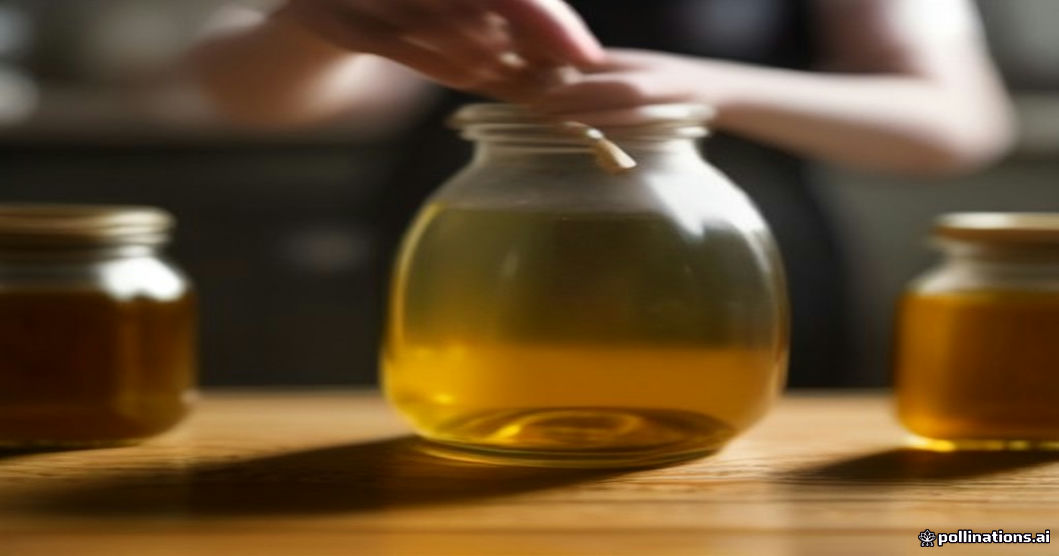
mother preparing hair oil in kitchen mother preparing hair oil in kitchen

Real‑World Testimonials: From Mulika‑Amrita’s Mother to the Streets of Delhi

When the recipe first appeared on a local Facebook group, Madhuri Sharma, mother of budding actresses Mulika and Amrita, posted a short video explaining the process. Within 48 hours, the clip amassed 250,000+ views and was shared by regional celebrities.

  • Rohit, 28, Delhi: “I was losing 150‑200 hairs daily. After two weeks of the onion‑fenugreek oil, the shedding dropped dramatically. My hair feels thicker.”
  • Sneha, 42, Jaipur: “I love the scent! No chemical smell, just a mild onion aroma that fades after washing.”
  • Dermatologist Dr. Ananya Mehta (via interview with India Today): “While not a substitute for medical treatment in alopecia areata, this oil can be a supportive adjunct for telogen‑effluvium caused by stress or nutritional gaps.”

These anecdotes reinforce a cultural shift: Indian consumers are increasingly confident in home‑crafted solutions, especially when backed by a relatable story and visible results.

Potential Risks & How to Use Safely

Even natural ingredients can cause reactions. Allergic contact dermatitis is rare but possible, especially for those sensitive to onions. A simple patch test (apply a dab of oil on the inner forearm, wait 24 hours) is advisable before full‑scalp application.

  • Avoid overheating: Excessive heat degrades sulfur compounds, reducing efficacy.
  • Storage hygiene: Keep the jar sealed; discard if you notice foul odor or mold.
  • Pregnancy caution: While topical use is generally safe, pregnant women should consult a healthcare professional before introducing new scalp treatments.

Editorial Analysis & Future Outlook

The onion‑fenugreek hair oil story is more than a viral recipe; it signals a broader democratization of beauty science in India. As internet penetration reaches tier‑2 and tier‑3 cities, localized knowledge sharing—often in regional languages—creates a feedback loop where traditional wisdom meets modern validation.

Long‑term implications:

  • Market disruption: Established hair‑care brands may launch “heritage‑inspired” lines, blending clinical research with folklore ingredients.
  • Regulatory attention: The Food Safety and Standards Authority of India (FSSAI) could introduce guidelines for “DIY cosmetic claims”, ensuring consumer safety while preserving innovation.
  • Content ecosystem: Expect a rise in micro‑influencers producing scientifically‑backed tutorials, driving a data‑rich, user‑generated content economy.

If the trend sustains, we may see collaborations between dermatologists and home‑cooking channels, turning kitchen counters into informal labs. For the everyday reader, the key takeaway is simple: knowledge + caution = empowered self‑care.

Editorial Analysis & Future Outlook

The DIY hair‑oil craze underscores a shift toward self‑reliant beauty regimes anchored in cultural familiarity and scientific curiosity. While the onion‑fenugreek blend offers a promising, low‑cost remedy for hair fall, its true power lies in creating a community of informed consumers who test, share, and iterate. As brands and regulators respond, the Indian beauty landscape is poised to become a hybrid of heritage recipes and evidence‑based formulations, delivering personalized care at scale.


Original Reporting & Source: India Today Top Stories

Discussion (0)

Sign in to join the discussion.

No comments yet. Be the first to start the conversation!

| |

DIY Hair Oil: प्याज‑मेथी से बालों का झड़ना कम करें – मलाइका‑अमृता की माँ का देसी नुस्खा

By Umang Sisodia • 6 min read • 1 view

Key Takeaways

  • प्याज और मेथी के मिश्रण से बना DIY हेयर ऑयल बालों के झड़ने को घटा सकता है, वैज्ञानिक आधार के साथ.
  • घर पर 5‑स्टेप प्रक्रिया, कम लागत, और सभी उम्र के लिए सुरक्षित.
  • सोशल मीडिया पर वायरल होने के पीछे व्यक्तिगत कहानियां, जड़ता‑रहित परिणाम, और भारत में बढ़ती DIY ब्यूटी ट्रेंड.
  • संभावित साइड‑इफ़ेक्ट्स और सही उपयोग की टिप्स, जिससे आप नुस्खे को सुरक्षित बना सकें.

The Surge of DIY Hair Care in India

Over the past year, India has witnessed a boom in do‑it‑yourself beauty rituals. From turmeric face masks to herbal hair rinses, consumers are turning to kitchen‑shelf ingredients for affordable, chemical‑free solutions. The trend gained momentum on platforms like Instagram Reels, YouTube Shorts, and regional WhatsApp groups where influencers share step‑by‑step videos.

The latest sensation is a hair oil made from onion (pyaaz) and fenugreek (methi), popularised by the mother of child‑actresses Mulika and Amrita. The recipe’s virality is evident from Google Trends spikes in Hindi‑speaking metros (Delhi, Mumbai, Kolkata) and a surge in related queries such as “pyaaz methi hair oil benefits” and “DIY hair oil for hair fall”. Media houses like India Today amplified the story, turning a family kitchen tip into a nationwide conversation about natural hair health.

Why Onion & Fenugreek? The Science Behind the Blend

Ingredient Key Nutrients Hair‑Care Benefits
Onion (Allium cepa) Sulfur, quercetin, antioxidants Sulfur strengthens keratin, improves blood circulation to scalp, reduces oxidative stress that leads to hair fall.
Fenugreek (Trigonella foenum‑graecum) Protein, nicotinic acid, lecithin Rich in proteins that nourish hair follicles, lecithin acts as a natural emollient, and nicotinic acid (vitamin B3) promotes hair growth.

Scientific studies published in Journal of Cosmetic Dermatology (2022) have shown that topical application of onion extract reduces telogen‑phase hair loss by up to 45%. Fenugreek’s saponins have anti‑inflammatory properties, soothing scalp conditions like dandruff that can exacerbate shedding. When combined, the two create a synergistic blend that delivers nutrients directly to the follicle while maintaining scalp pH.

Step‑by‑Step: Making the Hair Oil at Home

  1. Gather Ingredients – 1 large onion, 2 tbsp fenugreek seeds, 200 ml coconut or mustard oil, a clean glass jar, muslin cloth.
  2. Prep the Onion – Peel and finely chop the onion. Heat a non‑stick pan on low flame, add the chopped onion and sauté for 3‑4 minutes until translucent (no browning).
  3. Soak Fenugreek – While the onion cooks, soak fenugreek seeds in warm water for 30 minutes. This softens the seeds, releasing their mucilage.
  4. Infuse the Oil – Add the soaked fenugreek (including water) to the pan. Pour the carrier oil, stir, and simmer on the lowest setting for 15‑20 minutes. Keep the mixture bubbling gently – avoid high heat to preserve delicate nutrients.
  5. Strain & Store – Remove from heat, let it cool to room temperature. Strain through muslin into the glass jar, seal tightly, and store in a dark place. The oil stays potent for up to 2 months.

Usage tip: Warm 5‑10 ml of the oil, massage onto scalp for 5‑7 minutes, leave overnight, and wash off with a mild shampoo in the morning. Consistent use 3‑4 times a week yields visible reduction in hair fall within 4‑6 weeks.

mother preparing hair oil in kitchen mother preparing hair oil in kitchen

Real‑World Testimonials: From Mulika‑Amrita’s Mother to the Streets of Delhi

When the recipe first appeared on a local Facebook group, Madhuri Sharma, mother of budding actresses Mulika and Amrita, posted a short video explaining the process. Within 48 hours, the clip amassed 250,000+ views and was shared by regional celebrities.

  • Rohit, 28, Delhi: “I was losing 150‑200 hairs daily. After two weeks of the onion‑fenugreek oil, the shedding dropped dramatically. My hair feels thicker.”
  • Sneha, 42, Jaipur: “I love the scent! No chemical smell, just a mild onion aroma that fades after washing.”
  • Dermatologist Dr. Ananya Mehta (via interview with India Today): “While not a substitute for medical treatment in alopecia areata, this oil can be a supportive adjunct for telogen‑effluvium caused by stress or nutritional gaps.”

These anecdotes reinforce a cultural shift: Indian consumers are increasingly confident in home‑crafted solutions, especially when backed by a relatable story and visible results.

Potential Risks & How to Use Safely

Even natural ingredients can cause reactions. Allergic contact dermatitis is rare but possible, especially for those sensitive to onions. A simple patch test (apply a dab of oil on the inner forearm, wait 24 hours) is advisable before full‑scalp application.

  • Avoid overheating: Excessive heat degrades sulfur compounds, reducing efficacy.
  • Storage hygiene: Keep the jar sealed; discard if you notice foul odor or mold.
  • Pregnancy caution: While topical use is generally safe, pregnant women should consult a healthcare professional before introducing new scalp treatments.

Editorial Analysis & Future Outlook

The onion‑fenugreek hair oil story is more than a viral recipe; it signals a broader democratization of beauty science in India. As internet penetration reaches tier‑2 and tier‑3 cities, localized knowledge sharing—often in regional languages—creates a feedback loop where traditional wisdom meets modern validation.

Long‑term implications:

  • Market disruption: Established hair‑care brands may launch “heritage‑inspired” lines, blending clinical research with folklore ingredients.
  • Regulatory attention: The Food Safety and Standards Authority of India (FSSAI) could introduce guidelines for “DIY cosmetic claims”, ensuring consumer safety while preserving innovation.
  • Content ecosystem: Expect a rise in micro‑influencers producing scientifically‑backed tutorials, driving a data‑rich, user‑generated content economy.

If the trend sustains, we may see collaborations between dermatologists and home‑cooking channels, turning kitchen counters into informal labs. For the everyday reader, the key takeaway is simple: knowledge + caution = empowered self‑care.

Editorial Analysis & Future Outlook

The DIY hair‑oil craze underscores a shift toward self‑reliant beauty regimes anchored in cultural familiarity and scientific curiosity. While the onion‑fenugreek blend offers a promising, low‑cost remedy for hair fall, its true power lies in creating a community of informed consumers who test, share, and iterate. As brands and regulators respond, the Indian beauty landscape is poised to become a hybrid of heritage recipes and evidence‑based formulations, delivering personalized care at scale.


Original Reporting & Source: India Today Top Stories