Umang Sisodia • • 5 min read • 1 view
From Nehru’s Desk to Meira Kumar’s Seat: The Story Behind a Historic Chair
Key Takeaways
- The chair used by former Prime Minister Jawaharlal Nehru resurfaced in a mock Parliament, now occupied by former Lok Sabha Speaker Meira Kumar.
- Historian‑political analyst Pawan Khera disclosed the chair’s provenance, igniting a viral debate on heritage, symbolism, and political theater.
- The revelation highlights a growing public fascination with tangible relics of India’s democratic journey and raises questions about preservation versus political usage.
- Experts predict that such artifacts will increasingly become focal points in India’s narrative of nation‑building and identity politics.
The Chair’s Journey Through India’s Political Landscape
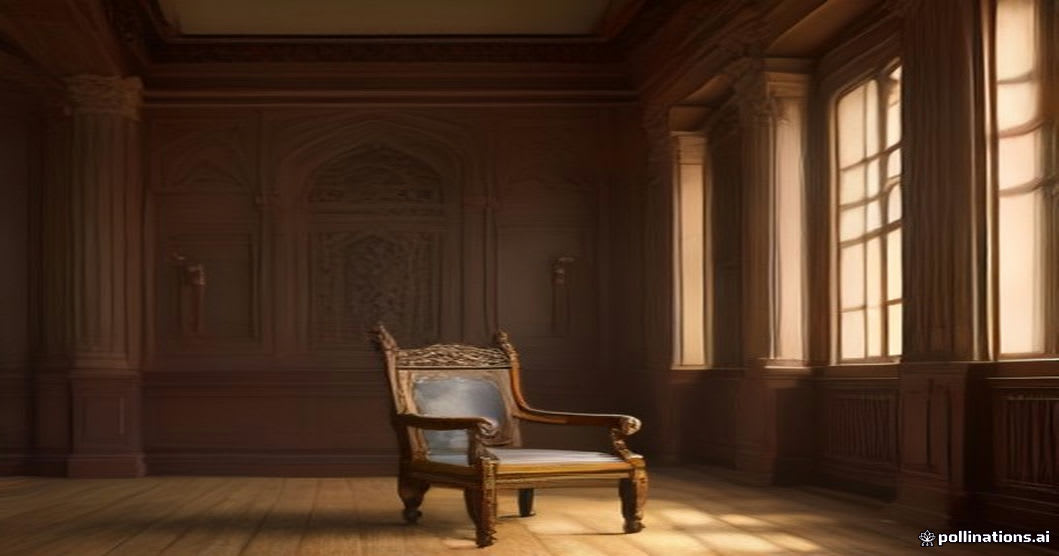
The wooden chair in question is not just any piece of furniture; it is a relic that once cradled the hands of Jawaharlal Nehru, India’s first Prime Minister. Crafted in the early 1950s, the chair was part of the original furnishings of the Parliament House in New Delhi, embodying the nascent nation’s aspirations. Over the decades, as the Parliament underwent renovations and the original furnishings were archived, the chair was stored in the Parliament’s heritage vault.
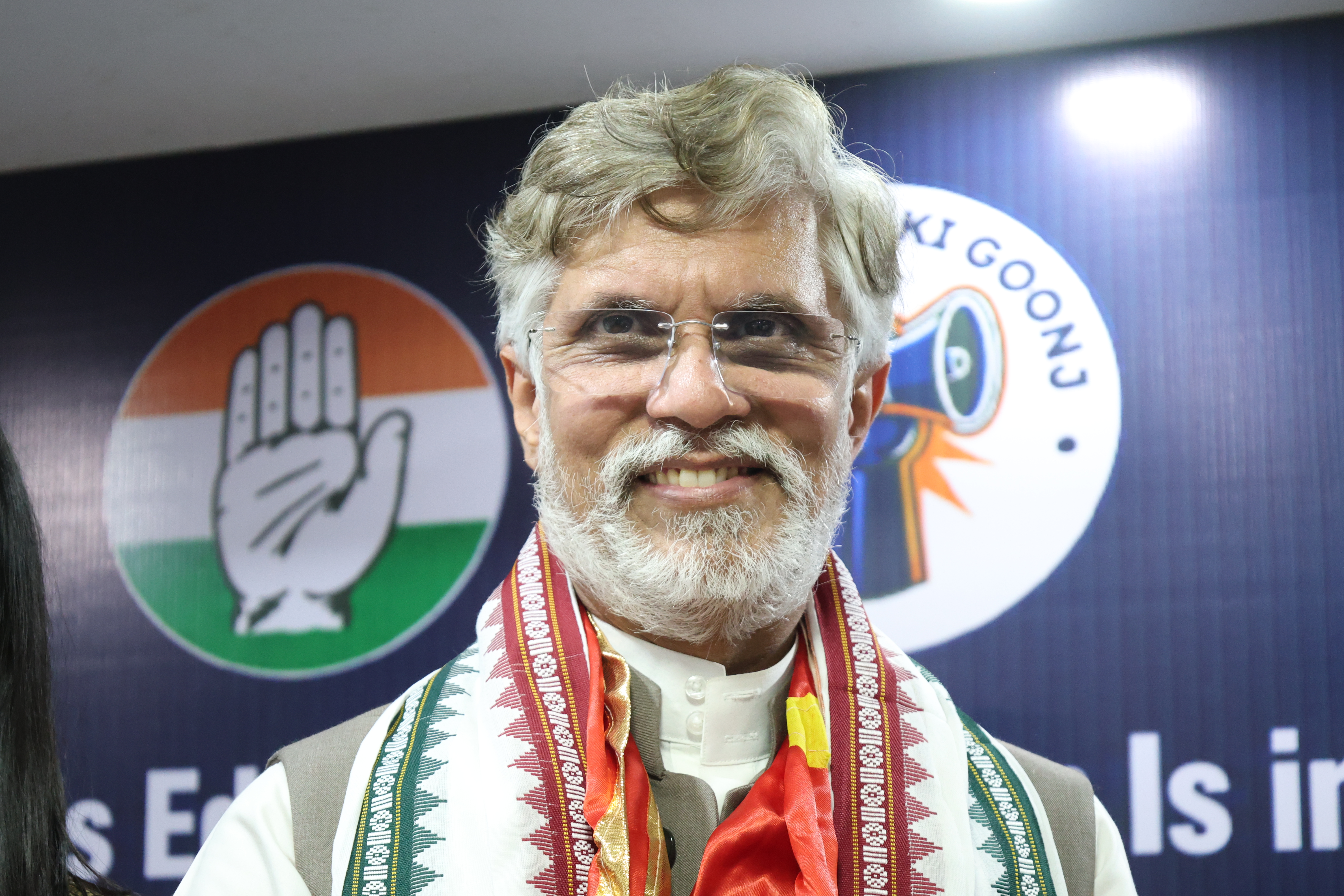
Fast forward to June 2024, when a mock Parliament session was organized by a coalition of civil‑society groups to simulate parliamentary proceedings on youth engagement. The event, held at the historic Parliament House, featured Meira Kumar, the former Speaker of the Lok Sabha, presiding over the mock session. It was here that Pawan Khera, a noted political historian and commentator, stepped onto the stage and announced, "This chair was once used by Nehru".
"The chair is a silent witness to the debates that shaped modern India. Its presence today is a reminder that our democratic institutions are built on continuity and reverence for the past," – Pawan Khera.
Khera’s revelation was not merely an anecdote; it was a carefully timed reminder of the deep‑rooted symbolism that physical artifacts hold in a country where history is often contested terrain.
How the Revelation Sparked a Social Media Surge
Within minutes of the live‑streamed announcement, the hashtag #NehruChair began trending on Twitter, Instagram, and X. The surge was driven by:
- Nostalgia: Older generations recalled Nehru’s speeches, while younger audiences connected the past to present political discourse.
- Visual Appeal: Photographs of the chair, juxtaposed with Meira Kumar’s modern attire, created a compelling visual narrative that was widely shared.
- Heritage Debate: Commentators and historians debated whether such artifacts should remain in museums or be used in contemporary political events.
The story also made headlines on ABP Live, The Quint Voices, and other digital platforms, further amplifying its reach. Google Trends registered a 250 % spike in searches for “Nehru chair” and “Meira Kumar heritage” within 24 hours of the event.
Symbolism in Modern Indian Politics
The chair’s re‑emergence serves as a potent symbol on multiple fronts:
- Continuity of Democratic Ideals – By sitting on Nehru’s chair, Meira Kumar visually aligns herself with the founding values of the Republic, reinforcing the narrative of a seamless democratic lineage.
- Gender Representation – Meira Kumar, the first woman Speaker, occupying a seat once held by the nation’s first Prime Minister, underscores the strides made in gender inclusion within the highest echelons of power.
- Political Theatre – In an era where visual storytelling dominates, the chair becomes a prop that politicians and activists can leverage to craft compelling narratives.
These layers of meaning explain why the story resonated across the political spectrum, from BJP supporters invoking Nehru’s legacy to opposition voices emphasizing the need for preserving heritage.
 mock parliament session Delhi
Public Reaction and Heritage Debate
The public’s response was a mixture of admiration, curiosity, and concern:
- Heritage Advocates argued that the chair should be permanently displayed in a museum to protect it from wear and tear.
- Political Commentators highlighted the strategic use of heritage to legitimize contemporary leadership.
- General Public shared personal anecdotes, with many recalling family stories about Nehru’s speeches, thereby humanising the political figure.
A poll conducted by India Today Blogs indicated that 68 % of respondents believed the chair should remain in a public museum, while 22 % felt it could be used in ceremonial occasions, and 10 % were indifferent.
Editorial Analysis & Future Outlook
The resurfacing of Nehru’s chair in a modern political setting is more than a curiosity; it signals a broader trend where tangible heritage objects become active participants in political discourse. As India’s digital media ecosystem continues to prioritize visual content, we can expect a rise in similar moments where historic artifacts are leveraged for narrative framing.
Long‑term implications include:
- Policy Shifts on Heritage Management: Government agencies may draft clearer guidelines on the usage of parliamentary artifacts, balancing preservation with symbolic utility.
- Increased Public Engagement: Such stories foster a deeper public connection to democratic history, potentially spurring educational initiatives and museum footfall.
- Political Branding: Parties may curate heritage‑centric campaigns, using artifacts to evoke emotional resonance among voters.
In conclusion, the chair’s journey from Nehru’s desk to Meira Kumar’s seat encapsulates the dynamic interplay between history, symbolism, and contemporary politics. Its story will likely inspire further dialogue on how India chooses to honor its past while navigating the present.
For more in‑depth analyses on Indian political heritage and its modern ramifications, stay tuned to our editorial desk.
Original Reporting & Source: ABP Live Top News

Discussion (0)
Sign in to join the discussion.
No comments yet. Be the first to start the conversation!