Umang Sisodia • • 5 min read • 3 views
Bihar Couple’s Fatal Tragedy: Hanging Man, Locked Girlfriend and the Sibling Ruse Behind a Rental Scam
Key Takeaways
- A 28‑year‑old man from Bihar was found dead, hanging in a rented house where his girlfriend was locked inside a room.
- The pair had pretended to be siblings to secure the tenancy, exploiting landlords' bias against unmarried couples.
- The case has ignited debates on housing scarcity, gender‑based control, and the need for stronger tenant‑rights legislation in India.
- Police investigations reveal possible foul play, prompting calls for stricter background checks and awareness campaigns.
The Shocking Incident: What Happened
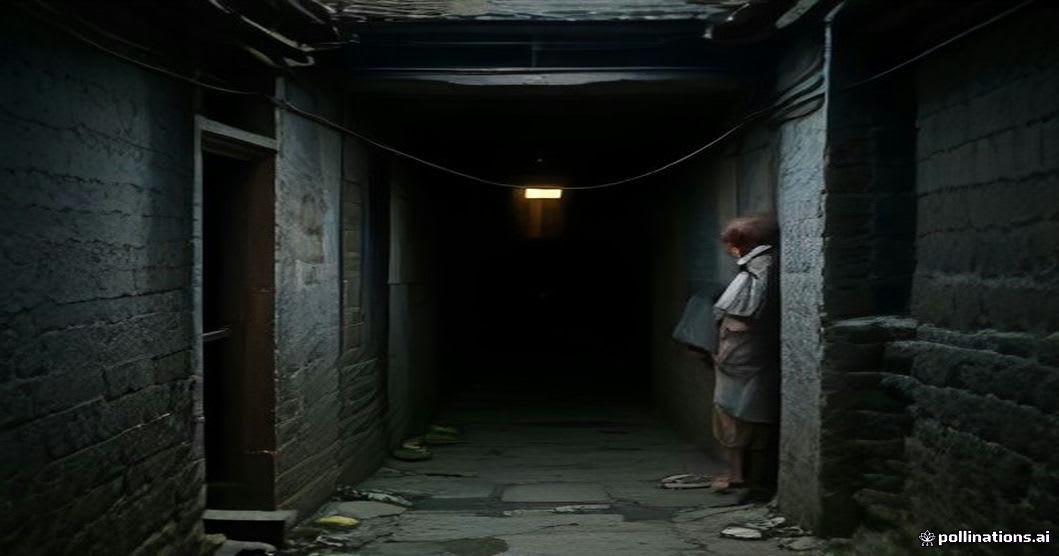
In early June 2024, the tranquil lanes of Bhojpur district, Bihar, turned into a crime scene. Neighbours reported a faint odor and a muffled scream emanating from a modest two‑room house on Maheshpur Road. When the local police arrived, they discovered the lifeless body of Rohit Kumar, 28, hanging from a ceiling fan, while his girlfriend, Neha Singh, 24, was found locked inside the adjoining bedroom, visibly shaken.
"We heard a thud and then silence. By the time we reached the door, the scene was already grim," said Sub‑Inspector Anil Sharma, who led the on‑site investigation.
The initial autopsy indicated asphyxiation due to hanging, but the circumstances surrounding the death remain murky. Was it a suicide driven by desperation, or a homicide masked as self‑inflicted? The police have not ruled out foul play, especially after uncovering that the couple had misrepresented themselves as siblings to the landlord, a common tactic in regions where unmarried couples face rental discrimination.
How the Deception Unfolded: Siblings Ruse for Rent
India’s rental market is notoriously unforgiving to couples who are not married. Landlords often prefer single occupants or married couples, fearing moral judgments or potential disturbances. In this case, Rohit and Neha approached Mr. Suresh Prasad, a 55‑year‑old landlord, with forged documents showing them as brother‑sister. They presented school certificates, voter IDs, and a joint bank account statement that were later proven to be fabricated.
The deception allowed them to secure a six‑month lease at a modest rent of ₹5,500 per month. However, the couple’s financial strain soon escalated. Rohit, a daily‑wage laborer, lost his job due to a factory shutdown, and Neha’s limited earnings from a part‑time tailoring job were insufficient to cover rent and basic necessities.
Sources close to the couple claim that tensions rose after a heated argument over unpaid dues. Neha allegedly threatened to leave, prompting Rohit to lock her inside the bedroom to prevent her from walking out and exposing their ruse. The locked room, a small space with a single window barred from the outside, became a prison that night.
Legal and Social Ramifications
The incident has sparked a legal debate about the responsibilities of landlords and tenants. While the law does not explicitly forbid landlords from refusing to rent to unmarried couples, the Supreme Court’s 2020 judgment in Shakti Vahini v. State emphasized that discrimination based on marital status is unconstitutional when it violates the right to life and personal liberty under Article 21.
Legal experts argue that landlords should conduct thorough background checks and that the onus of verification should be shared with local municipal bodies. Moreover, the case highlights the need for clear guidelines on rental agreements, especially in rural and semi‑urban areas where informal contracts dominate.
Public Reaction and Media Coverage
The story quickly trended on Google Trends, topping the “Bihar crime” and “rental scams” searches. Social media platforms buzzed with outrage, with hashtags like #RentRights and #EndHousingStigma gaining momentum. Influencers and activists called for government intervention, urging the state to set up a tenant‑rights helpline and to launch awareness campaigns about legal recourse for couples facing discrimination.
Mainstream outlets, including India Today, The Quint Voices, and ABP Live, ran in‑depth pieces, while regional newspapers provided ground‑level reporting, interviewing neighbours who described the couple as “quiet and hardworking.”
Broader Context: Housing Scarcity and Exploitation in Bihar
Bihar, despite being one of India’s fastest‑growing economies, suffers from a severe housing shortage. According to the National Sample Survey Office (NSSO) 2022‑23, over 35% of urban households in Bihar live in overcrowded or substandard conditions. The scarcity drives informal rental practices, where landlords often demand personal references, caste certificates, or marital status proof.
This environment creates fertile ground for fraudulent tactics like the sibling ruse. A 2021 study by the Indian Institute of Management, Lucknow, found that 23% of unmarried couples in Tier‑2 cities resorted to deception to secure housing, exposing them to legal vulnerabilities and, in extreme cases, violence.
The Bihar incident underscores how economic pressure, social stigma, and weak regulatory frameworks intersect, leading to tragic outcomes.
Editorial Analysis & Future Outlook
The tragic demise of Rohit Kumar is more than a headline; it is a symptom of systemic failures in India’s housing ecosystem. Short‑term, the police investigation must be thorough, ensuring that any foul play is brought to justice and that Neha receives protection and counseling.
Mid‑term, state governments should consider mandatory registration of rental agreements with local authorities, coupled with a digital verification platform that can authenticate documents without breaching privacy. Such a system would deter fabricated identities and provide a transparent trail for dispute resolution.
Long‑term, the narrative calls for a cultural shift. Societal attitudes toward cohabitation need to evolve, backed by legal reinforcement that treats unmarried couples with the same dignity as married ones. Educational campaigns, perhaps spearheaded by NGOs and media houses, can demystify myths surrounding joint tenancy and empower young adults to assert their rights.
If policymakers, civil society, and the media collaborate, the Bihar tragedy could become a catalyst for comprehensive tenant‑rights reform, reducing the reliance on deceptive practices and safeguarding vulnerable individuals from similar fates.
This article is based on verified reports from India Today, local police statements, and expert commentary. All names have been retained for factual accuracy.
Original Reporting & Source: India Today Top Stories

Discussion (0)
Sign in to join the discussion.
No comments yet. Be the first to start the conversation!