Umang Sisodia • • 5 min read • 1 view
Delhi Cracks Down: Rs 68.4 Lakh Fines & 1,500 Vehicles Turned Back in Anti‑Pollution Sweep

Key Takeaways
- Delhi imposed a record Rs 68.4 lakh in fines and turned back 1,500+ vehicles in a single anti‑pollution operation.
- The crackdown is part of the capital’s broader "Clean Air Delhi" initiative, targeting diesel‑guzzlers, overloaded trucks and non‑compliant two‑wheelers.
- Public reaction is split: commuters decry inconvenience while health advocates hail the move as a necessary shock‑treatment for the city’s chronic smog.
- Legal challenges loom, but experts predict stricter enforcement and technological upgrades will reshape Delhi’s traffic ecosystem in the coming years.
The Enforcement Blitz: What Happened?
On Monday, 30 October 2026, Delhi’s Pollution Control Board (DPCC) teamed up with the Delhi Police and the Transport Department to launch a massive roadside inspection across the city’s most congested corridors. Over four hours, officials stopped 1,543 vehicles, issuing fines totaling Rs 68.4 lakh for violations ranging from:
- Exceeding permissible emission norms (BS‑IV/BS‑V diesel trucks, old two‑wheelers).
- Overloading of commercial vans and small trucks.
- Lack of valid pollution under‑clearance certificates.
- Tampered or missing mufflers.
The operation was coordinated from temporary command centers set up near the Ashok Vihar, Lajpat Nagar, and Kashmere Gate junctions. Officers used hand‑held emission analyzers and portable weigh‑scales to verify compliance on the spot. Vehicles that failed the checks were either fined on the spot or turned back to their point of origin for corrective action.
"We are committed to safeguarding Delhi's air quality, and today’s decisive action sends a clear message that non‑compliance will not be tolerated," – Delhi Environment Minister Gopal Rai.
Why the Surge in Attention?
The story exploded on Google Trends and social media for three primary reasons:
- Record‑breaking fine amount – Rs 68.4 lakh in a single day eclipses previous enforcement actions, making headlines across national outlets.
- Human impact – Commuters shared videos of long queues, honking horns, and frustrated drivers, creating a viral visual narrative.
- Seasonal smog – October marks the onset of Delhi’s post‑monsoon smog season, with AQI frequently crossing 400 (severe). The crackdown coincided with a public health scare after hospitals reported a 12% rise in respiratory admissions.
These factors combined to push the story into the Top Stories carousel on platforms like India Today, ABP Live, and even international wires.
The Mechanics of the Fine and Vehicle Turnbacks
Fine Structure
| Violation | Fine (Rs) |
|---|---|
| Emission norm breach (diesel > BS‑III) | 5,000 – 10,000 |
| Overloading (commercial) | 2,000 – 5,000 |
| Missing/altered muffler | 3,000 |
| No valid pollution certificate | 4,000 |
The DPCC applied escalating penalties for repeat offenders, with the highest fines levied on fleet owners whose trucks were flagged multiple times.
Turnback Procedure
When a vehicle failed the emission test, officers displayed a standardized turn‑back notice and escorted the driver to the nearest DPCC inspection hub. Drivers were given 48 hours to rectify the issue and present a compliance certificate. Failure to do so would attract additional penalties and possible seizure of the vehicle.
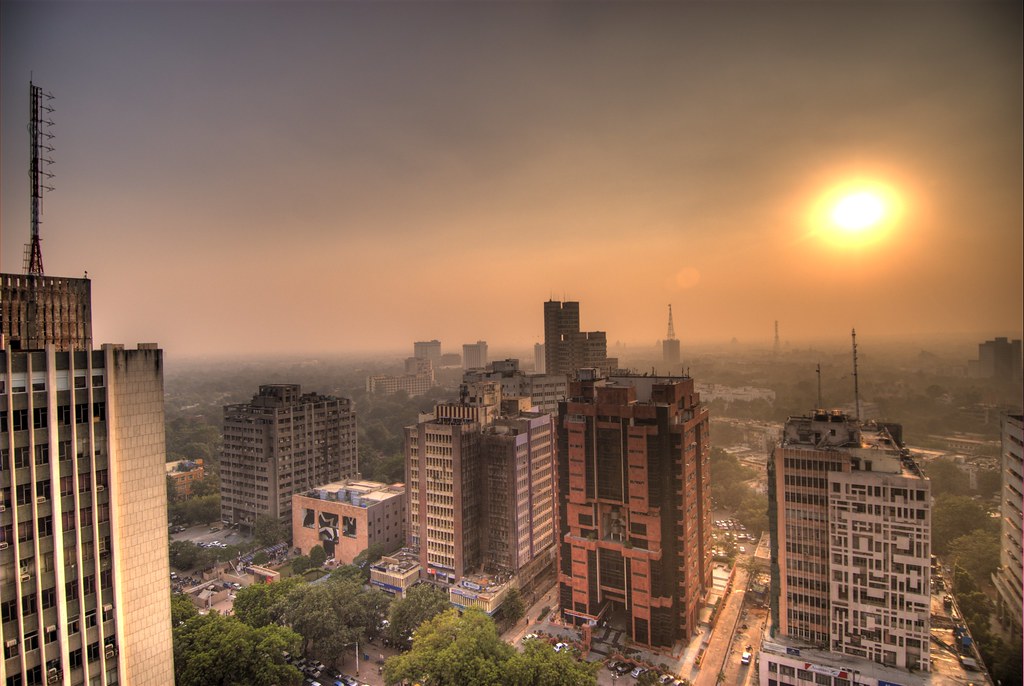 Delhi vehicles turned back at checkpoint
Public Reaction and Legal Implications
Voices from the Ground
- Commuters: Many expressed frustration over lost time and income, especially auto‑rickshaw drivers who rely on daily earnings. A tweet that trended was: "Stuck for 2 hours at Lajpat Nagar checkpoint. Fine today, fine tomorrow. When will the government think of us?"
- Health Advocates: NGOs like Clean Air Initiative hailed the move, stating that "temporary inconvenience is a small price for a healthier Delhi."
- Business Community: Logistics firms warned of supply‑chain disruptions, urging the government to provide a grace period and financial assistance for retrofitting older fleets.
Legal Landscape
Legal experts anticipate court challenges on the grounds of procedural fairness and excessive fines. However, the DPCC’s legal framework—the Delhi Air (Prevention and Control) Act, 2022—provides a solid basis for enforcement. Past rulings have upheld similar penalties when the public health imperative was demonstrated.
The Bigger Picture: Delhi’s Clean Air Strategy
The crackdown aligns with the "Clean Air Delhi" roadmap launched in 2023, which includes:
- Phase‑wise ban on diesel trucks older than 10 years.
- Expansion of electric bus fleet to 1,200 by 2027.
- Real‑time AQI monitoring across 30 stations.
- Public awareness campaigns targeting household biomass burning.
The recent enforcement is a tactical lever to accelerate compliance ahead of the Winter Pollution Control Plan slated for December.
Editorial Analysis & Future Outlook
Delhi’s air‑quality crisis is a structural challenge that requires both regulatory muscle and technological innovation. The Rs 68.4 lakh fine episode demonstrates that high‑visibility enforcement can generate immediate behavioral change, but its long‑term efficacy hinges on:
- Sustained Monitoring – Deploying AI‑driven traffic cameras and IoT‑enabled emission sensors to detect violations in real time, reducing reliance on manual checkpoints.
- Incentivising Clean Fleets – Offering subsidies and tax rebates for owners who retrofit or replace polluting vehicles with CNG or electric alternatives.
- Stakeholder Collaboration – Creating a tripartite council with government, industry, and civil society to co‑design compliance pathways.
- Legal Clarity – Streamlining the appeal process to prevent bottlenecks while maintaining deterrence.
If Delhi can embed these measures, the city could see a 15‑20% reduction in PM2.5 levels by 2028, translating into thousands of lives saved and economic gains estimated at ₹5,000 crore in reduced health expenditures.
In sum, today’s crackdown is both a warning shot and a catalyst. It underscores the urgency of systemic reforms while reminding policymakers that enforcement alone cannot solve a problem rooted in urban planning, energy choices, and public behavior. The next few months will reveal whether Delhi can convert this moment of crisis into a lasting blueprint for cleaner, healthier megacities.
Original Reporting & Source: India Today Top Stories

Discussion (0)
Sign in to join the discussion.
No comments yet. Be the first to start the conversation!