Umang Sisodia • • 6 min read • 1 view

Chandni Chowk's Wedding Rush: The Unseen Crisis of Public Toilets
Listen to Article
Select a voice and press play
Chandni Chowk's Wedding Rush: The Unseen Crisis of Public Toilets

Key Takeaways

  • Chandni Chowk's bustling wedding‑shopping lanes lack adequate public sanitation, forcing shoppers to rely on makeshift solutions.
  • The shortage of toilets is a public‑health risk, especially during peak wedding season when footfall spikes by 30‑40%.
  • Municipal authorities and heritage‑conservation bodies are at odds over installing modern facilities in the historic market.
  • Long‑term solutions could involve modular, heritage‑sensitive restroom pods and a digital “toilet‑finder” app.

Chandni Chowk, the centuries‑old commercial heart of Old Delhi, has always been synonymous with vibrant bazaars, aromatic street food, and a kaleidoscope of cultural festivities. Yet, as India’s wedding season reaches its zenith, a less glamorous but urgent issue has taken center stage: where do shoppers relieve themselves?

The Wedding‑Shopping Frenzy

Every year, thousands of brides‑to‑be, grooms, and their families descend on Chandni Chowk to source everything from bridal lehengas and sherwanis to intricate gold jewellery and traditional wedding décor. According to the Delhi Tourism Department, foot traffic in the market swells by 30‑40% during the months of November to February, the peak wedding period.

Vendors set up temporary stalls, street performers entertain the crowds, and the air is thick with the scent of jalebis, chaat, and incense. However, the surge in visitors has exposed a glaring infrastructural gap: the chronic shortage of public toilets.

Why Toilets Matter – A Public‑Health Lens

The lack of sanitary facilities is not just an inconvenience; it is a public‑health hazard. The World Health Organization links inadequate sanitation to the spread of diarrhoeal diseases, urinary tract infections, and even COVID‑19 transmission via contaminated surfaces. In densely packed lanes like Katra Neel, Gali Paranthe Wali, and the historic Jama Masjid vicinity, shoppers often resort to:

  • Portable urinals hidden behind shop awnings.
  • Improvised “potty corners” in alleyways, which quickly become breeding grounds for bacteria.
  • Private restroom fees in upscale boutiques, pricing out lower‑income shoppers.

A recent survey by the NGO Swachh Bharat Delhi found that 68% of respondents had difficulty locating a clean public toilet during their Chandni Chowk visit, and 45% reported resorting to unhygienic alternatives.

Heritage vs. Modernity – The Policy Tug‑of‑War

Chandni Chowk is not just a market; it is a protected heritage zone under the Archaeological Survey of India (ASI). Any structural addition, including restroom blocks, must undergo rigorous scrutiny to ensure it does not mar the historic skyline.

The Delhi Municipal Corporation (DMC) proposed installing modular restroom pods that blend with the Mughal‑era façade—metallic structures with intricate jaali patterns and brass accents. However, heritage activists argue that even these pods could diminish the visual integrity of the 17th‑century streetscape.

"We cannot sacrifice our heritage for convenience, but we also cannot ignore the health of our citizens," says Dr. Anjali Mehra, a conservation architect with the ASI.

Grassroots Innovations – Community‑Led Solutions

In the absence of official infrastructure, local shopkeepers have taken matters into their own hands. In Kashmiri Gate, a cluster of 12 shop owners pooled resources to lease a retro‑fitted carriage that serves as a mobile toilet. The carriage, painted in traditional Dilli Haat motifs, operates from 10 am to 8 pm and charges a nominal ₹15 per use.

Similarly, a digital “Toilet‑Finder” app launched by a Delhi‑based startup, SanitiMap, uses crowd‑sourced data to pinpoint the nearest clean restroom, be it a private boutique, a temple, or a municipal facility. The app has logged over 12,000 downloads within its first month, signaling strong demand.
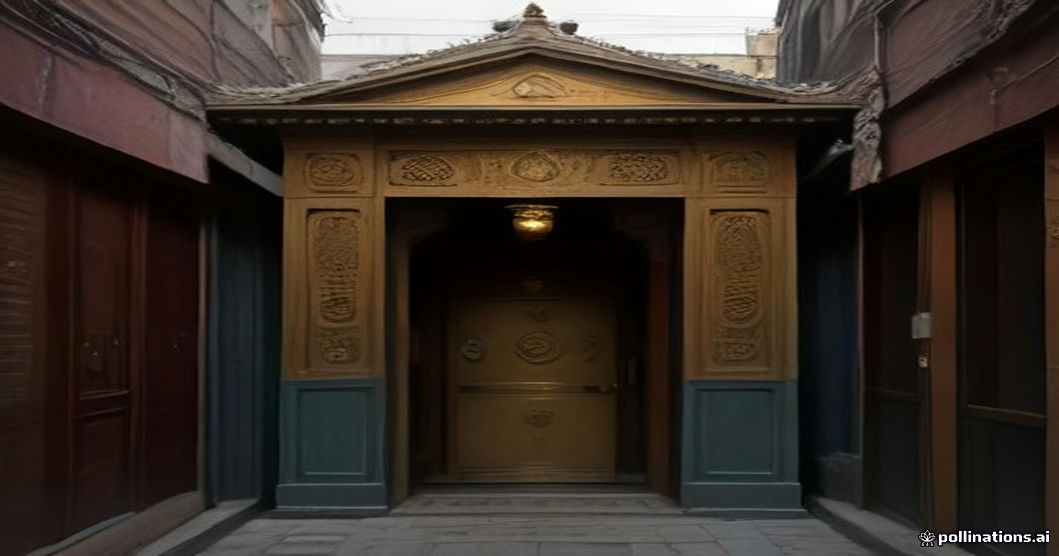
Delhi public restroom modular pod Delhi public restroom modular pod

The Economic Angle – Lost Revenue and Tourist Perception

Tourism experts warn that sanitation deficits can erode Chandni Chowk’s reputation as a must‑visit destination. A study by TravelPulse indicated that 22% of international tourists consider clean public facilities a deciding factor when choosing heritage sites. Moreover, vendors lose an estimated ₹2.5 crore annually due to shoppers abandoning purchases early because of bathroom anxieties.

Policy Recommendations – Towards a Sustainable Fix

  1. Heritage‑Sensitive Modular Restrooms: Deploy prefabricated pods with reversible cladding that can be removed without damaging underlying structures.
  2. Public‑Private Partnerships (PPP): Encourage boutique owners to open their restrooms to the public during peak hours in exchange for tax incentives.
  3. Smart Sanitation Mapping: Expand SanitiMap’s database and integrate it with Delhi’s official tourism portal.
  4. Awareness Campaigns: Launch multilingual signage encouraging proper toilet use and promoting the new facilities.
  5. Regular Maintenance Audits: Assign a dedicated sanitation task force to conduct weekly cleanliness checks, with real‑time reporting via a citizen‑feedback app.

Voices from the Ground

  • Rohit Sharma, 28, wedding planner: "Clients often ask me about restroom options before we even discuss décor. It’s become a deal‑breaker."
  • Fatima Begum, 55, shop owner: "We want to keep the charm of Chandni Chowk, but we also want our customers to feel comfortable. The mobile carriage has been a lifesaver."
  • Anil Kumar, 34, tourist from Mumbai: "I love the energy here, but after a few hours of shopping, I was desperate for a clean toilet. I wish there were more options."

Editorial Analysis & Future Outlook

Chandni Chowk stands at a crossroads where heritage preservation meets modern urban necessity. The current sanitation crisis underscores a broader challenge faced by historic marketplaces across India: balancing the authenticity that draws tourists with the basic amenities that ensure public health.

If municipal authorities adopt modular, heritage‑compatible restroom solutions, they can set a precedent for other heritage precincts like Bara Bazaar in Lucknow or Bandra’s Linking Road. Moreover, the success of community‑driven initiatives—such as the mobile carriage and SanitiMap—demonstrates that crowd‑sourced data and private entrepreneurship can bridge gaps left by slow bureaucratic action.

Looking ahead, the integration of IoT‑enabled sanitation monitoring could revolutionize maintenance, providing real‑time alerts on cleanliness levels and supply needs. Coupled with AI‑driven footfall analytics, city planners can strategically place restroom pods where demand spikes, ensuring minimal disruption to the historic streetscape.

In the longer term, a holistic policy framework that treats sanitation as an integral component of heritage tourism will not only safeguard public health but also enhance Chandni Chowk’s economic resilience. By turning a glaring inconvenience into an opportunity for innovation, Delhi can reaffirm its status as a city where the past and the future coexist harmoniously.


Original Reporting & Source: India Today Top Stories

Discussion (0)

Sign in to join the discussion.

No comments yet. Be the first to start the conversation!

| |

Chandni Chowk's Wedding Rush: The Unseen Crisis of Public Toilets

By Umang Sisodia • 6 min read • 1 view

Key Takeaways

  • Chandni Chowk's bustling wedding‑shopping lanes lack adequate public sanitation, forcing shoppers to rely on makeshift solutions.
  • The shortage of toilets is a public‑health risk, especially during peak wedding season when footfall spikes by 30‑40%.
  • Municipal authorities and heritage‑conservation bodies are at odds over installing modern facilities in the historic market.
  • Long‑term solutions could involve modular, heritage‑sensitive restroom pods and a digital “toilet‑finder” app.

Chandni Chowk, the centuries‑old commercial heart of Old Delhi, has always been synonymous with vibrant bazaars, aromatic street food, and a kaleidoscope of cultural festivities. Yet, as India’s wedding season reaches its zenith, a less glamorous but urgent issue has taken center stage: where do shoppers relieve themselves?

The Wedding‑Shopping Frenzy

Every year, thousands of brides‑to‑be, grooms, and their families descend on Chandni Chowk to source everything from bridal lehengas and sherwanis to intricate gold jewellery and traditional wedding décor. According to the Delhi Tourism Department, foot traffic in the market swells by 30‑40% during the months of November to February, the peak wedding period.

Vendors set up temporary stalls, street performers entertain the crowds, and the air is thick with the scent of jalebis, chaat, and incense. However, the surge in visitors has exposed a glaring infrastructural gap: the chronic shortage of public toilets.

Why Toilets Matter – A Public‑Health Lens

The lack of sanitary facilities is not just an inconvenience; it is a public‑health hazard. The World Health Organization links inadequate sanitation to the spread of diarrhoeal diseases, urinary tract infections, and even COVID‑19 transmission via contaminated surfaces. In densely packed lanes like Katra Neel, Gali Paranthe Wali, and the historic Jama Masjid vicinity, shoppers often resort to:

  • Portable urinals hidden behind shop awnings.
  • Improvised “potty corners” in alleyways, which quickly become breeding grounds for bacteria.
  • Private restroom fees in upscale boutiques, pricing out lower‑income shoppers.

A recent survey by the NGO Swachh Bharat Delhi found that 68% of respondents had difficulty locating a clean public toilet during their Chandni Chowk visit, and 45% reported resorting to unhygienic alternatives.

Heritage vs. Modernity – The Policy Tug‑of‑War

Chandni Chowk is not just a market; it is a protected heritage zone under the Archaeological Survey of India (ASI). Any structural addition, including restroom blocks, must undergo rigorous scrutiny to ensure it does not mar the historic skyline.

The Delhi Municipal Corporation (DMC) proposed installing modular restroom pods that blend with the Mughal‑era façade—metallic structures with intricate jaali patterns and brass accents. However, heritage activists argue that even these pods could diminish the visual integrity of the 17th‑century streetscape.

"We cannot sacrifice our heritage for convenience, but we also cannot ignore the health of our citizens," says Dr. Anjali Mehra, a conservation architect with the ASI.

Grassroots Innovations – Community‑Led Solutions

In the absence of official infrastructure, local shopkeepers have taken matters into their own hands. In Kashmiri Gate, a cluster of 12 shop owners pooled resources to lease a retro‑fitted carriage that serves as a mobile toilet. The carriage, painted in traditional Dilli Haat motifs, operates from 10 am to 8 pm and charges a nominal ₹15 per use.

Similarly, a digital “Toilet‑Finder” app launched by a Delhi‑based startup, SanitiMap, uses crowd‑sourced data to pinpoint the nearest clean restroom, be it a private boutique, a temple, or a municipal facility. The app has logged over 12,000 downloads within its first month, signaling strong demand.

Delhi public restroom modular pod Delhi public restroom modular pod

The Economic Angle – Lost Revenue and Tourist Perception

Tourism experts warn that sanitation deficits can erode Chandni Chowk’s reputation as a must‑visit destination. A study by TravelPulse indicated that 22% of international tourists consider clean public facilities a deciding factor when choosing heritage sites. Moreover, vendors lose an estimated ₹2.5 crore annually due to shoppers abandoning purchases early because of bathroom anxieties.

Policy Recommendations – Towards a Sustainable Fix

  1. Heritage‑Sensitive Modular Restrooms: Deploy prefabricated pods with reversible cladding that can be removed without damaging underlying structures.
  2. Public‑Private Partnerships (PPP): Encourage boutique owners to open their restrooms to the public during peak hours in exchange for tax incentives.
  3. Smart Sanitation Mapping: Expand SanitiMap’s database and integrate it with Delhi’s official tourism portal.
  4. Awareness Campaigns: Launch multilingual signage encouraging proper toilet use and promoting the new facilities.
  5. Regular Maintenance Audits: Assign a dedicated sanitation task force to conduct weekly cleanliness checks, with real‑time reporting via a citizen‑feedback app.

Voices from the Ground

  • Rohit Sharma, 28, wedding planner: "Clients often ask me about restroom options before we even discuss décor. It’s become a deal‑breaker."
  • Fatima Begum, 55, shop owner: "We want to keep the charm of Chandni Chowk, but we also want our customers to feel comfortable. The mobile carriage has been a lifesaver."
  • Anil Kumar, 34, tourist from Mumbai: "I love the energy here, but after a few hours of shopping, I was desperate for a clean toilet. I wish there were more options."

Editorial Analysis & Future Outlook

Chandni Chowk stands at a crossroads where heritage preservation meets modern urban necessity. The current sanitation crisis underscores a broader challenge faced by historic marketplaces across India: balancing the authenticity that draws tourists with the basic amenities that ensure public health.

If municipal authorities adopt modular, heritage‑compatible restroom solutions, they can set a precedent for other heritage precincts like Bara Bazaar in Lucknow or Bandra’s Linking Road. Moreover, the success of community‑driven initiatives—such as the mobile carriage and SanitiMap—demonstrates that crowd‑sourced data and private entrepreneurship can bridge gaps left by slow bureaucratic action.

Looking ahead, the integration of IoT‑enabled sanitation monitoring could revolutionize maintenance, providing real‑time alerts on cleanliness levels and supply needs. Coupled with AI‑driven footfall analytics, city planners can strategically place restroom pods where demand spikes, ensuring minimal disruption to the historic streetscape.

In the longer term, a holistic policy framework that treats sanitation as an integral component of heritage tourism will not only safeguard public health but also enhance Chandni Chowk’s economic resilience. By turning a glaring inconvenience into an opportunity for innovation, Delhi can reaffirm its status as a city where the past and the future coexist harmoniously.


Original Reporting & Source: India Today Top Stories