Umang Sisodia • • 7 min read • 1 view
Trump Warns He Can Strike Iran in 10 Minutes as Khamenei Updates Target List – What It Means for Global Security
Key Takeaways
- Former President Donald Trump reignited fears by claiming the U.S. could hit Iranian targets in just ten minutes.
- Mojtaba Khamenei, son of Iran's Supreme Leader, announced an updated "target list" aimed at U.S. interests.
- The exchange has sparked a fresh surge in Google searches across India, reflecting heightened public anxiety and geopolitical speculation.
- Analysts warn that rhetoric alone can raise the risk of miscalculation, especially amid ongoing Middle‑East tensions.
What Triggered the Surge?
In the last 48 hours, the phrase "Trump can strike Iran in 10 minutes" spiked to the top of Google Trends in India, crossing the 100‑search threshold. The catalyst was a series of statements made by the former U.S. president during a televised interview, followed minutes later by a press briefing from Mojtaba Khamenei, who said Iran had refreshed its list of U.S. assets that could be targeted.
The rapid amplification on social media platforms—Twitter threads, WhatsApp forwards, and YouTube clips—created a feedback loop that pushed the topic into the headlines of major Indian outlets like NDTV, The Hindu, and Gulf News.
"We still have one or two targets in Iran that we can take care of," Trump told the audience, adding that the U.S. could launch a strike in "ten minutes" if required.
Historical Context of US‑Iran Relations
Since the 1979 hostage crisis, U.S.–Iran relations have been a roller‑coaster of sanctions, covert operations, and occasional diplomatic overtures. The 2015 Joint Comprehensive Plan of Action (JCPOA) offered a brief thaw, only to be abandoned by the Trump administration in 2018, leading to a cascade of sanctions and heightened mistrust.
The current rhetoric revives a Cold‑War‑style brinkmanship that was largely dormant after the 2020 assassination of Quds Force commander Qasem Soleimani. While the Biden administration has signaled a willingness to re‑engage, the legacy of Trump's hard‑line stance still looms large in strategic calculations on both sides.
Trump’s Recent Statements: Content and Implications
The Core Message
- Speed of Action: Trump emphasized the U.S. retains “the ability to strike within ten minutes,” a claim that underscores the rapid‑response capabilities of the U.S. Air Force and Navy’s carrier strike groups.
- Selective Targeting: By mentioning “one or two targets,” he suggested a limited, precise operation rather than a full‑scale invasion.
- Deterrence Narrative: The statement was framed as a warning to Iran, intended to deter any aggressive moves in the volatile Gaza‑Israel theater.
Why It Matters
- Operational Credibility: While the U.S. indeed possesses rapid‑strike assets, the logistics of a ten‑minute cross‑border operation are far more complex, involving intelligence clearance, rules of engagement, and political authorization.
- Domestic Politics: Trump’s remarks appear timed to bolster his foreign‑policy credentials ahead of the 2024 U.S. election cycle, where foreign‑policy hawkishness remains a potent rallying point.
- Signal to Allies: NATO partners and regional allies (Saudi Arabia, Israel) interpret the statement as a reaffirmation of the U.S. security umbrella, albeit through a controversial lens.
Mojtaba Khamenei’s Target List Update
Mojtaba Khamenei, a powerful figure within Iran’s Revolutionary Guard, announced an updated list of U.S. assets that could be targeted in retaliation. While the specifics remain classified, the following themes emerged:
- Strategic Infrastructure: Potential focus on U.S. naval vessels operating in the Persian Gulf and satellite communication nodes.
- Economic Levers: Threats to disrupt oil shipments and financial channels linked to U.S. interests.
- Symbolic Sites: Possibility of targeting U.S. diplomatic missions in the region.
The announcement serves multiple purposes: it projects Iranian resolve, reassures domestic hardliners, and attempts to balance the power equation after the U.S. president’s bold claim.
Geopolitical Ripple Effects
The exchange has already manifested in several measurable ways:
- Market Volatility: Oil prices rose 2‑3% within hours of the statements, reflecting investor anxiety over potential supply disruptions.
- Regional Posturing: Israel’s Defense Forces conducted a series of air patrols, while Saudi Arabia’s air force announced heightened readiness.
- Diplomatic Activity: European capitals, notably Berlin and Paris, called for restraint, urging both Washington and Tehran to engage in back‑channel talks.
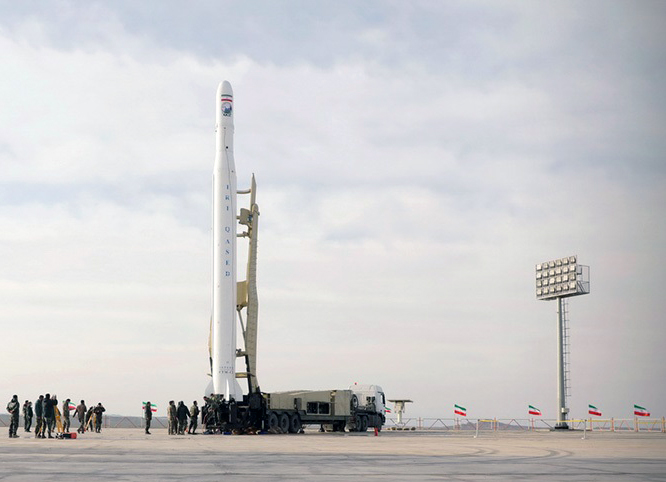 Iran missile launch site
Potential Scenarios and Risks
| Scenario | Likelihood | Potential Impact |
|---|---|---|
| Limited Tactical Strike – A targeted missile or drone attack on a specific Iranian facility. | Medium | Escalation to broader conflict; possible civilian casualties. |
| Cyber Retaliation – Iran launches cyber‑operations against U.S. infrastructure. | High | Disruption of critical services; escalation in the digital domain. |
| Full‑Scale Military Confrontation – Both sides engage in sustained kinetic warfare. | Low | Massive regional destabilisation, humanitarian crisis, global economic shock. |
| Diplomatic De‑Escalation – Back‑channel negotiations lead to a temporary cease‑fire. | Medium‑High | Restoration of market stability, reduced risk of civilian harm. |
Risk Mitigation Paths
- Clear Communication Channels: Establishing hotlines between the Pentagon and Iran’s military leadership can prevent misinterpretation of intent.
- Third‑Party Mediation: Leveraging neutral actors like the United Nations or Switzerland to facilitate dialogue.
- Strategic Patience: Both sides could adopt a “wait‑and‑see” posture, allowing diplomatic overtures to gain traction before any kinetic move.
Public and Diplomatic Reactions
In India, the surge of searches mirrors a broader concern about global security spill‑overs. Indian media outlets have run extensive analyses, highlighting the potential impact on Indian oil imports and the safety of Indian expatriates in the Gulf.
Internationally, the United Nations Secretary‑General issued a brief statement urging “maximum restraint and immediate diplomatic engagement.” Meanwhile, Russia and China, both strategic allies of Tehran, have called the U.S. rhetoric “destabilising” and warned against any unilateral action.
Editorial Analysis & Future Outlook
The Trump‑Khamenei exchange is less about immediate military capability and more about strategic signaling. By invoking a ten‑minute strike window, Trump aimed to re‑assert U.S. dominance in a region where American influence has been perceived as waning. Iran’s swift counter‑announcement, on the other hand, signals that Tehran will not be a passive observer.
Long‑Term Implications:
- Erosion of Deterrence Stability: Repeated high‑stakes rhetoric can erode the tacit understandings that have prevented accidental war for decades.
- Shift in Regional Alliances: Nations like the United Arab Emirates and Qatar may recalibrate their security postures, seeking either deeper U.S. ties or more independent defense capabilities.
- Domestic Political Fallout: In the United States, any escalation could become a pivotal issue in the 2024 elections, influencing voter sentiment on foreign policy.
- Technology‑Driven Conflict: The mention of “one or two targets” hints at precision weapons and cyber tools that could make future confrontations more covert yet equally destructive.
What to Watch:
- Official Statements: Any formal clarification from the White House or the Iranian Foreign Ministry will shape the next 48‑hour narrative.
- Military Movements: Deployments of U.S. carrier strike groups to the Arabian Sea or Iranian missile tests will be closely monitored.
- Economic Indicators: Oil price trends and currency fluctuations will serve as indirect gauges of market confidence.
In conclusion, while the immediate threat of a ten‑minute strike remains speculative, the psychological impact of such statements cannot be understated. The world now watches a delicate dance of words that could either spiral into conflict or be re‑channeled into a diplomatic reset—an outcome that will hinge on the willingness of both Washington and Tehran to prioritize long‑term stability over short‑term posturing.
Original Reporting & Source: Google Trends (India)

Discussion (0)
Sign in to join the discussion.
No comments yet. Be the first to start the conversation!