Umang Sisodia • • 6 min read • 1 view
Bal Mithai at Home: Skip the Market, Make Desi Chocolate Sweetness for Kids
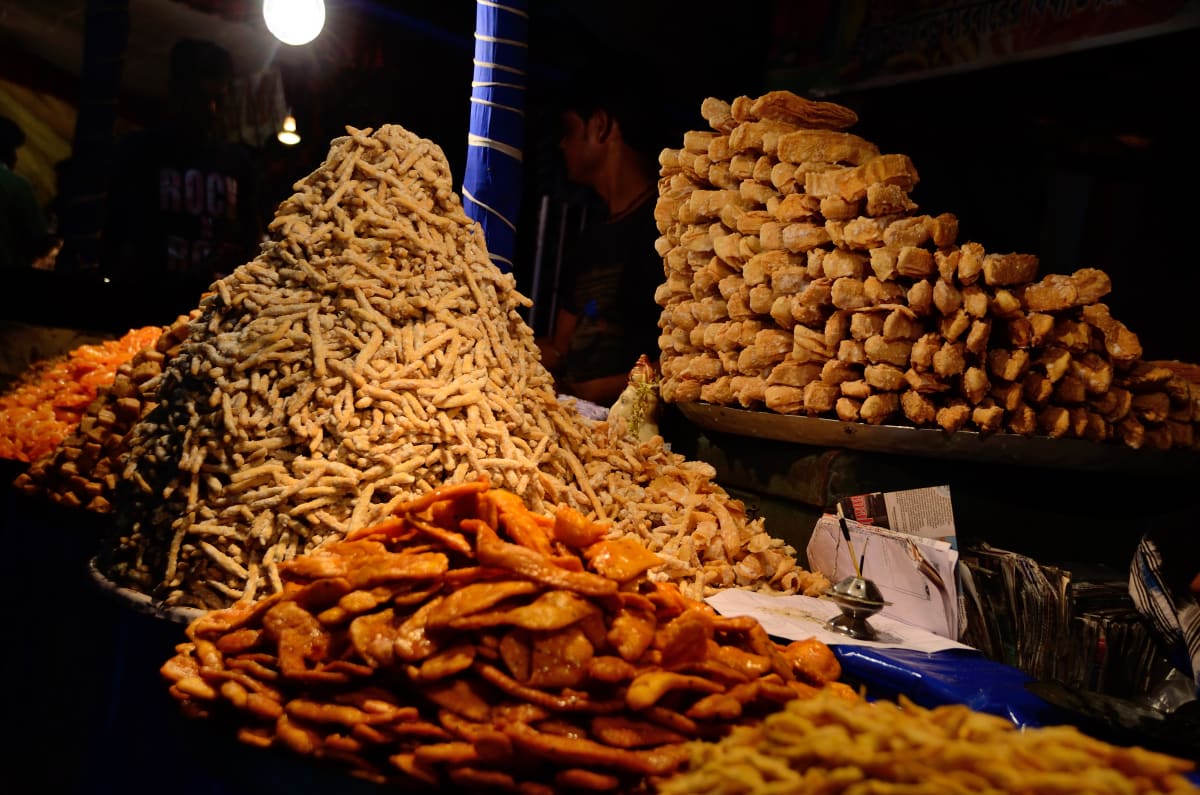
Key Takeaways
- Homemade Bal Mithai saves money and offers a fresher, preservative‑free alternative to store‑bought versions.
- The sweet’s Kumaoni heritage and chocolate‑like texture make it a hit with children across India.
- Simple pantry staples—khoya, sugar, and cocoa powder—are enough to recreate the iconic confection.
- Growing health‑conscious trends and regional pride are fueling the online surge of Bal Mithai recipes.
Why Bal Mithai Is Trending Now
The phrase Bal Mithai (meaning “child’s sweet”) has resurfaced on Google Trends after a series of viral videos on Instagram Reels and YouTube Shorts showed families crafting the treat in their kitchens. Unlike packaged chocolates, Bal Mithai carries a nostalgic, regional identity rooted in the hills of Uttarakhand’s Kumaon region. Parents are eager to share a piece of their heritage with the next generation, while millennials—who grew up enjoying the candy at school canteens—are rediscovering it as a low‑cost, homemade indulgence.
The Cultural Roots of Bal Mithai
Bal Mithai originated in the early 20th century in the town of Almora, where dairy farmers used surplus milk to make khoya (reduced milk solids). The khoya was sweetened, shaped into discs, and rolled in a thin layer of roasted cocoa powder, giving it a chocolate‑like exterior. Historically, the sweet was offered during festivals like Harela and Bhai Dooj, symbolising prosperity and the sweetness of sibling bonds. Its rustic appearance—dusty brown on the outside, milky white inside—reflects the simplicity of mountain life.
Step‑by‑Step Homemade Recipe
Below is a fool‑proof method that requires only five ingredients and a bit of patience.
Ingredients
- 500 g khoya (freshly grated or store‑bought)
- 200 g granulated sugar
- 2 tbsp ghee (clarified butter)
- 1 tsp cardamom powder (optional for aroma)
- 2 tbsp cocoa powder (unsweetened, roasted lightly)
Procedure
- Heat the khoya – In a heavy‑bottomed pan, melt the ghee over medium heat. Add the khoya and stir continuously for 8‑10 minutes until it turns light golden and releases a nutty fragrance.
- Sweeten – Sprinkle sugar gradually, stirring to dissolve. The mixture will become slightly grainy; continue cooking for another 5 minutes.
- Flavor – Add cardamom powder if using, and mix well.
- Cool & Shape – Transfer the hot mixture onto a greased tray, let it cool until warm enough to handle. Grease your palms with a little ghee and roll the mass into 2‑inch discs, pressing lightly to flatten.
- Cocoa Coat – Place roasted cocoa powder in a shallow plate. Gently roll each disc in the cocoa, ensuring an even dusting. Tap off excess powder.
- Set – Arrange the coated sweets on a parchment sheet and let them rest for at least 30 minutes before serving.
"Bal Mithai reminds me of my school days. Making it at home brings back those carefree moments, and my kids love the chocolatey look without any artificial additives," – Richa Sharma, Delhi
Health & Nutritional Angle
While Bal Mithai is undeniably a treat, its homemade version can be tweaked for a slightly healthier profile. Substituting a portion of the sugar with jaggery adds iron and reduces refined sugar intake. Using organic khoya ensures fewer preservatives, and a modest amount of ghee provides conjugated linoleic acid (CLA), known for its anti‑inflammatory properties. However, the sweet remains calorie‑dense, so portion control (one to two pieces per child) is advisable.
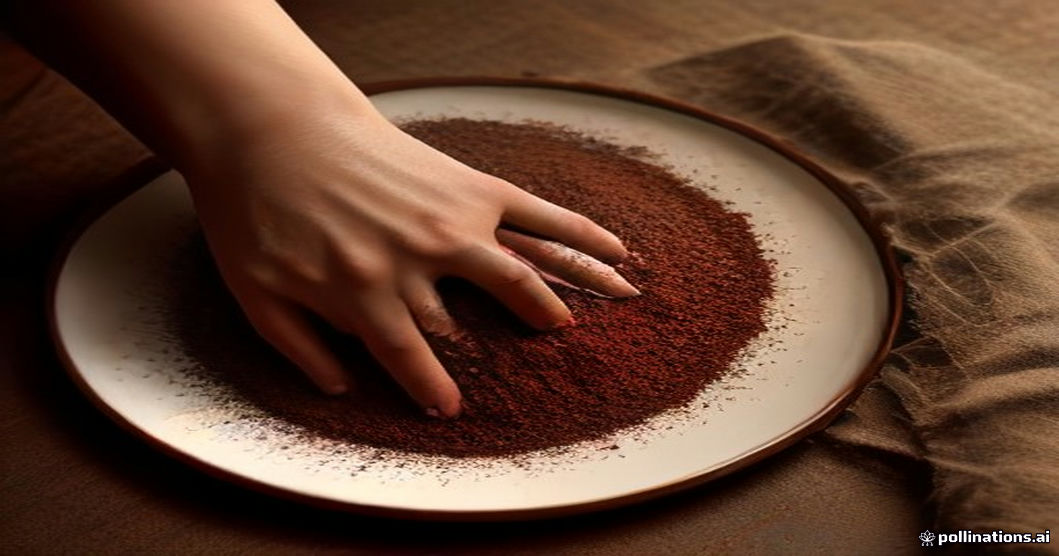 Bal Mithai preparation hands
Cost Comparison: Market vs Homemade
A 200 g packet of branded Bal Mithai from a metropolitan supermarket typically retails between ₹120‑₹150. In contrast, the homemade batch above yields roughly 20‑25 pieces at a total ingredient cost of ₹80‑₹90 (including a small amount of cocoa). Factoring in the time investment (≈45 minutes), the per‑piece cost drops to ₹3‑₹4, a significant saving for families on a tight budget.
Tips for Perfect Texture & Flavor
- Roast the cocoa lightly before dusting; this deepens the chocolate aroma and prevents a raw, bitter taste.
- Avoid over‑cooking the khoya; excessive caramelisation can make the sweet hard and gritty.
- Use a non‑stick pan to prevent the mixture from sticking, which can cause uneven texture.
- Store in an airtight container at room temperature for up to a week; the cocoa coating acts as a natural barrier against moisture.
Editorial Analysis & Future Outlook
Bal Mithai’s resurgence illustrates a broader shift in Indian consumer behavior: a yearning for regional authenticity coupled with DIY culinary confidence. As social media platforms democratise recipe sharing, traditional sweets once confined to local markets are now being re‑imagined in urban kitchens. This trend aligns with the rise of “heritage foods” in the premium snack segment, where brands are launching packaged versions that claim artisanal origins.
Looking ahead, we can anticipate a few key developments:
- Commercialisation of Home‑Made Kits – Entrepreneurs may roll out ready‑to‑cook Bal Mithai kits, complete with pre‑measured khoya, sugar, and cocoa, targeting busy parents.
- Fusion Variants – Expect experimental twists such as matcha‑infused Bal Mithai or nut‑filled versions, catering to health‑conscious millennials.
- Geographic Expansion – As awareness spreads beyond North India, Bal Mithai could become a staple in school canteens across the country, much like Rasgulla or Gulab Jamun.
- Sustainability Narrative – Emphasising locally sourced dairy and low‑energy cooking methods can position Bal Mithai as an eco‑friendly indulgence, resonating with the growing green consumer base.
In sum, the humble Bal Mithai is poised to transition from a niche hill‑side delicacy to a pan‑India comfort snack—provided it retains its authentic taste and cultural story. Home cooks, armed with simple ingredients and a sprinkle of cocoa, are the new custodians of this legacy, ensuring that the next generation enjoys the sweet nostalgia without stepping foot into a crowded market aisle.
Editorial Analysis & Future Outlook
Bal Mithai’s rise on digital platforms underscores the power of localized content in a globally connected world. By marrying tradition with modern convenience, the sweet not only satisfies taste buds but also fulfills an emotional craving for cultural continuity. As more families adopt the DIY approach, we may witness a ripple effect: regional cuisines gaining mainstream traction, small‑scale dairy farms benefiting from increased khoya demand, and a new wave of culinary entrepreneurship centered around heritage sweets. The future looks chocolate‑dusted and bright for Bal Mithai—provided creators continue to innovate while honouring its humble origins.
Original Reporting & Source: India Today Top Stories

Discussion (0)
Sign in to join the discussion.
No comments yet. Be the first to start the conversation!