Umang Sisodia • • 5 min read • 1 view

Cyclone Murasu Hits Andhra Pradesh: Flights Cancelled, Storm Surge Alerts and the Road Ahead
Listen to Article
Select a voice and press play
Cyclone Murasu Hits Andhra Pradesh: Flights Cancelled, Storm Surge Alerts and the Road Ahead

Key Takeaways

  • Cyclone Murasu made landfall along the Andhra Pradesh coast, prompting a storm‑surge warning and the cancellation of 19 flights.
  • Over 2 million people are under evacuation orders as authorities brace for heavy rainfall, flooding and coastal inundation.
  • The event underscores escalating cyclone intensity in the Bay of Bengal, linked to climate‑change‑driven sea‑surface warming.
  • Long‑term resilience hinges on upgraded early‑warning systems, coastal infrastructure revamps and integrated disaster‑risk financing.

Cyclone Murasu: Meteorological Synopsis

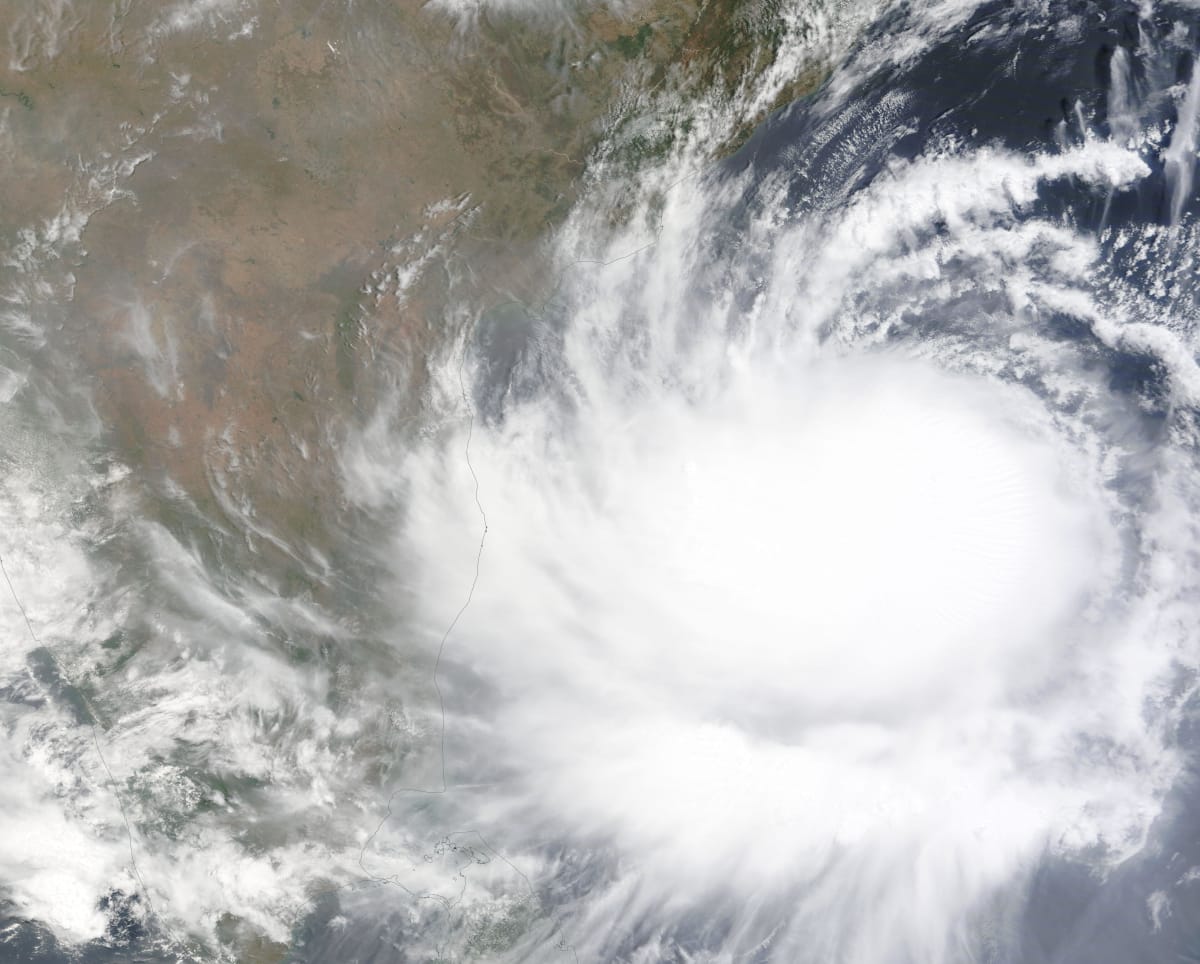
Cyclone Murasu, a very severe cyclonic storm (VSCS) with sustained winds of 140 km/h, originated as a low‑pressure area over the Bay of Bengal on 28 October 2024. Rapid intensification was recorded on satellite imagery, with the storm’s eye contracting to a tight 20‑km diameter—an indicator of a powerful core.

"Murasu's rapid deepening is a textbook case of a warm‑core system feeding off anomalously high sea‑surface temperatures, now averaging 30.5 °C—well above the climatological norm for this period," – Dr. Ananya Rao, senior meteorologist, India Meteorological Department (IMD).

The IMD upgraded the system to a VSCS just hours before landfall, triggering red alerts for the coastal districts of Srikakulam, Vizianagaram and Visakhapatnam. The storm surge warning projected water levels up to 4.5 m above mean sea level, prompting pre‑emptive evacuations.


Landfall and Immediate Impacts

Murasu made landfall near Kalingapatnam at approximately 02:30 IST on 29 October. The immediate aftermath featured:

  • Wind damage: uprooted trees, snapped power lines, and roof collapses across 12 villages.
  • Storm surge: coastal hamlets experienced rapid inundation, with water encroaching up to 1 km inland in low‑lying areas.
  • Heavy rainfall: accumulations exceeding 250 mm within 12 hours, triggering flash floods in river basins.
  • Transportation disruptions: 19 scheduled flights from Visakhapatnam Airport were cancelled, and major highways (NH‑16) were partially blocked by debris.

Local authorities reported over 3,800 power outages and 500+ households without potable water within the first six hours.


Impact on Aviation and Infrastructure

The aviation sector felt the brunt of the storm’s timing. Visakhapatnam Airport, a key gateway for the eastern seaboard, halted all operations from 01:00 IST to 14:00 IST. Airlines such as IndiGo, Air India and SpiceJet announced flight cancellations affecting approximately 4,500 passengers.

Infrastructure damage extended beyond the airport:

  • Roads: Landslides on the Eastern Ghats blocked access routes to interior districts, delaying relief convoys.
  • Railways: The East Coast Railway suspended services on the Khurda Road‑Visakhapatnam line, citing track washouts.
  • Ports: The Visakhapatnam Port Trust halted cargo handling, citing safety concerns for dock workers.

Andhra Pradesh rescue teams sandbags Andhra Pradesh rescue teams sandbags


Humanitarian Response and Rescue Operations

The state disaster response force (SDRF) mobilised over 1,200 personnel, deploying rapid‑action teams equipped with inflatable boats and high‑capacity pumps. The National Disaster Response Force (NDRF) set up temporary shelters in school premises across the three affected districts, providing blankets, dry rations and medical kits to displaced families.

Key actions included:

  1. Evacuation drives: More than 2 million residents were moved to safer zones, with special attention to vulnerable groups—elderly, pregnant women and children.
  2. Sandbagging: Coastal communities, guided by the Andhra Pradesh Disaster Management Authority (APDMA), erected over 120,000 sandbags along vulnerable stretches.
  3. Medical outreach: Mobile health units treated approximately 850 patients for injuries, dehydration and water‑borne diseases.

The Indian Air Force (IAF) conducted four aerial reconnaissance missions, delivering 2,500 kg of relief supplies to isolated villages.


Economic and Environmental Ramifications

Preliminary estimates by the Ministry of Finance suggest direct losses could top ₹4,500 crore (≈ US$540 million), factoring in agricultural damage, infrastructure repair and business interruptions.

  • Agriculture: Paddy fields in the Godavari delta suffered sub‑mersion, threatening a 30 % yield reduction for the upcoming Kharif season.
  • Fisheries: Over 1,200 fishing boats were damaged or capsized, jeopardising livelihoods of coastal fishing communities.
  • Ecology: Mangrove belts in the Kalingapatnam region faced erosion, reducing natural storm‑surge buffers.

These setbacks are compounded by the climate‑change narrative: the Bay of Bengal has recorded a 0.2 °C per decade rise in sea‑surface temperature, correlating with higher cyclone intensity and frequency.


Government and Policy Response

The Andhra Pradesh government announced a ₹1,200 crore relief package, earmarked for:

  • Immediate relief: Food, water, medical aid and temporary housing.
  • Reconstruction: Fast‑track rebuilding of damaged roads, bridges and public utilities.
  • Resilience building: Investment in storm‑surge barriers, early‑warning siren networks, and climate‑smart agriculture.

Prime Minister Narendra Modi, in a televised address, highlighted the need for “a resilient India that can withstand nature’s fury while protecting its people.” The central government also activated the National Disaster Management Fund (NDMF) to expedite financial assistance.


Editorial Analysis & Future Outlook

Cyclone Murasu serves as a stark reminder that extreme weather events are no longer anomalies for the Indian subcontinent. The convergence of warmer oceanic waters, rapid urbanisation along vulnerable coastlines, and inadequate infrastructure creates a perfect storm for amplified damage.

Strategic imperatives for the future:

  1. Enhanced forecasting: Leveraging satellite‑based AI models to provide hyper‑local warnings, reducing lead‑time gaps.
  2. Coastal zoning reforms: Enforcing stricter building codes and restricting high‑rise developments in identified surge zones.
  3. Nature‑based solutions: Restoring mangroves, coral reefs and sand dunes to act as natural buffers, a cost‑effective alternative to concrete sea‑walls.
  4. Insurance penetration: Scaling up crop and property insurance schemes to mitigate post‑disaster economic shocks for vulnerable populations.

If policymakers integrate these measures, the social and economic toll of future cyclones can be substantially curbed. However, the urgency is palpable—each delayed action magnifies the risk to millions of lives and critical infrastructure along India’s eastern seaboard.

In the coming weeks, the focus will shift from recovery to resilience. The lessons from Murasu must inform a national blueprint that blends scientific foresight with community‑driven preparedness, ensuring that the next cyclone meets a stronger, better‑prepared India.


Original Reporting & Source: ABP Live Top News

Discussion (0)

Sign in to join the discussion.

No comments yet. Be the first to start the conversation!

| |

Cyclone Murasu Hits Andhra Pradesh: Flights Cancelled, Storm Surge Alerts and the Road Ahead

By Umang Sisodia • 5 min read • 1 view

Key Takeaways

  • Cyclone Murasu made landfall along the Andhra Pradesh coast, prompting a storm‑surge warning and the cancellation of 19 flights.
  • Over 2 million people are under evacuation orders as authorities brace for heavy rainfall, flooding and coastal inundation.
  • The event underscores escalating cyclone intensity in the Bay of Bengal, linked to climate‑change‑driven sea‑surface warming.
  • Long‑term resilience hinges on upgraded early‑warning systems, coastal infrastructure revamps and integrated disaster‑risk financing.

Cyclone Murasu: Meteorological Synopsis

Cyclone Murasu, a very severe cyclonic storm (VSCS) with sustained winds of 140 km/h, originated as a low‑pressure area over the Bay of Bengal on 28 October 2024. Rapid intensification was recorded on satellite imagery, with the storm’s eye contracting to a tight 20‑km diameter—an indicator of a powerful core.

"Murasu's rapid deepening is a textbook case of a warm‑core system feeding off anomalously high sea‑surface temperatures, now averaging 30.5 °C—well above the climatological norm for this period," – Dr. Ananya Rao, senior meteorologist, India Meteorological Department (IMD).

The IMD upgraded the system to a VSCS just hours before landfall, triggering red alerts for the coastal districts of Srikakulam, Vizianagaram and Visakhapatnam. The storm surge warning projected water levels up to 4.5 m above mean sea level, prompting pre‑emptive evacuations.


Landfall and Immediate Impacts

Murasu made landfall near Kalingapatnam at approximately 02:30 IST on 29 October. The immediate aftermath featured:

  • Wind damage: uprooted trees, snapped power lines, and roof collapses across 12 villages.
  • Storm surge: coastal hamlets experienced rapid inundation, with water encroaching up to 1 km inland in low‑lying areas.
  • Heavy rainfall: accumulations exceeding 250 mm within 12 hours, triggering flash floods in river basins.
  • Transportation disruptions: 19 scheduled flights from Visakhapatnam Airport were cancelled, and major highways (NH‑16) were partially blocked by debris.

Local authorities reported over 3,800 power outages and 500+ households without potable water within the first six hours.


Impact on Aviation and Infrastructure

The aviation sector felt the brunt of the storm’s timing. Visakhapatnam Airport, a key gateway for the eastern seaboard, halted all operations from 01:00 IST to 14:00 IST. Airlines such as IndiGo, Air India and SpiceJet announced flight cancellations affecting approximately 4,500 passengers.

Infrastructure damage extended beyond the airport:

  • Roads: Landslides on the Eastern Ghats blocked access routes to interior districts, delaying relief convoys.
  • Railways: The East Coast Railway suspended services on the Khurda Road‑Visakhapatnam line, citing track washouts.
  • Ports: The Visakhapatnam Port Trust halted cargo handling, citing safety concerns for dock workers.

Andhra Pradesh rescue teams sandbags Andhra Pradesh rescue teams sandbags


Humanitarian Response and Rescue Operations

The state disaster response force (SDRF) mobilised over 1,200 personnel, deploying rapid‑action teams equipped with inflatable boats and high‑capacity pumps. The National Disaster Response Force (NDRF) set up temporary shelters in school premises across the three affected districts, providing blankets, dry rations and medical kits to displaced families.

Key actions included:

  1. Evacuation drives: More than 2 million residents were moved to safer zones, with special attention to vulnerable groups—elderly, pregnant women and children.
  2. Sandbagging: Coastal communities, guided by the Andhra Pradesh Disaster Management Authority (APDMA), erected over 120,000 sandbags along vulnerable stretches.
  3. Medical outreach: Mobile health units treated approximately 850 patients for injuries, dehydration and water‑borne diseases.

The Indian Air Force (IAF) conducted four aerial reconnaissance missions, delivering 2,500 kg of relief supplies to isolated villages.


Economic and Environmental Ramifications

Preliminary estimates by the Ministry of Finance suggest direct losses could top ₹4,500 crore (≈ US$540 million), factoring in agricultural damage, infrastructure repair and business interruptions.

  • Agriculture: Paddy fields in the Godavari delta suffered sub‑mersion, threatening a 30 % yield reduction for the upcoming Kharif season.
  • Fisheries: Over 1,200 fishing boats were damaged or capsized, jeopardising livelihoods of coastal fishing communities.
  • Ecology: Mangrove belts in the Kalingapatnam region faced erosion, reducing natural storm‑surge buffers.

These setbacks are compounded by the climate‑change narrative: the Bay of Bengal has recorded a 0.2 °C per decade rise in sea‑surface temperature, correlating with higher cyclone intensity and frequency.


Government and Policy Response

The Andhra Pradesh government announced a ₹1,200 crore relief package, earmarked for:

  • Immediate relief: Food, water, medical aid and temporary housing.
  • Reconstruction: Fast‑track rebuilding of damaged roads, bridges and public utilities.
  • Resilience building: Investment in storm‑surge barriers, early‑warning siren networks, and climate‑smart agriculture.

Prime Minister Narendra Modi, in a televised address, highlighted the need for “a resilient India that can withstand nature’s fury while protecting its people.” The central government also activated the National Disaster Management Fund (NDMF) to expedite financial assistance.


Editorial Analysis & Future Outlook

Cyclone Murasu serves as a stark reminder that extreme weather events are no longer anomalies for the Indian subcontinent. The convergence of warmer oceanic waters, rapid urbanisation along vulnerable coastlines, and inadequate infrastructure creates a perfect storm for amplified damage.

Strategic imperatives for the future:

  1. Enhanced forecasting: Leveraging satellite‑based AI models to provide hyper‑local warnings, reducing lead‑time gaps.
  2. Coastal zoning reforms: Enforcing stricter building codes and restricting high‑rise developments in identified surge zones.
  3. Nature‑based solutions: Restoring mangroves, coral reefs and sand dunes to act as natural buffers, a cost‑effective alternative to concrete sea‑walls.
  4. Insurance penetration: Scaling up crop and property insurance schemes to mitigate post‑disaster economic shocks for vulnerable populations.

If policymakers integrate these measures, the social and economic toll of future cyclones can be substantially curbed. However, the urgency is palpable—each delayed action magnifies the risk to millions of lives and critical infrastructure along India’s eastern seaboard.

In the coming weeks, the focus will shift from recovery to resilience. The lessons from Murasu must inform a national blueprint that blends scientific foresight with community‑driven preparedness, ensuring that the next cyclone meets a stronger, better‑prepared India.


Original Reporting & Source: ABP Live Top News