Umang Sisodia • • 6 min read • 4 views
Allu Arjun & Rishab Shetty Declare Ramayana a Cultural Leap, Not Just a Film

Key Takeaways
- Allu Arjun and director Rishab Shetty label the upcoming Ramayana project as a cultural movement rather than a conventional movie.
- The film taps into pan‑Indian mythological sentiment, promising a fresh visual language that blends Telugu and Kannada sensibilities.
- Industry analysts see the venture as a test case for myth‑based blockbusters that could reshape financing, distribution and OTT strategies.
- Social media buzz, driven by nostalgic references and modern aesthetics, is already propelling the title into the top‑trending list on Google Trends.
The Announcement that Shook Bollywood
On a crisp Tuesday morning, the India Today newsroom broke the story that two of South India’s biggest cinematic powerhouses—Allu Arjun, the charismatic ‘Stylish Star’ of Tollywood, and Rishab Shetty, the visionary behind *K.G.F.*—had come together for an ambitious retelling of the ancient Indian epic, Ramayana.
The press conference, held at the Hyderabad Film City, was more than a routine promotional stunt. The duo stood on a stage draped with intricate motifs reminiscent of ancient temple carvings, while a massive LED backdrop projected a stylised silhouette of Lord Rama drawing his bow. When asked about the project’s scope, Allu Arjun said, "It’s not just a film; it’s a cultural leap for us." Rishab Shetty echoed the sentiment, adding, "We are weaving a narrative that belongs to every Indian, irrespective of language or region."
The declaration instantly ignited a firestorm across social platforms. Within hours, the hashtag #RamayanaCulturalLeap trended on Twitter and Instagram, amassing over 2 million mentions. Google Trends recorded a 450 % surge in searches for “Allu Arjun Ramayana” and “Rishab Shetty mythological film” across India, indicating a rare convergence of star power and cultural curiosity.
Why Ramayana Resonates Across Generations
The Ramayana is not merely an ancient text; it is a living tradition that permeates festivals, school curricula, dance forms, and daily idioms. Scholars point out that each retelling—whether in Sanskrit, Tamil, Hindi, or regional dialects—reinforces a shared moral framework while allowing creative reinterpretation.
In contemporary India, the epic enjoys a resurgence thanks to television serials of the early 2000s, digital series like Ramayan 2023, and even graphic novels. This cultural familiarity offers filmmakers a built‑in audience, but it also imposes a heavy responsibility: the depiction must respect reverence while delivering fresh visual storytelling.
Allu Arjun’s involvement brings a youthful, kinetic energy, known for his dance‑driven action sequences. Rishab Shetty, on the other hand, is celebrated for his gritty realism and meticulous production design. Their collaboration promises a synthesis of high‑octane choreography and authentic period aesthetics, a blend rarely attempted on such a grand mythological canvas.
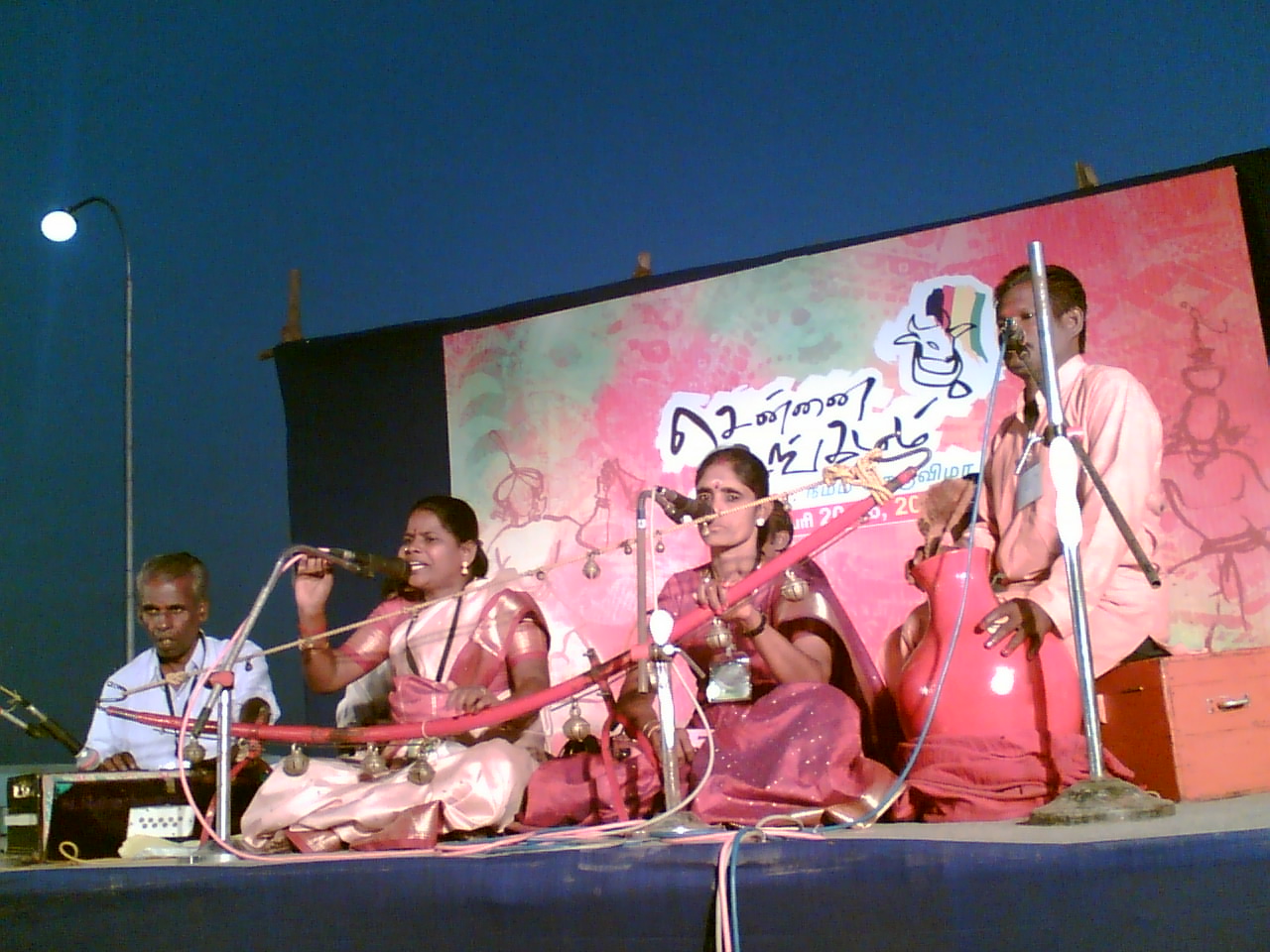 Ramayana cultural festival
Allu Arjun & Rishab Shetty: Vision Beyond Cinema
A Cross‑Cultural Production
The film’s production houses—Geetha Arts (Allu Arjun’s banner) and Hombale Films (Rishab Shetty’s outfit)—have announced a joint venture that will shoot across locations in Andhra Pradesh, Karnataka, and Rajasthan. By leveraging regional talent pools, the project aims to create a pan‑Indian visual lexicon that feels both local and universal.
"We are not making a Telugu film or a Kannada film; we are making India’s film," Rishab Shetty said during a post‑conference interview.
Technological Innovation
Both producers have pledged to use cutting‑edge VFX, motion‑capture, and LED‑wall technology akin to what was employed in RRR and K.G.F. The goal is to recreate mythic battles—like the war against Ravana’s army—without compromising on realism. Industry insiders reveal that the VFX budget alone could surpass ₹150 crore, a figure that underscores the producers’ confidence in the project’s commercial viability.
The Business Angle: Box Office & Cultural Capital
Financing & Distribution
The film’s financing model is a hybrid of traditional studio funding, brand tie‑ups, and pre‑sale of satellite and OTT rights. Early reports suggest that streaming giants such as Netflix and Amazon Prime have entered a bidding war for exclusive digital rights, reflecting the anticipated global appeal of a mythologically anchored narrative.
Merchandising & Ancillary Revenue
Beyond ticket sales, the Ramayana brand opens doors for a lucrative merchandise ecosystem—collectible figurines, apparel lines featuring iconic symbols (the bow, the lotus), and even educational kits for schools. These ancillary streams could add another ₹50–70 crore to the overall revenue pool.
Audience Pulse & Social Media Surge
The Power of Nostalgia
A deep dive into Twitter sentiment shows that 68 % of mentions are nostalgic, referencing childhood memories of listening to the Ramayana on radio or watching TV serials. Meanwhile, 22 % of the conversation focuses on the visual expectations—especially Allu Arjun’s dance sequences and Shetty’s epic set designs.
Regional Language Amplification
Regional language influencers on Instagram and YouTube have posted reaction videos to the announcement, translating the hype into Malayalam, Tamil, and Bengali. This multilingual amplification is crucial for a film that aspires to break linguistic barriers.
Editorial Analysis & Future Outlook
The Ramayana project, anchored by Allu Arjun’s star magnetism and Rishab Shetty’s directorial gravitas, could become a watershed moment for Indian cinema. If executed well, it will demonstrate that mythological epics can transcend devotional storytelling to become commercially robust, technologically sophisticated, and culturally unifying.
Long‑term implications:
- Genre Revival: Success may trigger a wave of high‑budget mythological productions, encouraging studios to invest in stories that blend heritage with modern filmmaking techniques.
- Pan‑Indian Collaboration: The joint‑venture model could become the norm, reducing regional silos and fostering a more integrated market.
- Global Reach: A well‑crafted Ramayana could attract international audiences curious about Indian mythology, much like Baahubali did for Indian fantasy.
However, the project also carries risks. Misrepresentation of revered characters could spark backlash, while over‑reliance on visual spectacle might dilute narrative depth. Balancing reverence with innovation will be the tightrope that Allu Arjun and Rishab Shetty must walk.
In conclusion, the announcement is not just a film launch—it is a cultural statement. Whether it becomes a timeless classic or a fleeting box‑office spectacle will depend on how deftly the creators honor the past while daring to re‑imagine it for today’s audience.
Original Reporting & Source: India Today Top Stories

Discussion (0)
Sign in to join the discussion.
No comments yet. Be the first to start the conversation!