Umang Sisodia • • 6 min read • 2 views
PM Modi Calls Sharad Pawar: Health Update Sparks Political Ripples from Breach Candy Hospital

Key Takeaways
- PM Narendra Modi personally phoned Sharad Pawar after the NCP stalwart was admitted to Breach Candy Hospital, signaling respect across party lines.
- Pawar's hospitalization comes at a critical juncture for the Nationalist Congress Party (NCP), which is navigating alliance talks and internal leadership tussles.
- The episode has reignited a long‑standing debate in India about transparency regarding senior politicians' health and its impact on governance.
- Media coverage, social media chatter, and opposition responses suggest the incident will shape electoral narratives ahead of the 2024 general elections.
Background: Sharad Pawar’s Political Journey
Sharad Govindrao Pawar, 84, is a towering figure in Indian politics. A three‑time chief minister of Maharashtra, a former defence minister, and the founder of the Nationalist Congress Party (NCP) in 1999, Pawar has been a kingmaker in coalition politics for over four decades. His influence extends beyond Maharashtra; he has been pivotal in shaping centre‑state dynamics, especially during the United Progressive Alliance (UPA) era.
Pawar’s health has intermittently been a subject of public speculation. In 2019, he suffered a mild cardiac episode, prompting a brief hospital stay that was widely reported. However, the political class and the media have traditionally respected his privacy, treating health disclosures as a matter of personal discretion rather than a public right.
The Health Update: Hospital Admission and PM’s Call
On 30 October 2026, reports emerged that Pawar was admitted to Breach Candy Hospital, Mumbai, a premier private facility known for treating high‑profile patients. Initial statements from his office cited “a routine check‑up and observation for a minor respiratory infection.”
Within hours, the Prime Minister’s Office (PMO) released a brief note: “Prime Minister Narendra Modi called Mr. Sharad Pawar to convey his best wishes for a speedy recovery.” The call was confirmed by a senior aide to the PM, who said the conversation lasted “about ten minutes, focusing on Pawar’s health and the well‑being of his family.”
"It is heartening to see leaders across the aisle reaching out in times of personal crisis. Our democracy thrives on humanity," said a senior PMO official in a press briefing.
The gesture, though seemingly courteous, has been dissected for its political undertones. Analysts point out that Modi’s direct outreach could be a strategic move to humanise his image ahead of the upcoming election season, while also softening the narrative around opposition leaders.
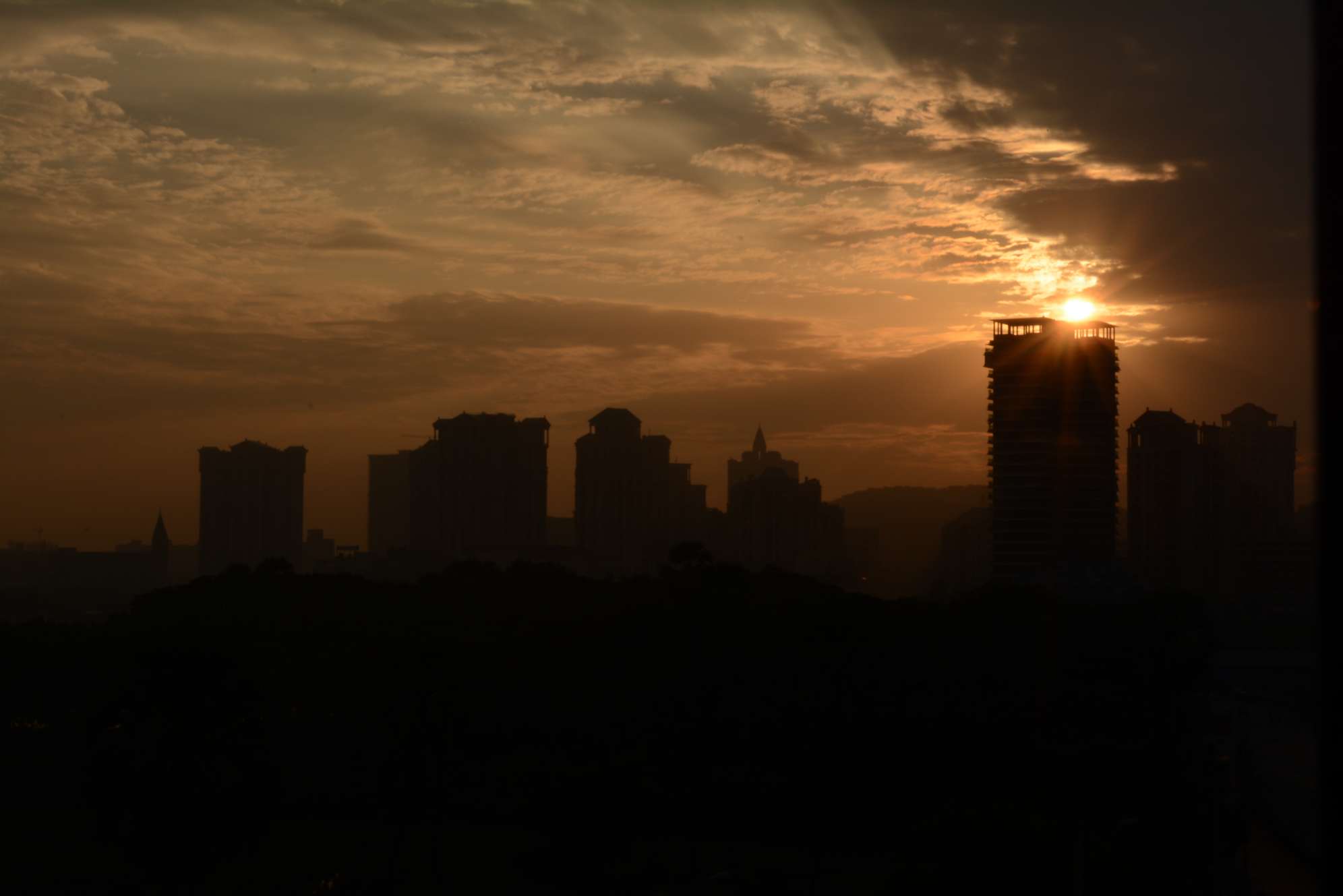 Mumbai skyline at dusk
Media and Public Reaction
The news cycle exploded across television, print, and digital platforms. India Today, The Quint, and ABP Live ran headline‑level stories within minutes. Social media hashtags such as #PawarRecovery, #ModiCalls, and #HealthTransparency trended on Twitter and X, garnering millions of impressions.
- Supportive voices praised the call as a sign of civilised politics. Former cricketer and commentator Harsha Bhogle tweeted, “In a polarized nation, a simple phone call reminds us that we’re all human.”
- Skeptics argued the move was a calculated PR stunt. A political blogger wrote, “When the opposition leader is unwell, the ruling party’s first instinct is to showcase compassion – a classic image‑management play.”
- Health activists seized the moment to demand a formal health disclosure protocol for elected officials, citing concerns over governance continuity.
Political Implications for NCP and Congress
Pawar’s hospitalization coincides with a crucial phase of alliance negotiations between the NCP, Congress, and Shiv Sena (Uddhav Balasaheb Thackeray faction) as they prepare for the 2024 Lok Sabha elections. While the NCP’s internal hierarchy remains stable, the party’s youth wing has been clamouring for a more prominent role in the upcoming campaign.
Analysts suggest that Pawar’s limited physical presence could accelerate the grooming of his son, Ajit Pawar, who already holds the Deputy Chief Minister portfolio in Maharashtra. Ajit’s recent statements have been more assertive, hinting at a possible succession plan that could reshape the NCP’s power dynamics.
Meanwhile, the Congress is walking a tightrope. On one hand, they must respect Pawar’s health; on the other, they could leverage the moment to highlight the need for transparent health disclosures among senior leaders, a narrative that could resonate with an electorate weary of “behind‑the‑scenes” decision‑making.
Historical Context: Leaders’ Health Disclosures in India
India’s political history is dotted with episodes where a leader’s health became a matter of national interest:
- Indira Gandhi’s 1977 hospitalization after a severe heart attack, which led to speculation about her ability to govern.
- Manmohan Singh’s 2011 stroke, which sparked debates on the transparency of the Prime Minister’s health.
- Mamata Banerjee’s 2022 liver surgery, where the West Bengal Chief Minister’s brief absence triggered a flurry of rumors.
Each instance prompted calls for a formal health disclosure framework, but the Parliament has yet to adopt a binding policy. The current episode could reignite that legislative conversation.
Editorial Analysis & Future Outlook
The phone call from PM Modi to Sharad Pawar is more than a courteous gesture; it is a symbolic convergence of political etiquette, media optics, and electoral calculus. In an era where every interaction is amplified on digital platforms, such a brief conversation becomes a headline‑making event.
Short‑term impact: The immediate effect is a softening of partisan rhetoric, offering a brief pause in the relentless election‑year mud‑slinging. It also provides the NCP a momentary respite to rally around its ailing patriarch, potentially consolidating internal loyalty.
Medium‑term impact: As Pawar’s health stabilises, the NCP will likely accelerate its leadership transition narrative, positioning Ajit Pawar as the heir apparent. This could either strengthen the party’s electoral prospects or trigger factional dissent if not managed delicately.
Long‑term impact: The incident may serve as a catalyst for institutionalising health disclosures for elected officials. Civil society groups, backed by a media that thrives on transparency, could push for a parliamentary amendment mandating periodic medical reports for ministers and senior legislators. Such a move would enhance governance continuity and public trust, albeit raising concerns about privacy and politicisation of health data.
In conclusion, while the phone call itself is a modest act of humanity, its reverberations across political strategy, media narratives, and policy discourse are profound. As India approaches a pivotal election, the manner in which parties handle personal health crises could become a litmus test for political maturity and the electorate’s appetite for compassionate governance.
Original Reporting & Source: India Today Top Stories

Discussion (0)
Sign in to join the discussion.
No comments yet. Be the first to start the conversation!