Umang Sisodia • • 5 min read • 2 views

US Sanctions Indian Couple Over Maritime Fraud Tied to Iran’s Oil Network
Listen to Article
Select a voice and press play
US Sanctions Indian Couple Over Maritime Fraud Tied to Iran’s Oil Network

Key Takeaways

  • The U.S. Treasury imposed sanctions on an Indian husband‑wife duo and their affiliated firms for facilitating Iran‑linked oil shipments via a sophisticated maritime fraud scheme.
  • The network exploited loopholes in ship‑to‑ship transfers, falsified documentation, and leveraged Indian port infrastructure to mask illicit oil movements.
  • Sanctions signal a broader U.S. strategy to choke Iran’s oil revenues and warn Indian entities about compliance risks.
  • The episode could reshape India‑U.S. economic ties, tighten maritime oversight, and trigger legal battles in Indian courts.

The Sanction Announcement

On April 30, 2024, the Office of Foreign Assets Control (OFAC) announced sanctions against Anand and Priya Sharma, an Indian couple based in Mumbai, and three of their companies—Sharma Maritime Services Ltd, Oceanic Trade Solutions, and BlueWave Logistics. The sanctions freeze any assets under U.S. jurisdiction and prohibit U.S. persons from dealing with the entities.

"The individuals and entities identified have been part of a vast criminal network that undermines international sanctions and fuels Iran's illicit oil trade," read the OFAC press release.

The move reverberated across Google Trends, where queries like "US sanctions Indian couple" and "Iran oil maritime fraud" spiked within hours. International media outlets, including The Times of India, Reuters, and Al Jazeera, ran detailed pieces, amplifying public interest.


How the Fraud Operated

Ship‑to‑Ship Transfers in International Waters

The core of the scheme involved ship‑to‑ship (STS) transfers—the practice of moving oil between vessels at sea. While legal STS operations exist for legitimate reasons, the Sharmas used flagged vessels from low‑risk registries to obscure the oil's origin.

  • Falsified Bills of Lading: The couple's firms supplied counterfeit documents indicating the cargo originated from Malaysia or Singapore, not Iran.
  • Use of Shell Companies: Over 15 shell entities were registered across the Cayman Islands and Mauritius, acting as intermediaries.
  • Port Manipulation: At Mumbai's Jawaharlal Nehru Port, cargo was off‑loaded under the guise of refined petroleum products, then re‑loaded onto Iranian‑bound tankers.

Financial Channels

Money laundering was facilitated through Indian offshore accounts, cryptocurrency mixers, and trade‑based money laundering—where invoices were inflated to disguise illicit proceeds.


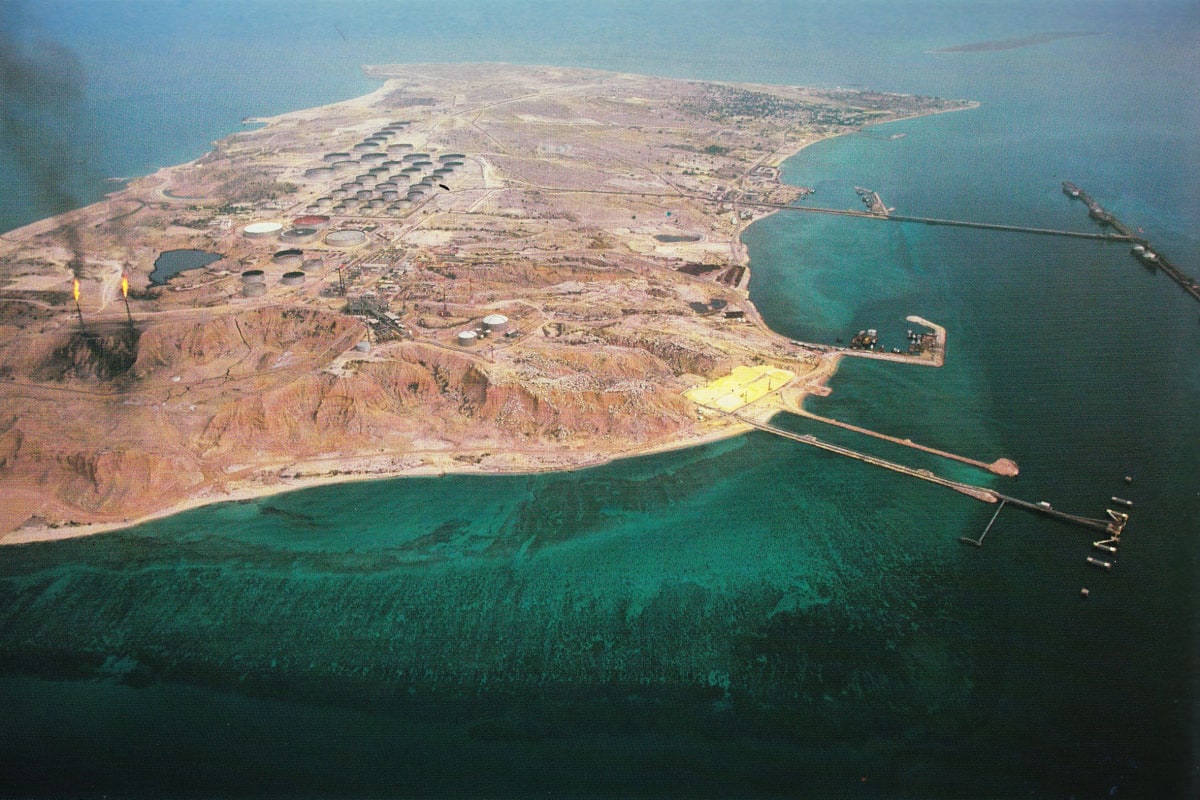
Mumbai port oil loading Mumbai port oil loading


Geopolitical Implications

U.S. Pressure on Iran

Sanctions aim to erode Iran’s oil export revenues, which fund its regional proxies and nuclear program. By targeting non‑Iranian facilitators, Washington signals that anyone aiding Iran’s oil trade will face repercussions.

India’s Balancing Act

India imports roughly 10% of its oil from Iran, albeit at reduced volumes after the 2018 U.S. sanctions. The Sharma case forces New Delhi to tighten compliance without jeopardising its energy security.

  • Policy Review: The Ministry of Commerce is reportedly drafting stricter Know‑Your‑Customer (KYC) guidelines for maritime traders.
  • Diplomatic Fallout: While the Indian government has condemned the illegal activity, it must also reassure U.S. partners of its commitment to sanction enforcement.

Reactions in India and the United States

Indian Government Response

Prime Minister Narendra Modi’s office released a statement: "India will not tolerate any breach of international norms. Law‑enforcement agencies are pursuing all leads." The Enforcement Directorate (ED) has opened a money‑laundering probe, and the Directorate of Revenue Intelligence (DRI) is auditing the involved ports.

U.S. Administration’s Stance

The U.S. Treasury highlighted the sanctions as part of a “comprehensive strategy to cut off Iran’s illicit oil lifelines.” Treasury Secretary Janet Yellen emphasized that “non‑compliant actors, regardless of nationality, will be held accountable.”


  • Asset Seizures: Preliminary reports suggest assets worth $12 million have been frozen in U.S. banks.
  • Corporate Penalties: The three sanctioned firms face a combined $250 million civil penalty if found guilty of sanctions violations.
  • Insurance Implications: Global marine insurers are reassessing risk models for vessels flagged in jurisdictions linked to the network.

The case also raises concerns for Indian shipping conglomerates, many of which rely on U.S. dollar financing and American insurance. Non‑compliance could trigger a cascade of credit downgrades.


Editorial Analysis & Future Outlook

The Sharma maritime fraud underscores a pivotal shift in how sanctions are enforced: the focus is expanding beyond state actors to private networks that enable illicit trade.

Long‑Term Impact on Maritime Trade

  1. Tighter Port Oversight: Expect the Indian Ministry of Ports, Shipping and Waterways to roll out real‑time cargo tracking mandates, leveraging satellite AIS data to detect suspicious STS activities.
  2. Enhanced International Cooperation: The case may catalyze a tri‑lateral task force among the U.S., India, and the European Union to share intelligence on maritime fraud.
  3. Shift in Shipping Registries: Flags of convenience known for lax oversight (e.g., Panama, Liberia) could face increased scrutiny, prompting ship owners to seek higher‑standard registries.

Political Ramifications

  • U.S.–India Relations: While the sanctions strain diplomatic ties, they also present an opportunity for New Delhi to showcase its commitment to global compliance, potentially unlocking greater U.S. technology and defense cooperation.
  • Iran’s Adaptive Strategies: Tehran may pivot to land‑based pipelines or cryptocurrency‑mediated oil sales to circumvent maritime crackdowns, prompting a new round of sanctions targeting digital finance.

Verdict

The sanctions against the Indian couple are a warning shot to the broader maritime community: illicit oil trade will no longer be a low‑risk venture. For India, the episode could be a catalyst for robust regulatory reforms, aligning its shipping sector with global compliance standards. For the U.S., it validates a network‑centric sanctions approach that could be replicated against other illicit supply chains.

In the months ahead, watch for:

  • Legislative bills in the Indian Parliament tightening maritime AML (Anti‑Money‑Laundering) rules.
  • Legal challenges by the Sharmas in Indian courts, potentially invoking bilateral investment treaty protections.
  • Further OFAC actions targeting additional Indian entities suspected of facilitating Iran’s oil exports.

The convergence of geopolitics, energy security, and financial crime makes this story a bellwether for how the world will police illicit trade in the post‑sanctions era.


Original Reporting & Source: The Times of India

Discussion (0)

Sign in to join the discussion.

No comments yet. Be the first to start the conversation!

| |

US Sanctions Indian Couple Over Maritime Fraud Tied to Iran’s Oil Network

By Umang Sisodia • 5 min read • 2 views

Key Takeaways

  • The U.S. Treasury imposed sanctions on an Indian husband‑wife duo and their affiliated firms for facilitating Iran‑linked oil shipments via a sophisticated maritime fraud scheme.
  • The network exploited loopholes in ship‑to‑ship transfers, falsified documentation, and leveraged Indian port infrastructure to mask illicit oil movements.
  • Sanctions signal a broader U.S. strategy to choke Iran’s oil revenues and warn Indian entities about compliance risks.
  • The episode could reshape India‑U.S. economic ties, tighten maritime oversight, and trigger legal battles in Indian courts.

The Sanction Announcement

On April 30, 2024, the Office of Foreign Assets Control (OFAC) announced sanctions against Anand and Priya Sharma, an Indian couple based in Mumbai, and three of their companies—Sharma Maritime Services Ltd, Oceanic Trade Solutions, and BlueWave Logistics. The sanctions freeze any assets under U.S. jurisdiction and prohibit U.S. persons from dealing with the entities.

"The individuals and entities identified have been part of a vast criminal network that undermines international sanctions and fuels Iran's illicit oil trade," read the OFAC press release.

The move reverberated across Google Trends, where queries like "US sanctions Indian couple" and "Iran oil maritime fraud" spiked within hours. International media outlets, including The Times of India, Reuters, and Al Jazeera, ran detailed pieces, amplifying public interest.


How the Fraud Operated

Ship‑to‑Ship Transfers in International Waters

The core of the scheme involved ship‑to‑ship (STS) transfers—the practice of moving oil between vessels at sea. While legal STS operations exist for legitimate reasons, the Sharmas used flagged vessels from low‑risk registries to obscure the oil's origin.

  • Falsified Bills of Lading: The couple's firms supplied counterfeit documents indicating the cargo originated from Malaysia or Singapore, not Iran.
  • Use of Shell Companies: Over 15 shell entities were registered across the Cayman Islands and Mauritius, acting as intermediaries.
  • Port Manipulation: At Mumbai's Jawaharlal Nehru Port, cargo was off‑loaded under the guise of refined petroleum products, then re‑loaded onto Iranian‑bound tankers.

Financial Channels

Money laundering was facilitated through Indian offshore accounts, cryptocurrency mixers, and trade‑based money laundering—where invoices were inflated to disguise illicit proceeds.


Mumbai port oil loading Mumbai port oil loading


Geopolitical Implications

U.S. Pressure on Iran

Sanctions aim to erode Iran’s oil export revenues, which fund its regional proxies and nuclear program. By targeting non‑Iranian facilitators, Washington signals that anyone aiding Iran’s oil trade will face repercussions.

India’s Balancing Act

India imports roughly 10% of its oil from Iran, albeit at reduced volumes after the 2018 U.S. sanctions. The Sharma case forces New Delhi to tighten compliance without jeopardising its energy security.

  • Policy Review: The Ministry of Commerce is reportedly drafting stricter Know‑Your‑Customer (KYC) guidelines for maritime traders.
  • Diplomatic Fallout: While the Indian government has condemned the illegal activity, it must also reassure U.S. partners of its commitment to sanction enforcement.

Reactions in India and the United States

Indian Government Response

Prime Minister Narendra Modi’s office released a statement: "India will not tolerate any breach of international norms. Law‑enforcement agencies are pursuing all leads." The Enforcement Directorate (ED) has opened a money‑laundering probe, and the Directorate of Revenue Intelligence (DRI) is auditing the involved ports.

U.S. Administration’s Stance

The U.S. Treasury highlighted the sanctions as part of a “comprehensive strategy to cut off Iran’s illicit oil lifelines.” Treasury Secretary Janet Yellen emphasized that “non‑compliant actors, regardless of nationality, will be held accountable.”


  • Asset Seizures: Preliminary reports suggest assets worth $12 million have been frozen in U.S. banks.
  • Corporate Penalties: The three sanctioned firms face a combined $250 million civil penalty if found guilty of sanctions violations.
  • Insurance Implications: Global marine insurers are reassessing risk models for vessels flagged in jurisdictions linked to the network.

The case also raises concerns for Indian shipping conglomerates, many of which rely on U.S. dollar financing and American insurance. Non‑compliance could trigger a cascade of credit downgrades.


Editorial Analysis & Future Outlook

The Sharma maritime fraud underscores a pivotal shift in how sanctions are enforced: the focus is expanding beyond state actors to private networks that enable illicit trade.

Long‑Term Impact on Maritime Trade

  1. Tighter Port Oversight: Expect the Indian Ministry of Ports, Shipping and Waterways to roll out real‑time cargo tracking mandates, leveraging satellite AIS data to detect suspicious STS activities.
  2. Enhanced International Cooperation: The case may catalyze a tri‑lateral task force among the U.S., India, and the European Union to share intelligence on maritime fraud.
  3. Shift in Shipping Registries: Flags of convenience known for lax oversight (e.g., Panama, Liberia) could face increased scrutiny, prompting ship owners to seek higher‑standard registries.

Political Ramifications

  • U.S.–India Relations: While the sanctions strain diplomatic ties, they also present an opportunity for New Delhi to showcase its commitment to global compliance, potentially unlocking greater U.S. technology and defense cooperation.
  • Iran’s Adaptive Strategies: Tehran may pivot to land‑based pipelines or cryptocurrency‑mediated oil sales to circumvent maritime crackdowns, prompting a new round of sanctions targeting digital finance.

Verdict

The sanctions against the Indian couple are a warning shot to the broader maritime community: illicit oil trade will no longer be a low‑risk venture. For India, the episode could be a catalyst for robust regulatory reforms, aligning its shipping sector with global compliance standards. For the U.S., it validates a network‑centric sanctions approach that could be replicated against other illicit supply chains.

In the months ahead, watch for:

  • Legislative bills in the Indian Parliament tightening maritime AML (Anti‑Money‑Laundering) rules.
  • Legal challenges by the Sharmas in Indian courts, potentially invoking bilateral investment treaty protections.
  • Further OFAC actions targeting additional Indian entities suspected of facilitating Iran’s oil exports.

The convergence of geopolitics, energy security, and financial crime makes this story a bellwether for how the world will police illicit trade in the post‑sanctions era.


Original Reporting & Source: The Times of India