Umang Sisodia • • 5 min read • 1 view

Trump Claims Iran Needs U.S. Nod for Nuclear Moves as Ukraine War Nears End – What It Means Globally
Listen to Article
Select a voice and press play
Trump Claims Iran Needs U.S. Nod for Nuclear Moves as Ukraine War Nears End – What It Means Globally

Key Takeaways

  • Trump asserts that Iran will only pursue nuclear capabilities with explicit U.S. approval, shifting the blame for Tehran's ambitions.
  • He declares the Ukraine conflict is "close to an end," stirring debate over his diplomatic credibility.
  • The statements have triggered immediate diplomatic ripples across Washington, Tehran, Kyiv, and Moscow, influencing market sentiment and NATO strategy.
  • Analysts warn that mixed messaging could embolden adversaries while complicating U.S. foreign‑policy coherence.

Trump’s Bold Claim on Iran’s Nuclear Path

Former President Donald J. Trump, speaking at a press event in Florida on Tuesday, asserted that Iran’s nuclear program cannot progress without a green light from the United States. He said, "If Iran wants to go nuclear, they need a nod from the United States. That's the only way they can move forward, and that decision lies with us."

This narrative diverges sharply from the long‑standing U.S. policy that Iran’s nuclear trajectory is largely autonomous, governed by its own strategic calculus and the constraints of the Joint Comprehensive Plan of Action (JCPOA). Trump’s framing attempts to re‑position the United States as the ultimate arbiter, a stance that could re‑energize hard‑line elements in Tehran while simultaneously pressuring allies to recalibrate their own containment strategies.

"Iran will not act unless we say so," Trump added, emphasizing the leverage the U.S. supposedly holds.

The remarks arrived just days after the International Atomic Energy Agency (IAEA) reported increased uranium enrichment activity at Natanz, raising alarms in Washington and Europe. Critics argue that Trump's statements oversimplify a complex non‑proliferation landscape and risk undermining diplomatic channels that have been painstakingly rebuilt since the 2015 JCPOA.


The Ukraine War Narrative: Nearing an End?

In the same address, Trump turned his gaze eastward, claiming the Russia‑Ukraine war is "close to an end". He suggested that ongoing peace talks, bolstered by recent diplomatic overtures from Moscow, would soon culminate in a settlement favorable to Kyiv. The former president’s optimism stands in stark contrast to on‑the‑ground reports of intensified fighting in the Donbas region and steady artillery exchanges.

U.S. Secretary of State Antony Blinken, in a separate briefing, warned that any premature declaration of peace could embolden Russian forces and diminish the resolve of Western allies. Meanwhile, Ukrainian President Volodymyr Zelenskyy reiterated that Ukraine will not settle for anything less than full territorial integrity, a stance that appears at odds with Trump's timeline.


Geopolitical Ripple Effects

Trump’s dual proclamations have set off a cascade of reactions:

  • Washington: Congressional leaders from both parties have called for a clarification of official U.S. policy on Iran, fearing that the former president’s statements could be misconstrued as an official stance.
  • Tehran: Iranian officials have dismissed the claim as “political theatrics,” while hardliners argue that the U.S. threat reinforces Iran’s resolve to develop a deterrent capability.
  • European Union: EU foreign ministers convened an emergency session to reaffirm the JCPOA’s relevance and to coordinate sanctions should Iran accelerate enrichment.
  • NATO: The alliance’s strategic communications team released a statement underscoring collective defense commitments and warning against mixed messages that could destabilize the security environment.
  • Markets: The S&P 500’s energy sector dipped 1.2%, while gold prices rose modestly, reflecting investor uncertainty.
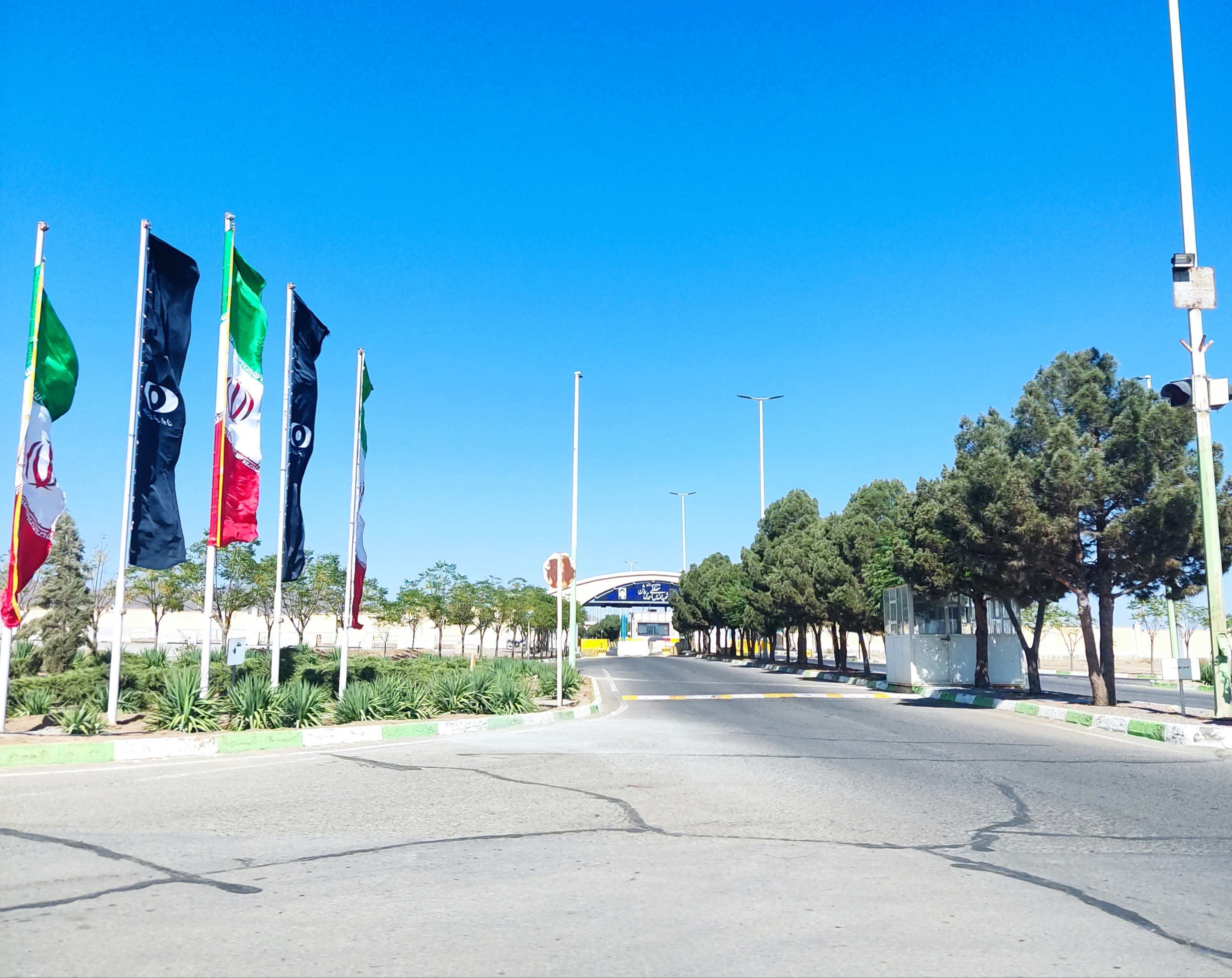
Iran nuclear enrichment Natanz Iran nuclear enrichment Natanz


Reactions from Global Leaders

United States

President Joe Biden, in a televised address, reiterated that the United States will continue to oppose any nuclear breakout by Iran and emphasized that peace in Ukraine depends on Russia’s willingness to negotiate in good faith. He labeled Trump’s remarks as “misleading and unhelpful.”

Iran

Iranian Foreign Minister Hossein Amir‑Abdollahian responded, "The United States can claim what it wishes, but Iran’s sovereignty and security considerations remain paramount." The statement hinted at a potential escalation in rhetoric, if not in actual policy.

Ukraine

President Zelenskyy, speaking to the European Parliament, condemned the notion that the war is near its end, urging the international community to maintain unwavering support for Ukraine’s defense.

Russia

Kremlin spokesperson Dmitry Peskov noted that Russia remains committed to a diplomatic resolution, but warned that external pressure could complicate peace talks.


Media & Public Response

The statements sparked a viral surge on social media, with the hashtag #TrumpIranNod trending on Twitter within hours. Analysts on major news networks dissected the feasibility of U.S. control over Iran’s nuclear decisions, while op‑eds across the political spectrum debated the implications for U.S. credibility.

Public opinion polls conducted by Pew Research indicated that 57% of Americans view Trump’s comments on Iran as “misinformed,” while 42% believe his optimism about Ukraine reflects a desire for peace.


Editorial Analysis & Future Outlook

Trump’s remarks illustrate a persistent pattern of unilateral framing that seeks to re‑centralize U.S. influence in volatile regions. While the former president’s platform offers short‑term headline appeal, the long‑term strategic costs could be significant.

For Iran, the perception that the U.S. holds a decisive veto may temporarily restrain overt nuclear advancements, yet it also feeds domestic narratives of external coercion, potentially fueling hard‑line policies once the political calculus shifts.

In Ukraine, premature optimism risks undermining morale among Ukrainian forces and diluting international resolve. A genuine peace settlement will require concrete concessions from Russia, robust security guarantees, and unwavering diplomatic pressure—elements that cannot be manufactured by a single rhetorical claim.

Looking ahead, policymakers must re‑assert clear, consistent messaging. The Biden administration’s challenge will be to navigate the political fallout, reinforce multilateral frameworks like the JCPOA, and sustain unified NATO support for Ukraine. Meanwhile, Congressional oversight may intensify to prevent future mischaracterizations that could jeopardize national security.

In sum, Trump’s statements serve as a reminder of the power—and peril—of narrative control in geopolitics. The coming weeks will reveal whether official U.S. policy can re‑establish its credibility and whether regional actors will adjust their strategies in response to this latest wave of political rhetoric.


Original Reporting & Source: India Today Top Stories

Discussion (0)

Sign in to join the discussion.

No comments yet. Be the first to start the conversation!

| |

Trump Claims Iran Needs U.S. Nod for Nuclear Moves as Ukraine War Nears End – What It Means Globally

By Umang Sisodia • 5 min read • 1 view

Key Takeaways

  • Trump asserts that Iran will only pursue nuclear capabilities with explicit U.S. approval, shifting the blame for Tehran's ambitions.
  • He declares the Ukraine conflict is "close to an end," stirring debate over his diplomatic credibility.
  • The statements have triggered immediate diplomatic ripples across Washington, Tehran, Kyiv, and Moscow, influencing market sentiment and NATO strategy.
  • Analysts warn that mixed messaging could embolden adversaries while complicating U.S. foreign‑policy coherence.

Trump’s Bold Claim on Iran’s Nuclear Path

Former President Donald J. Trump, speaking at a press event in Florida on Tuesday, asserted that Iran’s nuclear program cannot progress without a green light from the United States. He said, "If Iran wants to go nuclear, they need a nod from the United States. That's the only way they can move forward, and that decision lies with us."

This narrative diverges sharply from the long‑standing U.S. policy that Iran’s nuclear trajectory is largely autonomous, governed by its own strategic calculus and the constraints of the Joint Comprehensive Plan of Action (JCPOA). Trump’s framing attempts to re‑position the United States as the ultimate arbiter, a stance that could re‑energize hard‑line elements in Tehran while simultaneously pressuring allies to recalibrate their own containment strategies.

"Iran will not act unless we say so," Trump added, emphasizing the leverage the U.S. supposedly holds.

The remarks arrived just days after the International Atomic Energy Agency (IAEA) reported increased uranium enrichment activity at Natanz, raising alarms in Washington and Europe. Critics argue that Trump's statements oversimplify a complex non‑proliferation landscape and risk undermining diplomatic channels that have been painstakingly rebuilt since the 2015 JCPOA.


The Ukraine War Narrative: Nearing an End?

In the same address, Trump turned his gaze eastward, claiming the Russia‑Ukraine war is "close to an end". He suggested that ongoing peace talks, bolstered by recent diplomatic overtures from Moscow, would soon culminate in a settlement favorable to Kyiv. The former president’s optimism stands in stark contrast to on‑the‑ground reports of intensified fighting in the Donbas region and steady artillery exchanges.

U.S. Secretary of State Antony Blinken, in a separate briefing, warned that any premature declaration of peace could embolden Russian forces and diminish the resolve of Western allies. Meanwhile, Ukrainian President Volodymyr Zelenskyy reiterated that Ukraine will not settle for anything less than full territorial integrity, a stance that appears at odds with Trump's timeline.


Geopolitical Ripple Effects

Trump’s dual proclamations have set off a cascade of reactions:

  • Washington: Congressional leaders from both parties have called for a clarification of official U.S. policy on Iran, fearing that the former president’s statements could be misconstrued as an official stance.
  • Tehran: Iranian officials have dismissed the claim as “political theatrics,” while hardliners argue that the U.S. threat reinforces Iran’s resolve to develop a deterrent capability.
  • European Union: EU foreign ministers convened an emergency session to reaffirm the JCPOA’s relevance and to coordinate sanctions should Iran accelerate enrichment.
  • NATO: The alliance’s strategic communications team released a statement underscoring collective defense commitments and warning against mixed messages that could destabilize the security environment.
  • Markets: The S&P 500’s energy sector dipped 1.2%, while gold prices rose modestly, reflecting investor uncertainty.

Iran nuclear enrichment Natanz Iran nuclear enrichment Natanz


Reactions from Global Leaders

United States

President Joe Biden, in a televised address, reiterated that the United States will continue to oppose any nuclear breakout by Iran and emphasized that peace in Ukraine depends on Russia’s willingness to negotiate in good faith. He labeled Trump’s remarks as “misleading and unhelpful.”

Iran

Iranian Foreign Minister Hossein Amir‑Abdollahian responded, "The United States can claim what it wishes, but Iran’s sovereignty and security considerations remain paramount." The statement hinted at a potential escalation in rhetoric, if not in actual policy.

Ukraine

President Zelenskyy, speaking to the European Parliament, condemned the notion that the war is near its end, urging the international community to maintain unwavering support for Ukraine’s defense.

Russia

Kremlin spokesperson Dmitry Peskov noted that Russia remains committed to a diplomatic resolution, but warned that external pressure could complicate peace talks.


Media & Public Response

The statements sparked a viral surge on social media, with the hashtag #TrumpIranNod trending on Twitter within hours. Analysts on major news networks dissected the feasibility of U.S. control over Iran’s nuclear decisions, while op‑eds across the political spectrum debated the implications for U.S. credibility.

Public opinion polls conducted by Pew Research indicated that 57% of Americans view Trump’s comments on Iran as “misinformed,” while 42% believe his optimism about Ukraine reflects a desire for peace.


Editorial Analysis & Future Outlook

Trump’s remarks illustrate a persistent pattern of unilateral framing that seeks to re‑centralize U.S. influence in volatile regions. While the former president’s platform offers short‑term headline appeal, the long‑term strategic costs could be significant.

For Iran, the perception that the U.S. holds a decisive veto may temporarily restrain overt nuclear advancements, yet it also feeds domestic narratives of external coercion, potentially fueling hard‑line policies once the political calculus shifts.

In Ukraine, premature optimism risks undermining morale among Ukrainian forces and diluting international resolve. A genuine peace settlement will require concrete concessions from Russia, robust security guarantees, and unwavering diplomatic pressure—elements that cannot be manufactured by a single rhetorical claim.

Looking ahead, policymakers must re‑assert clear, consistent messaging. The Biden administration’s challenge will be to navigate the political fallout, reinforce multilateral frameworks like the JCPOA, and sustain unified NATO support for Ukraine. Meanwhile, Congressional oversight may intensify to prevent future mischaracterizations that could jeopardize national security.

In sum, Trump’s statements serve as a reminder of the power—and peril—of narrative control in geopolitics. The coming weeks will reveal whether official U.S. policy can re‑establish its credibility and whether regional actors will adjust their strategies in response to this latest wave of political rhetoric.


Original Reporting & Source: India Today Top Stories