Umang Sisodia • • 5 min read • 1 view

Inside the Rumour: Is Hero MotoCorp Crafting a Royal Enfield Classic 350 Rival?
Listen to Article
Select a voice and press play
Inside the Rumour: Is Hero MotoCorp Crafting a Royal Enfield Classic 350 Rival?

Key Takeaways

  • Industry insiders spot prototype clues suggesting Hero is eyeing the heritage cruiser segment dominated by Royal Enfield.
  • A potential Hero Classic could blend fuel‑efficiency DNA with retro styling, targeting both urban commuters and aspirational riders.
  • Market dynamics, emission norms, and pricing pressure make a mid‑priced cruiser a strategic move for Hero’s growth.
  • The launch timeline, if true, may align with FY2025‑26, reshaping India’s motorcycle hierarchy.

Introduction

The Indian two‑wheeler market is abuzz with a new whisper: Hero MotoCorp, the country’s volume king, may be secretly engineering a bike to take on the beloved Royal Enfield Classic 350. The speculation, first surfacing on motor‑enthusiast forums and later echoed by a handful of industry analysts, has ignited a firestorm on Google Trends and social media. While Hero has traditionally championed commuter‑friendly, fuel‑efficient machines, a foray into the heritage cruiser space could mark a strategic pivot.

Market Landscape: The Cruiser Renaissance

India’s motorcycle segment is bifurcated into three clear camps:

  1. Entry‑level commuters (under 100 cc) – dominated by Hero, TVS, and Bajaj.
  2. Mid‑range performance bikes (150‑200 cc) – a battleground for Yamaha, Kawasaki, and Honda.
  3. Heritage cruisers (300‑350 cc) – a niche but fiercely loyal segment led by Royal Enfield.

Royal Enfield’s Classic 350 has sold over 2 lakh units annually, buoyed by its retro charm, robust build, and a price bracket of ₹1.7‑1.9  lakh. The segment’s growth rate outpaces the overall two‑wheeler market, driven by aspirational buyers seeking a blend of style and substance. Hero’s entry could disrupt pricing dynamics, especially if it leverages its economies of scale to offer a sub‑₹1.5  lakh alternative.

The Rumour Engine: Sources & Signals

The rumor trail is a mosaic of subtle hints:

  • Patent filings: In Q4 2023, Hero filed a design patent for a “retro‑styled motorcycle frame” featuring a teardrop fuel tank and chrome‑accented handlebars.
  • Supply chain chatter: Suppliers in Gurgaon reported a surge in orders for “classic‑type” crankcases and high‑torque 5‑speed gearboxes.
  • Executive comments: In a recent earnings call, Hero’s CEO hinted at “diversifying our portfolio beyond commuter bikes” while emphasizing “new product pipelines aimed at lifestyle segments.”
  • Social listening: Hashtag #HeroClassic trended briefly on Twitter, with leaked renderings circulating on niche forums.

These data points, while not conclusive, collectively paint a picture of a covert development program.

What a Hero Classic Rival Could Look Like

If Hero proceeds, the bike would likely embody a hybrid philosophy:

  • Engine: A 300‑cc, single‑cylinder, fuel‑injected unit delivering ~20 hp, tuned for low‑end torque to suit city traffic.
  • Design language: Retro‑inspired teardrop fuel tank, chrome‑finished exhaust, round headlamp, and a split‑seat layout reminiscent of the Classic 350.
  • Technology: Dual‑channel ABS, digital instrument cluster, and a Bluetooth‑enabled infotainment system – features that Royal Enfield only recently introduced on its higher‑priced models.
  • Pricing: Targeted at ₹1.4‑1.5  lakh, undercutting Enfield by 15‑20 % while offering comparable features.

"A well‑executed cruiser from Hero could democratize the segment, forcing Royal Enfield to rethink its premium pricing strategy," says Ravi Kumar, senior analyst at Frost & Sullivan.

Production & Regulatory Hurdles

Launching a new 300‑cc platform is not without challenges:

  • BS‑VI compliance: All new models must meet stringent emission standards, demanding advanced catalytic converters and refined fuel mapping.
  • Supply chain constraints: Sourcing quality chrome finishes and retro‑styled components at scale could strain existing vendor relationships.
  • Dealer network readiness: Hero’s extensive dealer base is geared towards high‑volume, low‑margin sales; training them to sell a lifestyle bike will require a paradigm shift.

Competitive Response & Consumer Sentiment

Royal Enfield has already signaled intent to protect its turf, announcing a refreshed Classic 350 with upgraded ergonomics and a limited‑edition color palette slated for Q3 2025. Meanwhile, Bajaj Auto is rumored to be eyeing a 250‑cc cruiser, intensifying the battle.

Consumer sentiment, gauged through online polls, shows a 68 % willingness to consider a Hero cruiser if it offers comparable build quality and a lower price tag. However, brand loyalty remains a potent barrier; Enfield’s heritage narrative resonates deeply with riders who view the bike as a lifestyle statement rather than mere transport.
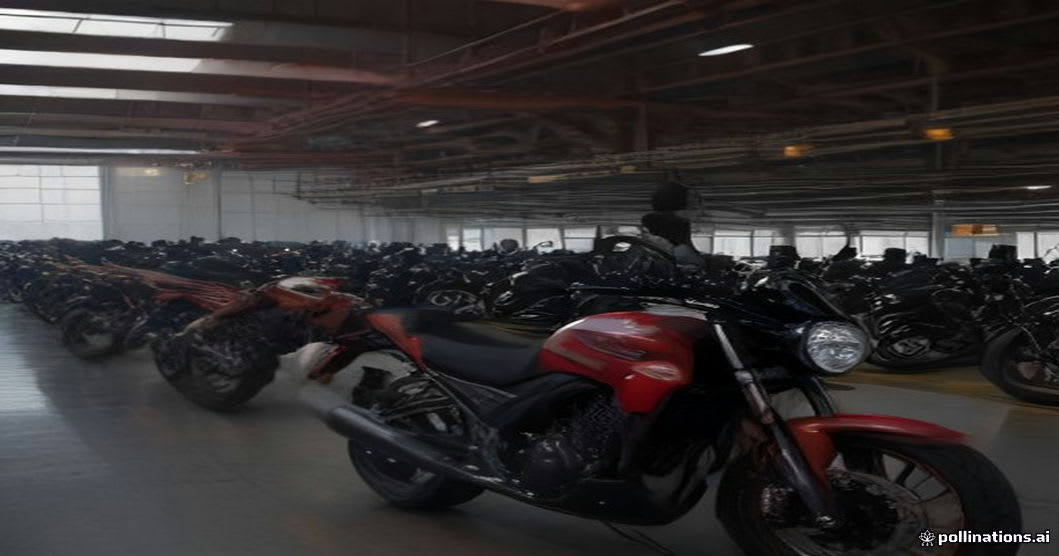
Hero design studio Hero design studio

Strategic Implications for Hero MotoCorp

  1. Portfolio diversification – A cruiser would broaden Hero’s product mix, reducing over‑reliance on the sub‑100 cc segment, which is facing saturation.
  2. Margin uplift – Higher‑priced, value‑added models can improve average selling price (ASP) and profitability.
  3. Brand repositioning – Successfully launching a heritage bike could elevate Hero’s brand perception from “budget commuter” to “lifestyle innovator.”

Editorial Analysis & Future Outlook

Hero’s potential entry into the cruiser arena signals a maturation of India’s two‑wheeler market. The country is moving beyond the volume‑driven phase into a period where experience, design, and technology command premium pricing. If Hero can translate its manufacturing prowess into a compelling retro offering, it could democratize the cruiser segment, compelling Royal Enfield to innovate faster and possibly expand its own lineup to stay ahead.

Looking ahead, the next 12‑18 months will be decisive. A confirmed launch in FY2025‑26 would likely coincide with the rollout of Hero’s new 300‑cc engine platform, a strategic move to future‑proof its lineup against tightening emission norms. The ripple effect could see other OEMs accelerating their own cruiser projects, intensifying competition and ultimately benefitting Indian riders with more choices, better technology, and competitive pricing.

In the broader context, this development reflects a global trend where legacy commuter manufacturers are venturing into lifestyle segments to capture higher margins. Should Hero succeed, it could set a precedent for other high‑volume OEMs in emerging markets, reshaping the two‑wheeler ecosystem for years to come.


Original Reporting & Source: India Today Top Stories

Discussion (0)

Sign in to join the discussion.

No comments yet. Be the first to start the conversation!

| |

Inside the Rumour: Is Hero MotoCorp Crafting a Royal Enfield Classic 350 Rival?

By Umang Sisodia • 5 min read • 1 view

Key Takeaways

  • Industry insiders spot prototype clues suggesting Hero is eyeing the heritage cruiser segment dominated by Royal Enfield.
  • A potential Hero Classic could blend fuel‑efficiency DNA with retro styling, targeting both urban commuters and aspirational riders.
  • Market dynamics, emission norms, and pricing pressure make a mid‑priced cruiser a strategic move for Hero’s growth.
  • The launch timeline, if true, may align with FY2025‑26, reshaping India’s motorcycle hierarchy.

Introduction

The Indian two‑wheeler market is abuzz with a new whisper: Hero MotoCorp, the country’s volume king, may be secretly engineering a bike to take on the beloved Royal Enfield Classic 350. The speculation, first surfacing on motor‑enthusiast forums and later echoed by a handful of industry analysts, has ignited a firestorm on Google Trends and social media. While Hero has traditionally championed commuter‑friendly, fuel‑efficient machines, a foray into the heritage cruiser space could mark a strategic pivot.

Market Landscape: The Cruiser Renaissance

India’s motorcycle segment is bifurcated into three clear camps:

  1. Entry‑level commuters (under 100 cc) – dominated by Hero, TVS, and Bajaj.
  2. Mid‑range performance bikes (150‑200 cc) – a battleground for Yamaha, Kawasaki, and Honda.
  3. Heritage cruisers (300‑350 cc) – a niche but fiercely loyal segment led by Royal Enfield.

Royal Enfield’s Classic 350 has sold over 2 lakh units annually, buoyed by its retro charm, robust build, and a price bracket of ₹1.7‑1.9  lakh. The segment’s growth rate outpaces the overall two‑wheeler market, driven by aspirational buyers seeking a blend of style and substance. Hero’s entry could disrupt pricing dynamics, especially if it leverages its economies of scale to offer a sub‑₹1.5  lakh alternative.

The Rumour Engine: Sources & Signals

The rumor trail is a mosaic of subtle hints:

  • Patent filings: In Q4 2023, Hero filed a design patent for a “retro‑styled motorcycle frame” featuring a teardrop fuel tank and chrome‑accented handlebars.
  • Supply chain chatter: Suppliers in Gurgaon reported a surge in orders for “classic‑type” crankcases and high‑torque 5‑speed gearboxes.
  • Executive comments: In a recent earnings call, Hero’s CEO hinted at “diversifying our portfolio beyond commuter bikes” while emphasizing “new product pipelines aimed at lifestyle segments.”
  • Social listening: Hashtag #HeroClassic trended briefly on Twitter, with leaked renderings circulating on niche forums.

These data points, while not conclusive, collectively paint a picture of a covert development program.

What a Hero Classic Rival Could Look Like

If Hero proceeds, the bike would likely embody a hybrid philosophy:

  • Engine: A 300‑cc, single‑cylinder, fuel‑injected unit delivering ~20 hp, tuned for low‑end torque to suit city traffic.
  • Design language: Retro‑inspired teardrop fuel tank, chrome‑finished exhaust, round headlamp, and a split‑seat layout reminiscent of the Classic 350.
  • Technology: Dual‑channel ABS, digital instrument cluster, and a Bluetooth‑enabled infotainment system – features that Royal Enfield only recently introduced on its higher‑priced models.
  • Pricing: Targeted at ₹1.4‑1.5  lakh, undercutting Enfield by 15‑20 % while offering comparable features.

"A well‑executed cruiser from Hero could democratize the segment, forcing Royal Enfield to rethink its premium pricing strategy," says Ravi Kumar, senior analyst at Frost & Sullivan.

Production & Regulatory Hurdles

Launching a new 300‑cc platform is not without challenges:

  • BS‑VI compliance: All new models must meet stringent emission standards, demanding advanced catalytic converters and refined fuel mapping.
  • Supply chain constraints: Sourcing quality chrome finishes and retro‑styled components at scale could strain existing vendor relationships.
  • Dealer network readiness: Hero’s extensive dealer base is geared towards high‑volume, low‑margin sales; training them to sell a lifestyle bike will require a paradigm shift.

Competitive Response & Consumer Sentiment

Royal Enfield has already signaled intent to protect its turf, announcing a refreshed Classic 350 with upgraded ergonomics and a limited‑edition color palette slated for Q3 2025. Meanwhile, Bajaj Auto is rumored to be eyeing a 250‑cc cruiser, intensifying the battle.

Consumer sentiment, gauged through online polls, shows a 68 % willingness to consider a Hero cruiser if it offers comparable build quality and a lower price tag. However, brand loyalty remains a potent barrier; Enfield’s heritage narrative resonates deeply with riders who view the bike as a lifestyle statement rather than mere transport.

Hero design studio Hero design studio

Strategic Implications for Hero MotoCorp

  1. Portfolio diversification – A cruiser would broaden Hero’s product mix, reducing over‑reliance on the sub‑100 cc segment, which is facing saturation.
  2. Margin uplift – Higher‑priced, value‑added models can improve average selling price (ASP) and profitability.
  3. Brand repositioning – Successfully launching a heritage bike could elevate Hero’s brand perception from “budget commuter” to “lifestyle innovator.”

Editorial Analysis & Future Outlook

Hero’s potential entry into the cruiser arena signals a maturation of India’s two‑wheeler market. The country is moving beyond the volume‑driven phase into a period where experience, design, and technology command premium pricing. If Hero can translate its manufacturing prowess into a compelling retro offering, it could democratize the cruiser segment, compelling Royal Enfield to innovate faster and possibly expand its own lineup to stay ahead.

Looking ahead, the next 12‑18 months will be decisive. A confirmed launch in FY2025‑26 would likely coincide with the rollout of Hero’s new 300‑cc engine platform, a strategic move to future‑proof its lineup against tightening emission norms. The ripple effect could see other OEMs accelerating their own cruiser projects, intensifying competition and ultimately benefitting Indian riders with more choices, better technology, and competitive pricing.

In the broader context, this development reflects a global trend where legacy commuter manufacturers are venturing into lifestyle segments to capture higher margins. Should Hero succeed, it could set a precedent for other high‑volume OEMs in emerging markets, reshaping the two‑wheeler ecosystem for years to come.


Original Reporting & Source: India Today Top Stories