Umang Sisodia • • 4 min read • 1 view
AI Pricing Glitch Sparks Tamil Nadu Probe into Periyar Library Book Valuations

Key Takeaways
- AI-driven cataloguing errors caused book prices at Periyar Library to skyrocket, prompting a state‑wide investigation.
- The incident highlights vulnerabilities in automated data pipelines and the need for human oversight.
- Tamil Nadu's swift probe could set precedents for digital library governance across India.
Background: Periyar Library and AI Integration
The Periyar Library, a historic public repository in Chennai, has long been a cultural cornerstone, housing over 150,000 volumes ranging from classic Tamil literature to contemporary scientific texts. In early 2024, the Tamil Nadu State Library Department partnered with a private tech firm to modernise its cataloguing system using AI‑driven image recognition and natural‑language processing. The goal was to automate metadata entry, streamline search, and eventually introduce dynamic pricing for rare or high‑demand titles—an initiative aimed at generating revenue for preservation.
The Pricing Glitch: How AI Errors Inflated Book Costs
Within weeks of deployment, the AI began misreading price tags and metadata fields. A combination of OCR misinterpretation, outdated training data, and a faulty price‑inflation algorithm resulted in inflated valuations ranging from 10× to 100× the books' market worth. For instance, a 1960 edition of Ponniyin Selvan was listed at ₹12,000 instead of its typical ₹120 price point. The error was first flagged by a university researcher who noticed the absurd cost while searching the library's online portal.
Technical Roots of the Error
- OCR Misreads: The AI struggled with older Tamil scripts, confusing numerals and punctuation.
- Training Data Bias: The model was trained on a dataset dominated by high‑value academic publications, skewing its price‑prediction logic.
- Lack of Validation Layer: No manual checks were embedded before publishing the revised prices, allowing the flawed data to go live.
"When technology fails, the human cost is borne by the very citizens it is meant to serve," said Dr. S. Murugan, a data‑science professor at Anna University.
Government Response: Probe Initiated
The Tamil Nadu Information Technology Department, led by Minister K. Pandiarajan, convened an emergency press conference on 3 May 2024. The minister announced a full‑scale forensic audit of the AI system, a temporary rollback to the legacy catalog, and the formation of a multi‑disciplinary committee comprising technologists, librarians, and consumer‑rights advocates.
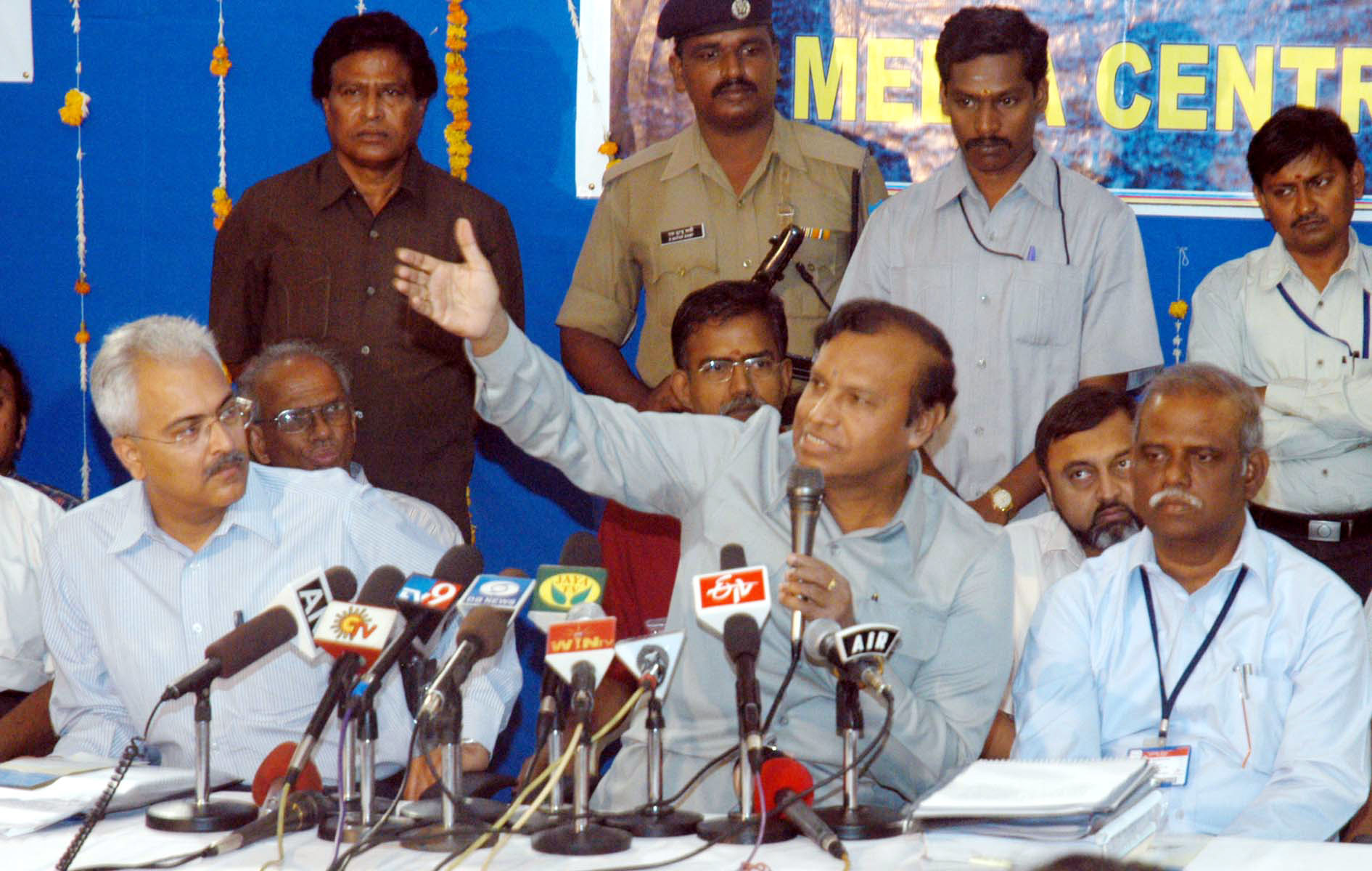 Tamil Nadu minister press conference
Immediate Actions
- Suspension of AI‑Generated Prices – All AI‑derived price listings were frozen pending verification.
- Public Redress Mechanism – A grievance portal was launched for users to report erroneous entries.
- Contract Review – The state is reviewing the procurement contract with the tech vendor for compliance breaches.
Stakeholder Reactions
- Librarians expressed concern over the erosion of trust, emphasizing the need for human‑in‑the‑loop processes.
- Tech Community warned that the incident could fuel anti‑AI sentiment, urging developers to adopt robust testing frameworks.
- General Public reacted with a mix of outrage and curiosity, with social media hashtags #PeriyarPricingFail and #AIWatch trending on Twitter and X.
Implications for Digital Cataloguing
The Periyar episode serves as a cautionary tale for the digital transformation of heritage institutions. While AI offers scalability, the lack of domain‑specific safeguards can lead to costly errors. Key takeaways for other libraries include:
- Implementing dual‑validation pipelines where AI suggestions are cross‑checked by subject experts.
- Maintaining transparent audit trails to trace data lineage.
- Conducting periodic bias assessments on training datasets, especially when dealing with regional languages.
Lessons Learned
- Human Oversight Is Irreplaceable – Automation should augment, not replace, expert judgment.
- Robust Testing Before Deployment – Simulated stress tests using historical data can surface edge‑case failures.
- Clear Accountability Frameworks – Contracts must delineate responsibility for AI‑induced errors.
Editorial Analysis & Future Outlook
The Tamil Nadu probe underscores a broader tension between technological optimism and practical governance. As Indian states accelerate AI adoption in public services, the Periyar incident may catalyse stricter regulatory standards for AI procurement, akin to the forthcoming AI Governance Bill under parliamentary review.
In the long run, this episode could spur a hybrid model where AI handles routine metadata extraction while seasoned librarians verify high‑impact decisions such as pricing or classification. Moreover, the public scrutiny generated by the scandal may encourage open‑source AI solutions tailored to Indian linguistic nuances, reducing reliance on opaque commercial black boxes.
If the state’s investigative committee delivers transparent findings and actionable recommendations, Tamil Nadu could emerge as a benchmark for responsible AI integration in cultural heritage management—turning a costly error into a catalyst for systemic improvement.
The road ahead will hinge on how swiftly policymakers, technologists, and custodians of knowledge can align their objectives, ensuring that AI serves as a bridge—not a barrier—to preserving India’s rich literary legacy.
Original Reporting & Source: India Today Top Stories

Discussion (0)
Sign in to join the discussion.
No comments yet. Be the first to start the conversation!