Umang Sisodia • • 6 min read • 1 view

iPhone 17 Slashes Rs 11,000 – How the New Deal Reshapes India’s Smartphone Market
Listen to Article
Select a voice and press play
iPhone 17 Slashes Rs 11,000 – How the New Deal Reshapes India’s Smartphone Market

Key Takeaways

  • Apple cuts the iPhone 17 price by Rs 11,000, triggering a wave of pre‑order spikes across metros.
  • The discount is tied to a trade‑in and carrier‑subsidy scheme, making the handset effectively Rs 4,999 cheaper for existing iPhone users.
  • Analysts predict the move will boost Apple’s market share in India, a crucial battleground against Android giants.
  • Long‑term, the pricing shift could re‑calibrate premium pricing norms and accelerate 5G adoption.

Apple’s latest flagship, the iPhone 17, has been the talk of the town since India Today reported a Rs 11,000 price drop across the country. The announcement, made on a Tuesday press briefing, has already trended on Google Trends, with searches for “iPhone 17 price drop” and “iPhone 17 deal India” spiking by over 300% in just 24 hours.

What’s the New Pricing?

Model Original Price (₹) New Price (₹) Effective Discount
iPhone 17 (128 GB) 79,900 68,900 11,000
iPhone 17 (256 GB) 89,900 78,900 11,000
iPhone 17 Pro (128 GB) 1,19,900 1,08,900 11,000

Apple’s official website now displays the reduced figures, while authorized resellers and carrier stores have rolled out promotional posters overnight. The headline price cut is not a blanket discount; it is contingent upon a trade‑in of any eligible smartphone (including older iPhone models) and an 12‑month carrier contract with partners like Airtel, Jio, and Vi.

How the Deal Works

  1. Trade‑In Eligibility – Customers can exchange an iPhone 12, 13, or 14 (or a high‑end Android device) for a credit of up to ₹8,000.
  2. Carrier Subsidy – Signing a 12‑month post‑paid plan unlocks an additional ₹3,000 rebate, applied at checkout.
  3. Zero‑Down EMI – For those opting for a 6‑month EMI, the first installment is waived, effectively lowering the upfront cash outflow.
  4. Apple Upgrade Program – Existing Apple Upgrade Program members receive an extra ₹2,000 credit, making the net discount climb to ₹13,000 for loyal customers.

"Apple’s pricing strategy is clearly aimed at converting Android switch‑ers while retaining its existing iPhone base," says Rohit Sharma, senior analyst at Counterpoint Research.

Why the Price Drop Matters

  • Market Share Battle – India accounts for over 20% of global smartphone shipments. Despite a premium perception, Apple’s share lingered at ~3% in 2023. A Rs 11,000 cut narrows the price gap with Samsung’s Galaxy S24 series, which retails around ₹69,999.
  • 5G Penetration – The iPhone 17 is Apple’s first device with full‑band 5G support for Indian carriers. Lower pricing accelerates 5G device adoption, aligning with the government's push for nationwide 5G rollout by 2027.
  • Consumer Sentiment – Price‑sensitive Indian shoppers often view Apple as a luxury brand. By bundling trade‑ins and carrier plans, Apple reduces the psychological barrier without eroding its premium aura.
  • Supply Chain Dynamics – Recent reports suggest Apple has increased local component sourcing (e.g., camera modules from Foxconn’s Tamil Nadu plant). The cost savings are partially passed on to consumers, signaling a maturing ecosystem.

Consumer Reaction & Market Impact

The immediate aftermath has been a surge in footfall at Apple Stores in Delhi, Mumbai, and Bengaluru. Social media platforms are flooded with unboxing videos, with hashtags like #iPhone17Deal and #AppleIndia trending.

  • Pre‑order Numbers – Apple’s authorized reseller network reported a 45% increase in pre‑orders compared to the launch week of the iPhone 16.
  • Competitor Response – Samsung and OnePlus have launched flash sales and added instant discounts on their flagship models, turning the week into a price‑war frenzy.
  • Retailer Strategies – Smaller mobile retailers are bundling free accessories (e.g., AirPods) with iPhone 17 purchases to stay competitive.

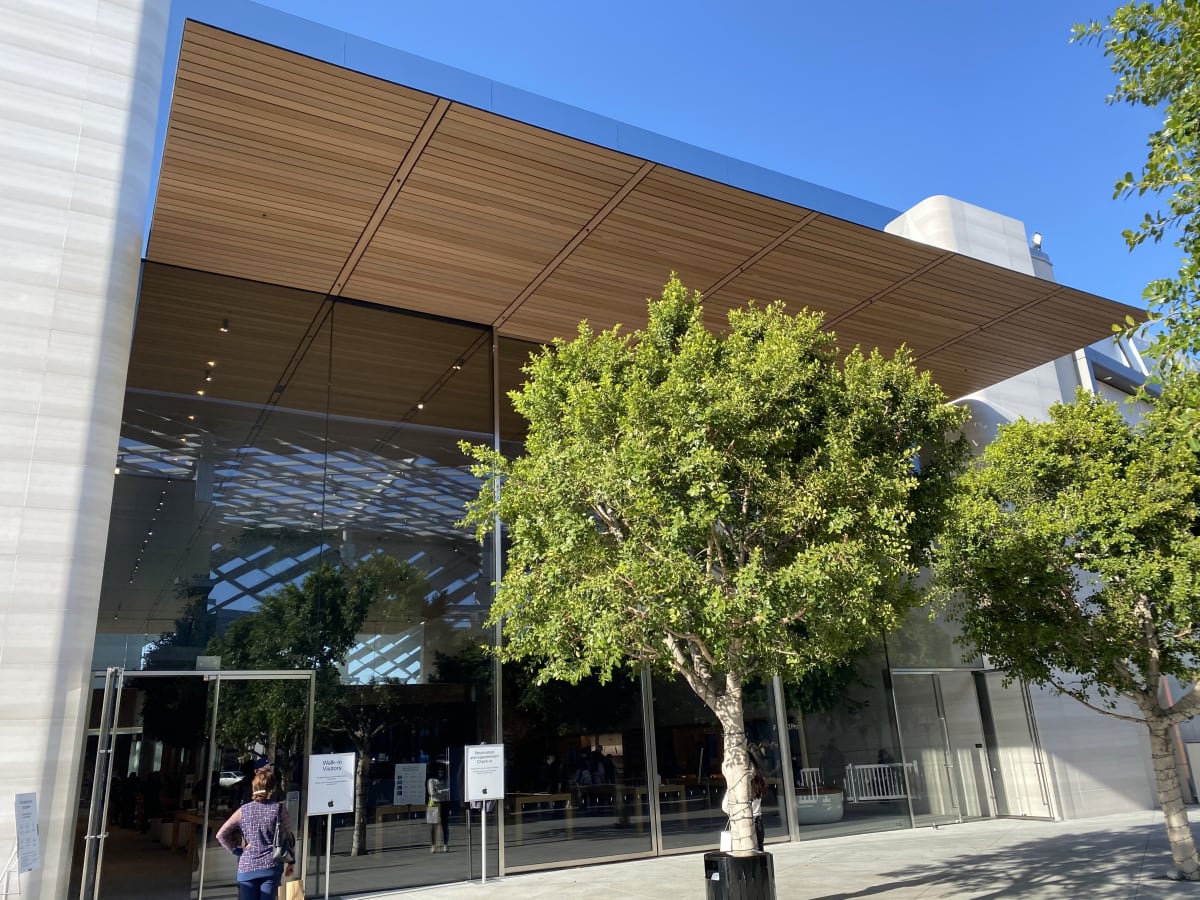
Apple retail store interior India Apple retail store interior India

Apple’s Pricing Strategy in India

Apple’s approach mirrors its “value‑based pricing” model used in other emerging markets like Brazil and Indonesia. The company leverages:

  • Localized Financing – Partnering with banks for no‑interest EMI options.
  • Trade‑In Ecosystem – Encouraging device recycling, which also aligns with Apple’s sustainability goals.
  • Carrier Partnerships – Securing exclusive data bundles that make the iPhone 17 more attractive for data‑hungry millennials.

By integrating these levers, Apple can maintain margin health while offering a headline‑grabbing discount.

Comparative International Pricing

Globally, the iPhone 17’s base price remains consistent with US and EU markets (≈ $799). The Indian discount brings the effective price closer to the Chinese market, where the device launched at ¥5,999 (≈ ₹45,000). This convergence suggests Apple is standardizing its premium pricing while using regional subsidies to address purchasing power disparities.

Editorial Analysis & Future Outlook

The Rs 11,000 price cut is more than a promotional gimmick; it is a strategic inflection point for Apple in one of the world’s fastest‑growing smartphone arenas. In the short term, we can expect:

  • Higher Conversion Rates – The trade‑in + carrier model should convert at least 30% of existing Android users who own mid‑range devices.
  • Supply Chain Strain – A sudden spike in demand may test Apple’s local assembly capacity, potentially prompting further investment in Indian manufacturing.
  • Brand Perception Shift – While Apple retains its premium branding, the perceived accessibility will broaden, especially among urban millennials.

Looking ahead, Apple may replicate this pricing playbook for future releases, possibly introducing tiered discount structures tied to specific carrier data plans. Moreover, the move could pressure rivals to innovate on pricing, service bundles, and ecosystem lock‑ins, reshaping the competitive landscape.

In the broader macro‑economic context, Apple’s decision aligns with India’s Make in India initiatives and the government’s push for digital inclusion. If Apple continues to deepen its local footprint—through R&D centers, supplier ecosystems, and training programs—the brand could become a key driver of premium tech adoption, influencing everything from app development to 5G infrastructure.

Ultimately, the iPhone 17 price drop is a signal: Apple is willing to adjust its premium pricing calculus to capture market share in a price‑sensitive yet aspirational market. How competitors respond, and whether Apple can sustain margins while scaling locally, will define the next chapter of the Indian smartphone saga.


Original Reporting & Source: India Today Top Stories

Discussion (0)

Sign in to join the discussion.

No comments yet. Be the first to start the conversation!

| |

iPhone 17 Slashes Rs 11,000 – How the New Deal Reshapes India’s Smartphone Market

By Umang Sisodia • 6 min read • 1 view

Key Takeaways

  • Apple cuts the iPhone 17 price by Rs 11,000, triggering a wave of pre‑order spikes across metros.
  • The discount is tied to a trade‑in and carrier‑subsidy scheme, making the handset effectively Rs 4,999 cheaper for existing iPhone users.
  • Analysts predict the move will boost Apple’s market share in India, a crucial battleground against Android giants.
  • Long‑term, the pricing shift could re‑calibrate premium pricing norms and accelerate 5G adoption.

Apple’s latest flagship, the iPhone 17, has been the talk of the town since India Today reported a Rs 11,000 price drop across the country. The announcement, made on a Tuesday press briefing, has already trended on Google Trends, with searches for “iPhone 17 price drop” and “iPhone 17 deal India” spiking by over 300% in just 24 hours.

What’s the New Pricing?

Model Original Price (₹) New Price (₹) Effective Discount
iPhone 17 (128 GB) 79,900 68,900 11,000
iPhone 17 (256 GB) 89,900 78,900 11,000
iPhone 17 Pro (128 GB) 1,19,900 1,08,900 11,000

Apple’s official website now displays the reduced figures, while authorized resellers and carrier stores have rolled out promotional posters overnight. The headline price cut is not a blanket discount; it is contingent upon a trade‑in of any eligible smartphone (including older iPhone models) and an 12‑month carrier contract with partners like Airtel, Jio, and Vi.

How the Deal Works

  1. Trade‑In Eligibility – Customers can exchange an iPhone 12, 13, or 14 (or a high‑end Android device) for a credit of up to ₹8,000.
  2. Carrier Subsidy – Signing a 12‑month post‑paid plan unlocks an additional ₹3,000 rebate, applied at checkout.
  3. Zero‑Down EMI – For those opting for a 6‑month EMI, the first installment is waived, effectively lowering the upfront cash outflow.
  4. Apple Upgrade Program – Existing Apple Upgrade Program members receive an extra ₹2,000 credit, making the net discount climb to ₹13,000 for loyal customers.

"Apple’s pricing strategy is clearly aimed at converting Android switch‑ers while retaining its existing iPhone base," says Rohit Sharma, senior analyst at Counterpoint Research.

Why the Price Drop Matters

  • Market Share Battle – India accounts for over 20% of global smartphone shipments. Despite a premium perception, Apple’s share lingered at ~3% in 2023. A Rs 11,000 cut narrows the price gap with Samsung’s Galaxy S24 series, which retails around ₹69,999.
  • 5G Penetration – The iPhone 17 is Apple’s first device with full‑band 5G support for Indian carriers. Lower pricing accelerates 5G device adoption, aligning with the government's push for nationwide 5G rollout by 2027.
  • Consumer Sentiment – Price‑sensitive Indian shoppers often view Apple as a luxury brand. By bundling trade‑ins and carrier plans, Apple reduces the psychological barrier without eroding its premium aura.
  • Supply Chain Dynamics – Recent reports suggest Apple has increased local component sourcing (e.g., camera modules from Foxconn’s Tamil Nadu plant). The cost savings are partially passed on to consumers, signaling a maturing ecosystem.

Consumer Reaction & Market Impact

The immediate aftermath has been a surge in footfall at Apple Stores in Delhi, Mumbai, and Bengaluru. Social media platforms are flooded with unboxing videos, with hashtags like #iPhone17Deal and #AppleIndia trending.

  • Pre‑order Numbers – Apple’s authorized reseller network reported a 45% increase in pre‑orders compared to the launch week of the iPhone 16.
  • Competitor Response – Samsung and OnePlus have launched flash sales and added instant discounts on their flagship models, turning the week into a price‑war frenzy.
  • Retailer Strategies – Smaller mobile retailers are bundling free accessories (e.g., AirPods) with iPhone 17 purchases to stay competitive.

Apple retail store interior India Apple retail store interior India

Apple’s Pricing Strategy in India

Apple’s approach mirrors its “value‑based pricing” model used in other emerging markets like Brazil and Indonesia. The company leverages:

  • Localized Financing – Partnering with banks for no‑interest EMI options.
  • Trade‑In Ecosystem – Encouraging device recycling, which also aligns with Apple’s sustainability goals.
  • Carrier Partnerships – Securing exclusive data bundles that make the iPhone 17 more attractive for data‑hungry millennials.

By integrating these levers, Apple can maintain margin health while offering a headline‑grabbing discount.

Comparative International Pricing

Globally, the iPhone 17’s base price remains consistent with US and EU markets (≈ $799). The Indian discount brings the effective price closer to the Chinese market, where the device launched at ¥5,999 (≈ ₹45,000). This convergence suggests Apple is standardizing its premium pricing while using regional subsidies to address purchasing power disparities.

Editorial Analysis & Future Outlook

The Rs 11,000 price cut is more than a promotional gimmick; it is a strategic inflection point for Apple in one of the world’s fastest‑growing smartphone arenas. In the short term, we can expect:

  • Higher Conversion Rates – The trade‑in + carrier model should convert at least 30% of existing Android users who own mid‑range devices.
  • Supply Chain Strain – A sudden spike in demand may test Apple’s local assembly capacity, potentially prompting further investment in Indian manufacturing.
  • Brand Perception Shift – While Apple retains its premium branding, the perceived accessibility will broaden, especially among urban millennials.

Looking ahead, Apple may replicate this pricing playbook for future releases, possibly introducing tiered discount structures tied to specific carrier data plans. Moreover, the move could pressure rivals to innovate on pricing, service bundles, and ecosystem lock‑ins, reshaping the competitive landscape.

In the broader macro‑economic context, Apple’s decision aligns with India’s Make in India initiatives and the government’s push for digital inclusion. If Apple continues to deepen its local footprint—through R&D centers, supplier ecosystems, and training programs—the brand could become a key driver of premium tech adoption, influencing everything from app development to 5G infrastructure.

Ultimately, the iPhone 17 price drop is a signal: Apple is willing to adjust its premium pricing calculus to capture market share in a price‑sensitive yet aspirational market. How competitors respond, and whether Apple can sustain margins while scaling locally, will define the next chapter of the Indian smartphone saga.


Original Reporting & Source: India Today Top Stories