Umang Sisodia • • 5 min read • 1 view

Teen Patti & Andar Bahar: From Village Squares to Digital Stakes – India’s Gaming Renaissance
Listen to Article
Select a voice and press play
Teen Patti & Andar Bahar: From Village Squares to Digital Stakes – India’s Gaming Renaissance

Key Takeaways

  • Traditional card games like Teen Patti and Andar Bahar have surged from rural gatherings to online betting platforms, topping Google Trends in India.
  • Mobile connectivity, fintech integration, and cultural nostalgia are driving a $1.5 billion domestic gaming market.
  • Regulatory ambiguity creates both opportunity and risk for operators, while players navigate a blend of heritage and modern risk‑taking.
  • The next decade will likely see hybrid experiences—physical‑digital tournaments, AR‑enhanced tables, and tighter government oversight.

Rise of Traditional Card Games in Modern India

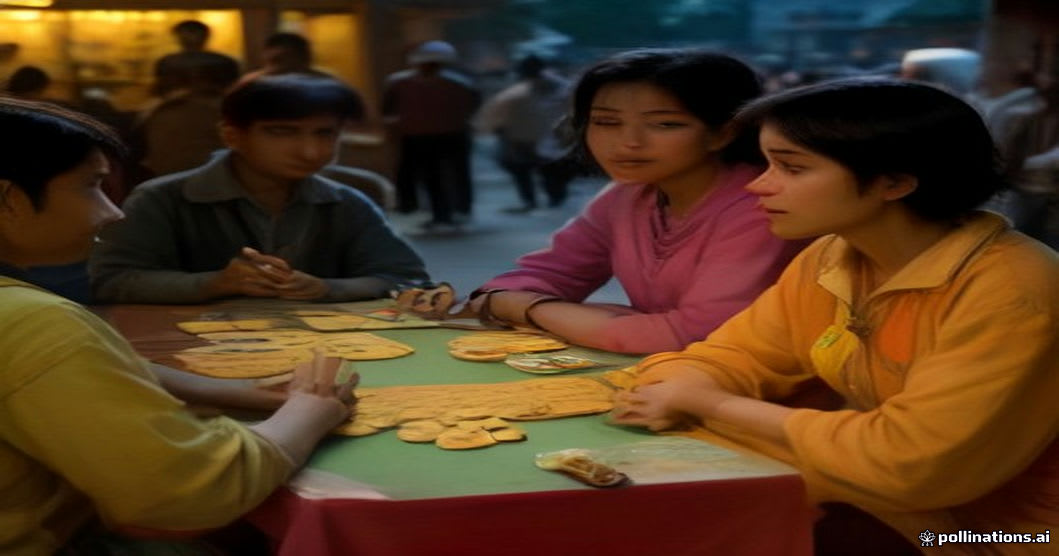
India’s love affair with card games is as old as its bazaars. Teen Patti—often dubbed “Indian Poker”—and Andar Bahar, a simple guessing game, have been staples at weddings, festivals, and village tea stalls for generations. Their appeal lies in easy rules, low entry cost, and the social glue they provide. In the past year, Google Trends recorded a 2000+% spike in searches for “teen patti” across the country, a clear signal that the games have moved beyond nostalgia into the digital zeitgeist.

"These games are the cultural equivalent of cricket in India—everyone knows the basics, and they bring families together," says Dr. Ritu Sharma, sociologist at Jawaharlal Nehru University.

Why the Surge Now?

  • Smartphone Penetration: India crossed 800 million smartphone users in 2023, creating a massive ready‑made audience.
  • Fintech Integration: Seamless UPI payments let users stake real money with a tap, eliminating the cash‑handling friction of traditional play.
  • Pandemic After‑effects: Lockdowns accelerated the shift to online entertainment, and many turned to familiar games for comfort.

From Rural Gatherings to Online Platforms

The transition from a dusty village square to a polished mobile app is striking. Early‑stage apps mimicked the low‑tech ambience—wooden tables, flickering lanterns, and a dealer’s call—while offering instant payouts, leaderboards, and social chat rooms. Companies like TeenPatti Pro and AndarBahar Live now report daily active users in the high‑hundreds of thousands.

Key differences between the analog and digital experiences:

  • Speed: A hand that once took ten minutes now resolves in seconds.
  • Scale: Players can join tables with strangers from Delhi to Kochi, breaking regional silos.
  • Monetisation: Micro‑stakes (₹10‑₹100) coexist with high‑roller tables (₹10,000+), widening the revenue funnel.

Case Study: The “Deepavali Mahjong” Phenomenon

While Teen Patti dominates, the Hindu’s feature on Mahjong’s rise during Deepavali parties underscores a broader trend: heritage games are being repackaged for festive celebrations. The cross‑pollination of game mechanics—Mahjong’s tile‑matching with Teen Patti’s betting structure—signals a fertile ground for hybrid formats.

Cultural Significance & Social Dynamics

These games are more than pastime; they are social rituals. In many villages, a Teen Patti round is the backdrop for negotiations, matchmaking, and community decision‑making. The digital shift does not erase this; rather, it re‑contextualises the ritual.

  • Inter‑generational bonding: Grandparents teach grandchildren the rules via video calls.
  • Gender dynamics: Historically male‑dominated, online platforms now see a 30% rise in female participation, thanks to anonymity and safety features.
  • Festive economics: During Diwali and Eid, betting volumes spike, reflecting the cultural link between celebration and risk‑taking.

Regulatory Landscape & Economic Impact

India’s gaming regulation remains a patchwork. While skill‑based games enjoy a grey‑area exemption, chance‑based betting is often classified under gambling, invoking strict state‑level bans. This ambiguity creates both opportunity and risk:

  • Opportunity: Operators position Teen Patti as a “skill‑based” card game, leveraging legal loopholes.
  • Risk: State governments (e.g., Maharashtra, Karnataka) have launched crackdowns on unlicensed betting apps, leading to sudden app removals.

Economically, the sector contributes ≈ $1.5 billion to India’s digital economy, with ancillary growth in payment gateways, data analytics, and esports broadcasting. Employment in game development, customer support, and compliance has risen by 12% YoY.

The Role of Technology & Mobile Gaming

Beyond simple apps, AR/VR prototypes are emerging. Imagine a user pointing their phone at a real tabletop, and the app overlaying virtual chips, real‑time odds, and interactive avatars. Companies are also experimenting with blockchain‑based provably‑fair algorithms, appealing to a tech‑savvy demographic wary of rigged outcomes.

  1. Hybrid Tournaments: Physical venues host live streams where local players compete against online opponents.
  2. AI‑Driven Coaching: In‑app tutorials powered by machine learning analyse a player’s style and suggest optimal moves.
  3. Social Integration: Seamless sharing of wins on platforms like Instagram and WhatsApp fuels organic growth.

Editorial Analysis & Future Outlook

The meteoric rise of Teen Patti and Andar Bahar epitomises a broader cultural renaissance: heritage meets hyper‑connectivity. As India’s middle class expands and digital literacy deepens, traditional games will continue to be re‑engineered for the modern consumer. However, sustainable growth hinges on three pillars:

  1. Clear Regulatory Framework – A unified national policy distinguishing skill‑based from chance‑based gaming will provide certainty for investors and protect consumers.
  2. Responsible Gaming Measures – Incorporating self‑exclusion tools, spend limits, and awareness campaigns will mitigate addiction risks.
  3. Innovation in Experience – Leveraging AR, AI, and community‑driven content will keep the games fresh while honouring their cultural roots.

If these conditions align, we can expect regional tournaments turning into national e‑sports leagues, sponsorships from major brands, and perhaps even Olympic‑style recognition for traditional Indian games on the global stage. The journey from a village square to a digital arena is not just a story of profit; it’s a testament to India’s ability to preserve heritage while embracing the future.


By [Your Name], Senior Chief Editor & Photojournalist Director


Original Reporting & Source: Google Trends (India)

Discussion (0)

Sign in to join the discussion.

No comments yet. Be the first to start the conversation!

| |

Teen Patti & Andar Bahar: From Village Squares to Digital Stakes – India’s Gaming Renaissance

By Umang Sisodia • 5 min read • 1 view

Key Takeaways

  • Traditional card games like Teen Patti and Andar Bahar have surged from rural gatherings to online betting platforms, topping Google Trends in India.
  • Mobile connectivity, fintech integration, and cultural nostalgia are driving a $1.5 billion domestic gaming market.
  • Regulatory ambiguity creates both opportunity and risk for operators, while players navigate a blend of heritage and modern risk‑taking.
  • The next decade will likely see hybrid experiences—physical‑digital tournaments, AR‑enhanced tables, and tighter government oversight.

Rise of Traditional Card Games in Modern India

India’s love affair with card games is as old as its bazaars. Teen Patti—often dubbed “Indian Poker”—and Andar Bahar, a simple guessing game, have been staples at weddings, festivals, and village tea stalls for generations. Their appeal lies in easy rules, low entry cost, and the social glue they provide. In the past year, Google Trends recorded a 2000+% spike in searches for “teen patti” across the country, a clear signal that the games have moved beyond nostalgia into the digital zeitgeist.

"These games are the cultural equivalent of cricket in India—everyone knows the basics, and they bring families together," says Dr. Ritu Sharma, sociologist at Jawaharlal Nehru University.

Why the Surge Now?

  • Smartphone Penetration: India crossed 800 million smartphone users in 2023, creating a massive ready‑made audience.
  • Fintech Integration: Seamless UPI payments let users stake real money with a tap, eliminating the cash‑handling friction of traditional play.
  • Pandemic After‑effects: Lockdowns accelerated the shift to online entertainment, and many turned to familiar games for comfort.

From Rural Gatherings to Online Platforms

The transition from a dusty village square to a polished mobile app is striking. Early‑stage apps mimicked the low‑tech ambience—wooden tables, flickering lanterns, and a dealer’s call—while offering instant payouts, leaderboards, and social chat rooms. Companies like TeenPatti Pro and AndarBahar Live now report daily active users in the high‑hundreds of thousands.

Key differences between the analog and digital experiences:

  • Speed: A hand that once took ten minutes now resolves in seconds.
  • Scale: Players can join tables with strangers from Delhi to Kochi, breaking regional silos.
  • Monetisation: Micro‑stakes (₹10‑₹100) coexist with high‑roller tables (₹10,000+), widening the revenue funnel.

Case Study: The “Deepavali Mahjong” Phenomenon

While Teen Patti dominates, the Hindu’s feature on Mahjong’s rise during Deepavali parties underscores a broader trend: heritage games are being repackaged for festive celebrations. The cross‑pollination of game mechanics—Mahjong’s tile‑matching with Teen Patti’s betting structure—signals a fertile ground for hybrid formats.

Cultural Significance & Social Dynamics

These games are more than pastime; they are social rituals. In many villages, a Teen Patti round is the backdrop for negotiations, matchmaking, and community decision‑making. The digital shift does not erase this; rather, it re‑contextualises the ritual.

  • Inter‑generational bonding: Grandparents teach grandchildren the rules via video calls.
  • Gender dynamics: Historically male‑dominated, online platforms now see a 30% rise in female participation, thanks to anonymity and safety features.
  • Festive economics: During Diwali and Eid, betting volumes spike, reflecting the cultural link between celebration and risk‑taking.

Regulatory Landscape & Economic Impact

India’s gaming regulation remains a patchwork. While skill‑based games enjoy a grey‑area exemption, chance‑based betting is often classified under gambling, invoking strict state‑level bans. This ambiguity creates both opportunity and risk:

  • Opportunity: Operators position Teen Patti as a “skill‑based” card game, leveraging legal loopholes.
  • Risk: State governments (e.g., Maharashtra, Karnataka) have launched crackdowns on unlicensed betting apps, leading to sudden app removals.

Economically, the sector contributes ≈ $1.5 billion to India’s digital economy, with ancillary growth in payment gateways, data analytics, and esports broadcasting. Employment in game development, customer support, and compliance has risen by 12% YoY.

The Role of Technology & Mobile Gaming

Beyond simple apps, AR/VR prototypes are emerging. Imagine a user pointing their phone at a real tabletop, and the app overlaying virtual chips, real‑time odds, and interactive avatars. Companies are also experimenting with blockchain‑based provably‑fair algorithms, appealing to a tech‑savvy demographic wary of rigged outcomes.

  1. Hybrid Tournaments: Physical venues host live streams where local players compete against online opponents.
  2. AI‑Driven Coaching: In‑app tutorials powered by machine learning analyse a player’s style and suggest optimal moves.
  3. Social Integration: Seamless sharing of wins on platforms like Instagram and WhatsApp fuels organic growth.

Editorial Analysis & Future Outlook

The meteoric rise of Teen Patti and Andar Bahar epitomises a broader cultural renaissance: heritage meets hyper‑connectivity. As India’s middle class expands and digital literacy deepens, traditional games will continue to be re‑engineered for the modern consumer. However, sustainable growth hinges on three pillars:

  1. Clear Regulatory Framework – A unified national policy distinguishing skill‑based from chance‑based gaming will provide certainty for investors and protect consumers.
  2. Responsible Gaming Measures – Incorporating self‑exclusion tools, spend limits, and awareness campaigns will mitigate addiction risks.
  3. Innovation in Experience – Leveraging AR, AI, and community‑driven content will keep the games fresh while honouring their cultural roots.

If these conditions align, we can expect regional tournaments turning into national e‑sports leagues, sponsorships from major brands, and perhaps even Olympic‑style recognition for traditional Indian games on the global stage. The journey from a village square to a digital arena is not just a story of profit; it’s a testament to India’s ability to preserve heritage while embracing the future.


By [Your Name], Senior Chief Editor & Photojournalist Director


Original Reporting & Source: Google Trends (India)