Umang Sisodia • • 6 min read • 2 views
Maharashtra Drought Turns Deadly: Farmer Killed by Tiger While Gathering Fodder

Key Takeaways
- A 58‑year‑old farmer in drought‑stricken Maharashtra was mauled to death by a tiger while collecting fodder in a forest buffer zone.
- Severe water scarcity, crop failure and shrinking grazing lands have intensified human‑wildlife encounters across the state.
- The incident spotlights gaps in tiger‑conservation policies, emergency relief mechanisms, and community‑based conflict mitigation.
- Long‑term solutions require integrated water management, livelihood diversification, and real‑time monitoring of tiger movements.
The Tragic Incident
On 12 October 2024, a farmer named Ganesh Patil (58) set out from his village in Satara district to collect dry grass for his cattle. The area he entered lies on the fringe of the Koyna Wildlife Sanctuary, a known tiger habitat. While cutting fodder, he was ambushed by a male tiger that had been roaming the dry forest in search of prey. Patil sustained fatal injuries and later succumbed at a nearby health centre.
"The tiger entered the clearing where the farmer was working. He tried to run but the animal caught him. We rushed him to the hospital, but the injuries were too severe," said Dr. Meera Joshi, the attending physician.
The incident was reported by India Today and quickly trended on Google, reflecting public anxiety over the growing clash between agrarian distress and wildlife protection.
Drought Crisis in Maharashtra
Maharashtra has endured one of the worst droughts in a decade. The 2023‑24 monsoon delivered 30 % less rainfall than the long‑term average, leaving reservoirs at 15‑20 % capacity. The Maharashtra State Water Resources Department declared a severe water stress status for 12 districts, including Satara, Sangli, and Kolhapur.
Key impacts:
- Crop failure: Cotton, soybean and millets have seen a 40‑60 % drop in yields.
- Livestock stress: Farmers report a 30 % reduction in available grazing land, forcing them to venture into forest fringes for fodder.
- Migration: Rural households are migrating to cities in search of work, leaving behind an aging farming population.
The drought has not only eroded agricultural productivity but also pushed vulnerable communities into the human‑wildlife conflict zone.
Escaping the Edge: Escalating Human‑Tiger Conflict
Historically, the Koyna‑Tamhini corridor has been a hotspot for tiger sightings. However, the current drought has altered tiger behavior:
- Prey scarcity: Deer and wild boar populations have declined, prompting tigers to expand their range.
- Territorial overlap: With forest cover thinning, tigers are more likely to encounter humans collecting firewood, fodder, or grazing cattle.
- Nighttime activity: Tigers are increasingly active during daylight hours to compensate for reduced nocturnal prey.
Data from the Maharashtra Forest Department shows a 45 % rise in tiger‑human incidents over the past two years, with 12 fatalities and 27 injuries reported.
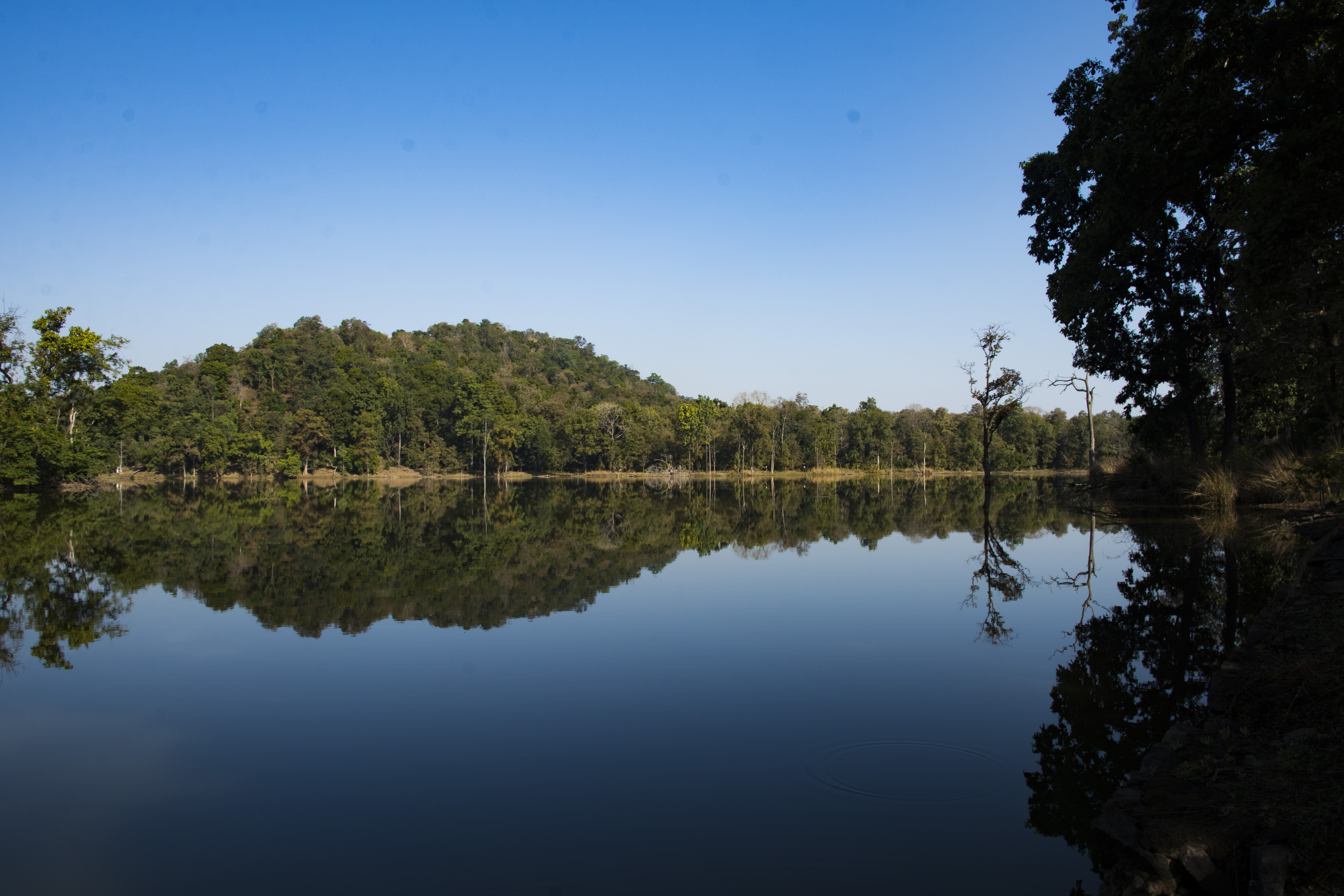 farmers collecting fodder forest edge
Conservation Challenges and Government Response
The state government has launched several initiatives, yet critics argue they are reactive rather than preventive:
- Compensation Scheme: A one‑time payment of ₹5 lakhs to families of victims, but the process is bureaucratic and delayed.
- Relief Camps: Distribution of dry fodder kits and water tankers, but the quantities are insufficient for the scale of need.
- Tiger Monitoring: Installation of camera traps and GPS collars on a few tigers, but coverage remains limited.
- Community Guard Programs: Training local youth as forest watch volunteers; however, funding and sustained engagement are lacking.
Environmental NGOs such as Wildlife Trust India call for a “Zero‑Conflict” framework that integrates real‑time animal movement data with farmer alert systems.
Voices from the Ground
- Ramesh Kulkarni, a neighboring farmer, says: "We have no choice. Our cattle die of thirst, and we must go into the forest. The tiger is just another danger we face daily."
- Dr. Anjali Deshmukh, a wildlife biologist at Savitribai Phule University, notes: "When water sources dry up, both predators and prey converge on the same limited resources, raising the odds of lethal encounters."
- Shri. Ajit Pawar, Deputy Chief Minister, in a press briefing, pledged: "We will accelerate the construction of micro‑dams and improve early‑warning systems for wildlife movements."
Lessons and Policy Gaps
| Issue | Current Gap | Recommended Action |
|---|---|---|
| Water Management | Over‑reliance on monsoon reservoirs | Promote rainwater harvesting, check dams, and drip irrigation at the village level |
| Livelihood Diversification | Heavy dependence on livestock | Introduce skill‑training for alternative income (e.g., agro‑processing, solar farming) |
| Conflict Monitoring | Sparse tiger tracking data | Deploy a state‑wide sensor network linking forest department, police, and farmer mobile apps |
| Compensation & Relief | Delayed payouts, inadequate amounts | Create an instant digital fund using Aadhaar‑linked wallets for rapid disbursement |
| Community Engagement | Limited participation in guard programs | Institutionalize Village Conservation Committees with elected representatives and budgetary autonomy |
Editorial Analysis & Future Outlook
The death of Ganesh Patil is more than an isolated tragedy; it is a symptom of a systemic crisis where climate‑induced drought, agrarian distress, and wildlife conservation collide. If unchecked, Maharashtra could witness a feedback loop: worsening drought pushes more humans into forest peripheries, increasing tiger attacks, which in turn fuels anti‑tiger sentiment and potential retaliatory killings.
Strategic foresight suggests three pivotal pathways:
- Integrated Water‑Land Planning – Align drought‑resilience projects with wildlife corridors to ensure that water points for livestock do not overlap with tiger routes.
- Technology‑Driven Early Warning – Leverage AI‑powered predictive models that combine satellite‑derived vegetation indices, tiger GPS data, and farmer movement logs to issue real‑time alerts via SMS and local radio.
- Participatory Conservation – Shift from top‑down enforcement to co‑management, granting forest‑adjacent communities legal rights over certain non‑forest resources in exchange for active monitoring.
In the next five years, the success of these interventions will determine whether Maharashtra can balance human survival with tiger preservation. The tragedy underscores an urgent need for policy makers, conservationists, and the farming community to move from reactive compensation to proactive resilience.
The story of a single farmer should not become a footnote in wildlife statistics; it must catalyze a holistic response that safeguards both lives and the iconic tiger that roams Maharashtra’s forests.
Original Reporting & Source: India Today Top Stories

Discussion (0)
Sign in to join the discussion.
No comments yet. Be the first to start the conversation!