Umang Sisodia • • 6 min read • 1 view
IndiGo Flight Returns to Bengaluru Over Hijack Threat Note: What Went Wrong and What It Means
Key Takeaways
- A handwritten note warning of a hijack was discovered in the aircraft lavatory, prompting an emergency return to Bengaluru.
- The crew followed standard threat‑assessment protocols, landing safely without any injuries.
- The incident sparked a wave of social‑media speculation, highlighting gaps in passenger‑screening and cabin‑crew communication.
- Experts say the episode will push Indian regulators to tighten in‑flight threat‑response guidelines.
The Incident Unfolds
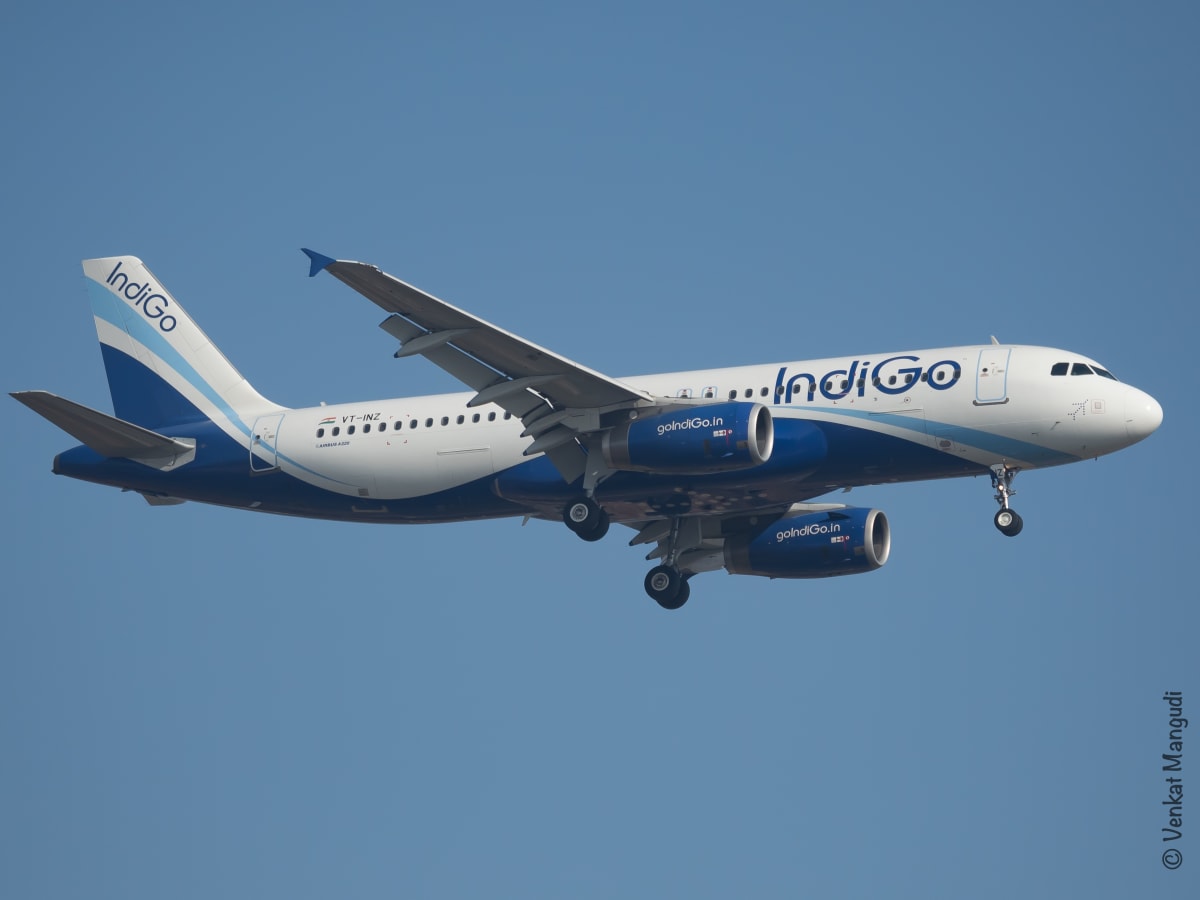
On April 26, 2024, IndiGo flight 6E‑456 bound for Lucknow from Bengaluru’s Kempegowda International Airport took off at approximately 08:45 IST. About 30 minutes into the flight, a flight attendant discovered a crumpled note tucked inside the toilet seat cover. The note read, “Ignore, see consequences – this plane will be hijacked.”
The crew immediately reported the finding to the pilot, who in turn alerted the airline’s operations control centre. Following the International Civil Aviation Organization (ICAO) Annex 17 threat‑assessment matrix, the pilot declared a “potential unlawful interference” and requested a return to the departure airport. The aircraft executed a low‑altitude circuit and landed safely at Kempegowda International Airport at 09:12 IST. No passengers were harmed, and the cabin remained calm throughout the maneuver.
"The safety of our passengers is paramount. We acted swiftly, coordinated with ATC, and ensured a controlled return," said Captain Rohan Sharma, the flight’s commander, in a post‑flight press briefing.
Immediate Response and Investigation
Upon touchdown, Bengaluru police, Airport Security, and a team from the National Investigation Agency (NIA) converged on the aircraft. The note was seized as evidence, and a preliminary forensic analysis was launched to determine its origin. Passengers were escorted to the terminal, where airline officials offered compensation and counseling.
The Director General of Civil Aviation (DGCA) announced that a special investigation team (SIT) would review the incident under Section 5 of the Aircraft Rules, 1937, which deals with unlawful interference. The SIT’s mandate includes:
- Verifying the authenticity of the note.
- Examining CCTV footage from the boarding gate and lavatory area.
- Interviewing crew members and passengers.
- Cross‑checking the passenger manifest for any red‑flag indicators.
How Protocols Were Activated
IndiGo’s internal Safety Management System (SMS) mandates a three‑step response to any suspected threat:
- Immediate containment – the crew isolates the area, informs the captain, and secures the cabin.
- Communication – the pilot contacts ATC and the airline’s operations centre, declaring a “Mayday/Distress” if needed.
- Return or diversion – based on fuel, distance, and airport capabilities, the aircraft either returns to the departure point or diverts to the nearest suitable airport.
In this case, the aircraft had sufficient fuel reserves, and Bengaluru offered the quickest safe landing option. The Air Traffic Control (ATC) cleared the aircraft for an emergency approach, providing priority runway access and standby emergency services.
Public Reaction & Media Storm
The incident quickly trended on Google Trends India, with search queries such as “indigo emergency landing kempegowda airport” spiking to over 100 k searches within hours. Social media platforms were awash with speculation:
- Some users accused the note of being a prank, citing past incidents where false threats were used to cause disruption.
- Others demanded stricter security checks, fearing that a note could be smuggled past the Security Screening of Passengers (SSP) process.
- A handful of conspiracy‑theorists linked the event to political unrest in Uttar Pradesh, where the flight was headed.
Major outlets—NDTV, The Times of India, and The Hindu—provided factual coverage, emphasizing that the aircraft landed safely and that no hijacking attempt materialized. The airline’s official statement stressed that the note was “isolated, non‑credible, and handled according to protocol.”
Aviation Safety Context in India
India’s civil aviation sector has witnessed a steady rise in passenger traffic, crossing 700 million annual en‑planements in 2023. With this growth, the DGCA has been modernising its threat‑assessment framework, aligning more closely with ICAO’s Annex 17 standards.
Historically, India has recorded few hijacking attempts since the early 2000s, with the last major incident occurring in 2016 (a low‑profile plot thwarted at Delhi). However, cabin‑crew‑initiated alerts—such as suspicious packages, unattended luggage, or written threats—have risen by ≈12 % year‑on‑year, according to a 2023 DGCA safety bulletin.
The Bengaluru incident underscores two critical gaps:
- Lavatory security – while passengers are screened at security checkpoints, items placed inside aircraft lavatories after boarding evade standard X‑ray scans.
- Real‑time threat verification – the crew relied on visual assessment; there is no onboard system to instantly authenticate a handwritten threat.
Potential Policy Shifts
In the wake of the incident, aviation analysts predict several policy adjustments:
- Enhanced cabin‑crew training on threat validation, possibly integrating AI‑assisted language analysis to flag high‑risk phrases.
- Random lavatory inspections during flight, especially on high‑traffic domestic routes.
- Upgraded passenger‑screening technologies, such as explosive trace detection (ETD) devices at boarding gates.
- Mandated reporting of all in‑flight threats to the DGCA within 24 hours, improving data collection for trend analysis.
Editorial Analysis & Future Outlook
The “toilet note” episode may appear anecdotal, but it is emblematic of a broader security challenge: low‑tech threats that exploit procedural blind spots. While the aircraft landed safely, the incident erodes passenger confidence and places additional pressure on airlines to balance operational efficiency with heightened vigilance.
If regulators adopt the suggested measures—particularly AI‑driven threat assessment and stricter cabin checks—the industry could set a new benchmark for proactive safety in the sub‑continent. However, over‑instrumentation risks crew fatigue and passenger inconvenience, which could backfire if not managed sensitively.
In the long term, the incident is likely to accelerate collaborative frameworks between airlines, airport authorities, and intelligence agencies. A more robust data‑sharing ecosystem could enable early detection of patterns, such as recurring language in threat notes or repeat offenders.
For IndiGo, the episode serves as a reminder that brand reputation hinges on transparent crisis handling. By openly communicating the steps taken, the carrier can turn a potentially damaging event into a trust‑building narrative.
As Indian air travel continues its upward trajectory, the industry’s ability to adapt to unconventional threats will define its safety record and, ultimately, its global competitiveness.
Original Reporting & Source: Google Trends (India)

Discussion (0)
Sign in to join the discussion.
No comments yet. Be the first to start the conversation!