Umang Sisodia • • 6 min read • 2 views
Chennai Open Final Postponed on Diwali Amid Toxic Smog and Torrential Rain: Implications for Indian Sports
Key Takeaways
- The Chennai Open final, slated for Diwali, was postponed due to hazardous air quality and unexpected heavy rain.
- Poor visibility and health concerns forced organizers, players, and broadcasters to rethink scheduling for future Indian sporting events.
- The incident highlights systemic gaps in contingency planning, climate resilience, and public health coordination for marquee tournaments.
- Long‑term, the postponement could accelerate reforms in event‑day environmental monitoring and push Indian tennis toward more sustainable venues.
Background: The Chennai Open and Its Diwali Connection
The Chennai Open, India's premier ATP 250 event, has traditionally been a showcase of emerging talent and a springboard for Indian tennis aspirants. Since its inception in 1996, the tournament has grown from a modest exhibition to a globally televised fixture, attracting top‑ranked players and a fervent local fanbase.
A Festival‑Season Finale
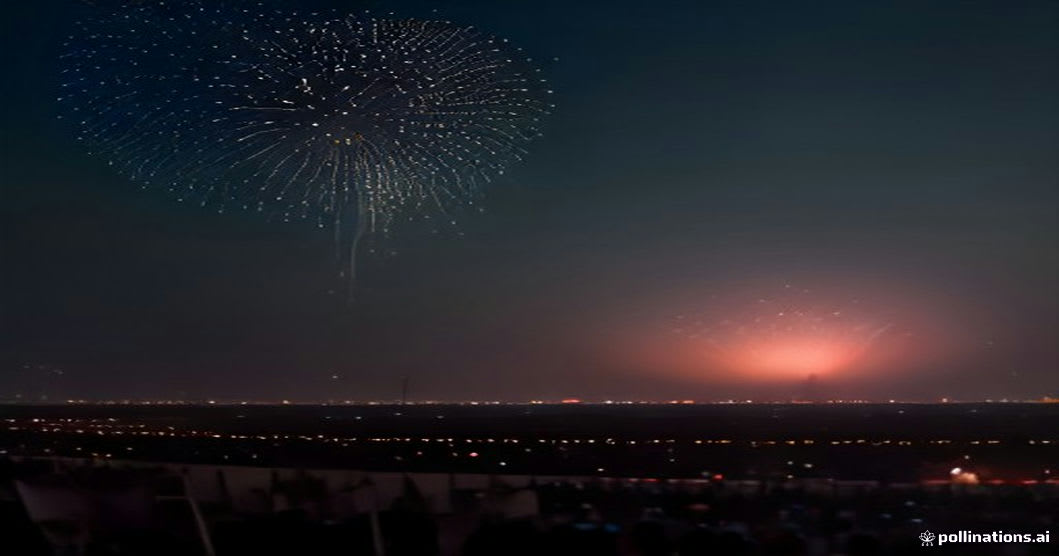
In a strategic move to capture the festive spirit, the 2024 edition scheduled its championship match on Diwali, the Hindu festival of lights. The decision was marketed as a "celebration of sport and culture," promising a night‑time final illuminated by fireworks, live music, and a sea of glittering diyas across the stadium. This synergy between sport and tradition was expected to boost viewership, sponsorship revenue, and tourism.
The Weather and Air‑Quality Crisis
A Toxic Turn
Two days before the final, Chennai’s air‑quality index (AQI) spiked to 210, categorised as very unhealthy by the National Air Quality Monitoring Programme. The city, already grappling with post‑monsoon dust and vehicular emissions, experienced a sudden inversion layer that trapped pollutants close to the ground. Residents reported coughing, eye irritation, and difficulty breathing – a scenario far from ideal for athletes performing at peak intensity.
Unseasonal Downpour
Compounding the smog was an unseasonal downpour triggered by a low‑pressure system moving down the Bay of Bengal. Meteorological data from the Indian Meteorological Department (IMD) recorded 80 mm of rain within a three‑hour window on the evening of the scheduled final. The combination of waterlogged courts and reduced visibility rendered the playing surface unsafe.
Immediate Impact on Stakeholders
Players and Coaching Teams
Top‑seeded Lorenzo Sonego and local favourite Ramkumar Ramanathan were forced to adjust training routines, with coaches emphasizing respiratory recovery and mental resilience. Both players expressed disappointment on social media, noting that "health always comes first, but the timing feels heartbreaking for fans and families".
Fans and Ticket Holders
Approximately 12,000 ticket holders were notified of the postponement via SMS and the tournament’s app. While refunds were promised, many fans had already traveled from neighboring states, incurring additional costs. Local businesses—restaurants, hotels, and transport services—braced for a sudden dip in Diwali‑season revenue.
Broadcasters and Sponsors
The broadcasting partner, Sony Sports Network, had allocated a prime‑time slot worth ₹45 crore for the final. Advertisers, including Vivo and Coca‑Cola, faced a scramble to re‑slot commercials, potentially affecting campaign metrics tied to the Diwali shopping surge. The tournament’s title sponsor, Muthoot Finance, issued a statement emphasizing its commitment to player safety and community health.
Response from Authorities and Organizers
The Tamil Nadu Pollution Control Board (TNPCB) issued an advisory urging outdoor events to be postponed when AQI exceeds 150. Simultaneously, the Chennai Municipal Corporation activated emergency water‑pumping units to mitigate flooding on the stadium’s periphery.
Tournament director Arun Kumar held a press conference, announcing that the final would be rescheduled to the following Monday, with a contingency plan to shift the match to an indoor venue if conditions failed to improve. The decision was lauded by health experts but criticized by some purists who felt the Diwali magic was irrevocably lost.
Broader Implications for Indian Sports Events
Climate Resilience Gaps
India’s sporting calendar increasingly intersects with climate volatility. The Chennai Open incident underscores the need for real‑time environmental monitoring and dynamic scheduling algorithms that can pre‑emptively adjust fixtures based on AQI forecasts and weather models.
Policy Recommendations
- Mandatory Air‑Quality Thresholds – Sports federations should embed AQI limits into their operational manuals, similar to heat‑stroke protocols.
- Hybrid Venue Infrastructure – Investing in convertible indoor‑outdoor stadiums can provide flexibility without compromising spectator experience.
- Stakeholder Communication Framework – A unified digital platform for instant alerts to fans, sponsors, and media can minimise economic fallout.
Economic Ripple Effects
The postponement is projected to shave ₹2‑3 crore off the tournament’s projected earnings, factoring in lost ticket sales, hospitality spend, and advertising slots. However, the swift response and transparent communication may preserve brand equity for the organizers and sponsors in the long run.
Editorial Analysis & Future Outlook
The Chennai Open’s Diwali postponement is more than a one‑off scheduling hiccup; it is a bellwether for how Indian mega‑events will navigate the twin challenges of air‑quality degradation and climate‑induced weather extremes. Historically, Indian sports administration has operated under the assumption of predictable weather patterns, especially during the post‑monsoon winter window. This incident forces a paradigm shift.
Long‑Term Impact on Tennis
If the ATP and local organizers adopt stricter environmental safeguards, we may see a re‑allocation of Indian tournaments to cities with better air‑quality indices or the development of climate‑controlled venues in existing hubs. Players, increasingly vocal about health, might demand contractual clauses that guarantee safe playing conditions, echoing recent pushes in the cricketing world for flood‑light standards.
Societal Resonance
Diwali, a festival synonymous with joy and community, being marred by smog and rain, amplifies public discourse on urban pollution. The visual of a half‑empty stadium under a grey sky will likely become a symbolic reference point in future environmental campaigns, reinforcing the urgency for cleaner air policies.
Strategic Outlook for Organizers
Going forward, tournament directors should embed AI‑driven predictive analytics that ingest AQI, humidity, and precipitation data to generate contingency scenarios. Partnerships with meteorological institutes and public‑health agencies can create a robust decision‑making matrix, ensuring that the spectacle of sport does not come at the cost of health.
In conclusion, while the immediate disappointment of a postponed final is palpable, the episode offers a crucible for innovation. By turning this challenge into a catalyst for systemic reform, Indian sports can emerge more resilient, sustainable, and globally competitive.
Original Reporting & Source: India Today Top Stories

Discussion (0)
Sign in to join the discussion.
No comments yet. Be the first to start the conversation!