Umang Sisodia • • 6 min read • 2 views

Deadly Train Collision in Giza: Egypt’s Railway Crisis Exposed
Listen to Article
Select a voice and press play
Deadly Train Collision in Giza: Egypt’s Railway Crisis Exposed

Key Takeaways

  • A head‑on collision between two passenger trains in Giza Province killed at least seven people and injured dozens more.
  • The accident has reignited long‑standing concerns over outdated infrastructure, lax safety protocols, and under‑investment in Egypt’s rail network.
  • Government officials pledged swift investigations and compensation, but public trust remains fragile amid repeated railway mishaps.
  • Experts warn that without systemic reforms, similar tragedies could become a grim regularity on Egypt’s tracks.

The Tragic Incident: What Happened?

On the early morning of October 5, 2024, two commuter trains—one heading north from Cairo to Al‑Ayyat and the other southbound from Giza to Cairo—collided near the Giza railway yard. Preliminary reports indicate a signaling failure combined with human error caused one train to enter an occupied track at high speed. The impact was catastrophic: the leading carriages crumpled, windows shattered, and the metal bodies ripped apart, trapping passengers inside.

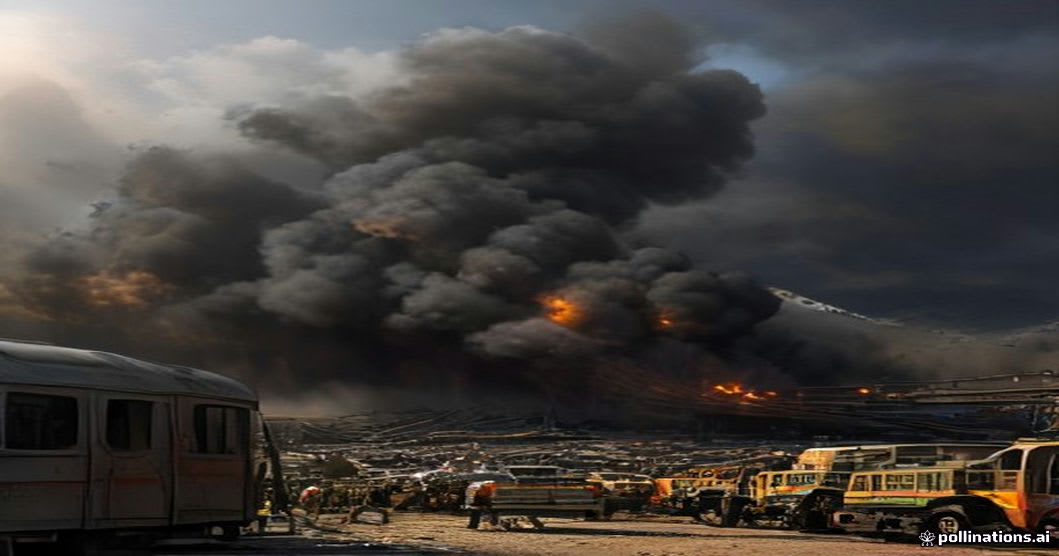
Eyewitnesses described a scene of chaos: smoke billowed from the mangled locomotives, while frantic bystanders attempted to pull victims from twisted steel. Emergency services arrived within minutes, but the sheer scale of the wreckage delayed rescue operations. By the evening, the Ministry of Health confirmed seven fatalities—including two railway workers—and over 80 injuries, ranging from minor cuts to severe crush injuries.

Immediate Response and Casualties

The Egyptian Red Crescent, along with local hospitals, mobilized dozens of medical teams to the site. Field triage tents were set up near the wreckage, where paramedics performed life‑saving procedures before transporting the critically injured to nearby hospitals in Giza and Cairo. The government dispatched a special investigative committee headed by the Minister of Transport, promising a transparent inquiry.

Family members of the victims gathered at the Ministry’s press hall, demanding swift justice and compensation. The Health Ministry released a statement expressing deep sorrow, promising that all victims would receive full medical coverage and that families of the deceased would be granted financial aid as per national regulations.

Why This Story Is Trending

The collision quickly dominated Google Trends across the Middle East and North Africa, eclipsing even major political headlines. Several factors contributed to its virality:

  • Human tragedy: Images of the wreckage and distressed survivors spread rapidly on social media platforms like Twitter, Instagram, and TikTok.
  • Historical pattern: Egypt’s rail network has a notorious record of accidents—most notably the 2002 Al‑Ayoun crash and the 2019 Beni‑Suef derailment—fueling public anxiety.
  • Political context: The incident unfolded just weeks before the 2024 parliamentary elections, prompting opposition parties to criticize the ruling coalition’s neglect of public safety.
  • International coverage: Outlets such as The Guardian, BBC, Al Jazeera, and NDTV amplified the story, ensuring a global audience.

Historical Context of Railway Safety in Egypt

Egypt’s railway system, inaugurated in 1854, is one of the oldest in the world. While it once symbolised modernization, decades of under‑funding, aging rolling stock, and outdated signaling technology have eroded its safety standards.

  • Aging fleet: Over 70% of locomotives are older than 30 years, often operating beyond their design life.
  • Signal failures: Many sections still rely on manual or semi‑automatic signals, increasing the risk of human error.
  • Maintenance gaps: Budget constraints have led to postponed track inspections and delayed repairs, especially in high‑traffic corridors around Cairo.

These systemic flaws have manifested in repeated accidents, each eroding public confidence. The Giza collision is therefore not an isolated mishap but a symptom of a broader infrastructural malaise.

Government and Policy Reactions

In the wake of the crash, President Abdel Fattah el‑Sisi addressed the nation, expressing condolences and ordering an immediate audit of the national rail network. The Ministry of Transport announced:

  1. A temporary suspension of night‑time commuter services on the affected line until safety checks are completed.
  2. An accelerated procurement plan for modern signaling equipment, aiming to replace legacy systems within 18 months.
  3. A public‑private partnership (PPP) framework to attract foreign investment for rail modernization, citing successful models from Saudi Arabia and the United Arab Emirates.

Opposition leaders, however, accused the administration of “reactive band‑aid”, demanding a comprehensive overhaul rather than piecemeal fixes. Labor unions representing railway workers staged a brief strike, calling for better training, safer working conditions, and hazard pay.

Public Sentiment and Media Coverage

Social media erupted with hashtags such as #GizaTrainCrash and #RailSafetyEgypt, trending for several days. Citizens shared personal stories of near‑misses on the railways, amplifying calls for accountability. Influential Egyptian journalists produced long‑form video analyses, highlighting how budget reallocations to mega‑projects like the New Administrative Capital have siphoned funds away from rail maintenance.

Internationally, the incident sparked discussions about global railway safety standards. The International Union of Railways (UIC) issued a statement urging Egypt to adopt European Train Control System (ETCS) Level 2 protocols, emphasizing that technology alone cannot replace rigorous operational discipline.

Comparative International Perspective

When juxtaposed with railway safety records in neighboring countries, Egypt’s performance is starkly poor. For instance:

  • Turkey has reduced its railway fatality rate by 45% over the past decade through systematic upgrades and digital signaling.
  • Saudi Arabia’s recent Riyadh Metro project incorporated state‑of‑the‑art safety monitoring, resulting in zero major incidents since its launch.

These examples illustrate that political will, coupled with targeted investment, can dramatically improve safety outcomes—a lesson Egypt cannot afford to ignore.

Lessons Learned and the Path Forward

The Giza collision underscores several critical lessons:

  • Modernization is non‑negotiable: Outdated signaling and aging rolling stock must be replaced urgently.
  • Transparency builds trust: Independent investigations, publicly released findings, and clear timelines for remedial actions are essential.
  • Holistic safety culture: Training, maintenance, and emergency preparedness must be institutionalized, not treated as after‑thoughts.
  • Stakeholder engagement: Involving labor unions, passenger groups, and civil society in policy formulation can ensure reforms are grounded in on‑the‑ground realities.

Failure to act decisively could precipitate another tragedy, further destabilizing public confidence and potentially impacting Egypt’s broader economic ambitions, especially its tourism sector, which relies heavily on safe and reliable transport.

Editorial Analysis & Future Outlook

The Giza train collision is a watershed moment for Egypt’s transportation policy. While the immediate response—emergency aid, promises of audits, and pledges for new signaling—offers a veneer of action, the deeper issue lies in systemic neglect that has persisted for decades.

If the government follows through with its announced PPP rail modernization plan, leveraging foreign expertise and capital, Egypt could leapfrog to a next‑generation railway network within the next five years. Such a transformation would not only curtail fatalities but also boost economic productivity by reducing travel times and freight bottlenecks.

Conversely, half‑hearted measures risk entrenching a cycle of accidents, eroding public trust, and inviting international scrutiny. The upcoming parliamentary elections will likely see railway safety become a pivotal campaign issue, pressuring parties to articulate concrete, fundable strategies.

In the long term, Egypt’s ability to integrate digital signaling, enforce rigorous maintenance regimes, and cultivate a safety‑first culture will determine whether its railways become a conduit for progress or a recurring source of tragedy. The Giza disaster, while heartbreaking, may serve as the catalyst needed to finally prioritize the lives of millions who depend daily on these tracks.


Original Reporting & Source: The Guardian

Discussion (0)

Sign in to join the discussion.

No comments yet. Be the first to start the conversation!

| |

Deadly Train Collision in Giza: Egypt’s Railway Crisis Exposed

By Umang Sisodia • 6 min read • 2 views

Key Takeaways

  • A head‑on collision between two passenger trains in Giza Province killed at least seven people and injured dozens more.
  • The accident has reignited long‑standing concerns over outdated infrastructure, lax safety protocols, and under‑investment in Egypt’s rail network.
  • Government officials pledged swift investigations and compensation, but public trust remains fragile amid repeated railway mishaps.
  • Experts warn that without systemic reforms, similar tragedies could become a grim regularity on Egypt’s tracks.

The Tragic Incident: What Happened?

On the early morning of October 5, 2024, two commuter trains—one heading north from Cairo to Al‑Ayyat and the other southbound from Giza to Cairo—collided near the Giza railway yard. Preliminary reports indicate a signaling failure combined with human error caused one train to enter an occupied track at high speed. The impact was catastrophic: the leading carriages crumpled, windows shattered, and the metal bodies ripped apart, trapping passengers inside.

Eyewitnesses described a scene of chaos: smoke billowed from the mangled locomotives, while frantic bystanders attempted to pull victims from twisted steel. Emergency services arrived within minutes, but the sheer scale of the wreckage delayed rescue operations. By the evening, the Ministry of Health confirmed seven fatalities—including two railway workers—and over 80 injuries, ranging from minor cuts to severe crush injuries.

Immediate Response and Casualties

The Egyptian Red Crescent, along with local hospitals, mobilized dozens of medical teams to the site. Field triage tents were set up near the wreckage, where paramedics performed life‑saving procedures before transporting the critically injured to nearby hospitals in Giza and Cairo. The government dispatched a special investigative committee headed by the Minister of Transport, promising a transparent inquiry.

Family members of the victims gathered at the Ministry’s press hall, demanding swift justice and compensation. The Health Ministry released a statement expressing deep sorrow, promising that all victims would receive full medical coverage and that families of the deceased would be granted financial aid as per national regulations.

Why This Story Is Trending

The collision quickly dominated Google Trends across the Middle East and North Africa, eclipsing even major political headlines. Several factors contributed to its virality:

  • Human tragedy: Images of the wreckage and distressed survivors spread rapidly on social media platforms like Twitter, Instagram, and TikTok.
  • Historical pattern: Egypt’s rail network has a notorious record of accidents—most notably the 2002 Al‑Ayoun crash and the 2019 Beni‑Suef derailment—fueling public anxiety.
  • Political context: The incident unfolded just weeks before the 2024 parliamentary elections, prompting opposition parties to criticize the ruling coalition’s neglect of public safety.
  • International coverage: Outlets such as The Guardian, BBC, Al Jazeera, and NDTV amplified the story, ensuring a global audience.

Historical Context of Railway Safety in Egypt

Egypt’s railway system, inaugurated in 1854, is one of the oldest in the world. While it once symbolised modernization, decades of under‑funding, aging rolling stock, and outdated signaling technology have eroded its safety standards.

  • Aging fleet: Over 70% of locomotives are older than 30 years, often operating beyond their design life.
  • Signal failures: Many sections still rely on manual or semi‑automatic signals, increasing the risk of human error.
  • Maintenance gaps: Budget constraints have led to postponed track inspections and delayed repairs, especially in high‑traffic corridors around Cairo.

These systemic flaws have manifested in repeated accidents, each eroding public confidence. The Giza collision is therefore not an isolated mishap but a symptom of a broader infrastructural malaise.

Government and Policy Reactions

In the wake of the crash, President Abdel Fattah el‑Sisi addressed the nation, expressing condolences and ordering an immediate audit of the national rail network. The Ministry of Transport announced:

  1. A temporary suspension of night‑time commuter services on the affected line until safety checks are completed.
  2. An accelerated procurement plan for modern signaling equipment, aiming to replace legacy systems within 18 months.
  3. A public‑private partnership (PPP) framework to attract foreign investment for rail modernization, citing successful models from Saudi Arabia and the United Arab Emirates.

Opposition leaders, however, accused the administration of “reactive band‑aid”, demanding a comprehensive overhaul rather than piecemeal fixes. Labor unions representing railway workers staged a brief strike, calling for better training, safer working conditions, and hazard pay.

Public Sentiment and Media Coverage

Social media erupted with hashtags such as #GizaTrainCrash and #RailSafetyEgypt, trending for several days. Citizens shared personal stories of near‑misses on the railways, amplifying calls for accountability. Influential Egyptian journalists produced long‑form video analyses, highlighting how budget reallocations to mega‑projects like the New Administrative Capital have siphoned funds away from rail maintenance.

Internationally, the incident sparked discussions about global railway safety standards. The International Union of Railways (UIC) issued a statement urging Egypt to adopt European Train Control System (ETCS) Level 2 protocols, emphasizing that technology alone cannot replace rigorous operational discipline.

Comparative International Perspective

When juxtaposed with railway safety records in neighboring countries, Egypt’s performance is starkly poor. For instance:

  • Turkey has reduced its railway fatality rate by 45% over the past decade through systematic upgrades and digital signaling.
  • Saudi Arabia’s recent Riyadh Metro project incorporated state‑of‑the‑art safety monitoring, resulting in zero major incidents since its launch.

These examples illustrate that political will, coupled with targeted investment, can dramatically improve safety outcomes—a lesson Egypt cannot afford to ignore.

Lessons Learned and the Path Forward

The Giza collision underscores several critical lessons:

  • Modernization is non‑negotiable: Outdated signaling and aging rolling stock must be replaced urgently.
  • Transparency builds trust: Independent investigations, publicly released findings, and clear timelines for remedial actions are essential.
  • Holistic safety culture: Training, maintenance, and emergency preparedness must be institutionalized, not treated as after‑thoughts.
  • Stakeholder engagement: Involving labor unions, passenger groups, and civil society in policy formulation can ensure reforms are grounded in on‑the‑ground realities.

Failure to act decisively could precipitate another tragedy, further destabilizing public confidence and potentially impacting Egypt’s broader economic ambitions, especially its tourism sector, which relies heavily on safe and reliable transport.

Editorial Analysis & Future Outlook

The Giza train collision is a watershed moment for Egypt’s transportation policy. While the immediate response—emergency aid, promises of audits, and pledges for new signaling—offers a veneer of action, the deeper issue lies in systemic neglect that has persisted for decades.

If the government follows through with its announced PPP rail modernization plan, leveraging foreign expertise and capital, Egypt could leapfrog to a next‑generation railway network within the next five years. Such a transformation would not only curtail fatalities but also boost economic productivity by reducing travel times and freight bottlenecks.

Conversely, half‑hearted measures risk entrenching a cycle of accidents, eroding public trust, and inviting international scrutiny. The upcoming parliamentary elections will likely see railway safety become a pivotal campaign issue, pressuring parties to articulate concrete, fundable strategies.

In the long term, Egypt’s ability to integrate digital signaling, enforce rigorous maintenance regimes, and cultivate a safety‑first culture will determine whether its railways become a conduit for progress or a recurring source of tragedy. The Giza disaster, while heartbreaking, may serve as the catalyst needed to finally prioritize the lives of millions who depend daily on these tracks.


Original Reporting & Source: The Guardian