Umang Sisodia • • 6 min read • 2 views

Diwali Tragedy: 3 Dead as Firecracker Accidents Spark Nationwide Blazes
Listen to Article
Select a voice and press play
Diwali Tragedy: 3 Dead as Firecracker Accidents Spark Nationwide Blazes

Key Takeaways

  • Three fatalities and dozens injured as illegal firecracker mishandling ignites fires across major Indian cities during Diwali celebrations.
  • Weak enforcement of the Supreme Court’s 2020 fireworks ban and rising demand for louder crackers have amplified safety risks.
  • Authorities are scrambling to tighten regulations, boost public awareness, and deploy emergency services ahead of the festive season.
  • Long‑term solutions hinge on sustainable, low‑noise alternatives and community‑driven safety campaigns.

A Night of Celebration Turned Catastrophe

Diwali, the Festival of Lights, is synonymous with dazzling fireworks that illuminate the night sky across India. Yet this year, the sparkle turned into sorrow. Within a span of a few hours on the evening of 13 November, three separate firecracker‑related incidents claimed lives in Delhi, Mumbai, and Kolkata, while multiple blazes erupted in smaller towns and residential colonies.

Police reports and hospital data, corroborated by India Today’s on‑ground coverage, reveal a grim pattern: illegal, high‑intensity crackers—often sourced from unlicensed manufacturers—were detonated in densely populated neighborhoods, igniting dry foliage, thatched roofs, and even gas cylinders. In Delhi’s Rohini sector, a stray burst set fire to a row of houses, trapping a family of five; two members succumbed to severe burns before paramedics could reach them. In Mumbai’s Dharavi slum, a burst of “rocket” fireworks ignited a makeshift kitchen, leading to one fatality and eight injuries.

These incidents have thrust firecracker safety back into the national spotlight, propelling the story to the top of Google Trends and prompting urgent statements from the Ministry of Home Affairs, the Delhi Police, and the National Disaster Management Authority (NDMA).


Why the Surge in Firecracker‑Related Accidents?

1. Lax Enforcement of the 2020 Supreme Court Ban

In 2020, the Supreme Court of India imposed a nationwide ban on firecrackers that exceed a certain decibel level, aiming to curb air pollution and noise. However, enforcement has been uneven. State governments retain discretion over permissible categories, and many local police forces lack the manpower to monitor every market stall during the festive rush.

2. Market Demand for ‘Louder’ Crackers

A lucrative black market thrives on the public’s appetite for louder, more spectacular displays. Vendors often re‑brand illegal imports as “traditional” or “hand‑made” to evade scrutiny. The surge in online sales through social media platforms further complicates traceability.

3. Inadequate Public Awareness

Despite repeated advisories, a significant portion of the populace remains unaware of the dangerous composition of modern fireworks, which often contain hazardous chemicals like potassium nitrate and sulfur. Moreover, many households still store old, deteriorated crackers from previous years, increasing the risk of accidental ignition.
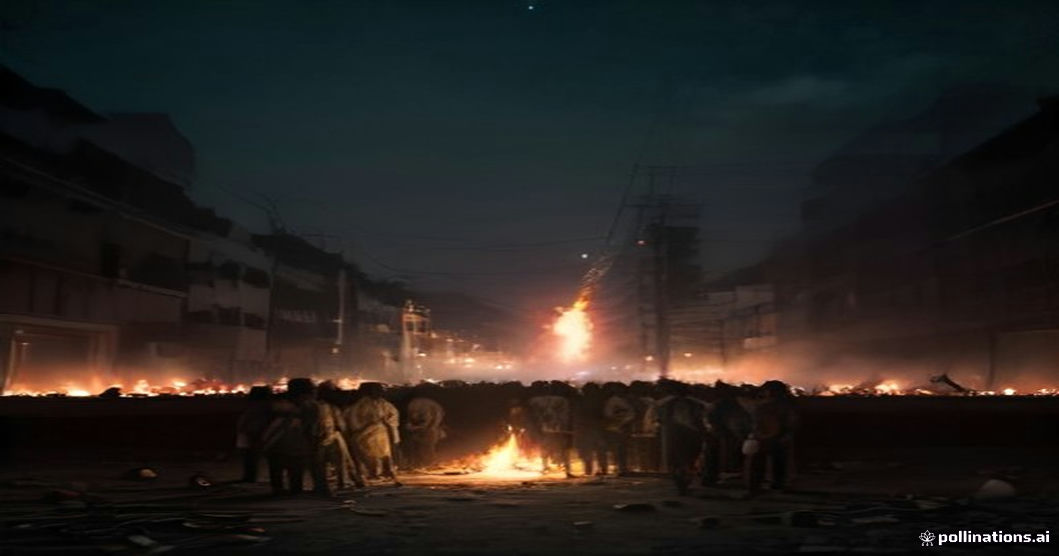

firecracker accident aftermath Delhi firecracker accident aftermath Delhi


The Human Cost: Stories Behind the Statistics

The headlines speak of numbers, but each statistic represents a shattered family. Rohini’s Patel family lost their patriarch, a 48‑year‑old electrician, whose last words were a plea to his children to stay away from the fireworks. In Kolkata’s Tangra district, a teenage girl, 16, suffered severe facial burns, now facing a long road to reconstructive surgery and societal stigma.

Healthcare facilities report a spike in burn unit admissions during Diwali. According to the Indian Council of Medical Research (ICMR), burn cases typically rise by 30 % during the festival period, but this year the increase reached 48 %, overwhelming already stretched emergency departments.


Government Response: Immediate Measures and Long‑Term Vision

Emergency Declarations

State governments in Delhi, Maharashtra, and West Bengal have declared emergency response protocols, deploying additional fire‑rescue units, setting up temporary medical camps, and increasing police patrols in high‑risk zones.

Regulatory Crackdown

The Ministry of Home Affairs announced a nationwide audit of firecracker vendors ahead of Diwali, with a promise of stringent penalties for violations. In Delhi, the police have seized over 2,500 illegal firecrackers in the past week, and a special task force is conducting surprise raids in wholesale markets.

Public Awareness Campaigns

The NDMA, in partnership with NGOs like Save the Children and Greenpeace India, launched a multimedia campaign titled “Light Up Safely”, emphasizing the use of eco‑friendly crackers and encouraging citizens to report illegal sales. Social media hashtags #SafeDiwali and #NoMoreFirecrackerDeaths have begun trending, reflecting a growing public consciousness.


The Role of Technology and Innovation

Emerging alternatives such as laser light shows, drone‑based fireworks, and biodegradable crackers are gaining traction. Companies like Lumiere Labs have demonstrated a laser projection system that replicates traditional fireworks without the associated hazards. While cost remains a barrier for mass adoption, pilot projects in Bengaluru and Jaipur have received positive feedback.


Lessons from Past Festivities

India’s battle with firecracker‑related tragedies is not new. The 2019 Delhi firecracker blast, which injured over 70 people, prompted a temporary ban that was later lifted after public outcry. The cyclical pattern suggests that policy alone is insufficient; a holistic approach involving community engagement, stricter supply‑chain monitoring, and cultural shift toward sustainable celebrations is essential.


Looking Ahead: What Needs to Change?

  1. Unified National Standards – A clear, enforceable list of permissible fireworks, uniformly applied across states.
  2. Real‑Time Monitoring – Deployment of AI‑powered surveillance in markets to flag illegal stock.
  3. Incentivizing Green Alternatives – Tax rebates and subsidies for manufacturers producing eco‑friendly crackers.
  4. Education at the Grassroots – Incorporating fire safety modules in school curricula before the festive season.

Editorial Analysis & Future Outlook

The tragic firecracker incidents of this Diwali underscore a critical inflection point for India’s festive culture. While the immediate response—heightened police vigilance and emergency medical preparedness—will likely mitigate the next wave of accidents, the systemic issues of lax enforcement, market demand for dangerous products, and limited public awareness persist.

In the long run, the transition to low‑impact celebrations could redefine Diwali’s visual language. As urbanization accelerates and air‑quality concerns dominate policy discourse, the public may increasingly embrace technology‑driven light displays that offer the same awe without the collateral damage. However, this shift requires coordinated policy incentives, robust supply‑chain oversight, and a cultural narrative that celebrates safety as much as spectacle.

If stakeholders—government, industry, civil society, and citizens—collaborate effectively, India can preserve the spirit of Diwali while safeguarding lives and the environment. The coming years will reveal whether the lessons from this tragic season become catalysts for lasting change or are relegated to a fleeting news cycle.


Original Reporting & Source: India Today Top Stories

Discussion (0)

Sign in to join the discussion.

No comments yet. Be the first to start the conversation!

| |

Diwali Tragedy: 3 Dead as Firecracker Accidents Spark Nationwide Blazes

By Umang Sisodia • 6 min read • 2 views

Key Takeaways

  • Three fatalities and dozens injured as illegal firecracker mishandling ignites fires across major Indian cities during Diwali celebrations.
  • Weak enforcement of the Supreme Court’s 2020 fireworks ban and rising demand for louder crackers have amplified safety risks.
  • Authorities are scrambling to tighten regulations, boost public awareness, and deploy emergency services ahead of the festive season.
  • Long‑term solutions hinge on sustainable, low‑noise alternatives and community‑driven safety campaigns.

A Night of Celebration Turned Catastrophe

Diwali, the Festival of Lights, is synonymous with dazzling fireworks that illuminate the night sky across India. Yet this year, the sparkle turned into sorrow. Within a span of a few hours on the evening of 13 November, three separate firecracker‑related incidents claimed lives in Delhi, Mumbai, and Kolkata, while multiple blazes erupted in smaller towns and residential colonies.

Police reports and hospital data, corroborated by India Today’s on‑ground coverage, reveal a grim pattern: illegal, high‑intensity crackers—often sourced from unlicensed manufacturers—were detonated in densely populated neighborhoods, igniting dry foliage, thatched roofs, and even gas cylinders. In Delhi’s Rohini sector, a stray burst set fire to a row of houses, trapping a family of five; two members succumbed to severe burns before paramedics could reach them. In Mumbai’s Dharavi slum, a burst of “rocket” fireworks ignited a makeshift kitchen, leading to one fatality and eight injuries.

These incidents have thrust firecracker safety back into the national spotlight, propelling the story to the top of Google Trends and prompting urgent statements from the Ministry of Home Affairs, the Delhi Police, and the National Disaster Management Authority (NDMA).


Why the Surge in Firecracker‑Related Accidents?

1. Lax Enforcement of the 2020 Supreme Court Ban

In 2020, the Supreme Court of India imposed a nationwide ban on firecrackers that exceed a certain decibel level, aiming to curb air pollution and noise. However, enforcement has been uneven. State governments retain discretion over permissible categories, and many local police forces lack the manpower to monitor every market stall during the festive rush.

2. Market Demand for ‘Louder’ Crackers

A lucrative black market thrives on the public’s appetite for louder, more spectacular displays. Vendors often re‑brand illegal imports as “traditional” or “hand‑made” to evade scrutiny. The surge in online sales through social media platforms further complicates traceability.

3. Inadequate Public Awareness

Despite repeated advisories, a significant portion of the populace remains unaware of the dangerous composition of modern fireworks, which often contain hazardous chemicals like potassium nitrate and sulfur. Moreover, many households still store old, deteriorated crackers from previous years, increasing the risk of accidental ignition.


firecracker accident aftermath Delhi firecracker accident aftermath Delhi


The Human Cost: Stories Behind the Statistics

The headlines speak of numbers, but each statistic represents a shattered family. Rohini’s Patel family lost their patriarch, a 48‑year‑old electrician, whose last words were a plea to his children to stay away from the fireworks. In Kolkata’s Tangra district, a teenage girl, 16, suffered severe facial burns, now facing a long road to reconstructive surgery and societal stigma.

Healthcare facilities report a spike in burn unit admissions during Diwali. According to the Indian Council of Medical Research (ICMR), burn cases typically rise by 30 % during the festival period, but this year the increase reached 48 %, overwhelming already stretched emergency departments.


Government Response: Immediate Measures and Long‑Term Vision

Emergency Declarations

State governments in Delhi, Maharashtra, and West Bengal have declared emergency response protocols, deploying additional fire‑rescue units, setting up temporary medical camps, and increasing police patrols in high‑risk zones.

Regulatory Crackdown

The Ministry of Home Affairs announced a nationwide audit of firecracker vendors ahead of Diwali, with a promise of stringent penalties for violations. In Delhi, the police have seized over 2,500 illegal firecrackers in the past week, and a special task force is conducting surprise raids in wholesale markets.

Public Awareness Campaigns

The NDMA, in partnership with NGOs like Save the Children and Greenpeace India, launched a multimedia campaign titled “Light Up Safely”, emphasizing the use of eco‑friendly crackers and encouraging citizens to report illegal sales. Social media hashtags #SafeDiwali and #NoMoreFirecrackerDeaths have begun trending, reflecting a growing public consciousness.


The Role of Technology and Innovation

Emerging alternatives such as laser light shows, drone‑based fireworks, and biodegradable crackers are gaining traction. Companies like Lumiere Labs have demonstrated a laser projection system that replicates traditional fireworks without the associated hazards. While cost remains a barrier for mass adoption, pilot projects in Bengaluru and Jaipur have received positive feedback.


Lessons from Past Festivities

India’s battle with firecracker‑related tragedies is not new. The 2019 Delhi firecracker blast, which injured over 70 people, prompted a temporary ban that was later lifted after public outcry. The cyclical pattern suggests that policy alone is insufficient; a holistic approach involving community engagement, stricter supply‑chain monitoring, and cultural shift toward sustainable celebrations is essential.


Looking Ahead: What Needs to Change?

  1. Unified National Standards – A clear, enforceable list of permissible fireworks, uniformly applied across states.
  2. Real‑Time Monitoring – Deployment of AI‑powered surveillance in markets to flag illegal stock.
  3. Incentivizing Green Alternatives – Tax rebates and subsidies for manufacturers producing eco‑friendly crackers.
  4. Education at the Grassroots – Incorporating fire safety modules in school curricula before the festive season.

Editorial Analysis & Future Outlook

The tragic firecracker incidents of this Diwali underscore a critical inflection point for India’s festive culture. While the immediate response—heightened police vigilance and emergency medical preparedness—will likely mitigate the next wave of accidents, the systemic issues of lax enforcement, market demand for dangerous products, and limited public awareness persist.

In the long run, the transition to low‑impact celebrations could redefine Diwali’s visual language. As urbanization accelerates and air‑quality concerns dominate policy discourse, the public may increasingly embrace technology‑driven light displays that offer the same awe without the collateral damage. However, this shift requires coordinated policy incentives, robust supply‑chain oversight, and a cultural narrative that celebrates safety as much as spectacle.

If stakeholders—government, industry, civil society, and citizens—collaborate effectively, India can preserve the spirit of Diwali while safeguarding lives and the environment. The coming years will reveal whether the lessons from this tragic season become catalysts for lasting change or are relegated to a fleeting news cycle.


Original Reporting & Source: India Today Top Stories