Umang Sisodia • • 5 min read • 1 view

Thailand Launches 27-Day Diwali Festivities, Showcasing Deep India‑Thai Cultural Bond
Listen to Article
Select a voice and press play
Thailand Launches 27-Day Diwali Festivities, Showcasing Deep India‑Thai Cultural Bond

Key Takeaways

  • Thailand has inaugurated a 27‑day Diwali celebration that blends Indian traditions with Thai customs, signalling a surge in cultural diplomacy.
  • The festival is being used as a platform for tourism promotion, trade talks, and people‑to‑people exchange between the two nations.
  • Historical ties date back to centuries‑old migration of Indian traders and the spread of Hindu‑Buddhist art, making Diwali a natural bridge today.
  • Experts predict that the extended celebration could reshape regional soft power dynamics and inspire similar cultural festivals across Southeast Asia.

The Grand Kick‑off: Bangkok’s Diwali Parade

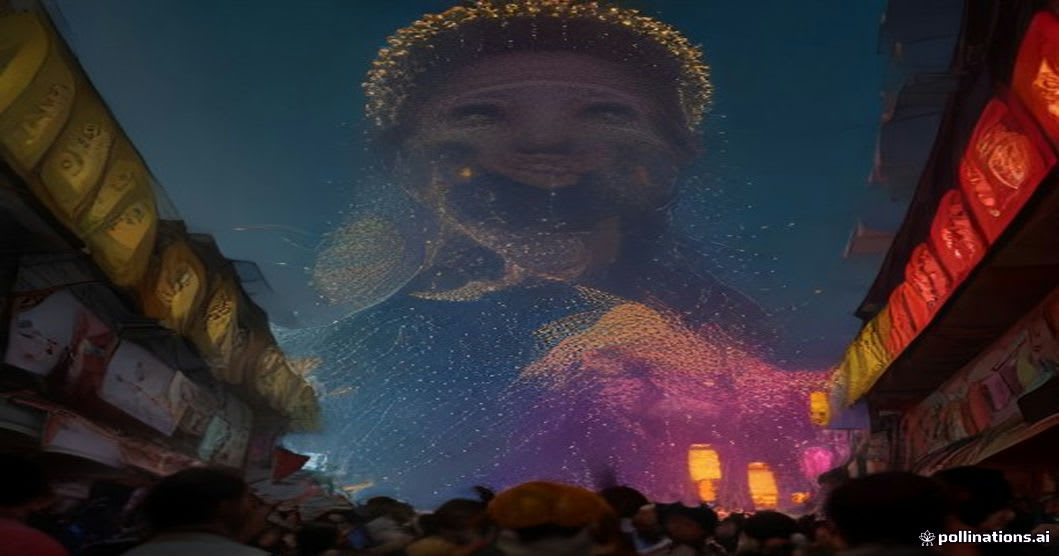
On October 2, 2024, the streets of Siam Square and Ratchadamnoen Avenue transformed into a kaleidoscope of orange, gold, and crimson. Thousands gathered to witness the first official Diwali parade in Thailand, organized jointly by the Ministry of Tourism and Sports, the Indian Embassy, and local cultural NGOs.

The opening ceremony featured:

  • A laser‑show projection of the Ramayana on the façade of the Grand Palace, echoing the shared mythological heritage.
  • Performances by Thai classical dancers in saree‑inspired costumes, accompanied by a live sitar‑ranat (Thai xylophone) ensemble.
  • A fire‑crackers display synchronized with traditional Indian dhol beats, creating a sonic fusion that resonated across the city.

The event was livestreamed on multiple platforms, generating over 12 million views within the first 24 hours and trending under #ThaiDiwali on both Twitter and Google Trends.


Historical Roots of Diwali in Thailand

Diwali, the Festival of Lights, is traditionally a Hindu celebration marking the return of Lord Rama to Ayodhya. While Thailand is predominantly Buddhist, the influence of Indian culture dates back to the Sukhothai and Ayutthaya eras, when Indian merchants, scholars, and Brahmins settled in the region.

  • Architectural echoes: The Wat Phra Kaew and Wat Arun feature motifs reminiscent of Indian temple carvings, a testament to centuries‑old artistic exchange.
  • Linguistic links: Thai words like ‘raja’ (king) and ‘pura’ (city) derive from Sanskrit.
  • Culinary cross‑overs: Dishes such as khao chae (rice in chilled broth) have origins in Indian royal kitchens.

These deep‑seated connections have made Diwali a natural cultural conduit, allowing Thailand to celebrate the festival with authenticity while adding its own flair.


Economic & Diplomatic Ripple Effects

The 27‑day Diwali calendar is not just a cultural showcase; it is a strategic soft‑power initiative. Key outcomes observed so far include:

  1. Tourism boost – Hotel bookings in Bangkok and Chiang Mai rose by 18% compared to the same period last year, driven by Indian tourists and diaspora.
  2. Trade talks – During the festival, the India‑Thailand Business Council signed MoUs worth $450 million covering sectors like renewable energy, pharmaceuticals, and digital services.
  3. Cultural exchange programs – Scholarships for Thai students to study Sanskrit and Indian classical arts were announced, fostering long‑term academic ties.
  4. Media synergy – Indian media houses partnered with Thai broadcasters for co‑produced documentaries on shared heritage, expanding viewership across South‑East Asia.

Analysts note that cultural festivals are increasingly being leveraged as diplomatic tools, especially in a geopolitically fluid Indo‑Pacific.


Grassroots Celebrations Across the Kingdom

Beyond Bangkok, Diwali lights are flickering in Chiang Mai’s Old City, Phuket’s Patong Beach, and even remote villages in Isan. Community groups have organized:

  • Diyas lighting ceremonies at local Buddhist temples, where monks bless the lamps alongside Hindu priests.
  • Food festivals serving samosas, gulab jamun, and Thai‑Indian fusion dishes like mango sticky rice with cardamom‑infused syrup.
  • Art workshops where children paint rangoli patterns on temple courtyards using traditional Thai motifs.

These grassroots events underscore the people‑to‑people dimension of the celebration, reinforcing a sense of shared identity that transcends official diplomacy.


Editorial Analysis & Future Outlook

Thailand’s 27‑day Diwali extravaganza is a landmark moment in Indo‑Thai relations, illustrating how soft power can be operationalized through festivity. By aligning cultural heritage with economic agendas, both nations are crafting a multilayered partnership that could set a precedent for the region.

Long‑term cultural impact

  • The institutionalization of Diwali may lead to annual educational curricula that include Indian philosophy, enriching Thailand’s multicultural narrative.
  • Youth engagement through music, dance, and cuisine will likely seed a generation that views India as a cultural sibling, not just a trade partner.

Geopolitical implications

  • In the context of China’s Belt‑and‑Road Initiative, India is seeking to deepen ties with Southeast Asian nations. Thailand’s overt embrace of an Indian festival signals a strategic tilt toward New Delhi without alienating existing partners.
  • The festival’s success could inspire similar cultural corridors—such as Vesak celebrations in Japan or Lunar New Year events in Vietnam—creating a network of soft‑power nodes across Asia.

Economic prospects

  • The immediate tourism surge may translate into sustained inbound flows, especially if travel packages integrate Diwali experiences.
  • Trade agreements signed during the festival are likely to accelerate joint ventures in green technology, a sector both countries prioritize under the Paris Agreement.

Risks and challenges

  • Cultural appropriation concerns: Ensuring authentic representation of Indian rituals while respecting Thai religious sensibilities will be crucial.
  • Commercialization: Over‑branding could dilute the spiritual essence of Diwali, prompting backlash from traditionalists.

In sum, Thailand’s extended Diwali celebration is more than a festive calendar; it is a strategic cultural bridge that could reshape Indo‑Thai engagement for years to come. Observers will watch closely to see whether this model is replicated elsewhere, potentially redefining how nations celebrate diversity while advancing geopolitical goals.


Original Reporting & Source: India Today Top Stories

Discussion (0)

Sign in to join the discussion.

No comments yet. Be the first to start the conversation!

| |

Thailand Launches 27-Day Diwali Festivities, Showcasing Deep India‑Thai Cultural Bond

By Umang Sisodia • 5 min read • 1 view

Key Takeaways

  • Thailand has inaugurated a 27‑day Diwali celebration that blends Indian traditions with Thai customs, signalling a surge in cultural diplomacy.
  • The festival is being used as a platform for tourism promotion, trade talks, and people‑to‑people exchange between the two nations.
  • Historical ties date back to centuries‑old migration of Indian traders and the spread of Hindu‑Buddhist art, making Diwali a natural bridge today.
  • Experts predict that the extended celebration could reshape regional soft power dynamics and inspire similar cultural festivals across Southeast Asia.

The Grand Kick‑off: Bangkok’s Diwali Parade

On October 2, 2024, the streets of Siam Square and Ratchadamnoen Avenue transformed into a kaleidoscope of orange, gold, and crimson. Thousands gathered to witness the first official Diwali parade in Thailand, organized jointly by the Ministry of Tourism and Sports, the Indian Embassy, and local cultural NGOs.

The opening ceremony featured:

  • A laser‑show projection of the Ramayana on the façade of the Grand Palace, echoing the shared mythological heritage.
  • Performances by Thai classical dancers in saree‑inspired costumes, accompanied by a live sitar‑ranat (Thai xylophone) ensemble.
  • A fire‑crackers display synchronized with traditional Indian dhol beats, creating a sonic fusion that resonated across the city.

The event was livestreamed on multiple platforms, generating over 12 million views within the first 24 hours and trending under #ThaiDiwali on both Twitter and Google Trends.


Historical Roots of Diwali in Thailand

Diwali, the Festival of Lights, is traditionally a Hindu celebration marking the return of Lord Rama to Ayodhya. While Thailand is predominantly Buddhist, the influence of Indian culture dates back to the Sukhothai and Ayutthaya eras, when Indian merchants, scholars, and Brahmins settled in the region.

  • Architectural echoes: The Wat Phra Kaew and Wat Arun feature motifs reminiscent of Indian temple carvings, a testament to centuries‑old artistic exchange.
  • Linguistic links: Thai words like ‘raja’ (king) and ‘pura’ (city) derive from Sanskrit.
  • Culinary cross‑overs: Dishes such as khao chae (rice in chilled broth) have origins in Indian royal kitchens.

These deep‑seated connections have made Diwali a natural cultural conduit, allowing Thailand to celebrate the festival with authenticity while adding its own flair.


Economic & Diplomatic Ripple Effects

The 27‑day Diwali calendar is not just a cultural showcase; it is a strategic soft‑power initiative. Key outcomes observed so far include:

  1. Tourism boost – Hotel bookings in Bangkok and Chiang Mai rose by 18% compared to the same period last year, driven by Indian tourists and diaspora.
  2. Trade talks – During the festival, the India‑Thailand Business Council signed MoUs worth $450 million covering sectors like renewable energy, pharmaceuticals, and digital services.
  3. Cultural exchange programs – Scholarships for Thai students to study Sanskrit and Indian classical arts were announced, fostering long‑term academic ties.
  4. Media synergy – Indian media houses partnered with Thai broadcasters for co‑produced documentaries on shared heritage, expanding viewership across South‑East Asia.

Analysts note that cultural festivals are increasingly being leveraged as diplomatic tools, especially in a geopolitically fluid Indo‑Pacific.


Grassroots Celebrations Across the Kingdom

Beyond Bangkok, Diwali lights are flickering in Chiang Mai’s Old City, Phuket’s Patong Beach, and even remote villages in Isan. Community groups have organized:

  • Diyas lighting ceremonies at local Buddhist temples, where monks bless the lamps alongside Hindu priests.
  • Food festivals serving samosas, gulab jamun, and Thai‑Indian fusion dishes like mango sticky rice with cardamom‑infused syrup.
  • Art workshops where children paint rangoli patterns on temple courtyards using traditional Thai motifs.

These grassroots events underscore the people‑to‑people dimension of the celebration, reinforcing a sense of shared identity that transcends official diplomacy.


Editorial Analysis & Future Outlook

Thailand’s 27‑day Diwali extravaganza is a landmark moment in Indo‑Thai relations, illustrating how soft power can be operationalized through festivity. By aligning cultural heritage with economic agendas, both nations are crafting a multilayered partnership that could set a precedent for the region.

Long‑term cultural impact

  • The institutionalization of Diwali may lead to annual educational curricula that include Indian philosophy, enriching Thailand’s multicultural narrative.
  • Youth engagement through music, dance, and cuisine will likely seed a generation that views India as a cultural sibling, not just a trade partner.

Geopolitical implications

  • In the context of China’s Belt‑and‑Road Initiative, India is seeking to deepen ties with Southeast Asian nations. Thailand’s overt embrace of an Indian festival signals a strategic tilt toward New Delhi without alienating existing partners.
  • The festival’s success could inspire similar cultural corridors—such as Vesak celebrations in Japan or Lunar New Year events in Vietnam—creating a network of soft‑power nodes across Asia.

Economic prospects

  • The immediate tourism surge may translate into sustained inbound flows, especially if travel packages integrate Diwali experiences.
  • Trade agreements signed during the festival are likely to accelerate joint ventures in green technology, a sector both countries prioritize under the Paris Agreement.

Risks and challenges

  • Cultural appropriation concerns: Ensuring authentic representation of Indian rituals while respecting Thai religious sensibilities will be crucial.
  • Commercialization: Over‑branding could dilute the spiritual essence of Diwali, prompting backlash from traditionalists.

In sum, Thailand’s extended Diwali celebration is more than a festive calendar; it is a strategic cultural bridge that could reshape Indo‑Thai engagement for years to come. Observers will watch closely to see whether this model is replicated elsewhere, potentially redefining how nations celebrate diversity while advancing geopolitical goals.


Original Reporting & Source: India Today Top Stories