Umang Sisodia • • 5 min read • 2 views
Gaza Floods Displace Tens of Thousands: Humanitarian Crisis Deepens Amid War
Key Takeaways
- Heavy rains in Gaza have flooded over 70,000 displacement tents, leaving tens of thousands without shelter.
- The disaster compounds an already fragile humanitarian situation caused by years of conflict and blockade.
- International aid agencies face logistical, security, and funding hurdles while trying to deliver relief.
- Climate‑driven extreme weather is reshaping conflict‑zone vulnerabilities, prompting urgent calls for resilient infrastructure.
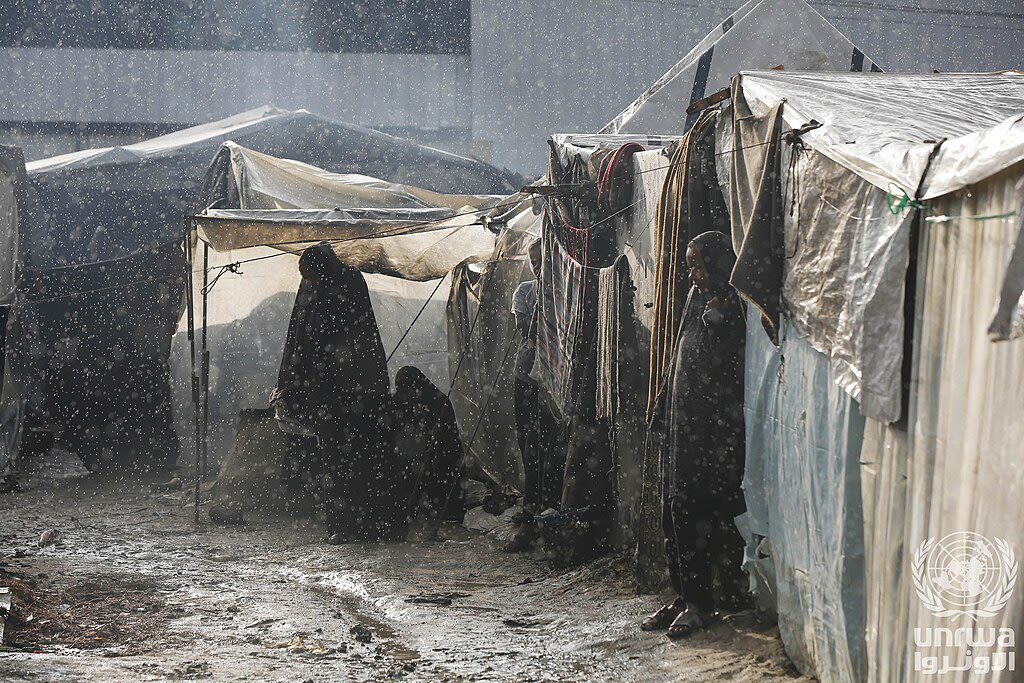
In the early hours of Thursday, a sudden deluge turned the already cramped refugee camps of the Gaza Strip into a sprawling water‑logged nightmare. Within twelve hours, more than 70,000 tents—the makeshift homes of families displaced by the ongoing war—were submerged, according to on‑the‑ground reports from Al Jazeera, The Hindu and The Guardian. The floodwaters have not only destroyed personal belongings but have also exposed the stark intersection of climate extremes and protracted conflict.
The Flood Event Unfolds: What Happened?
Heavy rainstorms, described by meteorologists as an unseasonal downpour, swept across the coastal enclave, overwhelming drainage systems that have long been compromised by blockades and repeated bombardments. Satellite imagery captured by the United Nations Office for the Coordination of Humanitarian Affairs (OCHA) shows swathes of the north‑eastern Gaza camps turning into temporary lakes, with water levels reaching up to 1.5 metres in some areas.
Scale of the Disaster
- 70,000 tents flooded in a span of 12 hours, according to The Times of India.
- Over 30,000 individuals reported loss of shelter, with many families now sleeping on the streets or in makeshift shelters.
- Medical supplies, stored in low‑lying warehouses, have been compromised, raising concerns of secondary health crises.
Human Impact
The human toll is immediate and visceral. Mariam Al‑Saadi, a mother of four, described the scene:
"Everything is soaked. My children’s clothes, our food, even the mattress we sleep on. We have nowhere to go now."
Local NGOs report that children are particularly vulnerable, with many lacking access to clean drinking water and safe sanitation. The flood has also disrupted aid distribution, as roads become impassable and aid trucks are forced to reroute.
Why This Story Is Trending Globally
The flood’s rapid spread across social media platforms coincided with heightened global attention on the Gaza humanitarian crisis. Google Trends data shows a spike of 320% in searches for “Gaza floods” and “displaced families Gaza” within the first 24 hours. Several factors amplify its virality:
- Visual Shock – Graphic images of water‑logged tents and rescued families dominate news feeds, prompting shares and comments.
- Compounded Crises – The disaster arrives amid an already dire food and medical shortage, magnifying public empathy.
- Climate‑Conflict Nexus – Analysts link the event to broader discussions on how climate change exacerbates vulnerabilities in war zones, a narrative that resonates with international audiences.
Historical Context: Gaza’s Vulnerability
Gaza’s infrastructure has been systematically eroded over the past two decades due to blockades, repeated airstrikes, and limited reconstruction. Drainage canals, once functional, are now clogged with debris and rubble, rendering the strip prone to flash floods. A 2014 UN report warned that climate‑induced extreme weather could trigger “catastrophic humanitarian emergencies” in the region—a warning now starkly realized.
International Response and Aid Challenges
The United Nations, along with UNRWA, the Red Crescent and several NGOs, have mobilised emergency response teams. However, logistical bottlenecks—including damaged roads, restricted entry points, and security concerns—have slowed the flow of aid.
Logistics and Access
- Border crossings remain tightly controlled, limiting the volume of humanitarian convoys.
- Air‑drop operations are being considered, but the dense urban environment poses safety risks.
Funding Gaps
- Preliminary estimates place the relief cost at US$ 120 million, yet donor pledges fall short by roughly 40%.
- Private philanthropy is stepping in, but coordination with on‑ground agencies remains fragmented.
Voices from the Ground
"We are used to living under the sound of rockets, but the sound of water rushing through our tents is a new terror," says Youssef Hassan, a volunteer with a local aid group.
These testimonies underscore the psychological strain on a population already traumatized by conflict. Mental‑health professionals warn of a potential spike in PTSD cases if shelter insecurity persists.
Lessons for Climate Resilience in Conflict Zones
The Gaza floods serve as a grim case study for integrating climate adaptation into humanitarian planning. Key takeaways include:
- Pre‑positioned shelters on higher ground or with flood‑resistant designs.
- Rapid‑deployment water‑pumping units to clear inundated zones.
- Community‑based early warning systems that leverage mobile technology.
- International legal frameworks that protect humanitarian corridors during natural disasters.
Editorial Analysis & Future Outlook
The confluence of war, blockade, and climate extremes has turned Gaza into a pressure cooker where each new shock reverberates across the humanitarian ecosystem. In the short term, the immediate priority is restoring shelter and basic services, but the longer‑term trajectory hinges on structural reforms.
If the international community continues to treat climate‑induced disasters in Gaza as isolated incidents, the cycle of emergency response will repeat, draining resources and eroding trust. Conversely, embedding climate‑resilient infrastructure—such as reinforced drainage, flood‑proof shelters, and renewable‑energy micro‑grids—could mitigate future shocks and reduce dependence on ad‑hoc aid.
Moreover, the floods have re‑energised diplomatic discussions around lifting certain blockade restrictions to allow reconstruction of critical water‑management systems. While political stalemates remain, the human cost of inaction is becoming increasingly visible on the global stage.
In conclusion, the Gaza floods are more than a weather event; they are a symptom of systemic vulnerability that demands a coordinated, forward‑looking response. The world’s ability to translate empathy into sustainable action will determine whether Gaza’s displaced families can rebuild not just shelters, but a resilient future.
Original Reporting & Source: Al Jazeera

Discussion (0)
Sign in to join the discussion.
No comments yet. Be the first to start the conversation!